Smart Windows Tint On Demand: 2025 Home Upgrade
Smart home technology advances beyond entertainment and basic convenience to influence comfort, energy consumption, and interior design. Among the most innovative solutions for homeowners, electrochromic windows, commonly referred to as smart glass, stand out. These windows adjust tint levels automatically or manually to manage light, glare, and heat, enabling households to achieve superior energy efficiency and contemporary style while preserving natural illumination.
Understanding Smart Glass Technology
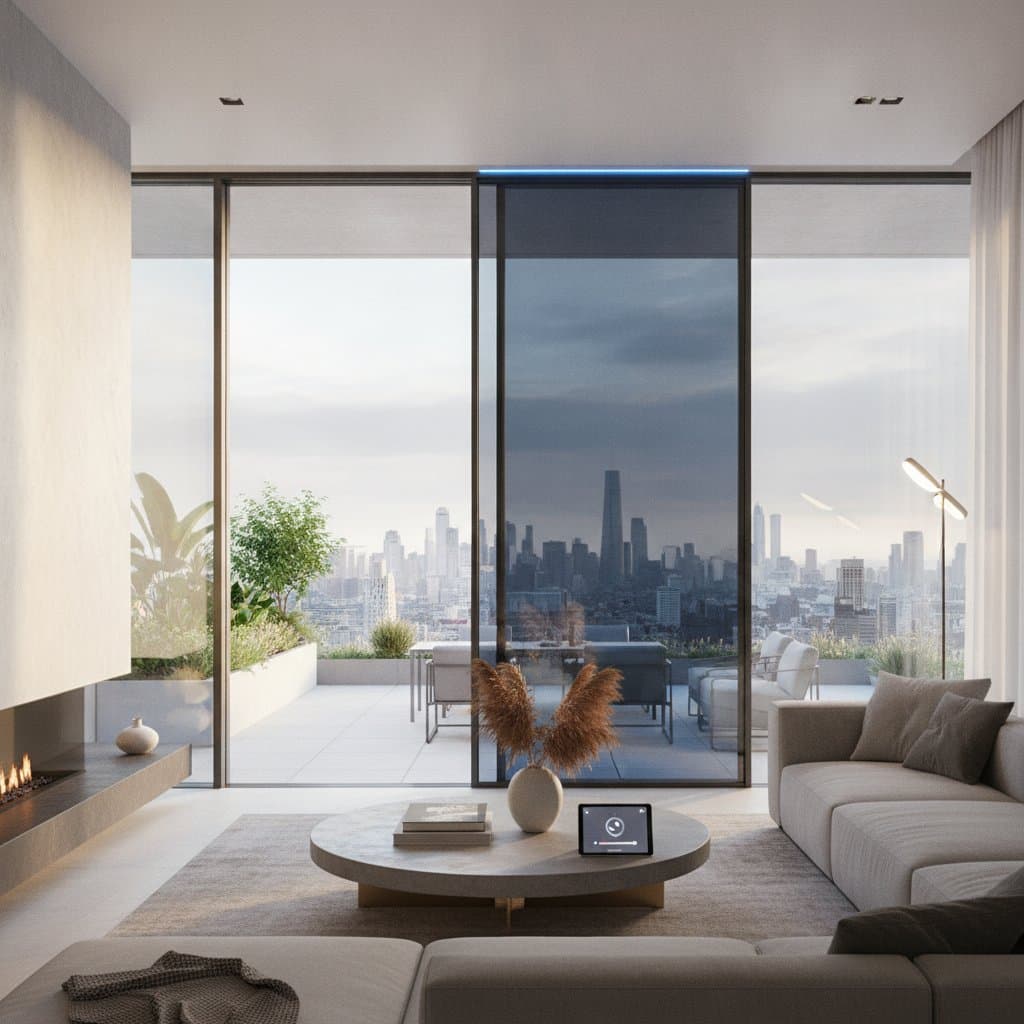
Electrochromic smart windows incorporate layers of conductive materials that alter opacity upon application of a low electrical charge. Ions shift between these layers to produce a tint that blocks sunlight and heat; reversing the charge restores clarity. The process occurs silently and uniformly, delivering a fluid change from clear to shaded states.
Various smart glass systems exist. Some operate via wall switches or smartphone applications, while others employ sensors that respond to sunlight intensity or ambient temperature. This adaptability empowers homeowners to optimize comfort and views dynamically throughout the day.
Comparing Smart Glass Options
Smart window technology appears in multiple forms, each offering unique strengths.
| Option | Initial Cost | Lifespan | Maintenance | Best For |
|---|---|---|---|---|
| Electrochromic Glass | High | Long | Minimal | Energy-conscious homes and high-end designs |
| Suspended Particle Device (SPD) | Moderate | Medium | Occasional recalibration | Quick light control and privacy applications |
| Liquid Crystal (LC) Glass | Moderate | Medium | Moderate | Interior partitions and flexible privacy panels |
Performance varies by response speed, transparency, and energy efficiency. Electrochromic windows tint gradually, ideal for exterior applications like windows and skylights. SPD and LC variants switch rapidly, suiting interior uses such as doors or dividers where immediate privacy matters.
Key Benefits for Homeowners
Energy Efficiency: By modulating tint, smart glass minimizes heating and cooling needs; it blocks solar heat in summer and admits full light for warmth in winter. Such adjustments reduce utility expenses and ease HVAC system loads.
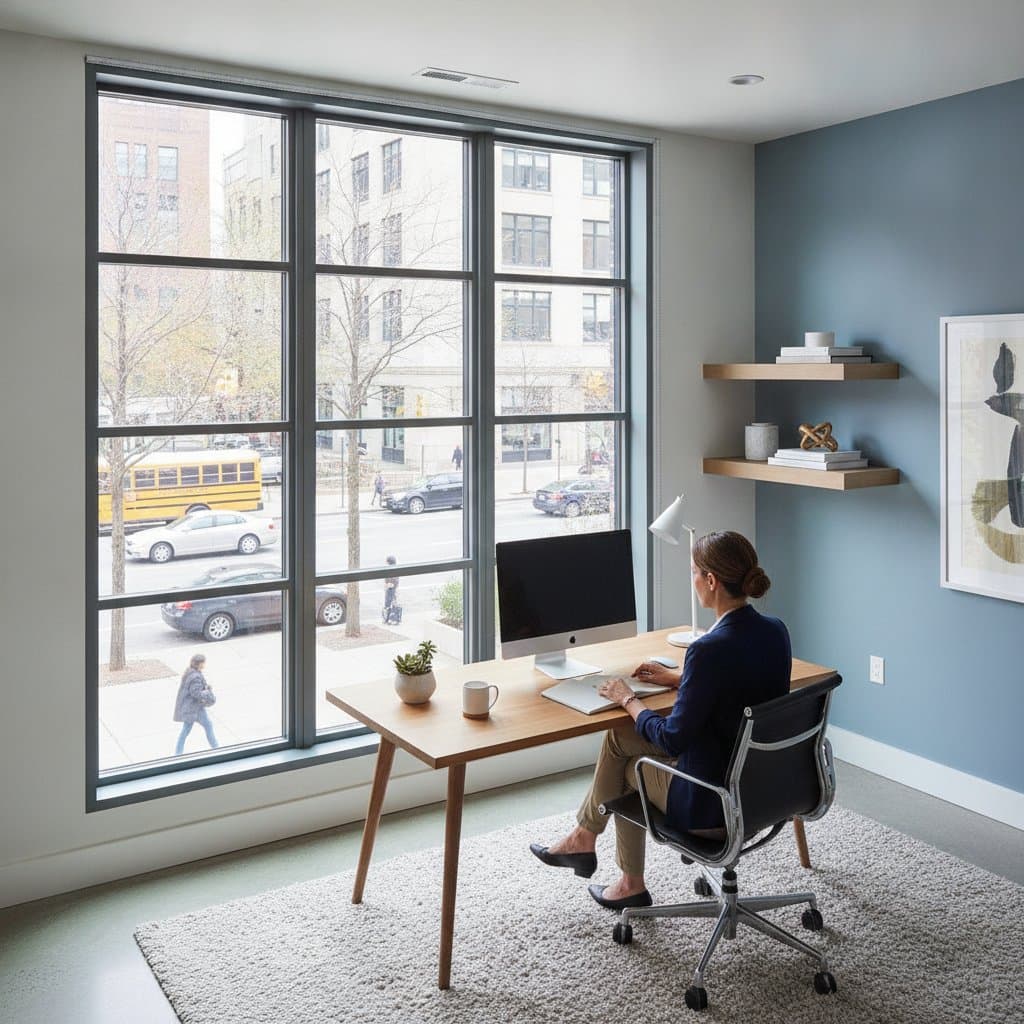
Comfort and Glare Control: Dynamic tinting maintains even illumination without traditional shades. This proves valuable in home offices for screen visibility, media rooms for viewing, and living areas for overall coziness.
Aesthetic Flexibility: These windows preserve sleek lines in architecture. Without bulky coverings, spaces feel expansive and contemporary.
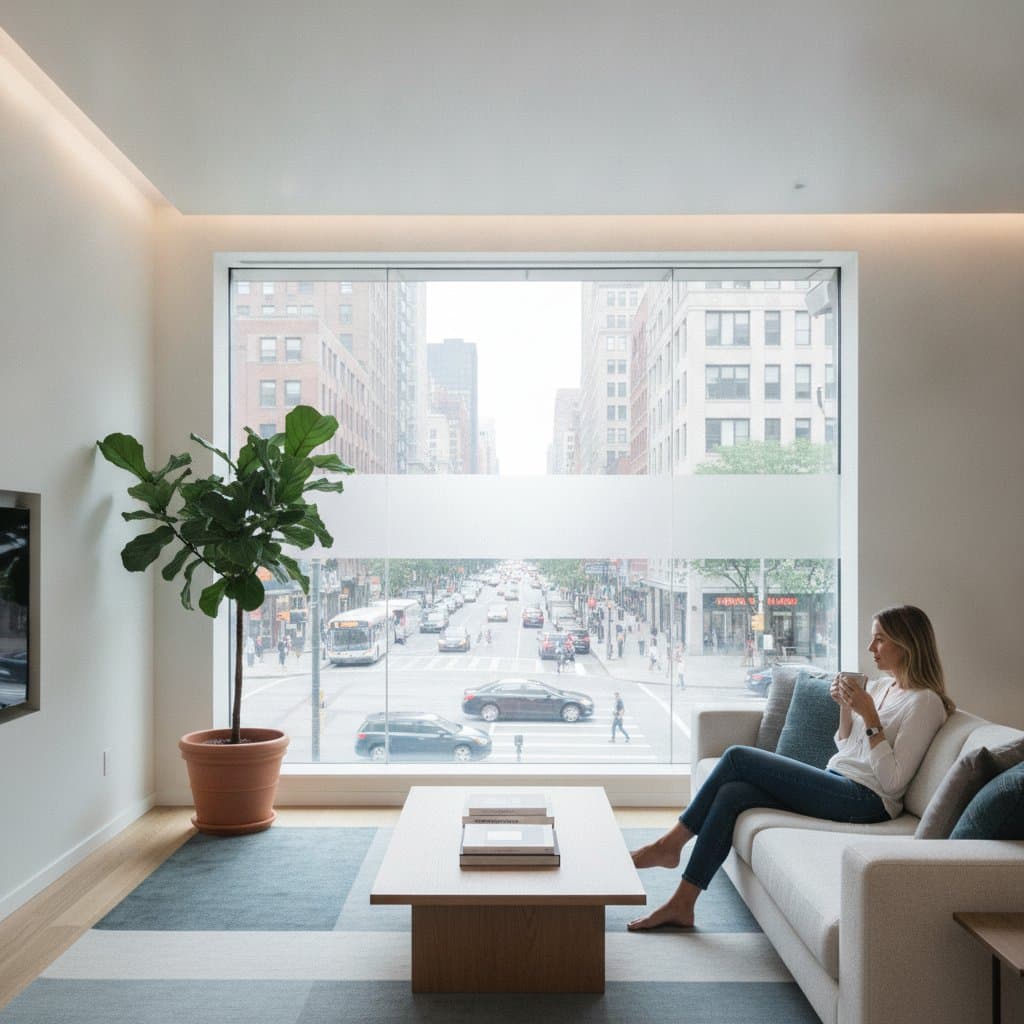
Privacy on Demand: Select smart glass types switch to opaque instantly via controls, ideal for bathrooms or offices. Privacy arrives without forfeiting ambient light.
Practical Considerations Before Installation
Homeowners must assess placement for maximum impact before committing to smart glass. South-facing windows, skylights, and expansive glass walls benefit most from adaptive tinting. Factor in wiring needs, power availability, and compatibility with current automation setups.
Wiring and Controls: Electrochromic systems demand low-voltage power, often routed through frames or walls. Plan concealment during retrofits to maintain aesthetics.
Automation Integration: Compatible products link to platforms like smart hubs for timed or sensor-driven operation. Verify interoperability to prevent unnecessary additions.
Budget Factors: Upfront costs exceed standard glass, yet energy reductions and eliminated shade purchases recoup investments over time. Calculate returns based on local climate and usage patterns.
Installation Process and Expectations
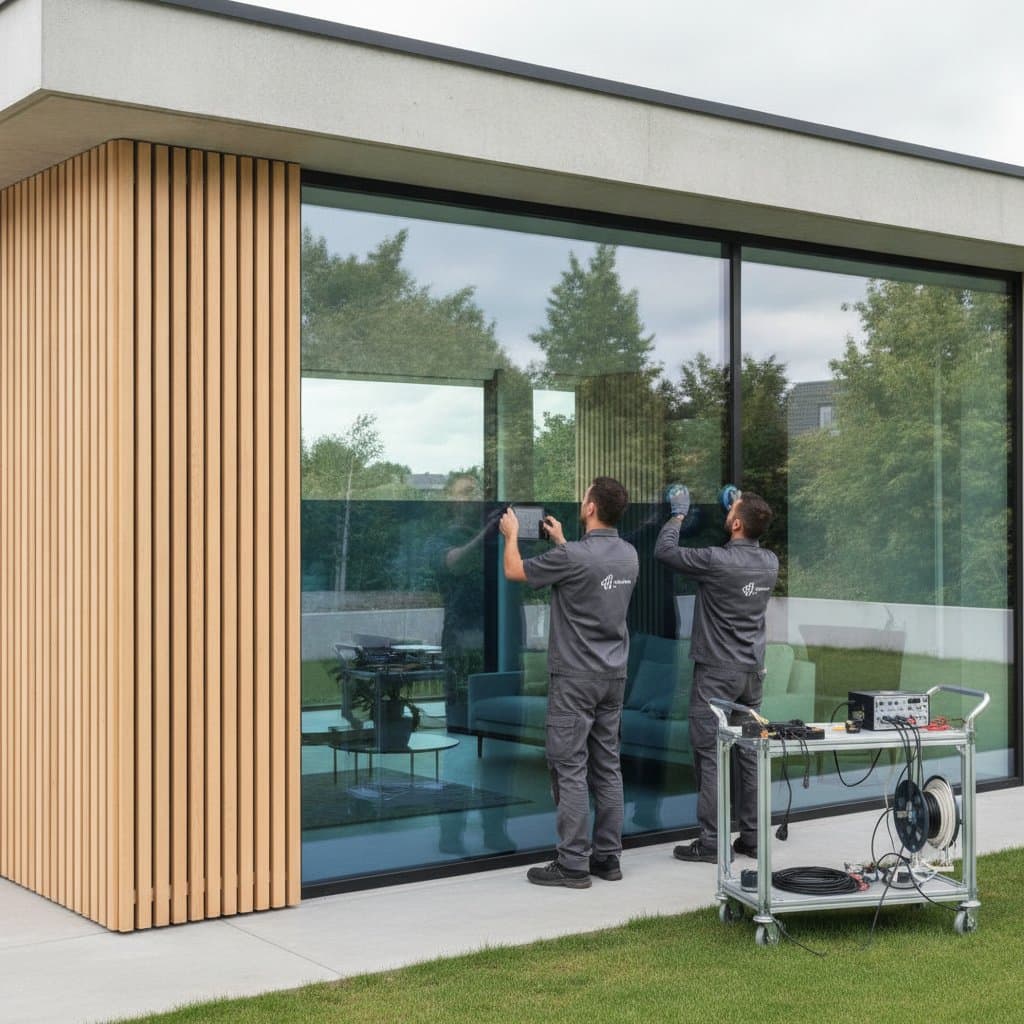
Smart glass installation proceeds methodically to guarantee reliability and endurance.
- Planning and Evaluation: Contractors examine window directions, frame integrity, and electrical access.
- Preparation Steps: Reinforce or adapt frames to fit panels and wiring.
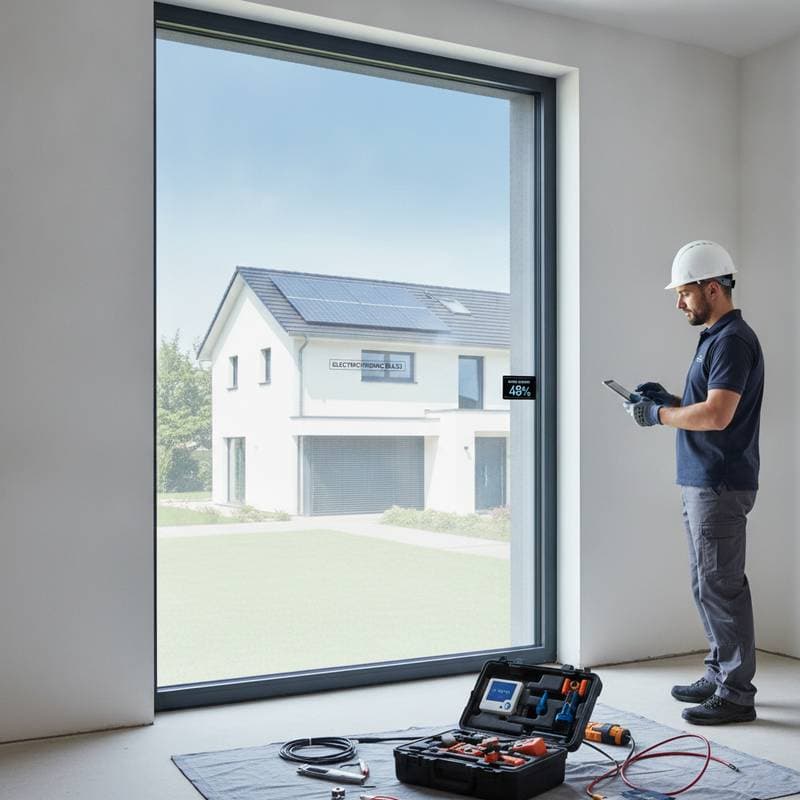
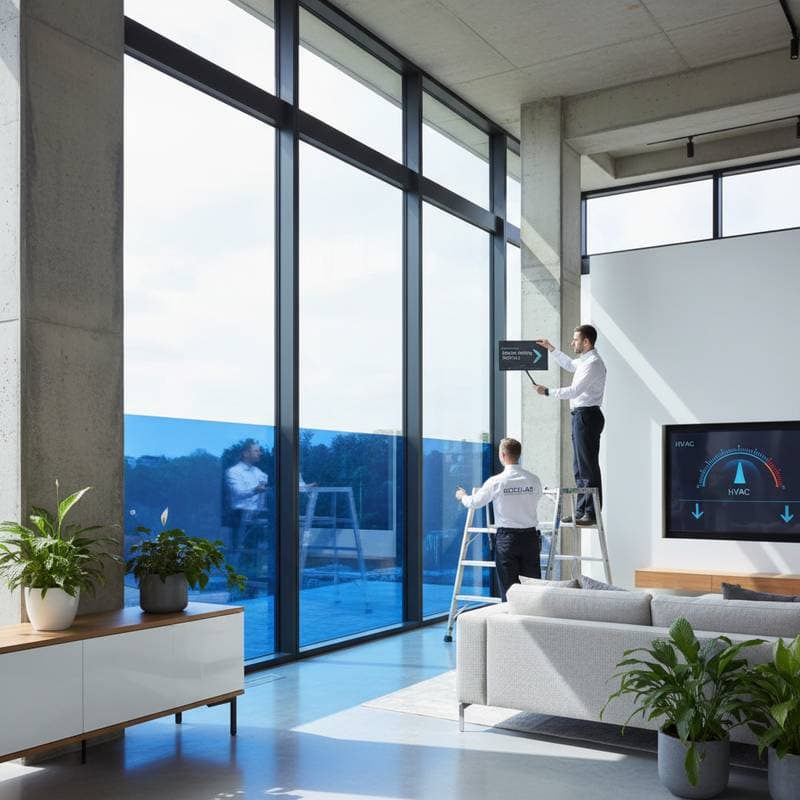
- Main Implementation: Secure panels, link wiring to controllers, and program manual or automated modes.
- Quality Assurance: Test for even tinting, seamless shifts, and precise sensor feedback.
- Completion and Follow-up: Provide guidance on usage, upkeep, and system tweaks.
Expect minimal disruption in new builds; retrofits may involve temporary access to walls.
Maintenance and Longevity
Upkeep for smart windows remains straightforward. Clean surfaces with soft, non-abrasive cloths to preserve clarity. Conduct annual checks on electrical links for stability.
Absence of mechanical elements avoids wear, promoting extended durability. Manufacturers typically warrant glass and electronics for 10 to 20 years, often guaranteeing thousands of tint cycles. Review specifics to align with household needs.
Environmental and Lifestyle Factors
In sunny climates, smart windows curb heat buildup and safeguard furnishings from UV damage. Colder areas leverage clear modes for passive solar gain, cutting heating reliance. Overall, the technology fosters sustainability by diminishing artificial light and shading dependencies.
Lifestyle enhancements include effortless comfort management and privacy. Lighter interiors ease dusting, while automation aids those with mobility challenges by removing manual efforts. Integrate with voice assistants for hands-free operation in kitchens or bedrooms.
Choosing What Works Best
Select smart windows by aligning with personal priorities.
- Purpose: Prioritize energy reduction, seclusion, or visual appeal?
- Scope: Retrofit select panes or incorporate into new builds?
- Control Preferences: Favor sensors, apps, or physical toggles?
- Budget Planning: Weigh initial outlay against projected savings, potentially 20 to 30 percent on energy bills.
Target high-impact zones like sunlit living rooms or workspaces for targeted upgrades. Full-home systems suit comprehensive efficiency goals.
Ensuring Quality Results
To maximize smart glass performance, partner with certified installers experienced in electrochromic integrations. Request demonstrations of tint uniformity and response times during consultations. Post-installation, monitor energy usage via utility apps to quantify benefits, adjusting automations as seasons shift. This approach transforms light management into an effortless, eco-friendly enhancement for modern living.