Minimalist Bronze: 2026's Top Japandi Door Trend
The fusion of Japanese serenity and Scandinavian simplicity influences interior design decisions in homes worldwide. A prominent element in this evolution is minimalist bronze door hardware, which embodies the Japandi aesthetic through its understated warmth and enduring style. This hardware merges practicality with elegance, offering homeowners a way to enhance their spaces with subtle sophistication.
For those considering an interior door refresh, minimalist bronze hardware provides an ideal solution. The following sections detail essential aspects, including pricing, material selections, and professional advice, to guide informed decisions.
Average Cost of Minimalist Bronze Door Hardware
Budgeting for a Japandi-style door enhancement requires attention to both hardware materials and installation expenses. Costs fluctuate according to the hardware's quality, specific finish, and the intricacies of fitting it into place.
| Hardware Type | Cost Range (per set) | Key Features |
|---|---|---|
| Solid Bronze Handles | $120 to $300 | High durability, natural patina over time |
| Bronze-Plated Handles | $60 to $150 | Affordable, similar look to solid bronze |
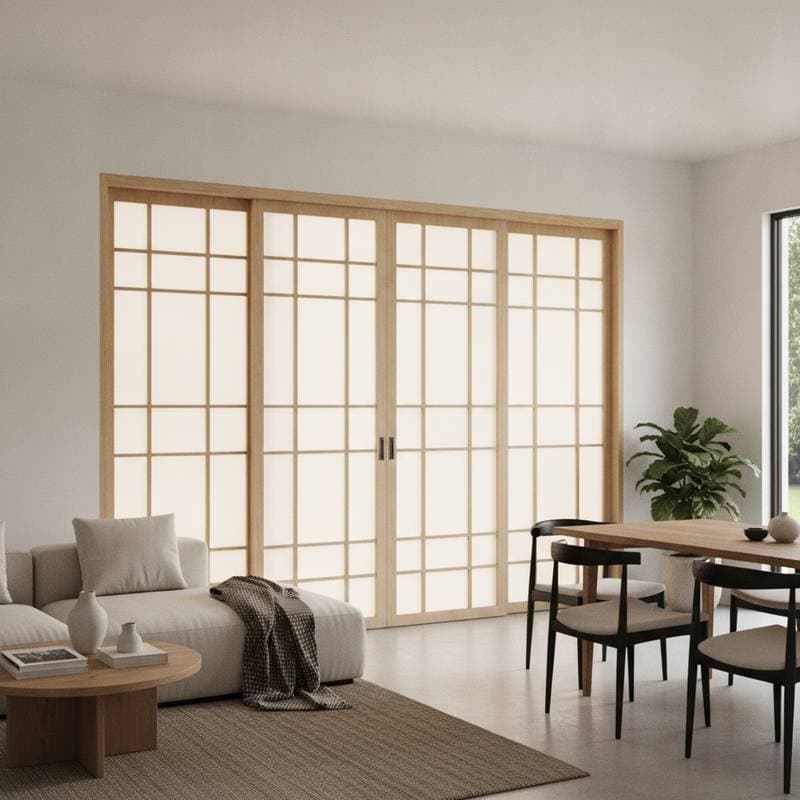
| Recessed Pulls (for sliding doors) | $40 to $110 | Compact, flush design for clean lines |
| Bronze Hinges and Latches | $25 to $80 each | Subtle detailing, smooth operation |
A typical interior door setup, encompassing hinges, handles, and necessary fasteners, incurs hardware expenses from $150 to $500. Hiring a professional for installation adds $75 to $200 per door, influenced by regional labor rates and the door's configuration. Factors such as custom sizing or integration with smart home systems can elevate these figures further. To optimize value, prioritize hardware from reputable suppliers that offer warranties against corrosion or mechanical failure.
Choosing the Right Bronze Finish
Bronze finishes differ significantly, each imparting a unique character to the surrounding environment. The table below outlines options to facilitate selection.
| Finish Type | Appearance | Maintenance | Best For |
|---|---|---|---|
| Antique Bronze | Deep brown with soft highlights | Minimal upkeep | Traditional or rustic interiors |
| Satin Bronze | Smooth, muted sheen | Moderate upkeep | Japandi and modern minimalist styles |
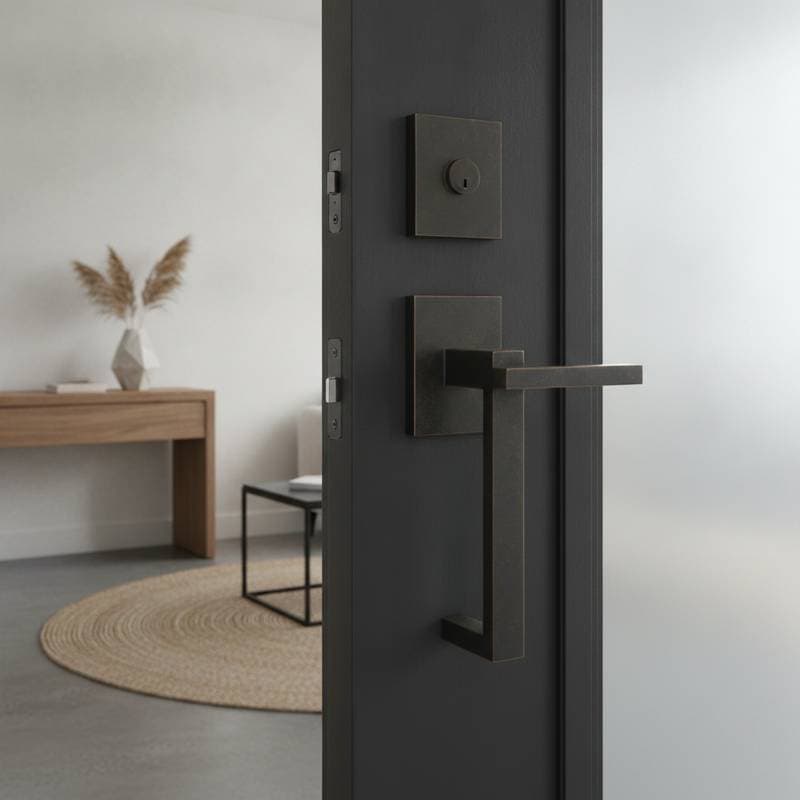
| Oil-Rubbed Bronze | Dark matte with subtle copper tones | Occasional polishing | High-contrast wood tones |
| Brushed Bronze | Soft texture, less reflective | Easy to clean | Busy households or high-touch areas |
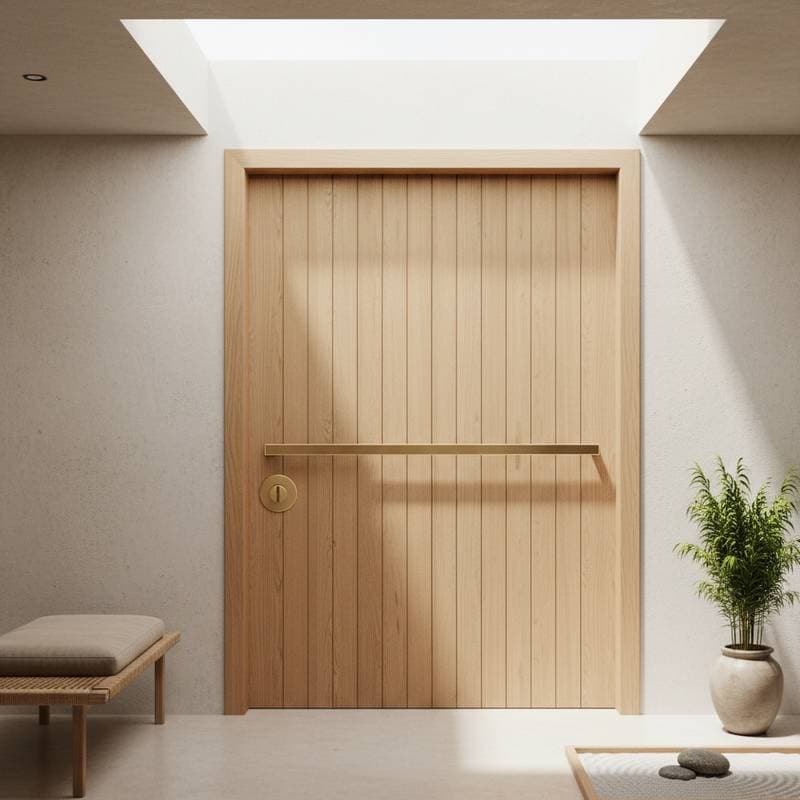
Satin bronze stands out as the optimal choice for Japandi settings, where its gentle luster harmonizes with the style's emphasis on tranquility. This finish integrates seamlessly with doors crafted from light oak, ash, or white birch, enhancing neutral wall colors like soft grays or warm beiges. Consider the room's lighting: in brighter spaces, satin bronze maintains visibility without overwhelming the design, while in dimmer areas, it adds a subtle glow that invites closeness.
Integrating Bronze Hardware with Door Materials
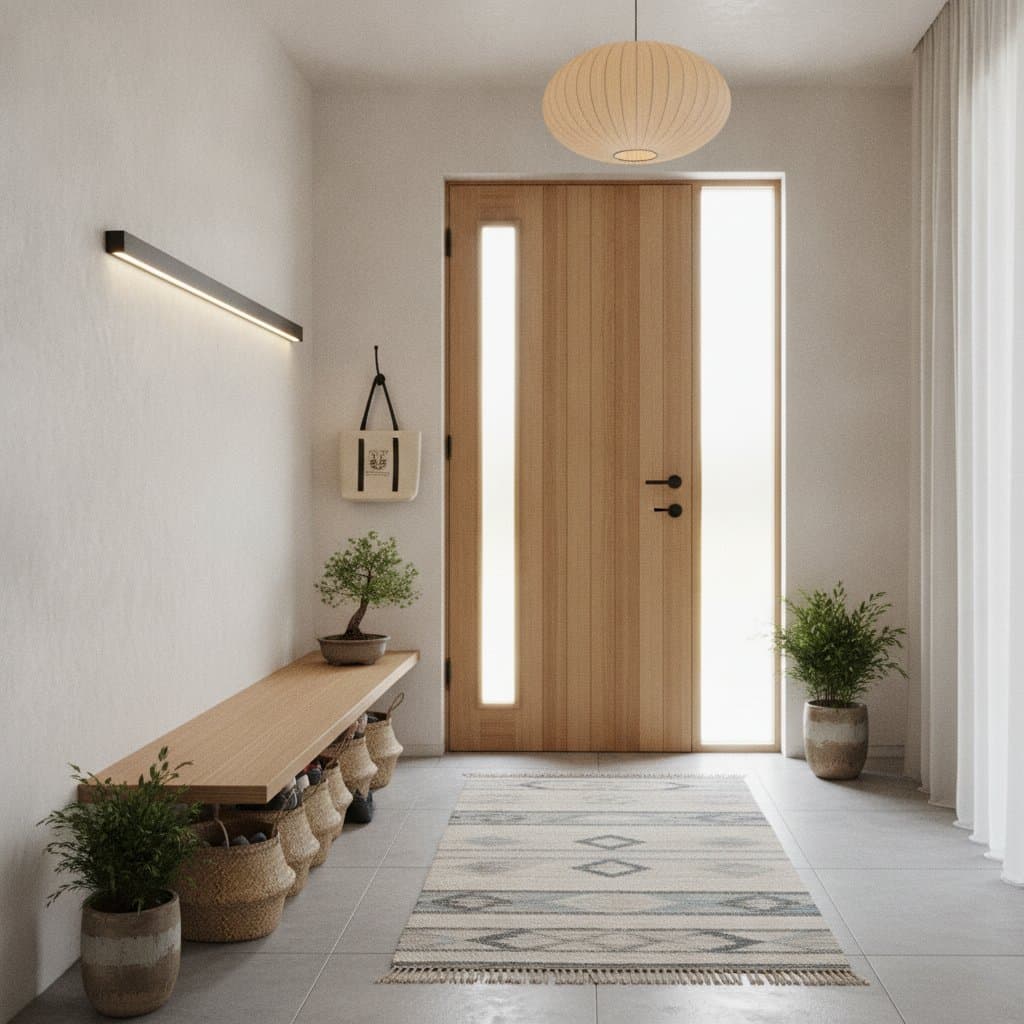
Japandi principles favor light wood doors, yet bronze hardware adapts well to darker tones and painted surfaces, broadening its application.
- Light Woods: Pair blonde oak or maple doors with satin bronze handles to achieve a harmonious, airy aesthetic that promotes openness.
- Dark Woods: Combine walnut or espresso-stained doors with antique bronze for added depth and visual interest, creating a cozy yet refined atmosphere.
- Painted Doors: Apply muted gray or off-white paint to doors, allowing brushed or oil-rubbed bronze to introduce warmth and prevent sterility.
When selecting doors, focus on uncomplicated profiles such as slab or shaker designs. These forms spotlight the hardware as a deliberate focal point, aligning with Japandi's philosophy of intentional minimalism. For multi-room projects, consistency in hardware across spaces reinforces the overall design narrative, fostering a sense of unity.
When to Hire a Professional
Projects spanning several doors or requiring bespoke fittings benefit from expert involvement. Professionals guarantee precise alignment, robust securing, and adherence to building codes, particularly for elements like door swing and clearance.
For simple hardware swaps on existing doors, individuals with foundational carpentry skills can manage the task using standard tools. Verify compatibility with pre-drilled holes beforehand; otherwise, prepare for accurate adjustments to avoid structural issues. In scenarios involving load-bearing doors or integration with automated locks, professional assessment prevents potential hazards and ensures longevity.
Maintaining Your Investment
Preserving the allure of minimalist bronze hardware involves routine care to sustain its appearance and functionality.
- Clean Monthly: Use a damp cloth and mild soap to remove dust and fingerprints gently.
- Avoid Abrasives: Refrain from harsh cleaners or polishes that might strip the protective coating.
- Inspect Regularly: Check and tighten screws and hinges every few months to counteract loosening from daily use.
- Preserve Patina: Embrace the hardware's natural aging process, which enhances authenticity over time.
Should dark spots appear unevenly, a light buffing with a soft cloth restores evenness while honoring the finish's organic development. Annual professional inspections for high-traffic areas extend the hardware's service life, safeguarding the investment against premature wear.
Elevate Your Space with Bronze Accents
Incorporating minimalist bronze hardware into Japandi doors not only refines aesthetics but also infuses homes with lasting serenity. This choice supports sustainable design by favoring durable materials that age gracefully. Begin by assessing your current doors and envisioning how bronze elements can amplify tranquility. With thoughtful selection and upkeep, these details transform ordinary passages into enduring expressions of balanced living.