Minimalist Brass: The Rising Star in Japandi Door Design
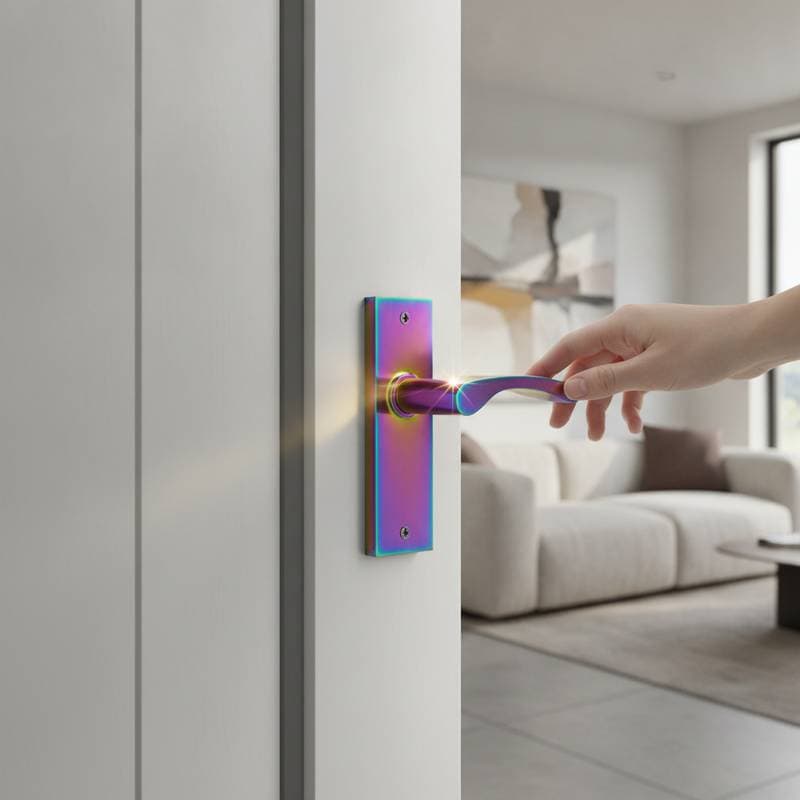
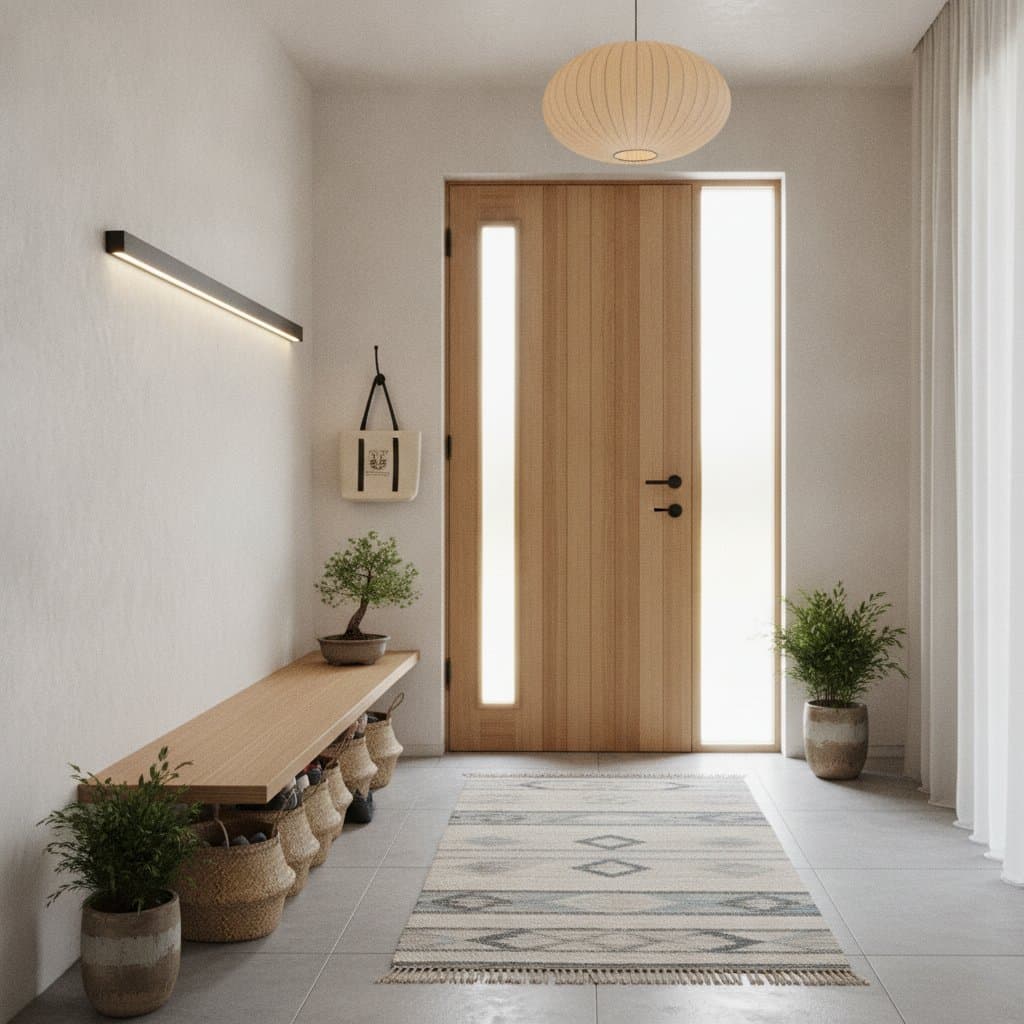
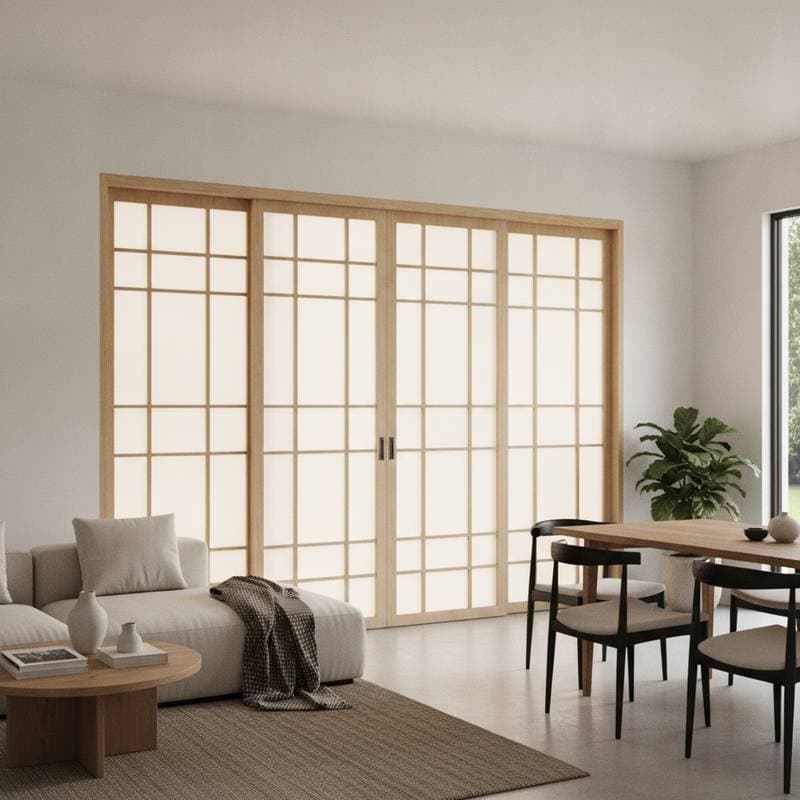
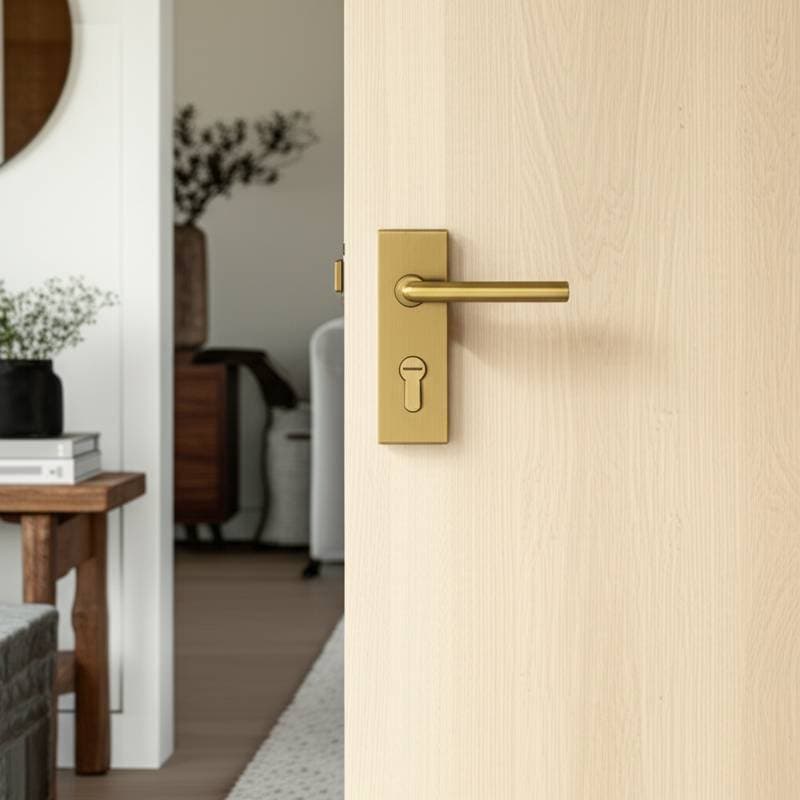
Japandi design merges the precise lines and purposeful functionality of Japanese aesthetics with the inviting warmth and natural materials of Scandinavian style. Homeowners often associate this trend with neutral palettes and simple furnishings, yet one emerging detail captures its essence: minimalist brass door hardware. These pieces provide subtle enhancement without overwhelming the space, emphasizing quality construction and serene functionality.
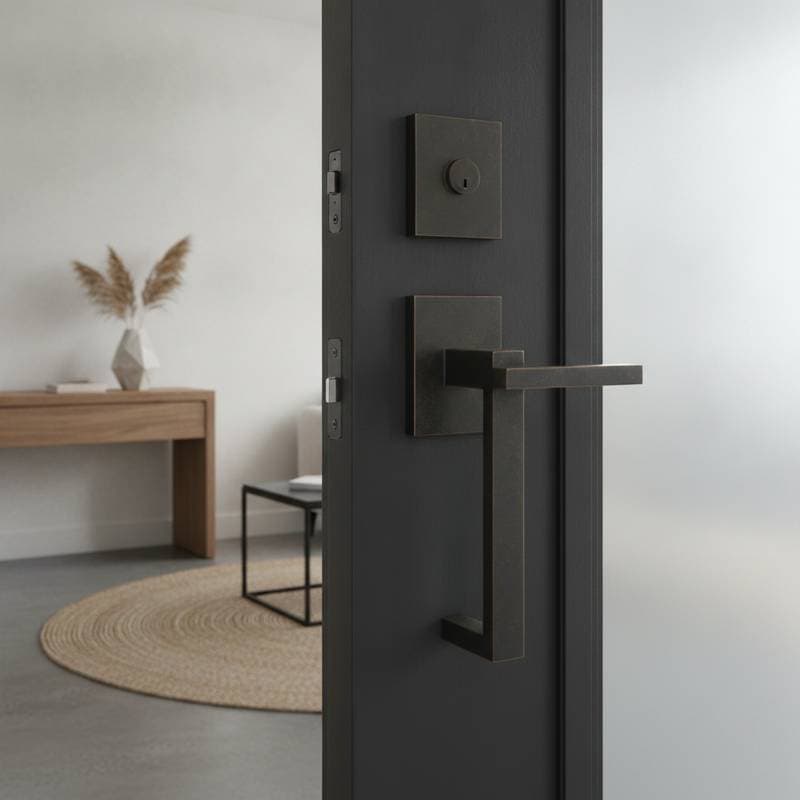
When updating entryways, interior doors, or cabinetry, select brass hardware that aligns with Japandi principles to achieve enduring style. The following sections outline key aspects, from pricing to practical implementation, to guide your choices effectively.
Pricing Overview for Brass Door Hardware
Brass hardware investments vary based on material authenticity, design complexity, and installation scope. Solid brass offers superior durability and a premium feel, while plated versions provide affordability at the risk of faster wear. Below is a breakdown of typical costs for common types.
| Hardware Type | Cost Range (Materials Only) | Key Features |
|---|---|---|
| Door Handles | $70 to $220 per set | Solid construction, multiple finish options, high wear resistance |
| Cabinet Knobs and Pulls | $8 to $35 each | Compact sizes suited for high-traffic areas like kitchens |
| Door Hinges | $15 to $45 each | Concealed or visible styles, includes compatible fasteners |
| Entry Door Sets | $180 to $480 per set | Comprehensive kits with deadbolts and escutcheons |
| Custom Brass Pieces | $300 to $950 per item | Bespoke shapes and engravings for unique applications |
Installation labor for door handles or full sets generally falls between $60 and $150 per door, influenced by door thickness and mechanism integration. For a complete interior overhaul involving multiple doors, budget from $1,000 to $2,800 overall.
Selecting Optimal Brass Finishes for Doors
Brass finishes influence how hardware interacts with light and surrounding decor, so match them to your interior's mood and maintenance preferences. Japandi favors subdued tones that age gracefully, avoiding high-shine distractions.
| Finish Type | Visual Characteristics | Upkeep Requirements | Ideal Applications |
|---|---|---|---|
| Brushed Brass | Subtle matte surface with linear texture | Low; resists fingerprints | Contemporary, light-filled rooms |
| Satin Brass | Gentle luster for soft glow | Moderate; occasional polishing | Functional spaces like dining areas |
| Aged Brass | Warm, darkened patina over time | Minimal; enhances with age | Cozy, textured Japandi environments |
| Polished Brass | High reflectivity and shine | High; frequent cleaning needed | Limited accents in bright settings |
| Antique Brass | Subdued golden hue with vintage hints | Moderate; protects against tarnish | Blended modern-traditional designs |
Interior designer Lars Eddings of Eddings Studio in Stockholm notes, "Brass in Japandi spaces demands subtlety. Opt for finishes that integrate seamlessly, allowing the material's natural evolution to complement the home's calm narrative." Prioritize brushed or aged options for authentic Japandi restraint.
Key Steps for Installing Brass Hardware
Brass hardware installation requires attention to detail to preserve finish integrity and ensure secure fit. Follow these steps for optimal results, whether handling the task yourself or hiring professionals.
- Assess Door Capacity: Verify that hinges and frames support the hardware's weight, as solid brass exceeds lighter metals in heft.
- Measure for Compatibility: Confirm strike plates, latches, and bores align with existing door preparations to avoid modifications.
- Prepare the Surface: Remove old hardware, then clean and lightly sand mounting areas for flush seating.
- Select Appropriate Fasteners: Pair with brass or corrosion-resistant screws to maintain uniform appearance and prevent reactions.
- Handle with Care: Use clean gloves to install, minimizing skin oils that could etch the finish prematurely.
Professionals typically bill $80 to $120 hourly, with a standard handle replacement requiring 30 to 45 minutes per door. Complex entry sets may extend to one hour.
Elements Impacting Brass Hardware Project Expenses
Beyond base prices, several variables determine total outlay for a brass upgrade. Understanding these helps in budgeting accurately for a Japandi-inspired refresh.
Material Authenticity: Opt for solid brass to secure decades of use and a tactile luxury; plated options save upfront but demand earlier replacement.
Brand and Craftsmanship: Premium makers charge more for artisanal details, such as hand-hammered textures or precise tolerances.
Door Construction: Dense solid-core doors necessitate stronger components and extended fitting time compared to lighter hollow designs.
Scale of Upgrade: Purchasing in volume for entire homes lowers unit prices; consider incremental room-by-room approaches to manage cash flow.
Local Installation Fees: Rates climb in metropolitan areas due to demand, often 20 to 30 percent above rural equivalents.
Personalization Options: Custom sizing or motifs elevate costs significantly, ideal for statement pieces in key areas.
Preserving Brass Hardware Longevity
To sustain the elegance of brass in a Japandi setting, adopt routine care that respects its natural development. Avoid harsh cleaners; instead, dust with a soft cloth weekly and apply a brass-specific wax quarterly to shield against oxidation.
For high-touch areas, like kitchen cabinets, inspect for wear annually and reapply protective coatings as needed. In humid environments, ensure proper ventilation to slow patina formation. These practices extend the hardware's life, allowing its subtle warmth to enhance your interiors for years.
Integrating Brass for Enduring Japandi Appeal
Minimalist brass hardware elevates Japandi designs by bridging simplicity and sophistication. It transforms functional elements into thoughtful accents that harmonize with natural woods and neutral tones. Invest in quality pieces to create spaces that feel both timeless and personally curated, fostering daily serenity through refined detail.