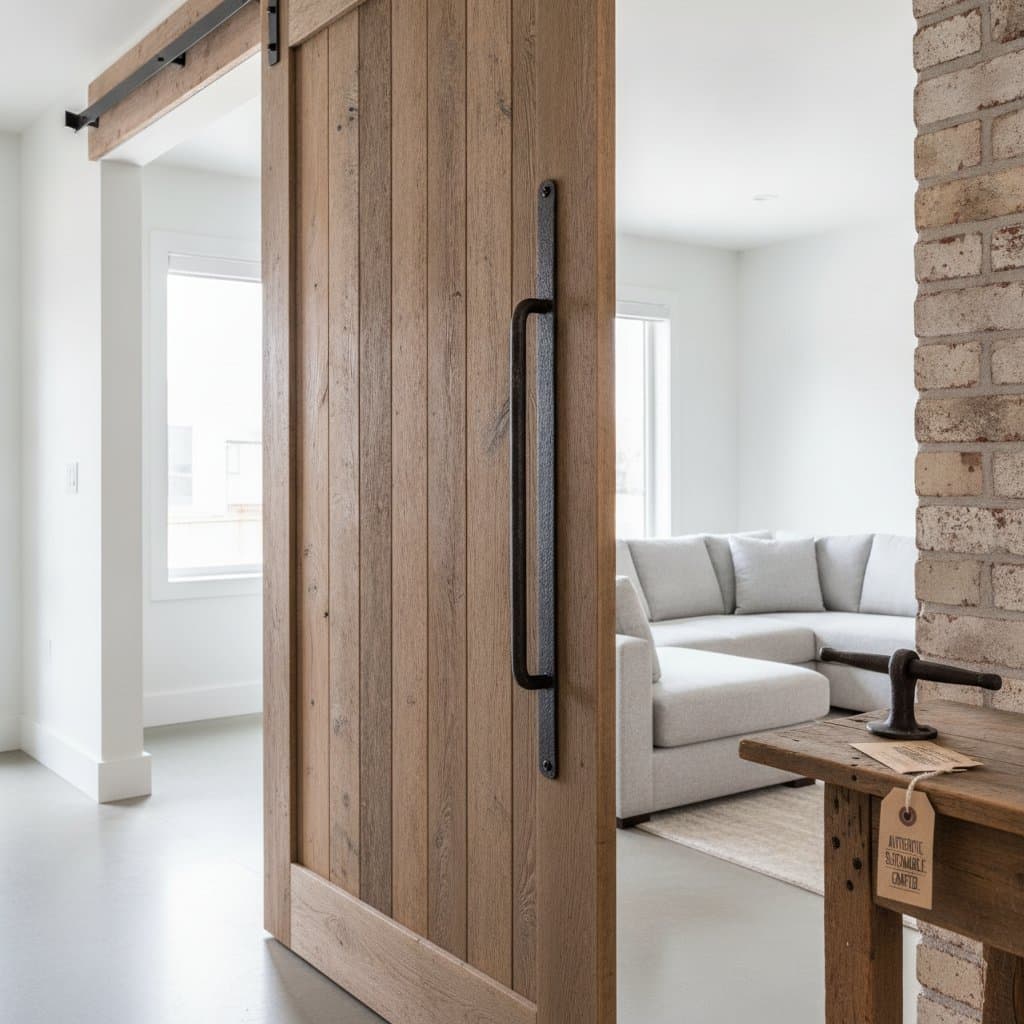

Japandi Entryways: Warm Minimalism for 2025 Homes
Japandi design draws in homeowners who seek simplicity alongside comfort. In entryways, this approach yields balanced areas that greet visitors with tranquility. The fusion of Japanese minimalism and Scandinavian coziness results in practical, visually restful spaces. For those considering updates next year, grasping the methods to realize this aesthetic enables the creation of purposeful, enduring entryways.
The Essence of a Japandi Entryway
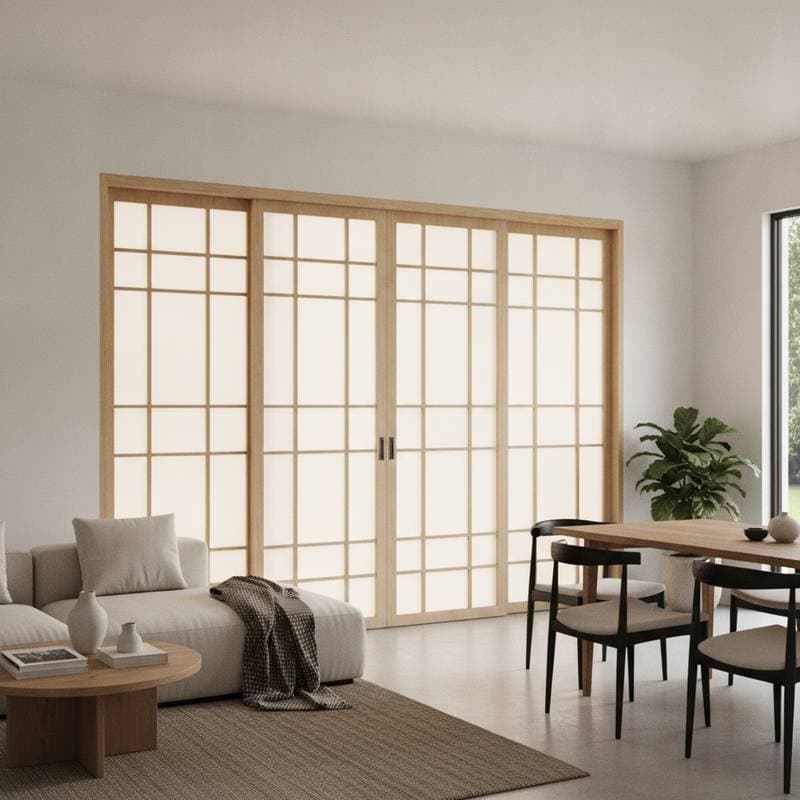
Japandi entryways emphasize clean lines, neutral shades, and natural elements. The aim centers on functionality paired with serenity. Rather than crowded furnishings or bold decorations, attention turns to texture, scale, and illumination. Envision an entry where each piece serves a role and every plane soothes the gaze.
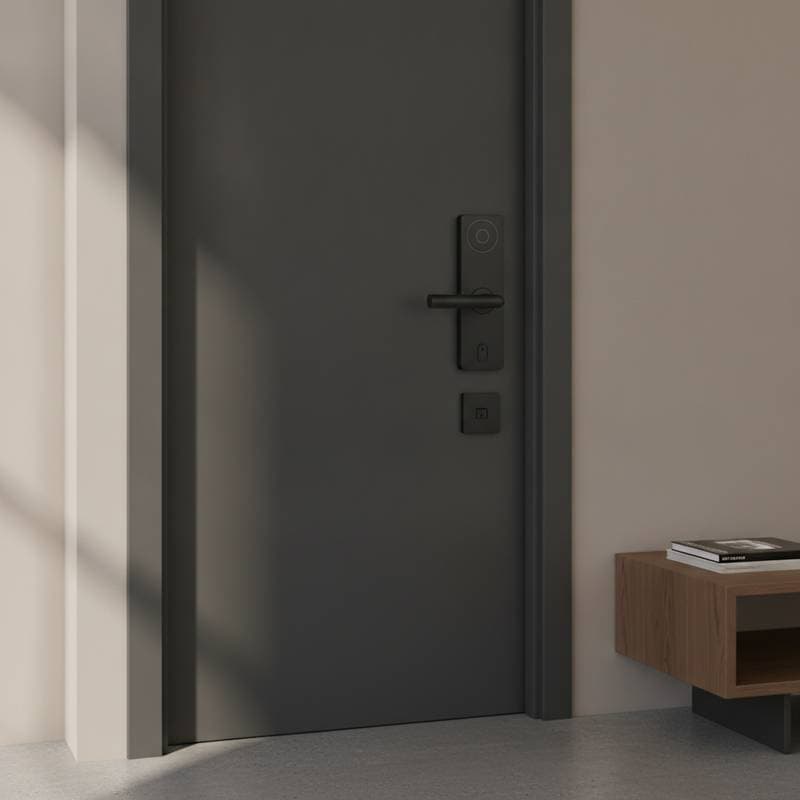
Wood forms the core of this look. Choices such as oak, ash, cedar, and bamboo suit doors, floors, and storage pieces. These integrate seamlessly with subtle fabrics, non-glossy surfaces, and understated lights. Select a subdued palette featuring beige, taupe, white, and soft gray. Subtle highlights in black or deep bronze provide definition while upholding unity.
Average Cost to Create a Japandi Entryway
A Japandi entryway design accommodates various budgets based on selections and extent. Expect overall spending from $3,000 to $9,000 for a full overhaul, covering floors, walls, doors, and furnishings. For a modest update targeting paint, lights, and accents, costs fall between $1,000 and $3,000.
| Material/Service | Cost Range | Key Features |
|---|---|---|
| Solid wood door (oak or ash) | $800 to $2,000 | Natural finish, minimal detailing, warm tone |
| Bamboo or engineered flooring | $6 to $12 per sq. ft. | Sustainable, durable, easy to clean |
| Built-in wooden bench with storage | $700 to $1,800 | Functional seating, concealed storage |
| Wall paint and finishes | $200 to $600 | Neutral matte tones, low VOC |
| Lighting fixtures | $100 to $400 each | Warm LED, simple shapes, ambient glow |
| Decorative accessories | $150 to $400 | Woven baskets, trays, organic ceramics |
What Influences Cost
Multiple elements shape the expense of a Japandi entryway. Scale stands out prominently; expansive areas demand greater quantities of materials and effort, particularly with floors or bespoke joinery. Wood variety impacts pricing too. Regional options prove economical, whereas exotic imports or unique treatments elevate figures.
Workforce charges differ by location and proficiency. An artisan focused on sleek pieces might command higher fees than a standard builder, yet superior execution often warrants the investment. Tailored benches or panels enhance utility and boost property worth over time.
Creating Balance Through Design Choices
Balance defines the Japandi entryway. Merging Nordic brightness with Japanese precision demands moderation and deliberate stacking. Begin by establishing a primary element, like a sturdy wood door or artisanal seat. Layer supporting textures and hues around it.
Illumination contributes significantly. Opt for sconces or hanging fixtures that cast gentle, warm light. Steer clear of stark or chilly tones, which jar the peaceful vibe. Introduce a compact plant, perhaps a bonsai or snake plant, to infuse vitality minus disarray.
Interior designer Maya Ito of Kyoto Interiors notes, "Japandi entryways succeed when each component appears deliberate. The area ought to foster serenity prior to entering the primary rooms." This viewpoint embodies the style: lived-in ease, free from austerity.
Storage and Layout Considerations
Clutter avoidance proves vital in Japandi design. Concealed options, including recessed cabinets or under-seat drawers, prove indispensable. Mounted hooks or slim shelves offer utility sans heaviness. Organization should flow naturally while upholding crisp lines.
For surfaces underfoot, select robust choices to withstand passage. Bamboo and composite woods excel in toughness and organic appeal. A braided mat introduces softness and delineates the threshold from neighboring zones.
When the entry links to living quarters, employ a pale divider or shallow rack to gently demarcate. Such measures sustain movement yet impose gentle order.
DIY vs. Professional Installation
Certain owners embrace direct involvement, tackling wall coatings, hook fittings, or wood resurfacing. Such changes require mere hundreds in outlay. Substantial endeavors, like floor laying or custom woodwork, generally necessitate expert aid.
Engaging specialists guarantees seamless joins, electrical compliance, and code adherence in setups. Rates range from $50 to $100 hourly for planning and fitting, varying by skill and locale. Though initial costs rise, this averts costly fixes down the line.
Long-Term Maintenance and Care
Quality-built Japandi entryways demand minimal upkeep. Dust routinely, clean mildly, and apply wood oil periodically to sustain finishes. Shun strong solvents or rough implements, which erode barriers and mute grain.
Fabrics such as mats or pads warrant weekly vacuuming and periodic laundering. Control dampness via entry mats and airflow, particularly in moist regions. Proper tending keeps the warmth and allure intact for years.
Implementing Intentional Updates
A Japandi entryway transcends mere style blending. It forges areas that function and embrace. For comprehensive renewal or gentle tweaks, prioritize premium elements, even lighting, and considered touches.
Commence modestly: swap the front door or streamline storage with a sleek bench. Incorporate diffused lights and a pale mat for cohesion. Gradually adjust until harmony emerges. Executed well, the entry establishes your home's rhythm and underscores simplicity's enduring solace.