Japandi Brass: Transforming Door Hardware in 2025
Home design trends for 2025 highlight combinations that balance timeless appeal with contemporary freshness, and Japandi style with brass accents stands out prominently. This approach merges Japanese minimalism and Scandinavian warmth to foster spaces that promote intention, equilibrium, and tranquility. The influence extends to door hardware, an often-overlooked element that can elevate the entire aesthetic.
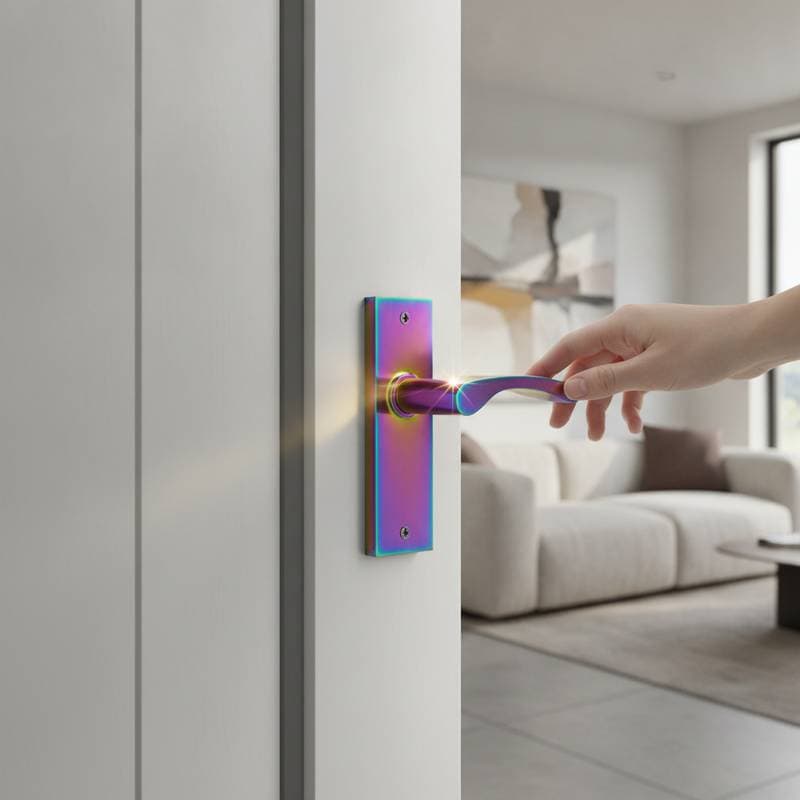
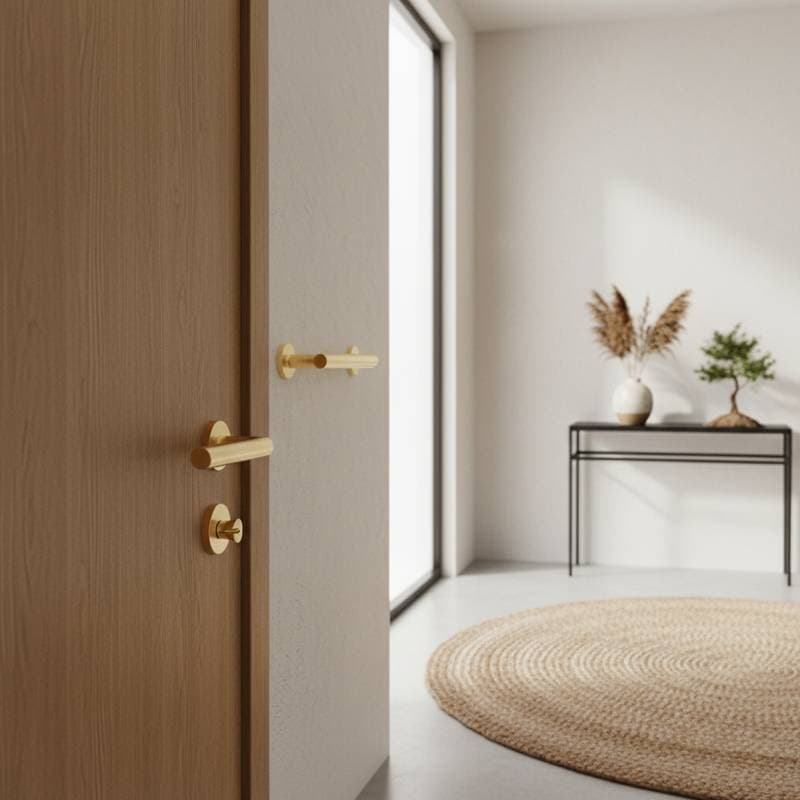
Japandi brass hardware emerges as a preferred selection for homeowners, interior designers, and builders who desire subtle sophistication. It combines streamlined forms with gentle metallic hues, providing a sophisticated alternative to conventional options such as chrome or matte black. For those considering updates to interior doors, a thorough understanding of this trend proves essential prior to selection.
This article details expenses, material choices, and implementation strategies for Japandi brass door hardware in residential settings.
Costs Associated with Japandi Brass Door Hardware Installation
Updating door hardware ranks among the simplest modifications for achieving an instant enhancement in visual appeal. Expenses fluctuate based on hardware variety, material caliber, and the need for expert labor.
| Material/Service | Cost Range | Key Features |
|---|---|---|
| Solid Brass Knobs or Levers | $60 to $180 per set | Highly durable, inherently antimicrobial, offered in brushed or satin variants |
| Brass-Plated Hardware | $25 to $70 per set | Economical option, reduced weight, moderate scratch resistance |
| Professional Installation | $75 to $150 per door | Encompasses removal, precise alignment, and latch calibration |
| Complete Door Hardware Replacement (materials + labor) | $120 to $330 per door | Incorporates knob or lever, latch, strike plate, and fastening hardware |
Typically, allocate approximately $200 per door for premium Japandi-inspired brass hardware with professional fitting. Self-installation halves this figure when pre-drilled openings align and essential tools are available.
Hardware Styles Aligned with Japandi Principles
Selecting door hardware involves amplifying the surrounding design while maintaining restraint. Japandi environments emphasize uncomplicated contours and textured surfaces.
Recommended styles encompass:
- Slim-profile levers: Feature precise lines and user-friendly ergonomics.
- Rounded knobs: Present basic shapes reminiscent of organic motifs in Japanese aesthetics.
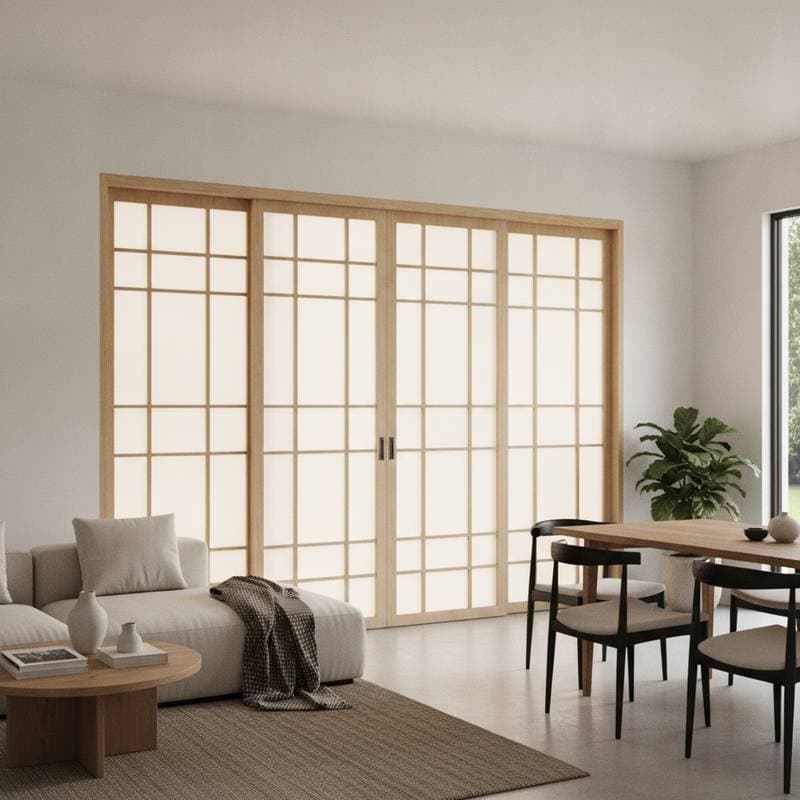
- Recessed pulls: Suit sliding doors or wardrobes, delivering a seamless, contemporary profile.
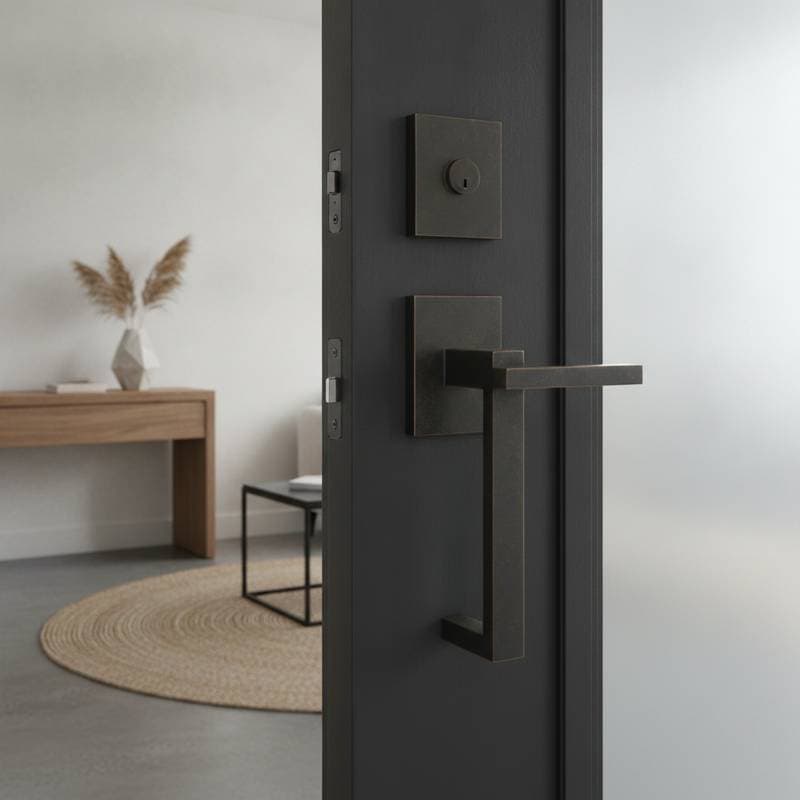
- Minimal backplates: Minimize visual distraction while safeguarding adjacent wood surfaces.
Contractor Daniel Jensen of Nordic Home Renovations observes, “You want hardware that feels like part of the door, not an accessory on top of it. In Japandi design, every detail has purpose.”
Advantages of Brass for Durability Over Alternative Finishes
Brass resists rust and tarnish inherently, rendering it suitable for moisture-prone locations such as bathrooms or utility spaces. Over time, it acquires a gentle patina that enriches its presence. In contrast to coated or painted alternatives, solid brass endures polishing and restoration without compromising strength.
| Finish Type | Lifespan | Maintenance Level | Best Use |
|---|---|---|---|
| Solid Brass | 30+ years | Low to moderate | Interior and exterior applications |
| Brass-Plated Steel | 5 to 10 years | Moderate | Cost-effective indoor settings |
| Matte Black Powder-Coated | 7 to 12 years | Low | Sleek modern interiors with minimal warmth |
| Stainless Steel | 15 to 25 years | Low | High-use zones or marine environments |
Individuals focused on enduring worth find solid brass delivers optimal integration of visual allure and functionality.
Strategies for Maintenance and Cleaning
Preserving the appearance of brass hardware demands little time, though regular attention ensures longevity.
Standard cleaning protocol:
- Clean surfaces weekly using a gentle microfiber cloth.
- For thorough maintenance, prepare a solution of warm water and mild dish soap.
- Steer clear of rough abrasives or aggressive chemicals that might erode the coating.
- To revive luster, apply brass polish sparingly and polish with care.
Numerous residents opt to allow natural aging, permitting a patina to form. This gradual toning complements the innate, earthy essence inherent to Japandi philosophy.
Expert Perspectives: Brass's Role in Contemporary Residences
Interior designer Sofia Lund from Urban Habitat Studio comments, “Minimalism is evolving. Homeowners want warmth and tactility, not sterile spaces. Brass brings that human touch without breaking from clean design principles.”
Such evolution accounts for brass hardware's integration into diverse architectural contexts, from modern builds to classic revivals. It harmonizes with timber doors, coated surfaces, and transparent panels alike. As residents seek customization beyond builder-standard elements, Japandi brass hardware furnishes a discreet, impactful refinement.
Safeguarding Brass Hardware Investments
Adopting Japandi brass hardware transcends mere aesthetics; it represents a commitment to sustained excellence and daily pleasure. To maximize durability:
- Inspect components quarterly for looseness or wear, tightening as necessary.
- Shield from direct sunlight or extreme humidity to slow patina development if undesired.
- Store spare parts in a dry location to prevent premature corrosion.
- Consult manufacturer guidelines for finish-specific care to avoid voiding warranties.
These practices ensure the hardware retains its appeal and performance for decades.
Implementing Japandi Brass in Your Home
To proceed with integration:
- Assess current door specifications, including bore sizes and handing, to match compatible hardware.
- Sample finishes in your lighting conditions to confirm harmony with existing elements.
- Engage a local specialist for custom orders if standard sizes do not fit.
- Plan phased updates, starting with high-visibility areas like entryways or bedrooms.
This methodical approach yields cohesive results, infusing spaces with Japandi's serene sophistication.