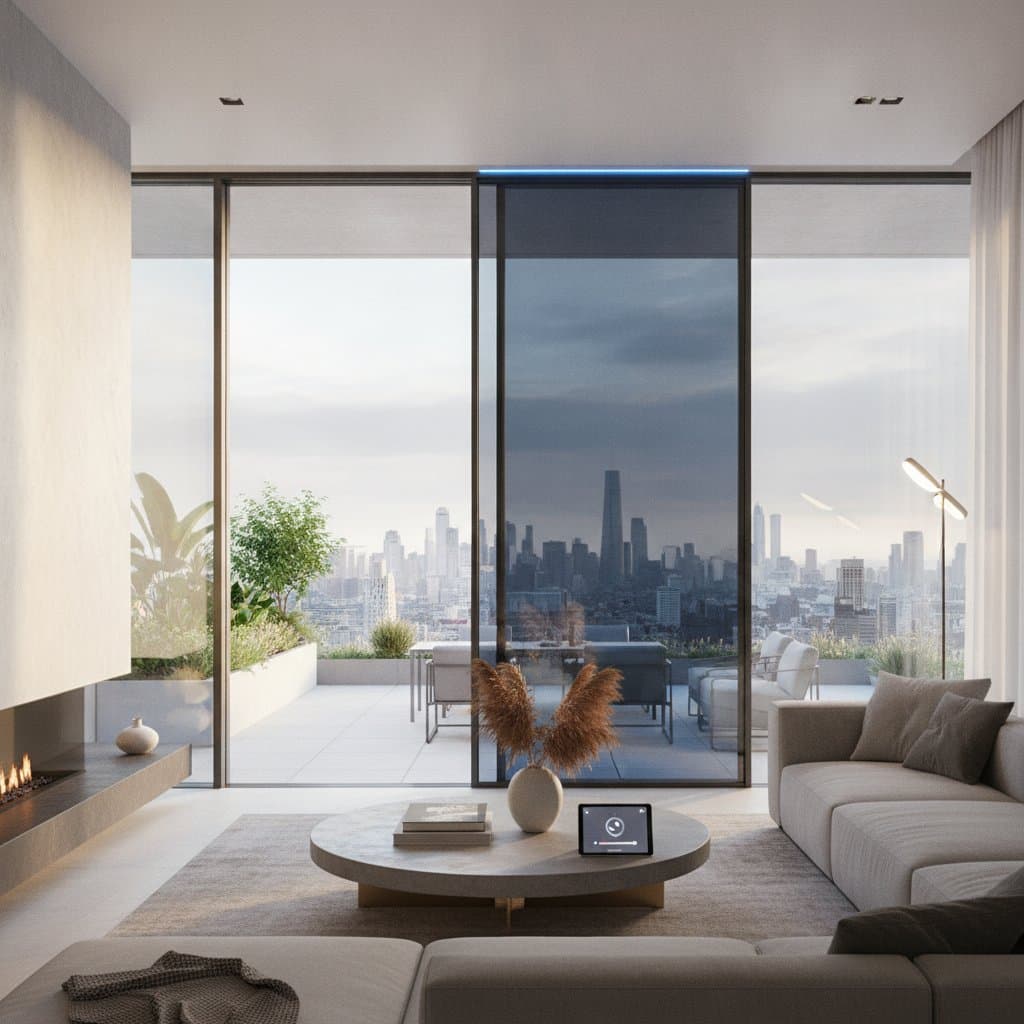
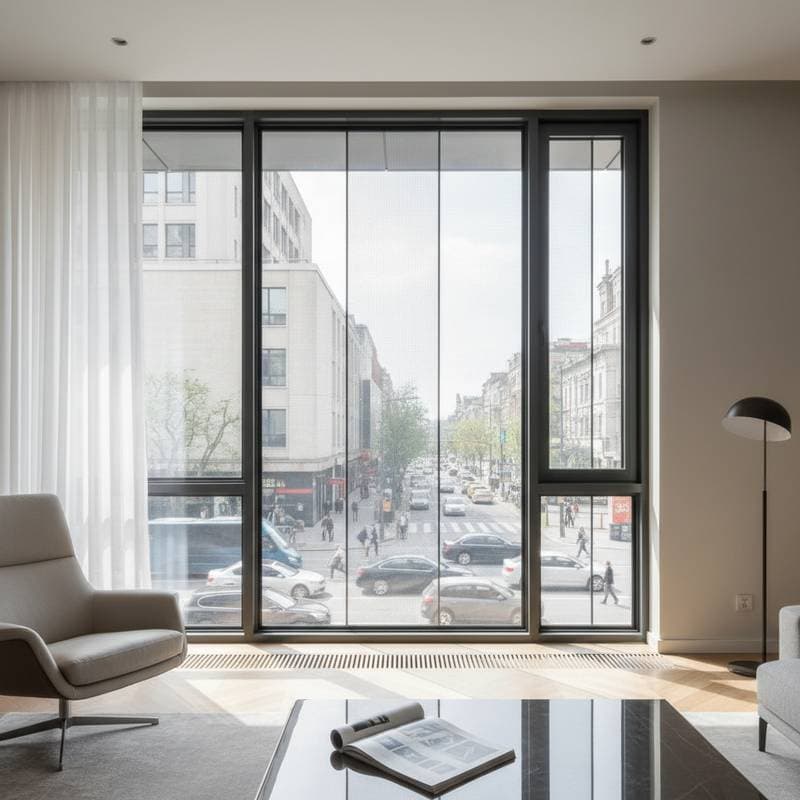
The Science Behind 2025 Windows' Superior Noise Reduction
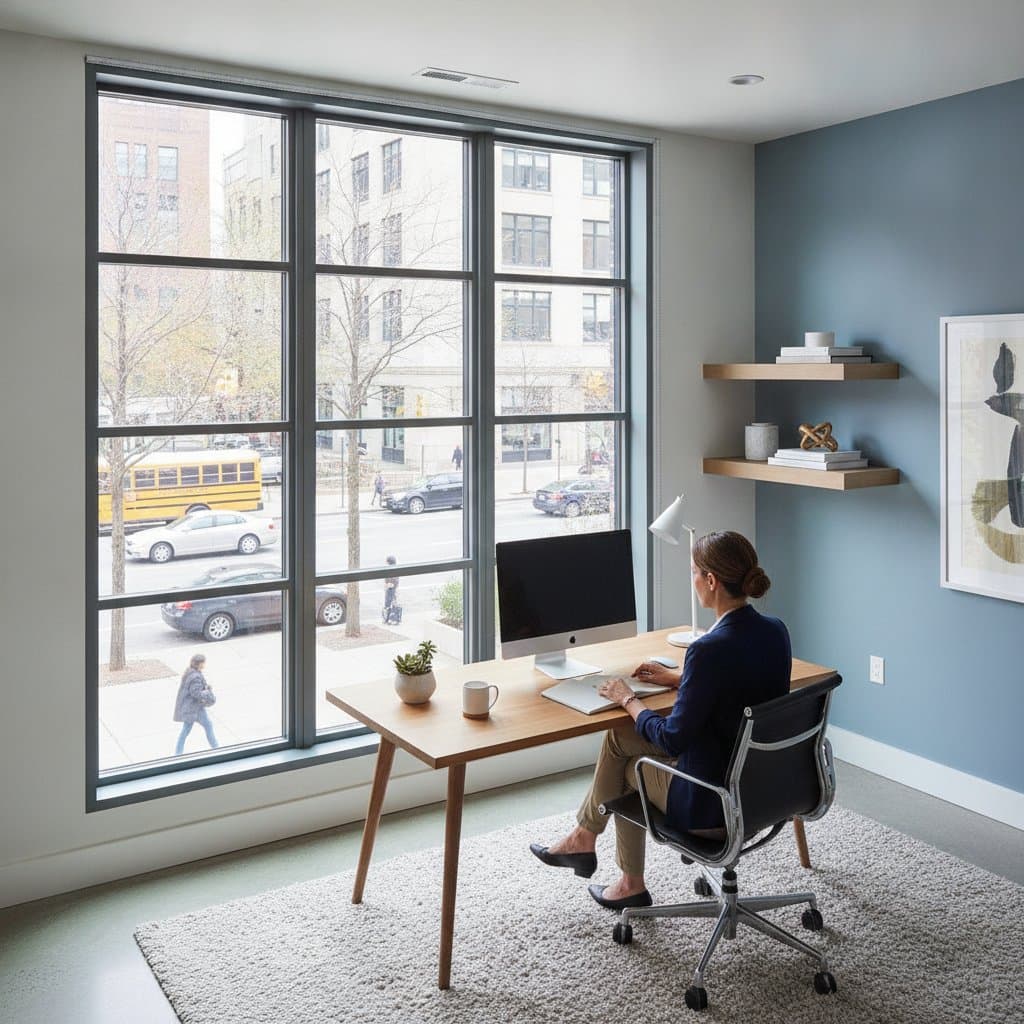
Noise pollution undermines residential comfort, with urban traffic and outdoor equipment penetrating homes and interrupting routines. The latest 2025 windows address this challenge through sophisticated acoustic engineering that combines material innovations, layered spacing, and robust frame construction. These elements enable up to 80 percent greater noise blocking than standard models, preserving natural light and visual appeal.
This advancement aligns with trends in open-plan layouts and large glass expanses, where homeowners seek visual connectivity alongside acoustic isolation. Effective designs merge sound-dampening technology with elegant forms to support both functionality and style.
Budget-Friendly Implementation Strategies
Entry-Level Option ($4,000 to $8,000)
- Select double-pane vinyl windows featuring laminated glass for noise-exposed zones like bedrooms or street-side walls.
- Limit replacements to high-impact areas to control costs, targeting rooms with the greatest sound intrusion.
- Prioritize enhanced acoustic seals and precise installation, as gaps in frames can undermine even high-quality glass performance.
Mid-Tier Option ($9,000 to $15,000)
- Choose fiberglass or composite frames for structural stability and reduced vibration transmission.
- Incorporate triple-pane configurations filled with air and argon gas, plus acoustic interlayers to absorb sound waves.
- Aim for a Sound Transmission Class (STC) rating of 40 or above, and balance larger panes for aesthetics with thicker laminated layers for noise control.
Premium Option ($16,000 to $28,000)
- Opt for aluminum-clad wood or high-grade aluminum frames with thermal breaks and full acoustic glass systems.
- Integrate laminated glass of varying thicknesses to neutralize diverse frequencies, along with inter-pane blinds for privacy without introducing sound leaks.
- These selections boost property value, lower energy use, and sustain performance over decades with routine care.
Essential Materials and Finishes
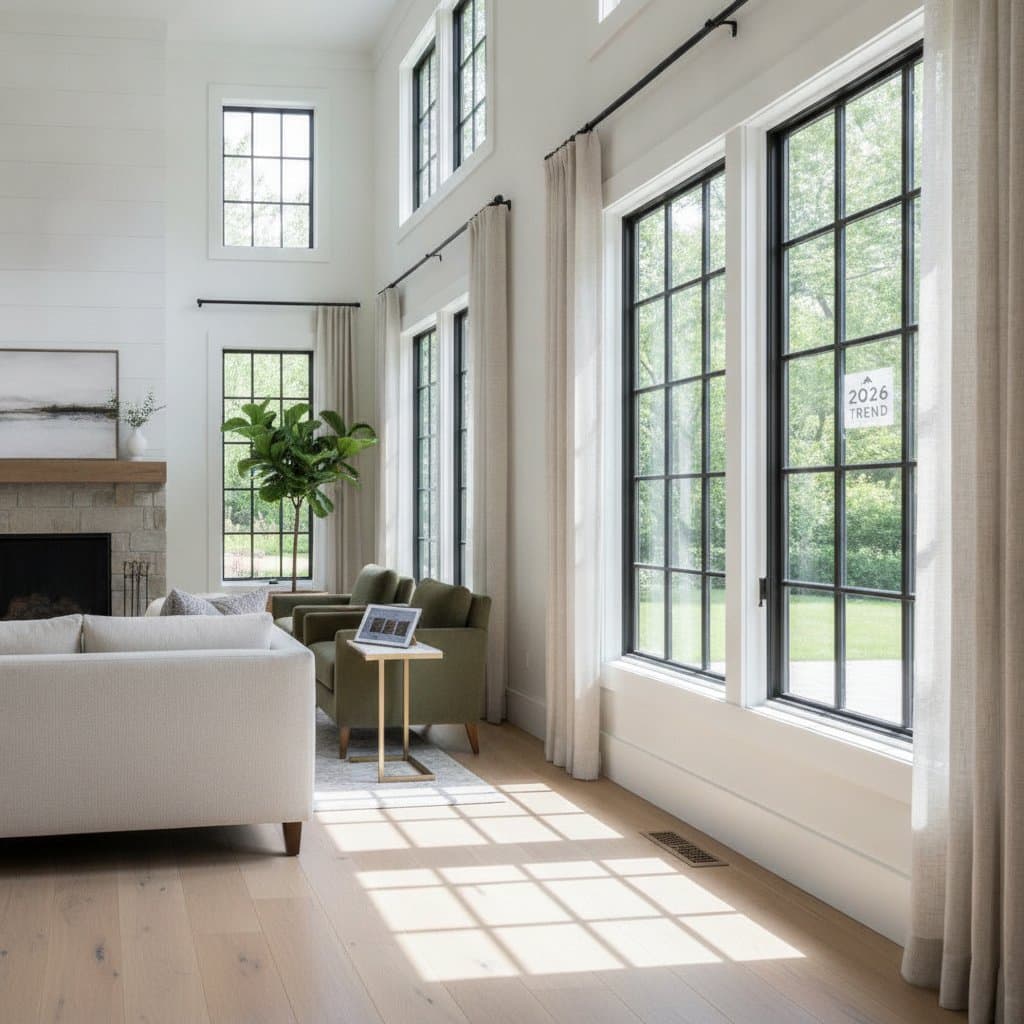
- Windows: Favor casement or tilt-and-turn mechanisms for airtight closure. Popular frame colors include dark bronze, black, or white, with wood interiors and aluminum exteriors offering interior warmth and exterior resilience. Select brushed nickel or matte black hardware for unified modern styling.
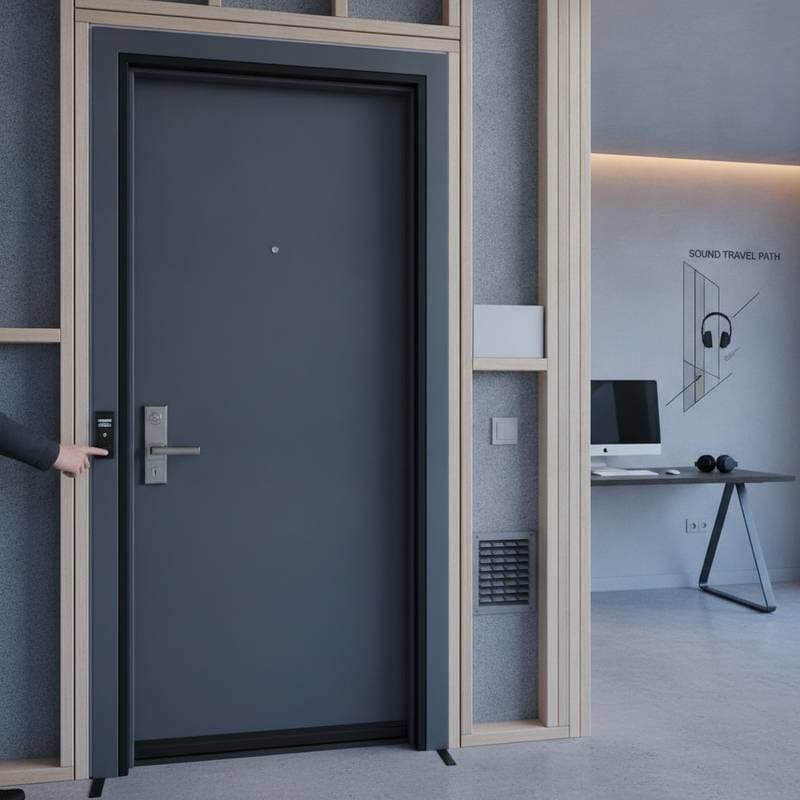
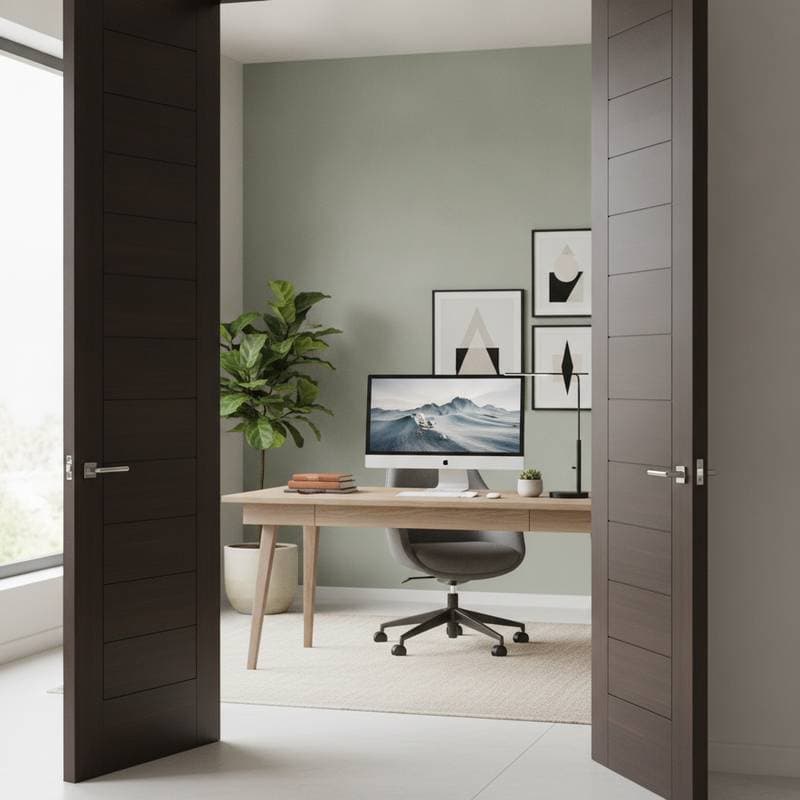
- Doors: Match acoustic ratings with sliding patio or French doors equipped with multi-point locks and laminated panels. Fiberglass models with insulated cores ensure durable, quiet access points.
- Siding: Complement windows using fiber cement, engineered wood, or insulated vinyl for inherent sound absorption. Thicker lap or board-and-batten profiles add density and visual interest.
- Trim and Details: Employ cellular PVC or composite for weather resistance and low maintenance. Scale trim to window sizes for proportion, and install metal drip edges above openings to safeguard seals discreetly.
Key Maintenance Practices
Acoustic windows maintain effectiveness through consistent upkeep. Inspect seals and joints regularly, and clean frames and tracks each season to avoid debris that hinders secure closure. Vinyl and composite resist environmental damage, while wood interiors benefit from resealing every few years.
Heavier triple-pane and laminated units demand sturdy hardware; examine hinges and locks yearly to correct any misalignment. Proper care ensures long-term acoustic integrity.
Common Pitfalls to Avoid
- Overemphasize glass while neglecting frames: Flexible or hollow constructions transmit vibrations; select rigid options instead.
- Undervalue installation: Subpar sealing negates advanced features; require full-perimeter insulation and expert caulking.
- Pursue thickness without variety: Uniform thick glass limits frequency coverage; combine layers to disrupt sound comprehensively.
Integrating Quiet Design in Modern Exteriors
Contemporary architecture emphasizes expansive glass for indoor-outdoor flow, yet this amplifies external noise. 2025 acoustic windows sustain minimalist aesthetics while insulating interiors against disturbances.
Core Benefits:
These systems allow visual openness without auditory overload, supporting serene environments in line with modern principles of spatial harmony.
Cost-Effective Modernization Paths
Entry-Level Option ($3,000 to $7,000)
- Install vinyl windows with sound-control glass in priority rooms.
- Apply dark paint or wraps to frames for contemporary contrast.
- Supplement with heavy curtains or external shutters for extra buffering in budget-constrained areas.
Mid-Tier Option ($8,000 to $14,000)
- Use fiberglass frames with slim profiles and triple-pane setups.
- Add low-E coatings for efficiency and subtle reflectivity.
- Employ uniform grids or gridless designs for streamlined appearance.
Premium Option ($15,000 to $25,000)
- Fit large aluminum-clad units with laminated acoustic glass and hidden hardware.
- Pair with coordinated glass doors for fluid patio access.
- Explore tint-adjusting smart glass to manage light while upholding insulation.
Modern Materials and Finishes
- Windows: Select charcoal, black, or warm gray frames with clear or lightly tinted glass for sharp or softened effects.
- Doors: Install multi-panel sliders with acoustic glazing and minimal profiles for unobstructed views.
- Siding: Blend smooth fiber cement with wood accents for matte-organic balance.
- Trim and Details: Use slim, siding-matched trim for seamlessness, plus integrated LED accents at entries.
Upkeep for Modern Facades
Maintain clean lines through periodic washing of glass, siding, and trim to prevent buildup. Aluminum endures without fading, though dark tones may require spot refinishing. Routine seal and track checks preserve acoustic function.
Design Errors to Sidestep
- Mix incompatible finishes: Align gloss and matte levels across elements for rhythmic cohesion.
- Ignore scale: Proportion windows to building lines to avoid disproportion.
- Forget airflow: Balance sealing with operable vents or systems to support air quality.
Harmonizing Colors and Styles
Cohesive palettes elevate acoustic installations in modern or transitional homes:
- Warm gray siding with black frames and cedar accents for subtle contrast.
- Taupe fiber cement, bronze frames, and sand trim for earthy neutrality.
- White siding, white frames, and stainless hardware for sharp monochrome.
- Charcoal panels, walnut doors, and black windows for urban depth.
- Pale blue siding, white frames, and oak doors for coastal serenity.
These schemes reinforce the refined quality of acoustic materials, echoing their calming influence.
Pre-Installation Documentation Guide
Capture your home's exterior details to inform choices on style, noise, and integration:
- Photograph elevations from various perspectives.
- Detail current windows, doors, trim, and materials in close-ups.
- Record neighborhood aesthetics and any regulatory limits.
- Note noise origins like roads or machinery.
- Assess climate factors such as humidity or solar exposure.
- Outline budget and priority zones for acoustic upgrades.
This documentation streamlines selections and contractor consultations, previewing material and color fits.
Achieving Unified Acoustic Exteriors
Advanced 2025 windows advance a holistic approach to home design, merging aesthetics, efficiency, and tranquility. They adapt to minimalist or classic styles, ensuring every element from frames to hardware contributes to intentional harmony.
Strategic budgeting yields exteriors that appear polished and perform quietly, fostering enduring comfort.