Black Aluminum Frames Surpass Vinyl for Contemporary Residences
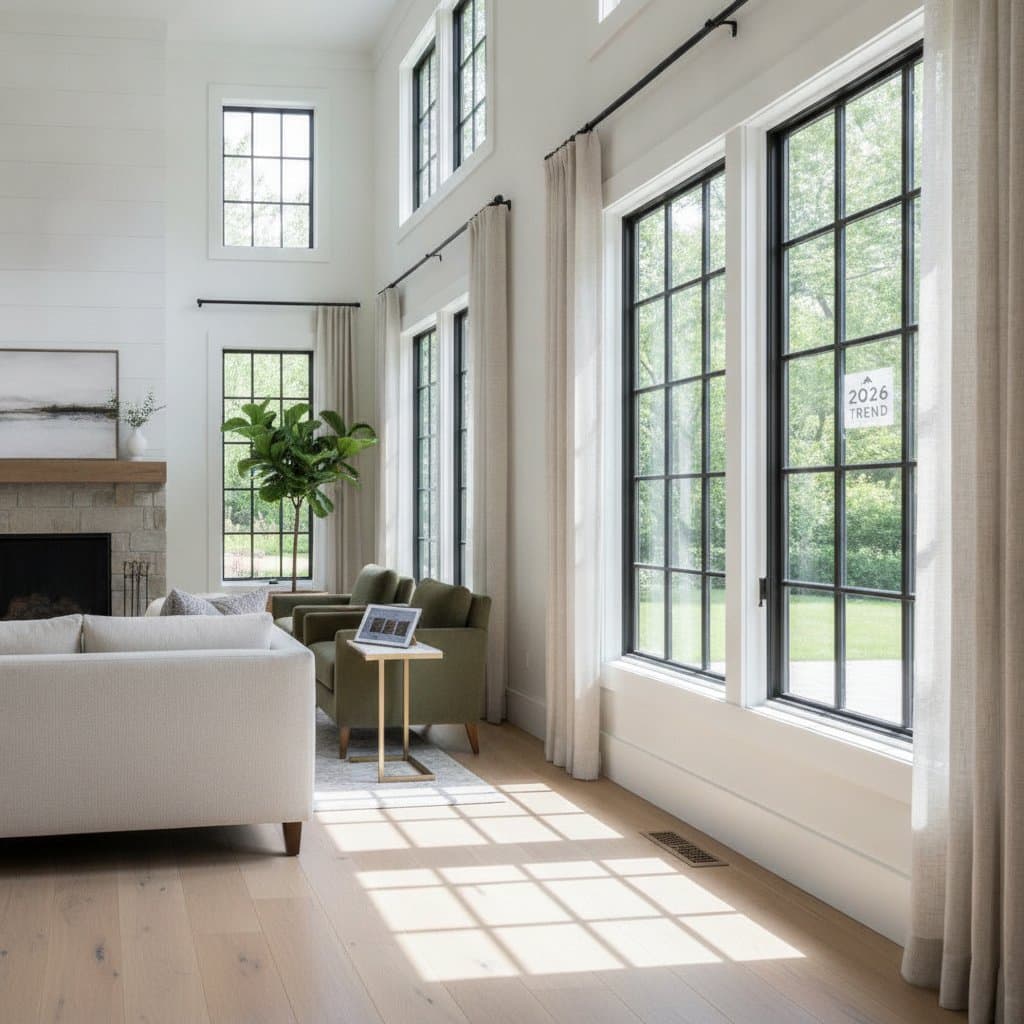
Black aluminum window frames have evolved from an architectural accent to a staple in modern home design. Homeowners favor these frames for their bold presence and superior performance. Although vinyl offers affordability, aluminum provides sleeker lines, enhanced strength, and enduring style that vinyl cannot replicate. The combination of robust metal construction and deep black finishes imparts a sense of enduring elegance to any exterior.
Strategies to Achieve the Modern Aesthetic
Budget-Conscious Option (7000 to 12000 Dollars)
Select standard black vinyl-clad windows with slim sightlines and straightforward profiles to evoke a contemporary vibe at a modest cost. Prioritize factory-applied colors over painted surfaces to minimize fading and upkeep needs. Direct enhancements toward front elevations for maximum visual effect, while retaining basic white or neutral windows in less prominent areas to manage expenses.
Balanced Investment (13000 to 20000 Dollars)
Upgrade to thermally broken aluminum frames coated in powder black. These options deliver energy savings alongside precise, architectural detailing. Integrate aluminum on prominent facades with hybrid configurations that incorporate vinyl cores for improved thermal performance. Allocate funds toward tailored mullion arrangements or extended window heights to accentuate vertical lines and geometric forms.
Premium Selection (21000 to 35000 Dollars)
Opt for complete aluminum systems equipped with advanced glazing and minimal frame widths to foster a streamlined appearance. Incorporate high-quality hardware in matte black or brushed stainless steel to unify the design. Complement with expansive sliding or pivot doors in coordinating black aluminum, fostering seamless transitions between interior and exterior spaces.
Guidance on Materials and Finishes
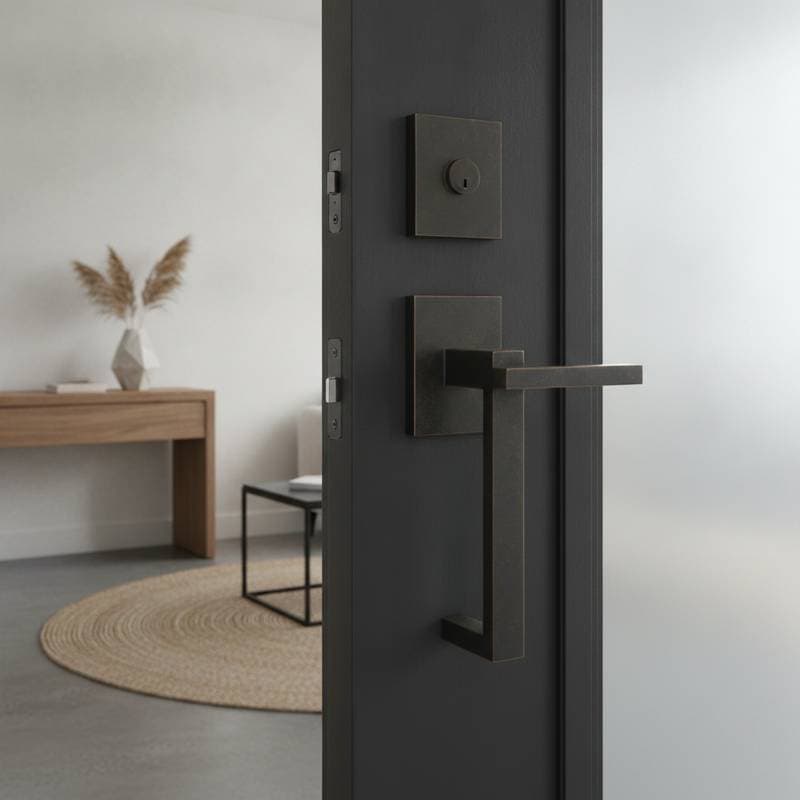
For windows, seek black powder-coated aluminum with slender frames and built-in thermal barriers. Flat or square-edged profiles suit modern structures, whereas subtle bevels fit transitional styles. Satin nickel or black hardware enhances the dark frames without overwhelming the composition.
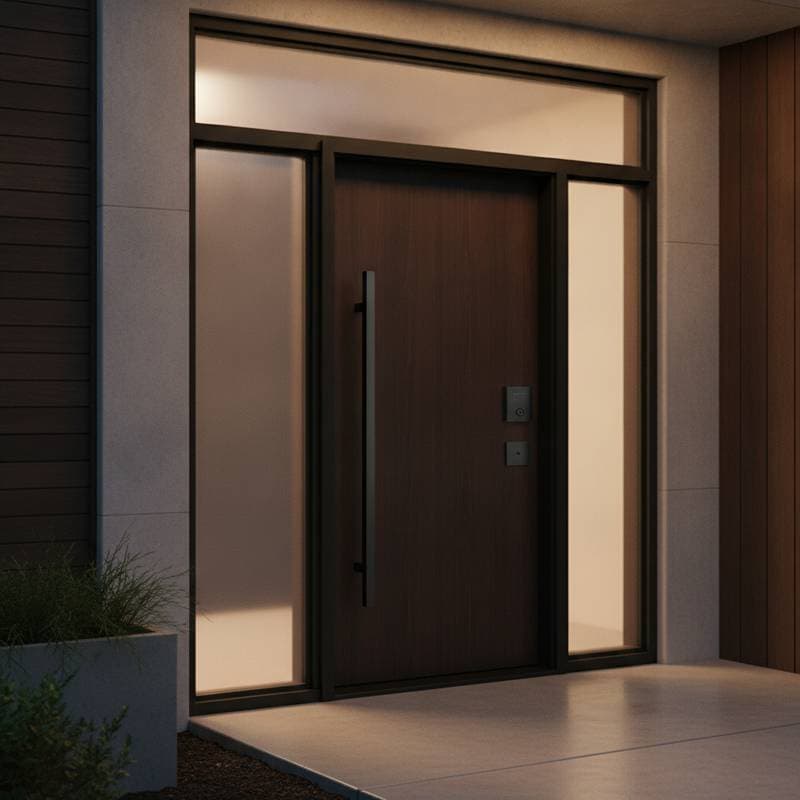
For doors, align with black aluminum or fiberglass units featuring transparent or opaque glass panels. To introduce warmth, consider aluminum finishes mimicking wood grain, blending industrial strength with organic elements.
Pair dark frames with light to medium siding tones for effective contrast. White board-and-batten panels, pale gray fiber cement, or untreated cedar siding establish equilibrium and avoid an oppressive facade.
Maintain simplicity in trim. Employ matte black metal or shadowed composite boards around openings for seamless integration. In rustic settings, incorporate wooden soffits or black metal gutters to preserve harmony.
Assessing Long-Term Maintenance
Aluminum excels in durability and structural resilience. Powder-coated surfaces withstand peeling, chipping, and ultraviolet degradation, even in harsh sunlight. Routine cleaning involves only mild soap and water, with periodic inspections of joints and condensation points to ensure extended service life.
Vinyl provides initial cost savings and insulation benefits but experiences thermal expansion and contraction. This process may compromise seals or distort frames, especially in expansive units. Darker vinyl variants absorb heat, hastening discoloration and deformation. Repainting proves challenging, and sourcing replacements for obsolete shades incurs additional expenses.
In coastal or high-humidity environments, specify aluminum with marine-grade coatings to counter corrosion and salt damage. Such treatments position aluminum as ideal for waterfront properties. Vinyl, meanwhile, risks mildew accumulation or chalky surfaces in similar conditions.
Common Pitfalls to Sidestep
- Omit thermal breaks at your peril: Standard aluminum without insulating barriers conducts heat and cold through the frame. Insist on thermal break designs to sustain comfort and efficiency.
- Resist excess black: Striking though it may be, dark frames against somber siding can weigh down the exterior. Counter with brighter base colors or organic accents like stone and timber.
- Ensure hardware uniformity: Inconsistent finishes on pulls or hinges interrupt cohesion. Align all outdoor elements, from doors to luminaires, in a single metallic hue.
- Overlook glass specifications: Expansive dark-framed windows amplify daylight but invite solar heat. Mandate low-emissivity or shaded glass to shield interiors from overheating and rays.
Harmonizing Colors and Styles
A thoughtful color scheme allows black aluminum frames to elevate the overall design. Consider these proven pairings for sustained elegance:
- Classic contrast: Smooth white stucco siding, black frames, and brushed nickel accents.
- Warm contemporary: Natural cedar exterior, black windows, and bronze fixtures.
- Subtle gray blend: Light gray fiber cement panels, black frames, and slate stone details.
- Serene coastal: Soft blue siding, black trim, and white trim boards for defined edges.
- Industrial vibe: Charcoal brick base, matte black aluminum, and sparse trim elements.
The Edge of Black Aluminum in Current Architecture
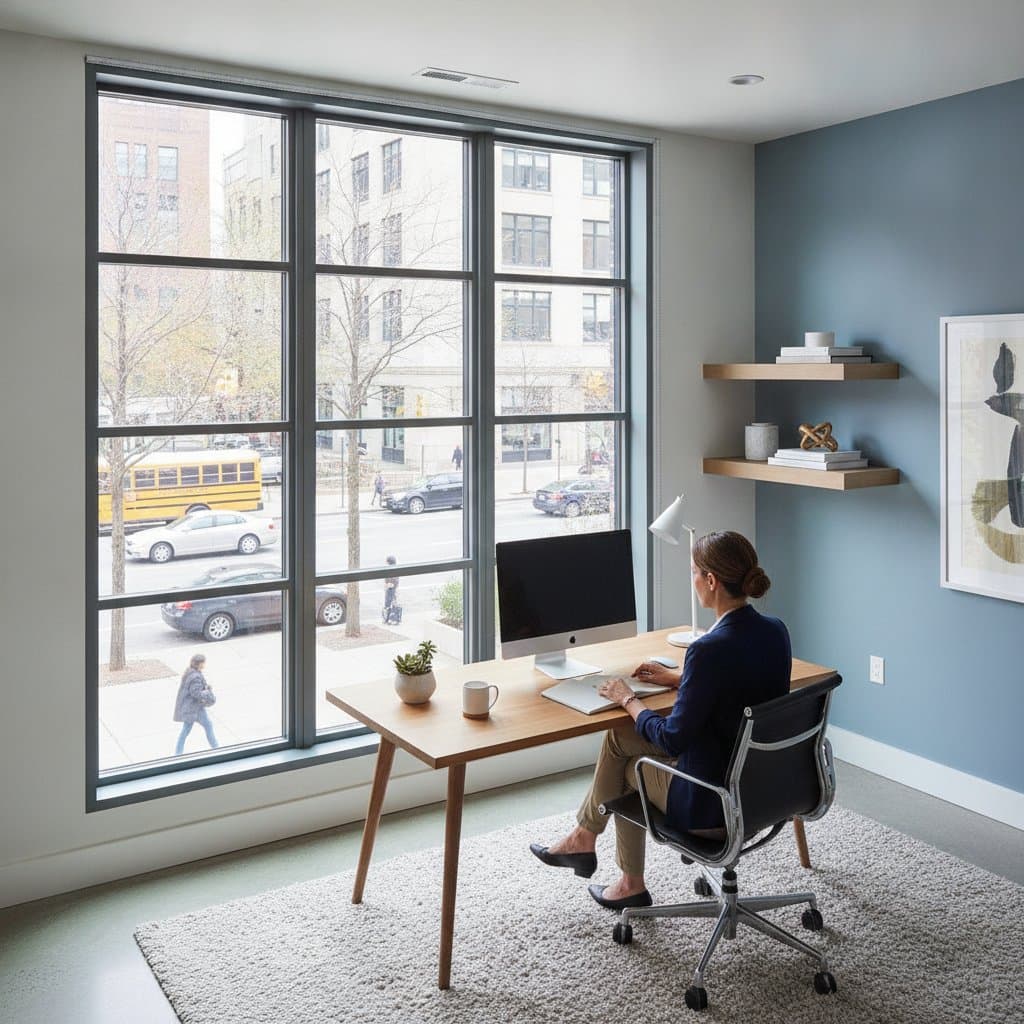
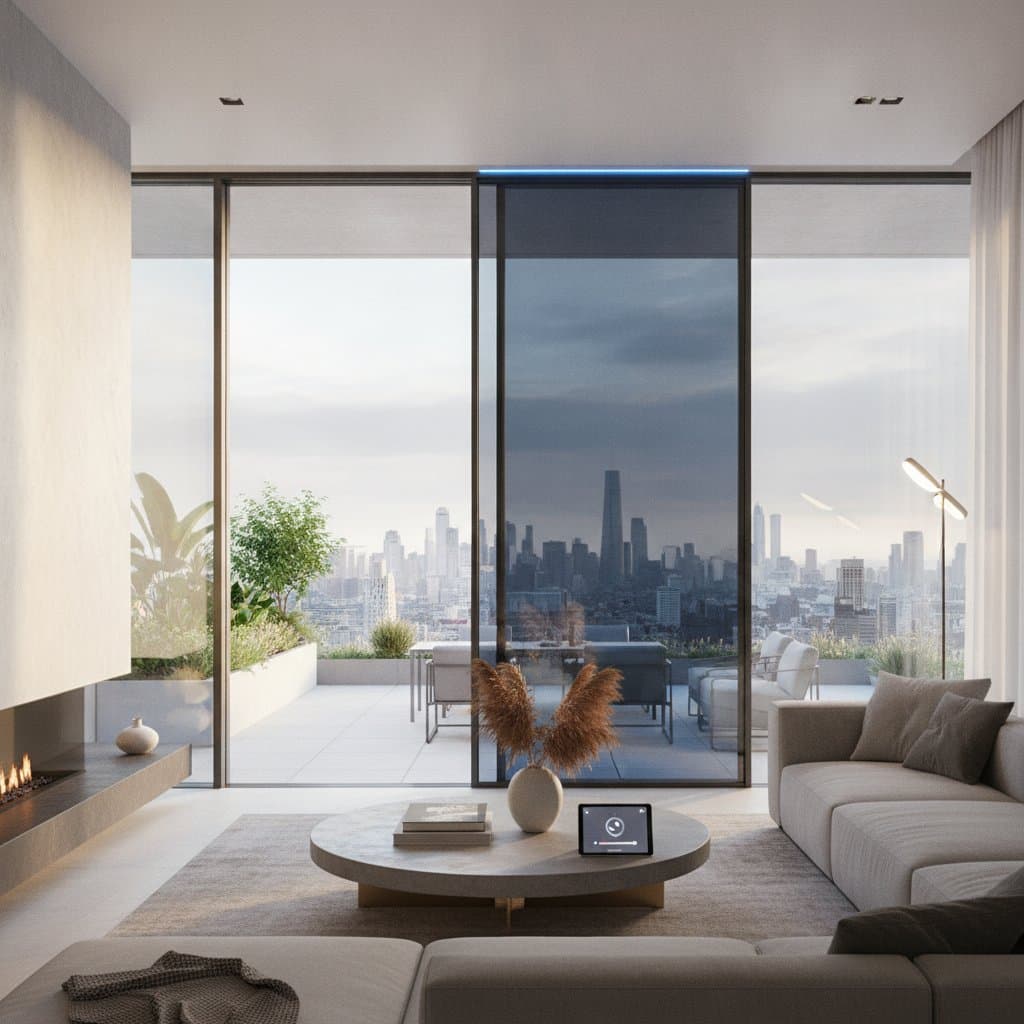
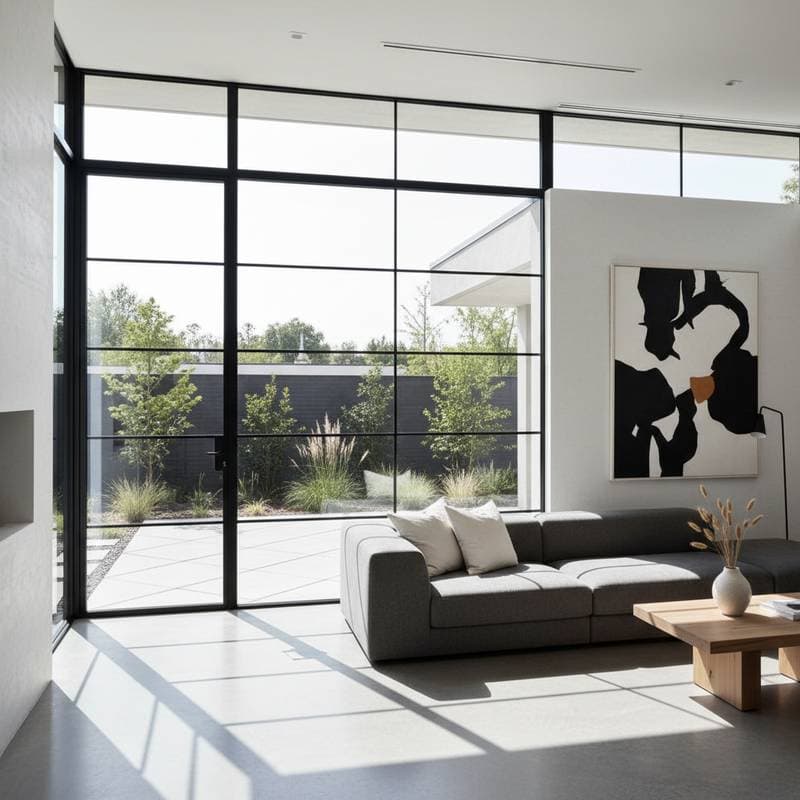
Black aluminum frames command attention through their exacting craftsmanship and balanced proportions. Slender yet sturdy, they support vast glass areas that flood interiors with light. In contrast to vinyl's need for broader profiles to achieve stability, aluminum upholds integrity in grand formats, yielding unobstructed views ideal for minimalist or mid-century aesthetics.
The matte black coating contributes to the narrative by diffusing light for a subtle, anchored presence. It integrates seamlessly with metallic modern facades or classic brickwork. This adaptability supports diverse architectural visions while retaining a fresh, forward-looking quality.
Vinyl frames, though reliable for standard applications, present a thicker silhouette. They suffice for traditional dwellings but seldom capture the polished essence of black aluminum. Those valuing sharp contours and color permanence gravitate toward aluminum as the superior selection.
Evaluating Costs and Long-Term Worth
Over the lifespan of a home, aluminum frequently demonstrates greater value than anticipated. Upfront costs exceed vinyl, yet diminished upkeep and extended durability recoup the difference. Vinyl units in dark hues may require earlier replacement due to distortion or color loss.
For gradual renovations, initiate with black aluminum on key facades. Subsequently, extend to ancillary zones or structures for uniformity. Coordinating garage doors or railings in black metal finalizes the scheme without a comprehensive overhaul.
While skilled individuals might install smaller aluminum windows independently, professional installation suits most scenarios. Accurate sealing and alignment demand expertise. A certified installer guarantees integration of thermal features and flashing with adjacent components.
Preparing Visual and Practical References
Prior to finalizing materials, compile references to inform choices. This preparation aids discussions with designers or installers:
- Capture exterior photos from varied perspectives, including detailed shots of trim and siding.
- Define your home's style and identify features to retain or update.
- Examine local surroundings or association rules on colors and materials.
- Analyze regional weather factors like moisture, temperature extremes, or winds.
- Set financial limits and target investments in visible, high-value areas.
Integrating Design and Performance
Black aluminum windows merge aesthetic refinement with reliable functionality. They define vistas with accuracy, defy degradation, and preserve vibrancy across years. When matched with suitable siding and doors, they impart a composed, elevated presence to the home. For those pursuing enduring quality, reduced effort, and design precision, aluminum surpasses vinyl in practicality and impact.