Why Terrazzo Entryways Surged 320% in 2025 Searches
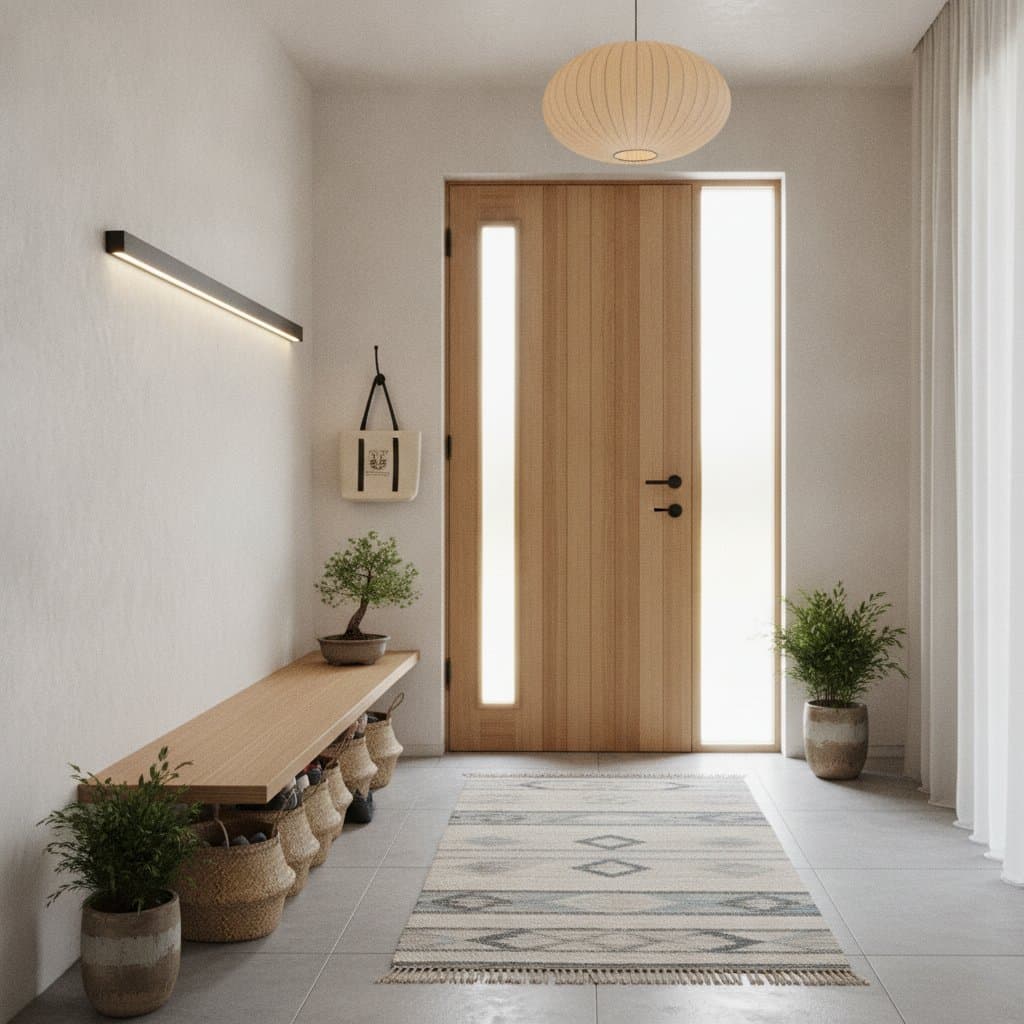
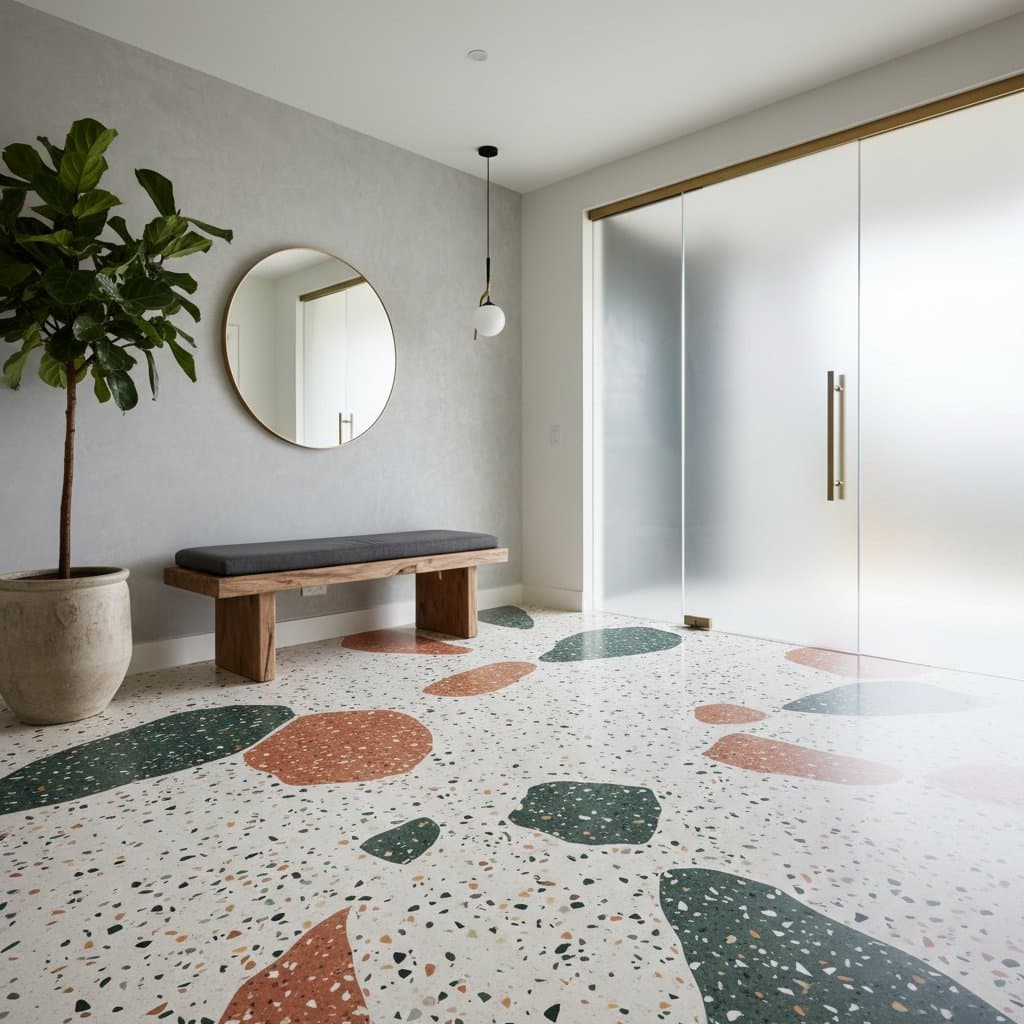
Homeowners increasingly view entryways as the defining space that influences perceptions of the entire home. Although options like traditional tile and hardwood flooring persist in popularity, terrazzo has experienced a dramatic rise, with search interest increasing by 320%. This resurgence stems from its exceptional blend of visual adaptability, robust durability, and environmentally responsible makeup, positioning terrazzo as a leading choice for contemporary entryways. The following sections explore the factors fueling this trend and provide essential guidance for potential installations.
Average Cost of Terrazzo Entryway Installation
Costs for installing a terrazzo entryway fluctuate according to material selections, design intricacy, and regional labor expenses. Typically, expenses range from $25 to $80 per square foot, encompassing both materials and labor. Projects featuring bespoke designs or elaborate color integrations often approach the upper limit of this spectrum.
| Material/Service | Cost Range | Key Features |
|---|---|---|
| Standard Cement Terrazzo | $25 to $50 per sq. ft. | Classic appearance, strong durability, moderate upkeep requirements |
| Epoxy Terrazzo | $40 to $80 per sq. ft. | Seamless surface, extensive color variety, minimal maintenance needs |
| Precast Terrazzo Tiles | $15 to $35 per sq. ft. | Reduced expense, quicker setup, constrained personalization options |
| Polishing and Finishing | $5 to $10 per sq. ft. | Improves luster, secures the surface, incorporates slip resistance |
For an entryway of average dimensions, anticipate total costs between $2,000 and $6,000, influenced by scale and customization. Incorporating custom inlays or motifs can elevate expenses by at least 20%.
Why Terrazzo Is Trending Again
The revival of terrazzo extends beyond mere sentimentality. It aligns seamlessly with modern preferences for adaptable aesthetics and sustainable practices. Designers frequently attribute its growing appeal to the material's commitment to environmental stewardship, achieved through the integration of recycled elements such as glass, marble fragments, or stone particles embedded in cement or resin binders.
Interior designer Melissa Tran from Portland Flooring Studio observes, “Homeowners want surfaces that last but also tell a story about sustainability and craftsmanship. Terrazzo does both beautifully.” She reports that inquiries for terrazzo entryways have doubled over the previous year.
Key Benefits That Drive Homeowner Interest
Several practical and stylistic attributes attract homeowners to terrazzo, accounting for its heightened demand. The subsequent list details the primary benefits.
-
Durability and Longevity
Properly sealed and maintained terrazzo endures for decades. It withstands moisture exposure and intense foot traffic, rendering it suitable for high-use entry areas. -
Low Maintenance
Daily care requires only sweeping and damp mopping. Periodic professional resealing every few years maintains its sheen and resistance to stains. -
Design Versatility
Terrazzo accommodates virtually limitless combinations of colors and aggregates. It integrates effortlessly into diverse interior themes, from understated neutrals to striking geometric layouts. -
Sustainability
Numerous terrazzo formulations utilize post-consumer recycled components, thereby diminishing waste in landfills and facilitating certifications for green construction. -
Value Addition
Although initial outlays surpass those for vinyl or ceramic alternatives, the extended service life and striking visual appeal justify the investment over time.
Factors That Influence Project Costs
Beyond material decisions, multiple elements shape the overall expenditure for a terrazzo project. Consider these aspects during budget planning.
- Subfloor Preparation: Concrete bases demand limited groundwork, whereas wooden underlayers might necessitate strengthening or moisture barriers to ensure stability.
- Design Complexity: Elaborate patterns or diverse color mixes demand additional labor hours and prolong the installation duration.
- Aggregate Type: Opting for high-end marble or glass inclusions substantially increases material fees.
- Location and Labor Rates: Metropolitan zones or areas lacking specialized terrazzo experts often incur elevated labor charges.
- Finishing and Sealants: Choices like polished surfaces, anti-slip treatments, or premium gloss sealers contribute to costs while enhancing resilience.
Contractor James Ortega of Artisan Surfaces in Chicago states, “The biggest variable is preparation. If the subfloor isn’t perfectly level, you’ll spend more on prep than on the terrazzo itself. A proper foundation ensures longevity.”
Installation Timeline and Process
Terrazzo installation demands more effort than many flooring alternatives. The procedure generally follows these stages:
- Thorough cleaning and leveling of the subfloor.
- Application of bonding agents or preparatory underlayment.
- Pouring and distributing the terrazzo mixture evenly.
- Grinding and polishing after the material cures fully.
- Application of sealants to guard against moisture and discoloration.
Projects for modest entryways span three to five days from initial preparation to completion. Extensive or tailored designs may require up to a week.
Common Challenges and Maintenance Tips
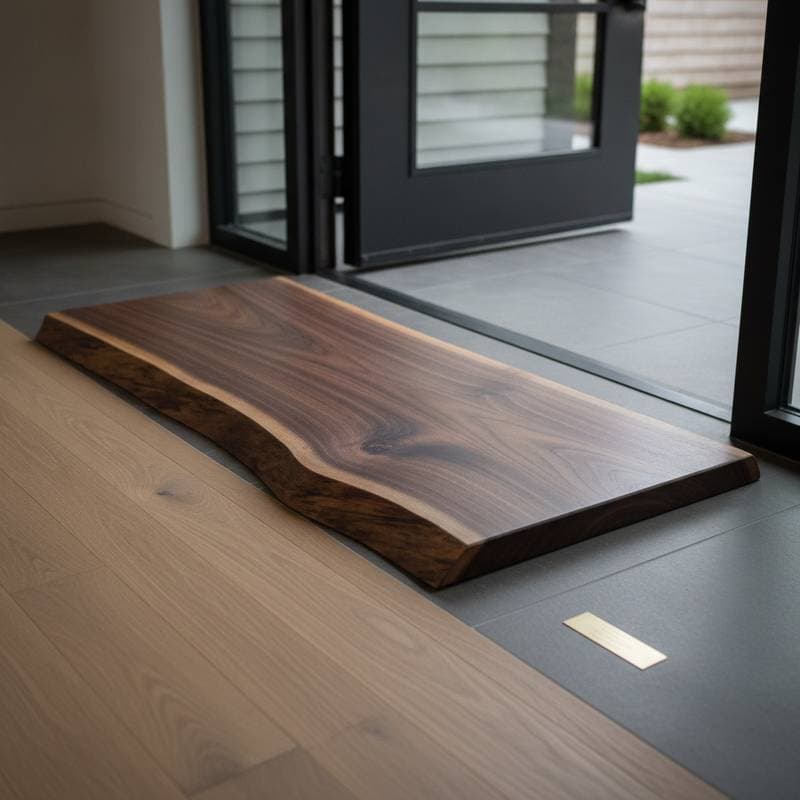
Terrazzo proves resilient, yet proactive care enhances its performance. Steer clear of acidic cleaning agents, which may erode the finish; instead, place mats near entrances to trap dirt and grit. Over years, minor fissures might develop from structural shifts, but skilled professionals can address them without necessitating a complete overhaul.
In regions prone to freeze-thaw conditions, select installers who employ flexible binders to mitigate expansion and contraction. Epoxy-based terrazzo suits indoor applications particularly well, offering superior crack resistance compared to cement varieties.
Elevating Your Entryway with Terrazzo
Selecting terrazzo for an entryway creates more than functional flooring; it establishes a welcoming focal point rich in texture, hue, and artisanal quality. Its concrete-like toughness combined with enduring elegance explains the surge in homeowner enthusiasm. By choosing terrazzo, individuals craft entry spaces that endure while reflecting personal style and environmental awareness.