Why Japandi Door Hardware Leads Design Recognition
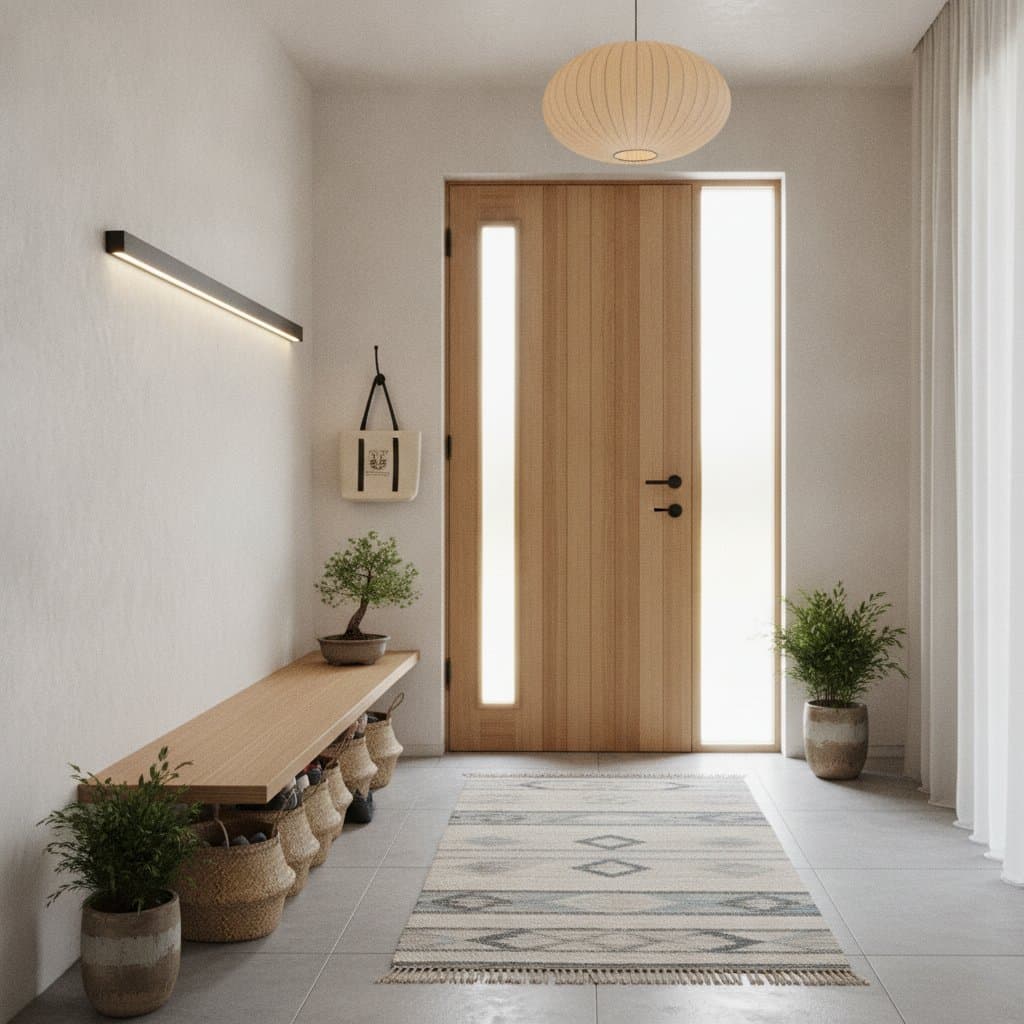
Japandi design captures widespread interest through its serene, practical, and harmonious style. This approach merges Japanese minimalism with Scandinavian coziness to produce spaces that promote tranquility and intention. Door hardware stands out as a subtle yet pivotal element in this aesthetic, unifying the overall composition with its sleek profiles, organic materials, and engaging textures.
Professionals in design and construction appreciate Japandi door handles and knobs for their refined execution and eco-conscious manufacturing. These components align with preferences for straightforwardness, genuineness, and lasting worth in home environments.
The Role of Door Hardware in Defining Interiors
Door hardware, though frequently unnoticed, significantly affects the atmosphere of a room. As one of the primary interactive features in daily routines, it impacts sensory perceptions through its heft, glide, and thermal qualities.
In Japandi settings, where serenity in sight and touch prevails, hardware bridges form and utility. An ornate, polished lever disrupts the subtlety of soft wood panels and subdued palettes, whereas a subdued brass or oxidized iron piece integrates smoothly with surrounding organic elements.
Experts in Japandi styling incorporate hardware decisions into the initial architectural planning. They evaluate form, positioning, and surface treatment from the outset to guarantee that doors, moldings, and fixtures create a unified ensemble.
Key Variations in Japandi Door Hardware
Sleek Lever Handles
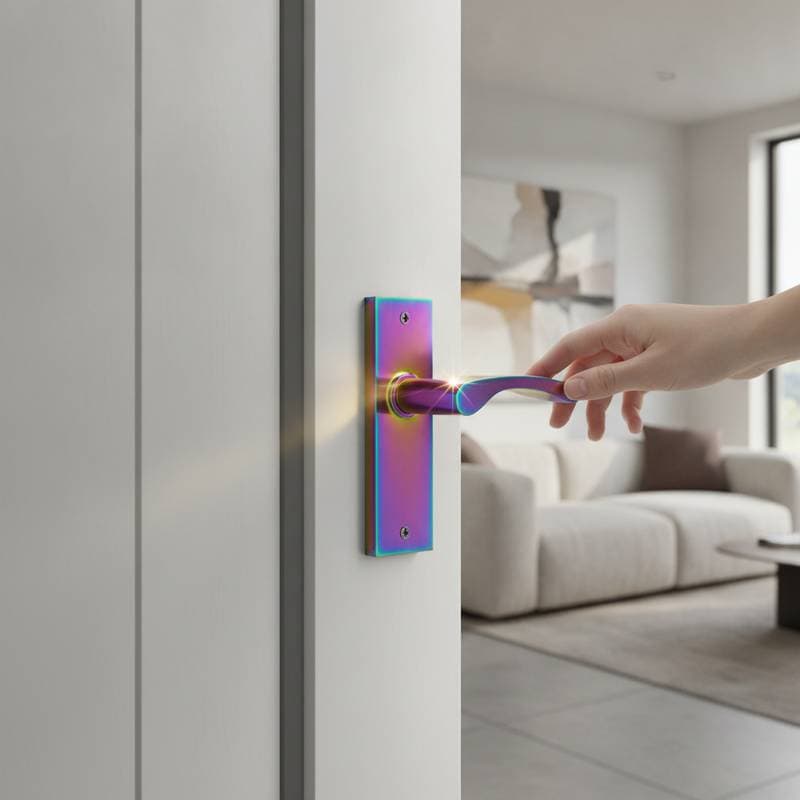
Lever handles prevail in Japandi selections for their straightforward utility. These designs emphasize fluid contours and ergonomic ease, avoiding ornate edges or embellishments. Proportions receive priority to support comfortable, intuitive operation.
Integrated Pulls for Sliding Doors
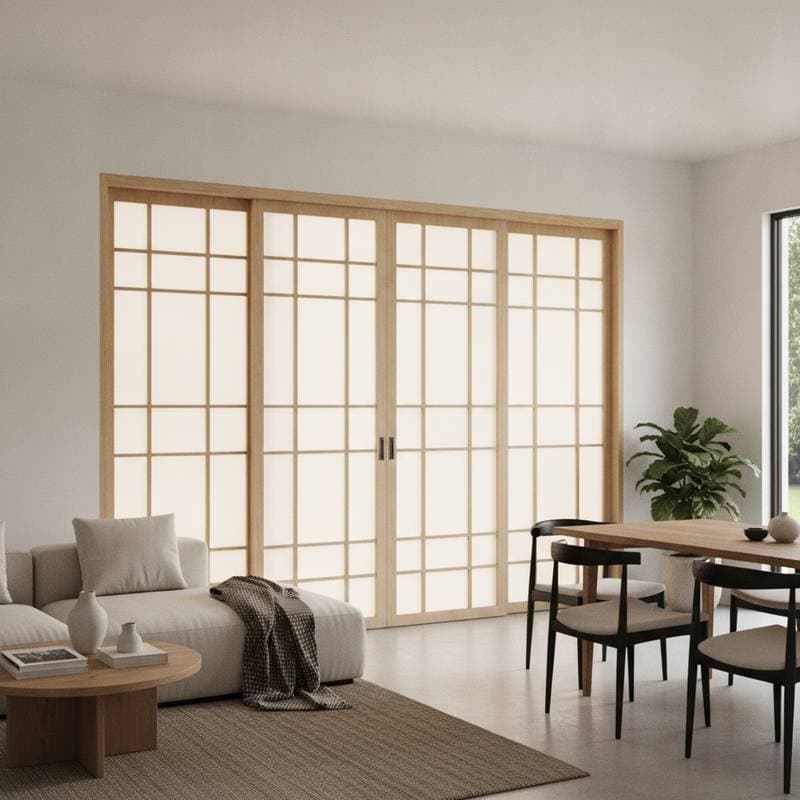
Sliding panels, reminiscent of traditional Japanese shoji screens, facilitate spatial continuity and efficiency in Japandi layouts. Associated hardware typically involves flush-mounted pulls crafted from timber or alloy, crafted to merge invisibly with the panel face.
Subtle Knobs and Flush Pulls
On cabinetry and compact doors, spherical knobs or slim edge pulls uphold the restrained vibe. These elements deliver sensory appeal while preserving the ambient composure.
Concealed Hinge and Latch Systems
Advanced Japandi options employ invisible hinges and magnetic closures for an unbroken appearance. Such mechanisms preserve the door's pristine surface, amplifying the ethos of restraint and poise.
Craftsmanship and Installation Practices
Japandi door hardware earns acclaim in design circles due to the transparency and excellence of its creation. Artisans in boutique facilities oversee every phase, from inception to completion.
Stages of Production
-
Initial Sketching: Creators analyze scale and usability, envisioning the grip's sensation and compatibility with door substrates.
-
Resource Choices: Alloys receive selection based on patina potential and luminosity interaction; timber varieties prioritize pattern uniformity and hue stability.
-
Model Testing: Prototypes undergo evaluation for grip assurance, operational accuracy, and tactile refinement.
-
Surface Treatment: Manual techniques like abrading, anointing, or aging yield the intended shading.
-
Final Inspections: Assemblies check for positional accuracy, fluid action, and resilience.
Installation Guidelines
Precision defines Japandi hardware setup, demanding meticulous gauging and interval management. Installers verify alignments repeatedly, particularly for paired entries or gliding assemblies.
For retrofits, verify alignment with door dimensions and strike plate locations. Concealed or inset types may require panel adjustments; engage specialists for complex adaptations.
Investment and Enduring Benefits
Japandi hardware commands a premium over conventional alternatives, reflecting superior fabrication and sourcing. However, its durability and refinement justify the expenditure over time.
| Category | Upfront Expense | Durability | Upkeep Needs | Ideal Application |
|---|---|---|---|---|
| Basic Fixtures | Minimal | Moderate | Regular Adjustments | Cost-Conscious Updates |
| Japandi Fixtures | Elevated | Extended | Low | Integrated High-End Spaces |
Opting for premium pieces minimizes future swaps and boosts real estate appeal. The sensory pleasure and perennial style enhance routine interactions, adding intangible worth.
Integrating Hardware with Broader Design
Harmony demands alignment of hardware with substrates, surfaces, and illumination.
-
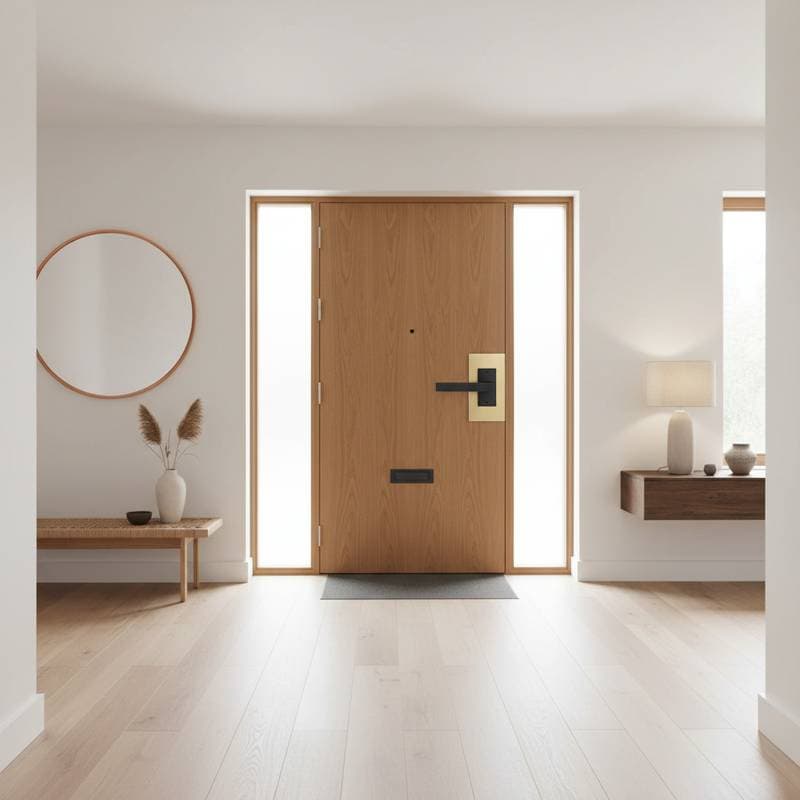
Light-toned oak or ash portals harmonize with satin brass or soft iron accents.
-
Deep walnut or tinted grains pair effectively with aged bronze patinas.
-
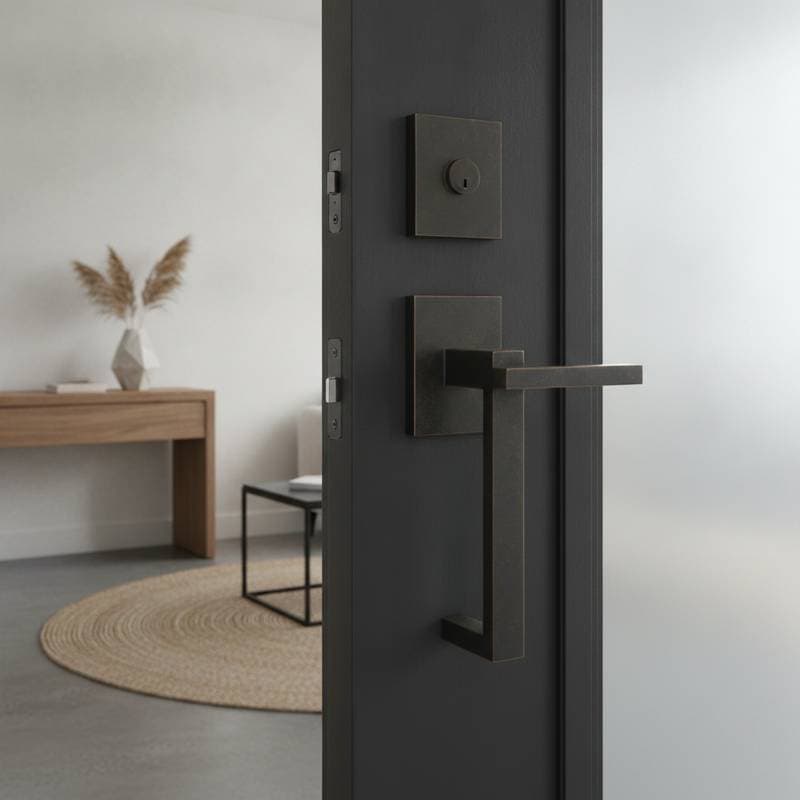
Pale or tonal lacquered surfaces gain depth from stark iron or alloy contrasts.
Illumination alters visual impact: ambient glows accentuate brass warmth, while crisp beams highlight the precision of iron and ebony tones. Aim for understated material cohesion throughout.
Selecting Optimal Hardware
Choices in Japandi door hardware should balance aesthetic aspirations with practical demands. Those favoring organic tactility may gravitate toward timber or brass variants; modernists often select matte iron or alloy for crispness.
Assess candidates with these criteria:
-
Does the grip provide assured, pleasant handling?
-
Does the patina resonate with adjacent textures?
-
Will the form endure shifting design currents?
-
Are the components sourced sustainably and built robustly?
Such evaluation guides selections that fuse visual appeal, performance, and persistence.
Installation Preparation Steps
Prior to procurement, assess portal depth and latch alignments. Ensure chosen levers or pulls accommodate without extensive alterations. Seek installer expertise for specialized minimalist integrations.
In fresh constructions or extensive overhauls, integrate hardware schematics upfront. Uniform elevations and treatments across areas sustain the serene progression of Japandi environments.
Achieving Flawless Outcomes
Post-fitting, verify operational fluidity and positional steadiness. Examine patinas for evenness across lighting conditions. Address any instability promptly to avert accelerated deterioration.
Superior Japandi hardware conveys heft, operates silently, and enhances contextual elements. When aptly selected and placed, it integrates into the home's cadence, fostering ease and stylistic accord.
Embracing Japandi Principles at Home
Beyond transient fashion, Japandi door hardware embodies a philosophy of serene environs, forthright resources, and deliberate making. It suits those pursuing equilibrium in form and utility.
Grasping substrates, methods, and care enables seamless adoption of these tenets. The outcome yields not just visual polish but sustained tactile delight and subtle grace in everyday use.