Why Homeowners Swap Sliding Doors for French Doors
Patio doors connect indoor spaces to outdoor areas, influencing daily comfort and home aesthetics. As design trends evolve, many homeowners find sliding doors outdated compared to the timeless functionality of French doors. This upgrade addresses both style preferences and practical needs, from better access to improved efficiency.
The Timeless Appeal of French Doors
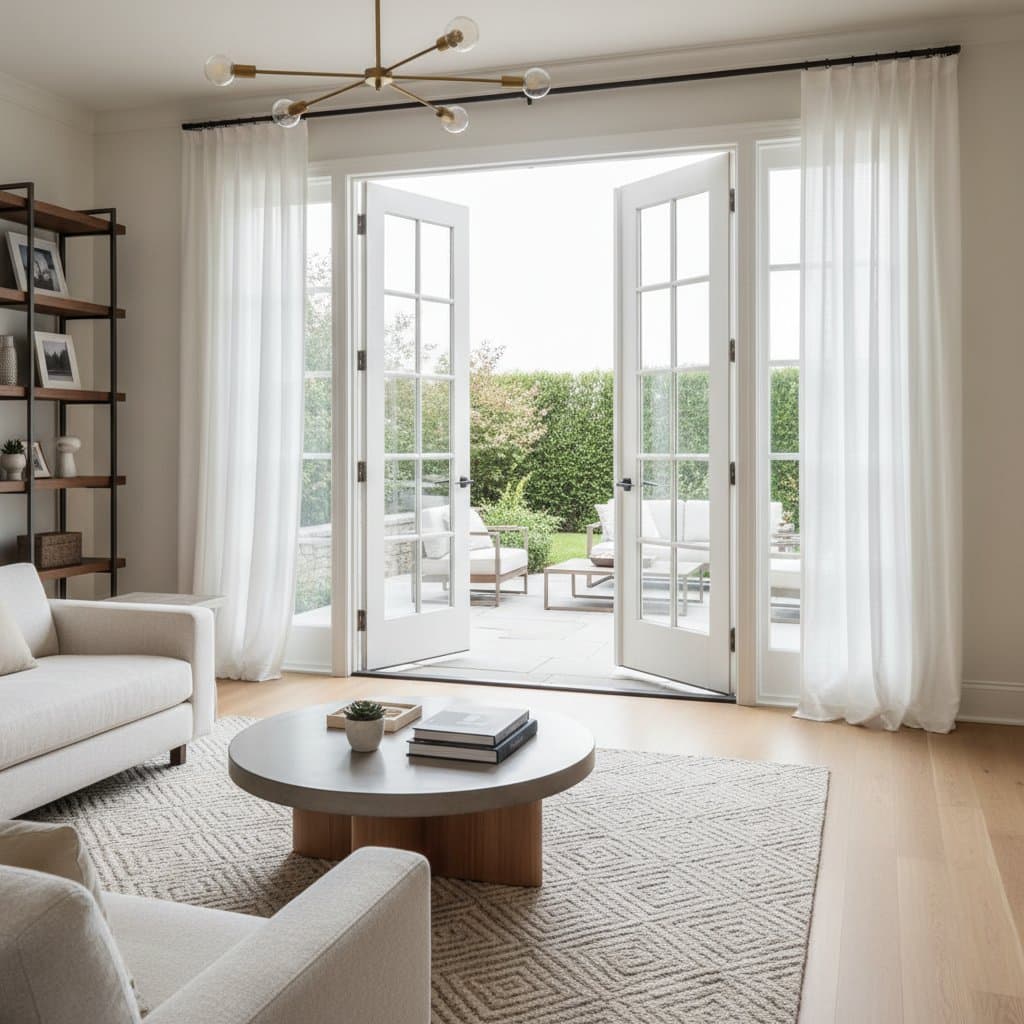
French doors feature paired glass panels on hinges that swing open, delivering a classic elegance sliding doors often lack. Their balanced design and smooth operation provide a premium feel, with solid hardware that responds intuitively to use. Beyond visuals, these doors foster a natural connection to outdoor spaces, ideal for relaxed living or social events.
When fully opened, French doors create a broad entryway that invites easy movement between rooms and patios. This setup suits families who host barbecues or enjoy al fresco dining, eliminating the partial access typical of sliders. Select models with adjustable hinges allow customization to match room flow.
Key Functional Differences in Daily Use
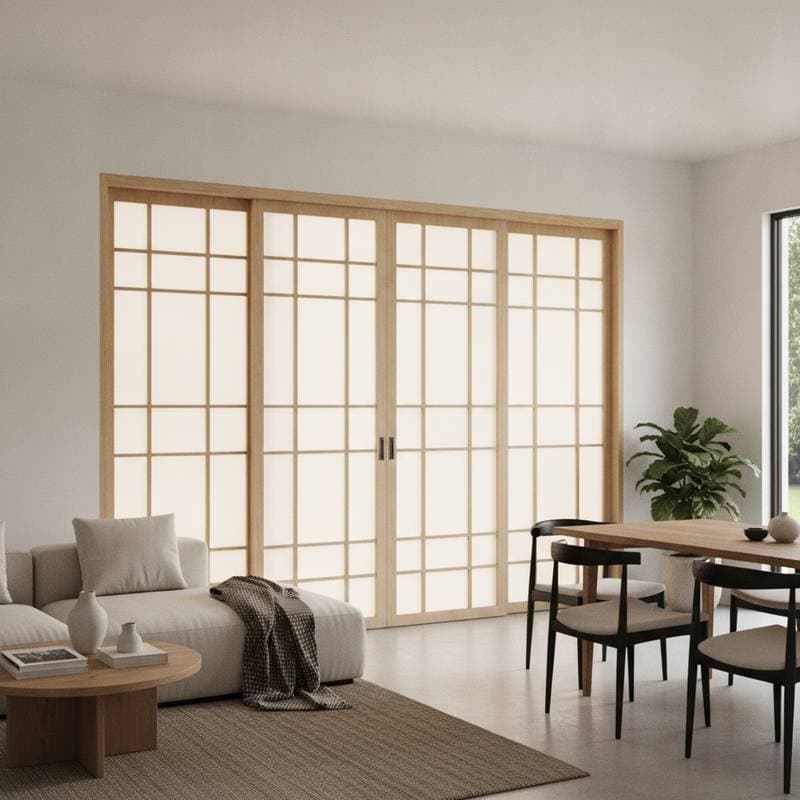
Sliding doors save floor space by gliding along a track, making them suitable for tight areas. However, only one panel usually moves, limiting the opening width to about half the total span. Tracks accumulate dust and grit over time, leading to jerky operation that frustrates users.
French doors demand swing clearance but offer complete access when both panels open. Their latch and handle system feels familiar and reliable, with options for inward or outward swing to accommodate furniture or traffic patterns. For high-use entries, this reliability reduces daily annoyances.
Selecting Materials for Durability
French doors available in wood provide natural warmth and can be finished to complement home decor, though they benefit from periodic sealing against weather exposure. Fiberglass options mimic wood's appearance while offering resistance to humidity and UV damage, requiring little beyond basic cleaning.
Vinyl frames deliver budget-friendly insulation, and aluminum adds strength for coastal climates. Compared to sliders, French doors' hinged construction spreads stress evenly, minimizing wear on components like rollers. Choose materials based on local weather and maintenance tolerance for lasting performance.
Evaluating Costs and Return on Investment
Upgrading to French doors may cost more upfront due to potential framing changes, typically ranging from materials to labor. Yet, the enhancement to curb appeal often raises home value by 2-5 percent, appealing to buyers seeking character. Energy-efficient features further offset expenses through lower utility bills.
Advanced glazing and seals in modern French doors match or surpass sliders in thermal performance. Over a decade, these savings can recoup much of the investment, especially in variable climates. Consult local real estate trends to gauge specific value added.
Design Flexibility and Aesthetic Integration
French doors adapt to various home styles, from rustic to contemporary, with customizable glass for privacy levels. Frosted panes soften views while allowing light, and sidelights expand the visual impact. This versatility turns a simple entry into a design highlight.
Matching frames to interior moldings ensures cohesion, unlike the more industrial look of sliders. For outdoor integration, pair with retractable screens to maintain airflow without insects. Such details elevate the overall living experience.
Maintenance Strategies for Longevity
Sliding doors need track vacuuming and roller lubrication every few months to avoid binding. French doors focus on hinge oiling and seal checks, with wood varieties requiring stain refresh every 3-5 years. Fiberglass and vinyl clean easily with mild soap, extending their lifespan.
Proper care prevents common issues like sagging or drafts. Schedule annual inspections to catch minor problems early, ensuring doors last 20-30 years or more. This routine upkeep preserves both function and appearance.
Boosting Energy Efficiency and Comfort
Drafts from worn slider seals can increase energy use by up to 15 percent. French doors counter this with compression weatherstripping and multi-pane glass featuring low-E coatings that reflect heat. These elements stabilize indoor temperatures year-round.
The sturdy frame reduces air infiltration, noticeable in cooler months. For optimal results, select doors rated for your climate zone. Homeowners report more comfortable patioside rooms post-upgrade, with reduced HVAC demands.
Enhancing Security and Accessibility
Basic slider latches can lift if not secured with pins or stops. French doors employ multi-point locks that engage at the top, middle, and bottom, deterring forced entry. Reinforce with deadbolts for added protection.
No track threshold simplifies passage for wheelchairs or strollers, improving safety. This accessibility benefits aging-in-place plans or family dynamics. Overall, the upgrade fosters peace of mind without compromising style.
Step-by-Step Installation Guide
Transitioning from sliders to French doors starts with precise measurements of the existing rough opening. Professionals assess if shimming or resizing is needed to fit standard 5- to 8-foot widths.
Follow these steps for a professional outcome:
- Site evaluation: Inspect the frame for levelness and structural support.
- Demolition: Remove old panels and tracks, protecting floors and walls.
- Frame preparation: Square the opening and install a new sill or jamb as required.
- Hanging the doors: Secure hinges, align panels, and test swing.
- Sealing and finishing: Apply caulk, add thresholds, and install hardware.
Hire certified installers to comply with building codes, ensuring warranties remain valid. Expect 1-2 days for most projects, minimizing disruption.
Assessing Fit for Your Home
Determine if French doors align with your needs by considering usage patterns. Frequent outdoor access favors their wide opening, while energy audits highlight efficiency gains. Test swing paths against furniture to avoid conflicts.
Budget for custom sizes if the patio layout demands it. This evaluation ensures the change enhances rather than complicates daily routines.
Sustaining the Upgrade Over Time
French doors support enduring indoor-outdoor lifestyles with repairable components. Their insulation aids eco-friendly goals by curbing energy loss. Track performance through seasonal comfort levels to confirm benefits.
Partnering with Skilled Installers
Seek contractors experienced in door retrofits, reviewing portfolios for similar conversions. Request breakdowns of costs, including contingencies for surprises like rot repair. Clear timelines and on-site updates prevent delays.
Post-install, verify alignment and seals. A well-executed project integrates seamlessly, amplifying home enjoyment.
Finalizing Your Door Upgrade
French doors combine practicality with sophistication, ideal for homeowners prioritizing flow and durability. Weigh benefits against space needs, then proceed with informed choices for a rewarding transformation.