Why Electrochromic Windows Now Cost 50% Less
Smart glass technology extends beyond high-end commercial buildings and showcase homes. Electrochromic windows, once considered futuristic and costly, have arrived at a pivotal moment. Their average cost has decreased by approximately half from early market prices, which broadens adoption in residential settings. This change involves more than reduced pricing; it includes refined production techniques, increased competition, and heightened recognition of energy efficiency advantages.
Understanding Electrochromic Windows
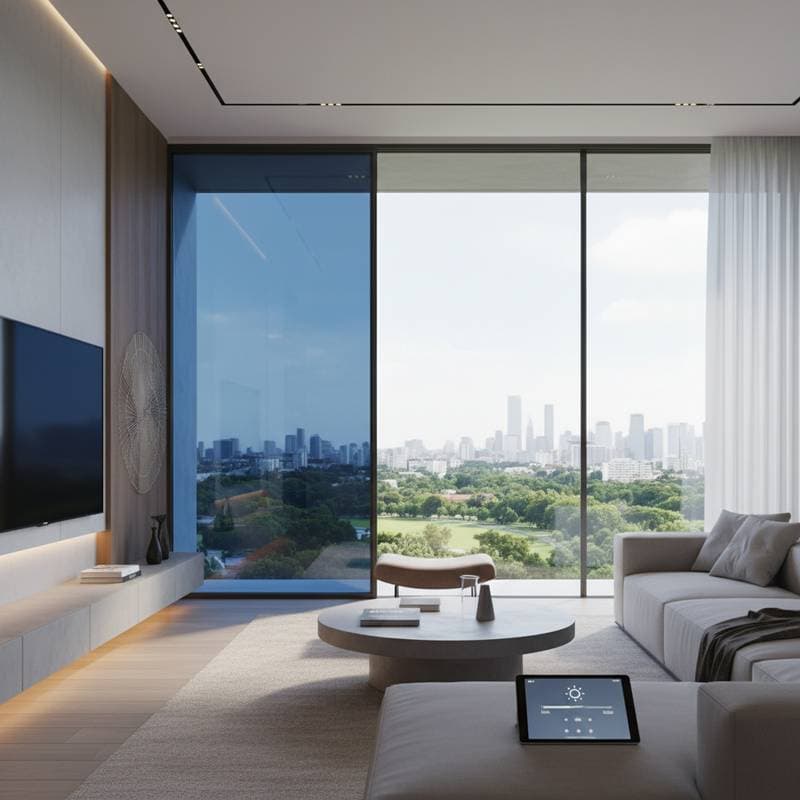
Electrochromic windows incorporate layers of specialized materials that alter light transmission upon application of a small electric current. These layers tint or clear the glass based on voltage direction, enabling precise control over glare, heat, and privacy. Homeowners gain the ability to adjust the glass itself to varying light conditions, eliminating dependence on blinds or shades.
Key elements consist of transparent conductive coatings, electrochromic layers, ion storage layers, and sealants. The technology demands precise manufacturing to achieve durability and consistent coloration across the surface. Initial versions proved expensive due to unique materials and limited production scales. As processes evolved, expenses began to fall.
Factors Behind the Price Drop
Multiple linked elements account for the substantial cost reduction.
-
Streamlined Manufacturing
Progress in thin-film deposition and coating techniques has accelerated production rates and cut material waste. Manufacturers now generate larger sheets with reliable quality, which reduces defects that once inflated expenses. -
Material Innovation
Investigations into substitute electrochromic materials have yielded compounds simpler to produce and sustain. Certain new mixtures employ more affordable metal oxides while preserving performance and color consistency. -
Market Expansion
Rising requests from builders and homeowners for energy-efficient windows have boosted production quantities significantly. Elevated volumes justify expanded facilities and automation, which decrease costs per unit. -
Improved Integration
Prior electrochromic setups needed intricate wiring and control devices. Current versions connect seamlessly with standard low-voltage wiring or wireless systems, which lessens installation effort and eases upkeep. -
Competitive Landscape
Numerous producers now supply electrochromic glass for commercial and residential applications. Rivalry fosters innovation and cost optimization, rendering the technology more attainable.
Comparing Cost and Value
Even with sharp price declines, homeowners evaluate electrochromic windows relative to conventional options like blinds, tinted glass, or low-emissivity coatings. Value hinges on energy efficiency, comfort levels, and upkeep demands.
| Option | Initial Cost | Lifespan | Maintenance | Best For |
|---|---|---|---|---|
| Electrochromic Windows | Medium to High | 20+ years | Minimal | Homes seeking dynamic light control and energy savings |
| Low-E Glass | Medium | 20+ years | Minimal | Energy-conscious homeowners with fixed performance needs |
| Tinted Glass | Low | 15-20 years | Minimal | Budget projects needing basic glare control |
| Standard Glass with Blinds | Low | 10-15 years | Moderate | Spaces needing manual light management |
Electrochromic windows carry a higher initial expense than basic glass, yet they curb energy consumption by restricting solar heat gain in summer and permitting passive warmth in winter. They also remove the necessity for separate shading devices, which streamlines interior layouts.
Lifecycle and Maintenance Considerations
The enduring worth of electrochromic windows surpasses mere energy reductions. Upkeep remains low because the tinting system resides sealed within the glass unit. Cleaning mirrors that of ordinary windows, and designs support decades of dependable operation under normal use.
Homeowners must review warranty details for protection against discoloration or electronic issues. Replacement of an individual pane outside warranty can prove costly, so select skilled installers and trusted providers. Certain systems allow service via electronic recalibration should tint response diminish over time. Professionals, often the original installer or manufacturer affiliate, perform this task.
Integration with Smart Home Systems
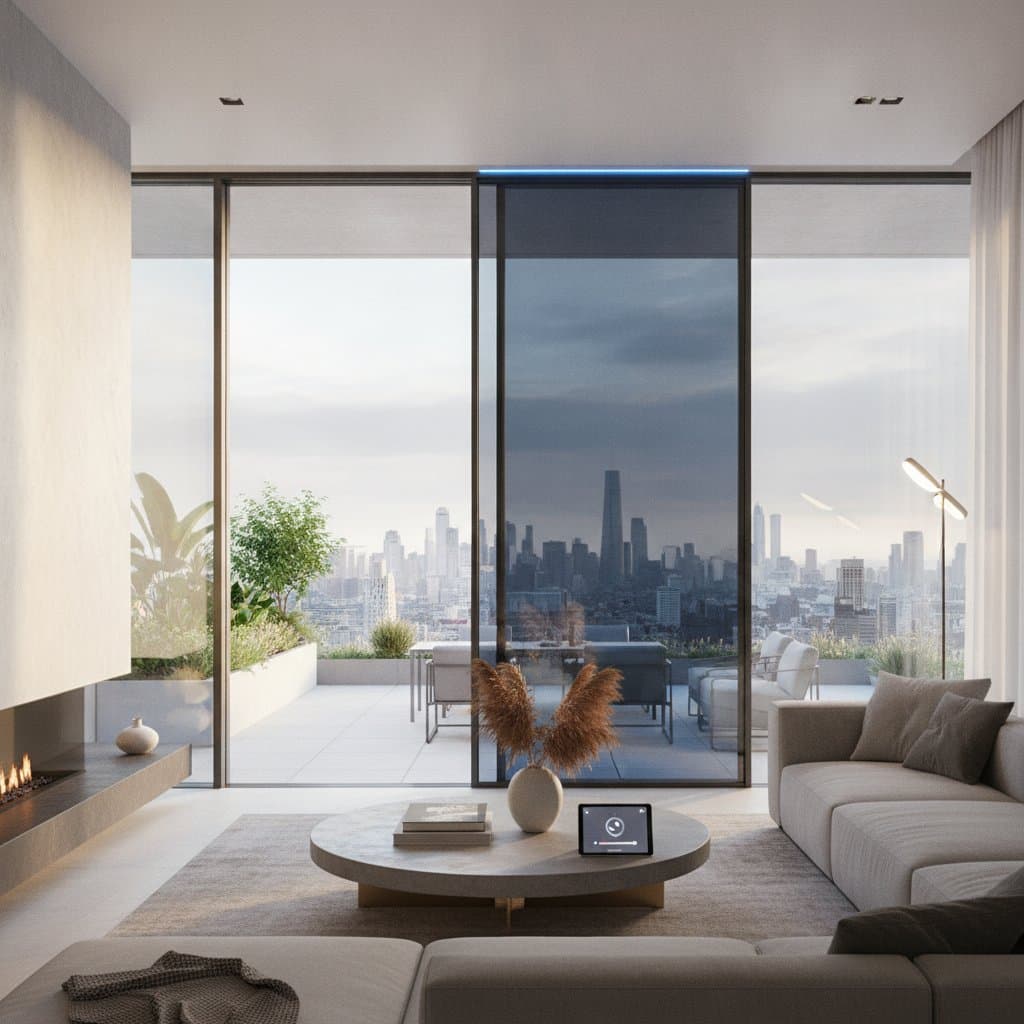
Contemporary electrochromic windows link with automation platforms, sensors, and mobile applications. Light sensors automate tint adjustments according to illumination or temperature. Such connectivity boosts comfort and sustains peak energy output.
For those prioritizing sustainability, smart glass pairs effectively with solar setups and sophisticated HVAC management. Darkened windows lessen heat influx, which reduces cooling system runtime and elevates total efficiency.
Installation Process and Quality Assurance
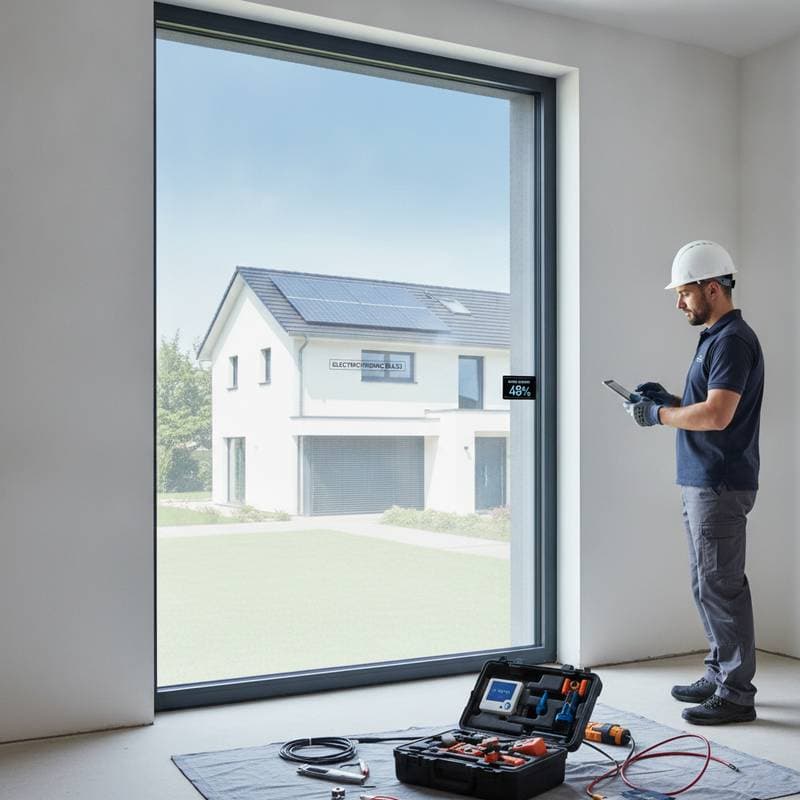
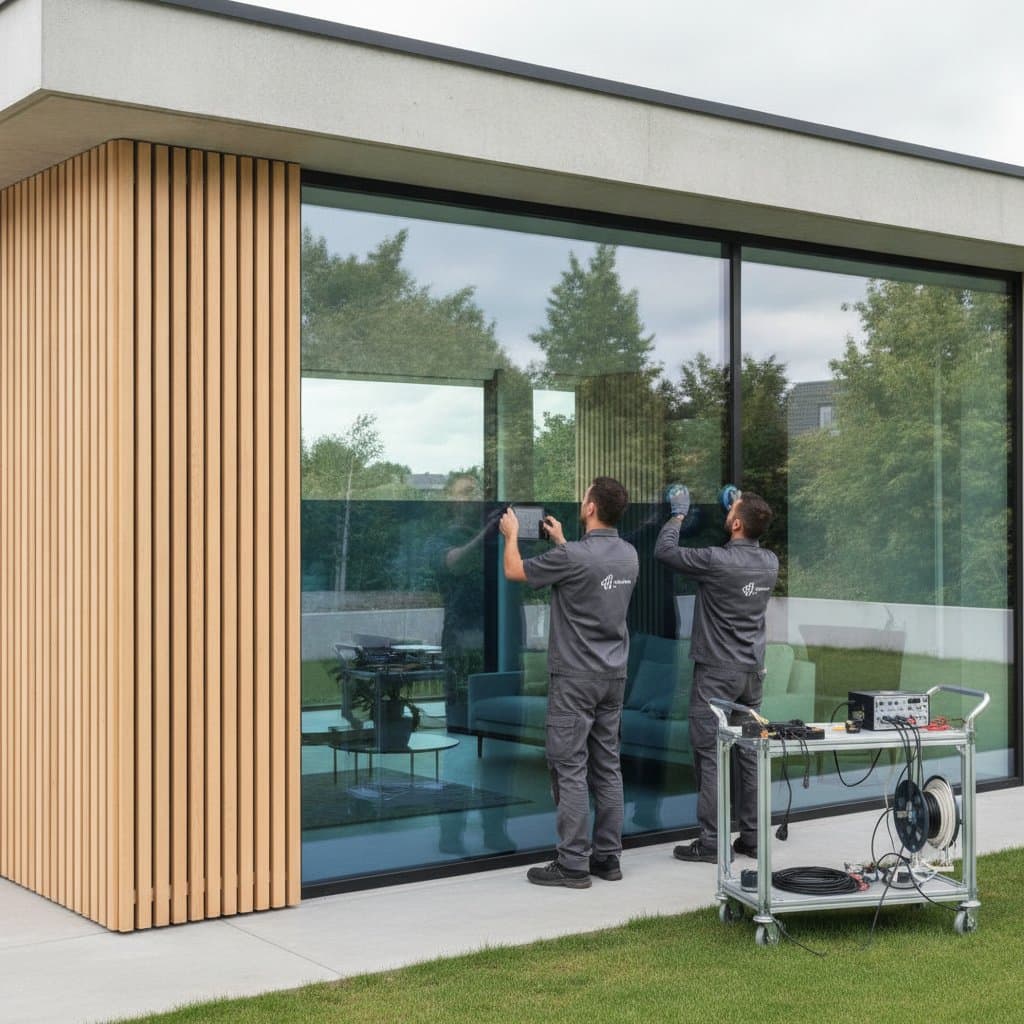
The installation of electrochromic windows parallels standard replacements, with emphasis on wiring and controls.
-
Planning and Evaluation
Assess room orientation, sunlight patterns, and privacy requirements. South- and west-facing areas derive maximum advantage from smart glass. -
Preparation Steps
Electrical assessment proves crucial. Installers confirm access to power sources and wiring routes, ensuring safety. Low-voltage systems typically integrate without extensive electrical modifications. -
Main Implementation
Fit glass panels into frames, then attach to control or power units. Technicians verify tint shifts prior to final sealing. -
Quality Assurance
Confirm uniform coloration, rapid response, and control efficacy. Homeowners witness multiple cycles to validate seamless function before completion. -
Completion and Follow-Up
Provide guidance on interface or app usage post-installation. Periodic inspections every few months detect issues promptly.
Energy and Lifestyle Benefits
Electrochromic windows transform indoor experiences beyond technical and financial aspects. Manage daylight while preserving external vistas. Spaces stay illuminated yet glare-free, which suits screen use and dispenses with bulky drapery.
Studies on energy modeling reveal notable drops in cooling demands, particularly in sunny climates. In cooler areas, increased solar admission aids passive heating. These elements yield reduced utility expenses and enhanced comfort.
From a daily living standpoint, the silent function and gradual shifts of electrochromic glass promote tranquility and visual appeal. Maintain open, streamlined interiors free from obstructive coverings.
Choosing What Works Best
Homeowners contemplating electrochromic windows balance immediate and extended considerations.
- Budget and Payback: Weigh project totals against anticipated energy reductions.
- Climate Conditions: Gauge solar control relevance to local weather.
- Building Orientation: Target areas with intense sunlight.
- Integration Goals: Determine smart home alignment importance.
- Aesthetic Preferences: Select tint shades and speeds suited to personal taste.
The price reduction enhances appeal, though it qualifies as a premium choice. Optimal outcomes arise from aligning expenses with comfort, energy objectives, and design aims.
Maximizing Long-Term Value
To secure the full potential of electrochromic windows, focus on professional selection and ongoing care. Pair installations with energy audits to quantify savings accurately. Explore incentives for energy-efficient upgrades available in many regions. These steps ensure the technology delivers sustained performance and lifestyle enhancements.