Why Casement Windows Outperform Double-Hung Options in 2025
Homeowners seek window styles that blend aesthetics, functionality, and enduring value. Casement windows emerge as a superior alternative to traditional double-hung models. Advanced engineering, secure sealing, and adaptable designs position casement windows as ideal for new constructions and replacement projects. This preference stems from their technical advantages and alignment with modern living requirements.
Core Differences Between Casement and Double-Hung Windows
Casement windows hinge on the side and swing outward via a crank or lever mechanism. This action produces a complete opening for optimal airflow. In contrast, double-hung windows consist of two sashes that slide up and down in the frame, permitting ventilation through partial top or bottom sections. While both serve basic purposes, casement windows deliver measurable superiorities in practical applications.
Superior Energy Efficiency and Thermal Performance
Casement windows surpass double-hung varieties in energy conservation. The integrated locking system draws the sash firmly against the frame, forming a robust airtight barrier that prevents drafts and reduces air leakage. Such sealing maintains stable indoor temperatures, which lowers expenses for heating and cooling systems. Double-hung windows, reliant on sliding sashes, develop minor gaps over time that permit unwanted air exchange.
Frame materials significantly impact overall insulation. Vinyl and fiberglass casements offer excellent thermal resistance with minimal upkeep. Wood frames provide classic charm yet demand routine protection against moisture to sustain integrity. Individuals focused on reducing utility bills discover that casement windows represent a wise investment, particularly in regions with severe weather variations. For instance, pairing casement designs with double-pane glass can achieve U-values as low as 0.25, far better than many double-hung configurations.
Enhanced Ventilation and Indoor Comfort
Effective ventilation elevates casement windows above double-hung counterparts. The outward-opening sash angles to harness prevailing winds, channeling fresh air directly indoors. This capability proves invaluable in spaces like kitchens or living rooms, where cross-breezes regulate humidity and refresh the atmosphere. Double-hung windows limit airflow to the area between sashes, often resulting in inadequate circulation.
Casement designs allow precise adjustment of air intake without exposing the full opening. This control supports security alongside comfort, a vital consideration in elevated homes. Consequently, occupants enjoy refined environmental management, including steadier temperatures and improved air purity. In humid climates, this feature mitigates mold risks by promoting consistent drying.
Simplified Maintenance and Cleaning Routines
Practical maintenance enhances the appeal of casement windows for daily use. These units open fully inward, enabling straightforward access to both glass surfaces from inside the residence. Although some double-hung models incorporate tilt-in features, their added components introduce complexity prone to mechanical failure.
Casement hardware endures longer with basic care. Apply lubricant to the crank periodically and examine weatherstripping annually to preserve functionality. This minimal regimen suits those desiring reliable, hassle-free performance over decades. Unlike double-hung balances that may require frequent adjustments, casement mechanisms rarely need professional intervention.
Design Integration and Lifestyle Adaptability
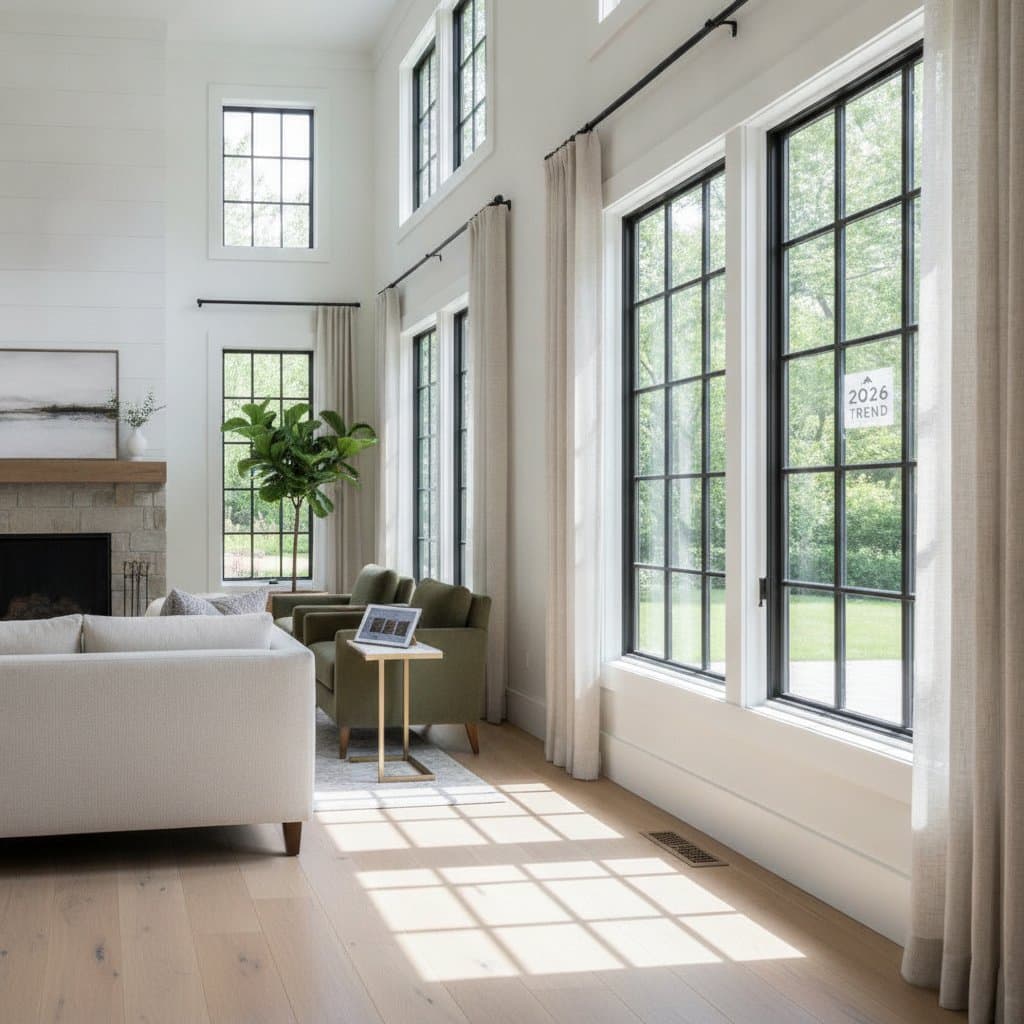
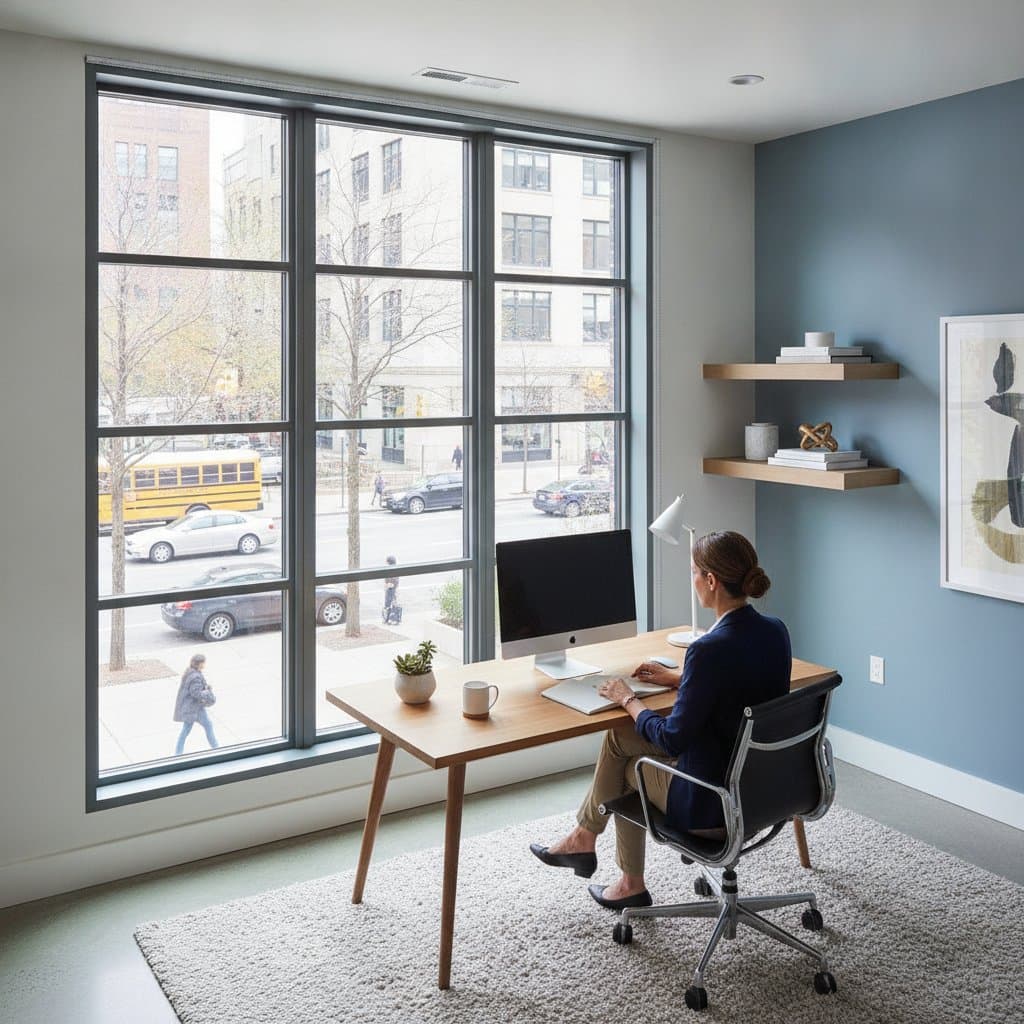
Casement windows harmonize with diverse architectural motifs, spanning rustic homes to sleek contemporary structures. Narrow frames maximize glass area, fostering expansive views and abundant natural illumination for an airy interior ambiance. In properties overlooking landscapes, the unobscured panes amplify scenic enjoyment.
Operationally, the crank system accommodates varied users, from active families to seniors with mobility challenges. No strenuous lifting or pushing occurs, unlike maneuvering double-hung sashes. Integrated with energy-saving low-E coatings, casement windows foster sustainable comfort while upholding sophisticated visuals. Custom grille patterns further tailor them to personal tastes without sacrificing efficiency.
Financial Analysis and Enduring Benefits
Upfront costs for casement windows may exceed those of basic double-hung units, particularly with high-end finishes or bespoke dimensions. However, cumulative advantages offset this premium. Diminished energy consumption, reduced repair needs, and robust construction yield substantial savings. The effective seals also guard against moisture entry, safeguarding structural elements like drywall and hardwood floors.
From a market standpoint, energy-efficient upgrades boost property desirability. Prospective buyers value contemporary casements for their fresh, maintained aesthetic. This elevates curb appeal and supports higher resale prices. Over 20 years, owners might recoup initial investments through 15-20% lower annual energy expenditures, based on typical usage patterns.
Installation Essentials for Optimal Results
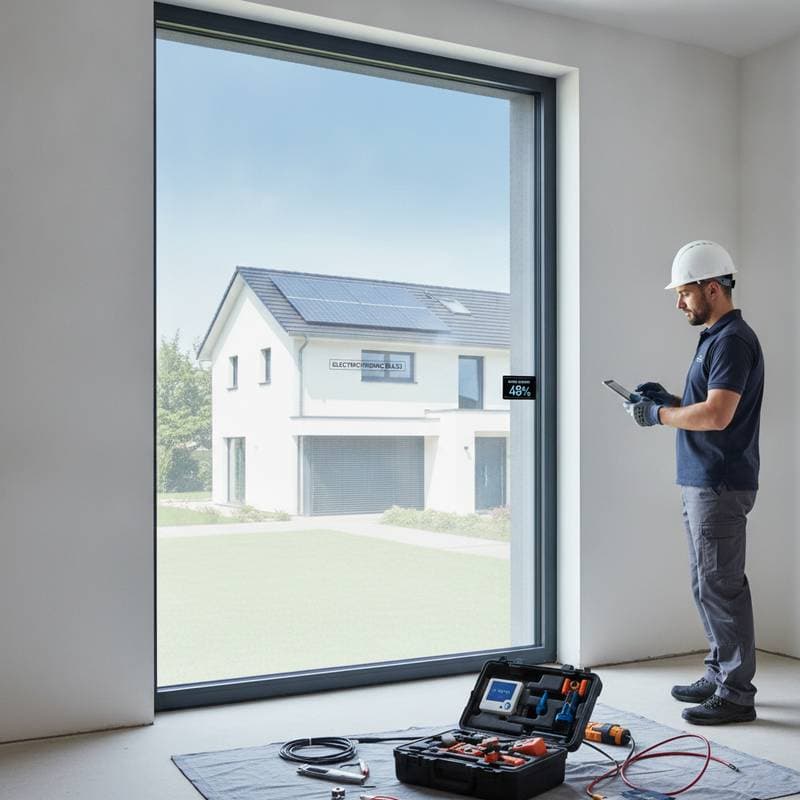
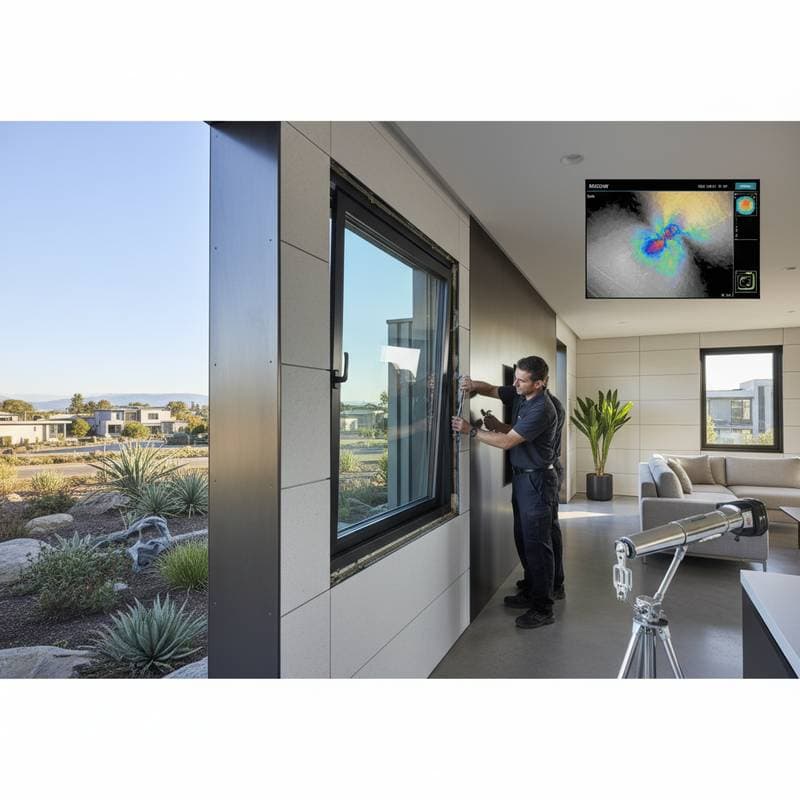
Expert installation unlocks the full potential of casement windows. Begin with a thorough assessment of current openings for stability, water damage, and precise measurements. Professionals remove outdated units, apply sealants to voids, and position new frames to avoid distortions.
Securing involves accurate leveling, foam insulation, and fastener placement. Verify crank smoothness and uniform sash closure during final checks. Post-installation, examine exterior caulking, operate handles repeatedly, and familiarize yourself with coverage terms. These steps guarantee longevity and peak performance.
- Schedule a professional site visit to evaluate fit.
- Select certified installers with experience in casement systems.
- Confirm all components meet local building codes.
Selecting the Ideal Window for Your Home
Decide between casement and double-hung based on your residence's layout, local weather, and daily routines. Casement excels in sealing, airflow, and accessibility. Double-hung suits scenarios prioritizing vertical sightlines or heritage preservation.
Steps to Upgrade Your Windows Effectively
Initiate your project by reviewing Energy Star ratings and material durability. Solicit quotes detailing specifications, guarantees, and schedules. Explore glazing enhancements like argon-filled panes for added insulation.
Casement windows merge innovative form with practical resilience, meeting the priorities of efficiency-minded residents. They ensure sustained comfort, cost reductions, and dependable operation, positioning them as a strategic enhancement for modern households.