Why Blackened Steel Hardware Commands a Triple Price Tag
Homeowners frequently encounter the premium pricing of blackened steel hardware, which stands out sharply against more affordable alternatives like brushed nickel or powder-coated black. This disparity stems from the unique production methods, design significance, and long-term benefits that define this finish. To grasp the full picture, examine the creation process, material choices, and factors affecting both expense and enduring worth.
The Intricate Craft of the Blackened Finish
Blackened steel hardware emerges from a precise chemical reaction applied directly to the metal surface, yielding a rich, matte black with natural tonal shifts. Artisans meticulously clean each component, immerse it in a specialized solution, rinse thoroughly, and apply a protective sealant—all by hand. This multi-step procedure, which spans hours for even small batches, allows for subtle variations that add character but complicate large-scale replication.
In comparison, powder-coated options use automated electrostatic spraying followed by oven curing, enabling rapid, uniform output at reduced expense. Blackened steel prioritizes artisanal techniques, where human oversight ensures quality, inevitably elevating the price to reflect this dedication.
Sourcing Premium Steel for Optimal Results
High-grade steel forms the foundation of blackened hardware, as lower-quality alloys introduce flaws like uneven oxidation or spotting during treatment. Manufacturers select cold-rolled or hot-rolled steel with minimal impurities to guarantee a consistent, deep finish that withstands daily use.
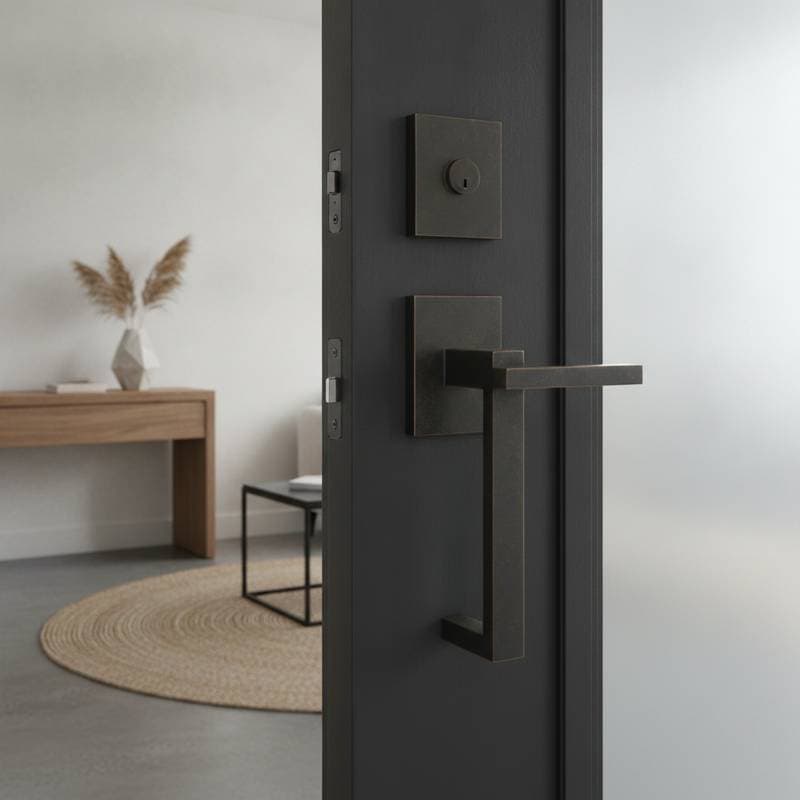
This selective sourcing drives up initial costs, yet it prevents common issues such as fading or flaking seen in budget substitutes. For those investing in luxury door handles or hinges, this material excellence ensures the hardware matures beautifully, integrating seamlessly with wood or glass elements in high-end settings.
Demands of Skilled Labor and Expertise
Beyond technical execution, creating blackened steel requires artisans to blend chemistry with visual discernment, monitoring reactions to halt at the ideal shade and texture. Each piece undergoes repeated handling: degreasing, treating, neutralizing, drying, and sealing, with inspections at every phase to eliminate defects.
This hands-on approach extends production time significantly; fabricating a single set of matte black handles might require three to five times the effort of standard finishes. In larger installations, such as custom cabinetry or entry doors, these hours accumulate, directly contributing to the elevated pricing while upholding superior standards.
Longevity and Evolving Aesthetic Appeal
The higher initial outlay for blackened steel pays dividends in durability, as the finish integrates into the metal substrate rather than layering atop it. Minor abrasions self-blend into the surface patina, avoiding the stark contrasts that plague coated alternatives.
Over years, with appropriate care, the hardware gains a nuanced warmth that suits evolving interiors, from contemporary lofts to heritage restorations. Proper upkeep involves soft cloths and pH-neutral cleaners, plus resealing every two to three years in demanding areas, securing a lifespan that often exceeds a decade.
Comparing Costs Across Finish Options
| Finish Type | Initial Cost | Expected Lifespan | Maintenance Needs | Ideal Applications |
|---|---|---|---|---|
| Powder-Coated Black | Low | 5–7 years | Basic wiping | Everyday updates on a budget |
| Painted | Moderate | 3–5 years | Frequent touch-ups | Short-term or experimental designs |
| Blackened Steel | High | 10+ years | Periodic resealing | Premium custom or architectural use |
This overview highlights how blackened steel's superior endurance and visual depth offset its upfront premium, particularly for committed long-term projects.
Environmental Considerations in Production
The blackening method employs controlled chemicals, necessitating rigorous handling, ventilation, and effluent treatment to comply with regulations. Smaller-scale producers adopt sustainable practices, such as recycling rinse water and using low-VOC sealants, which raise operational overhead but minimize ecological impact.
Unlike high-throughput factories for coated finishes, these boutique operations prioritize precision over volume, incorporating energy-efficient curing and waste-reduction technologies. This commitment to responsible manufacturing adds to costs yet appeals to environmentally aware designers and homeowners.
Rising Demand and Design Versatility
Blackened steel has surged in popularity among architects for its understated elegance, pairing effortlessly with organic textures like reclaimed wood or polished concrete in upscale residences and commercial spaces. Its non-reflective surface reduces glare while offering tactile depth, aligning with trends toward authentic, heirloom-quality elements.
Surging interest from the luxury sector strains limited production capacity, as scaling artisan methods proves challenging without compromising integrity. Consequently, prices have climbed 20–30 percent in the last few years, reflecting both scarcity and the finish's role as a subtle yet impactful design anchor.
Steps for Ordering Blackened Steel Hardware
Anticipate extended timelines when commissioning blackened steel, often four to eight weeks, due to bespoke fabrication. Request physical samples to assess color and finish variations, approving them prior to full production to align with your vision.
- Assess site conditions: Evaluate humidity, light exposure, and usage frequency to select appropriate steel thickness and sealing levels.
- Verify compatibility: Test pairings with door substrates or adjacent fixtures to ensure cohesive aesthetics and functionality.
- Arrange professional fitting: Engage certified installers to avoid finish damage during mounting, using torque-limited tools for screws.
- Conduct post-install checks: Confirm smooth operation and apply initial protective wax if recommended by the fabricator.
- Establish care routine: Document cleaning protocols and schedule professional inspections annually for high-traffic areas.
Selecting the Right Finish for Your Needs
Opt for blackened steel when prioritizing artisanal detail and sensory richness in durable applications, such as interior doors or furniture accents. It thrives in controlled environments but may require enhanced sealing for kitchens or bathrooms.
For cost-sensitive or exterior uses, consider powder-coated variants that mimic the look with easier upkeep. Ultimately, weigh functional demands against aesthetic aspirations; blackened steel transforms hardware into an enduring focal point that elevates overall design harmony.
Budgeting for Lasting Impact
Factor in total ownership costs when planning for blackened steel, including installation fees and biennial maintenance, against its projected 15–20 year service life. Align the choice with your home's evolution, selecting pieces that adapt to style shifts without frequent replacement. This strategic approach maximizes return on investment, blending practicality with refined sophistication.