Understanding Smart Windows
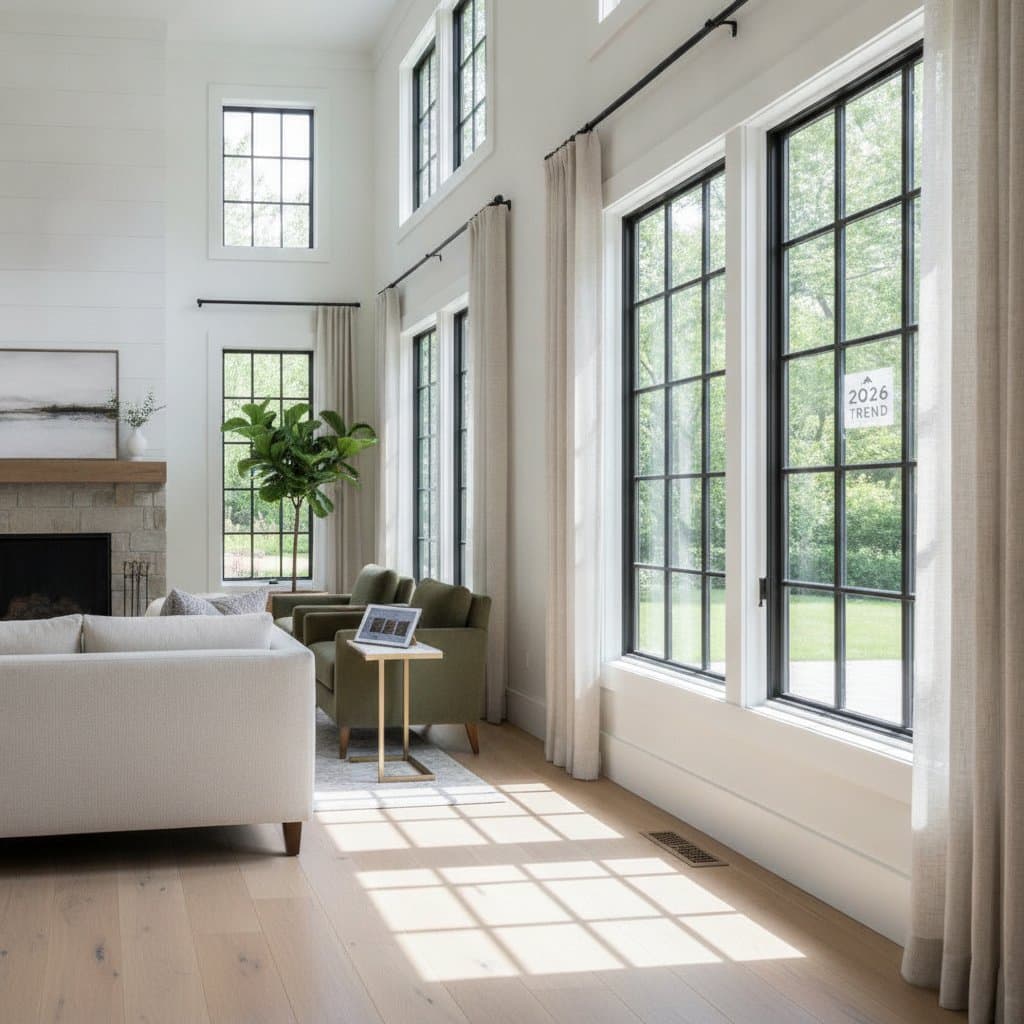
Smart windows represent an innovative advancement in home energy management. These windows integrate electrochromic glass, a material that changes transparency in response to electrical signals. Homeowners gain control over light and heat entry without manual adjustments.
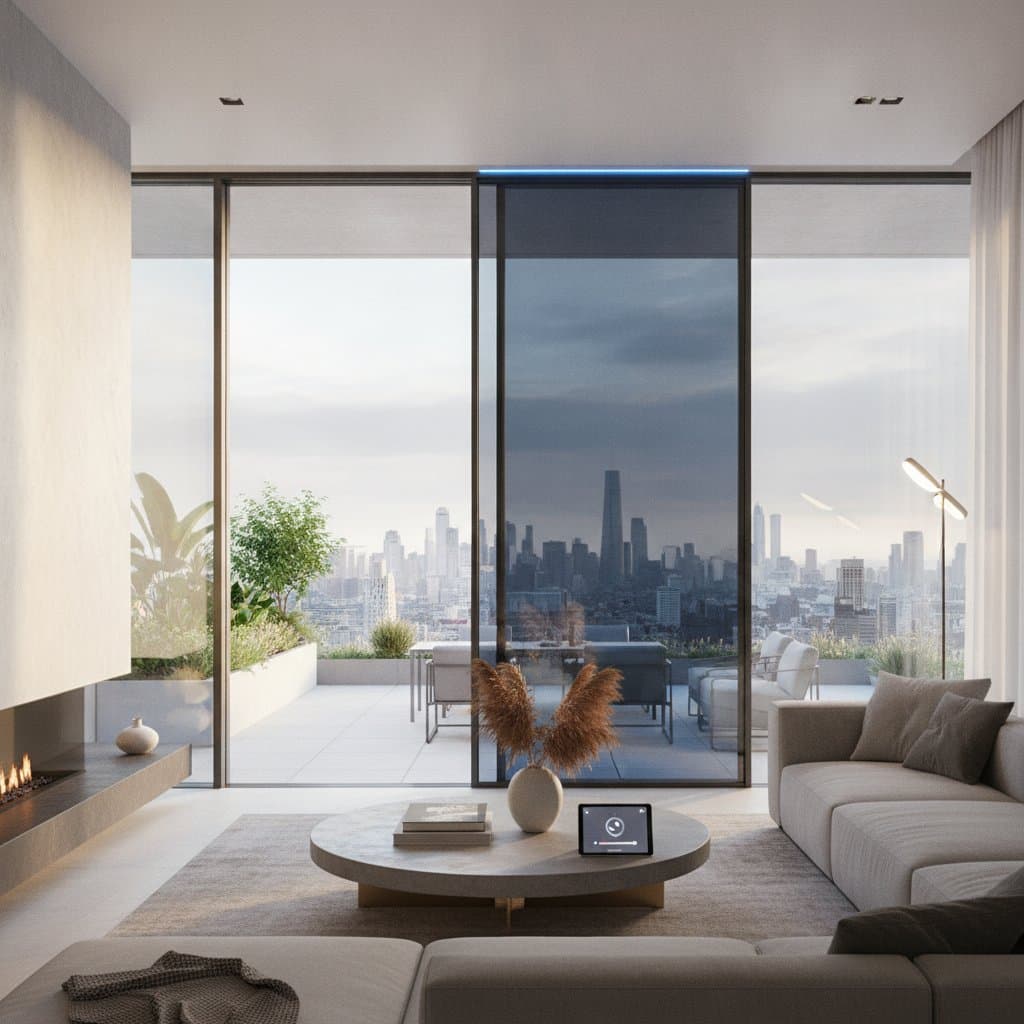
The technology activates through a low-voltage current applied to the glass layers. This process alters the glass's opacity, transitioning from clear to tinted states in minutes. Such functionality addresses common issues like excessive sunlight and heat buildup in living spaces.
How Electrochromic Technology Functions
Electrochromic glass consists of multiple thin layers sandwiched between conductive coatings. When voltage applies, ions move within the gel-like electrolyte, causing the glass to darken and absorb infrared radiation. This blocks up to 90 percent of solar heat while allowing visible light to pass.
Users control the tint via wall switches, remote controls, or integration with smart home systems. Advanced models connect to sensors that detect sunlight intensity or room temperature, automating adjustments throughout the day. This responsive design ensures consistent indoor conditions regardless of external weather.
Key Benefits for Homeowners
One primary advantage lies in energy efficiency. By reducing reliance on air conditioning during summer months, smart windows lower cooling demands. Studies indicate potential reductions in energy use by 20 to 30 percent in climates with high solar exposure.
Comfort improves as glare from direct sunlight diminishes, protecting furniture from fading and reducing eye strain. In winter, clear settings maximize passive solar heating, further cutting heating costs. Overall, these windows contribute to a more stable indoor environment year-round.
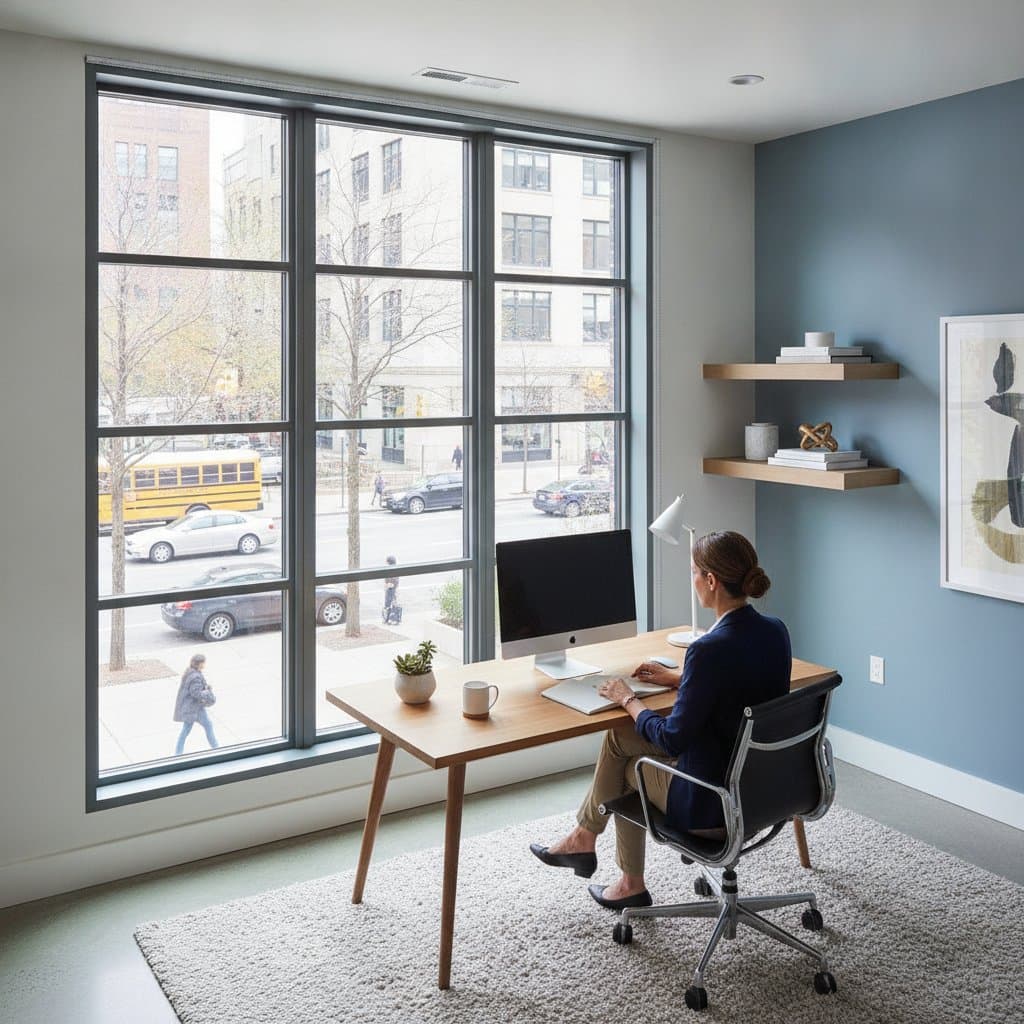
Privacy enhances without the need for blinds or curtains. Tinted modes obscure views from outside while maintaining natural light inside. This feature proves particularly valuable in urban settings or ground-floor residences.
Calculating Potential Savings
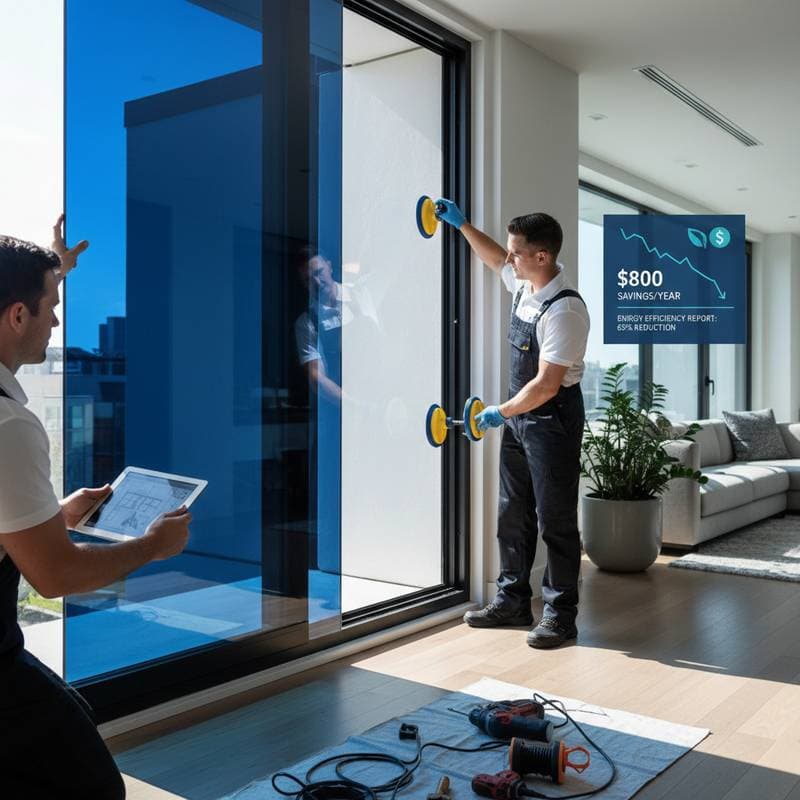
Homeowners can expect annual energy bill reductions of up to $800, depending on home size, location, and usage patterns. For a typical 2,000-square-foot home in a sunny region, monthly cooling savings alone might reach $50 to $70 during peak seasons.
To estimate personal savings, consider local utility rates and average sunlight hours. Tools from energy departments provide baselines for comparison. Over a window's 20- to 30-year lifespan, cumulative savings often exceed $20,000, offsetting initial costs.
Rebates and incentives amplify returns. Many governments and utilities offer credits for energy-efficient upgrades, covering 10 to 30 percent of installation expenses. Check regional programs to maximize financial benefits.
Installation Costs and Considerations
Upfront costs for smart windows range from $50 to $150 per square foot, higher than standard double-pane windows at $20 to $50 per square foot. Factors influencing price include window size, tint levels, and automation features.
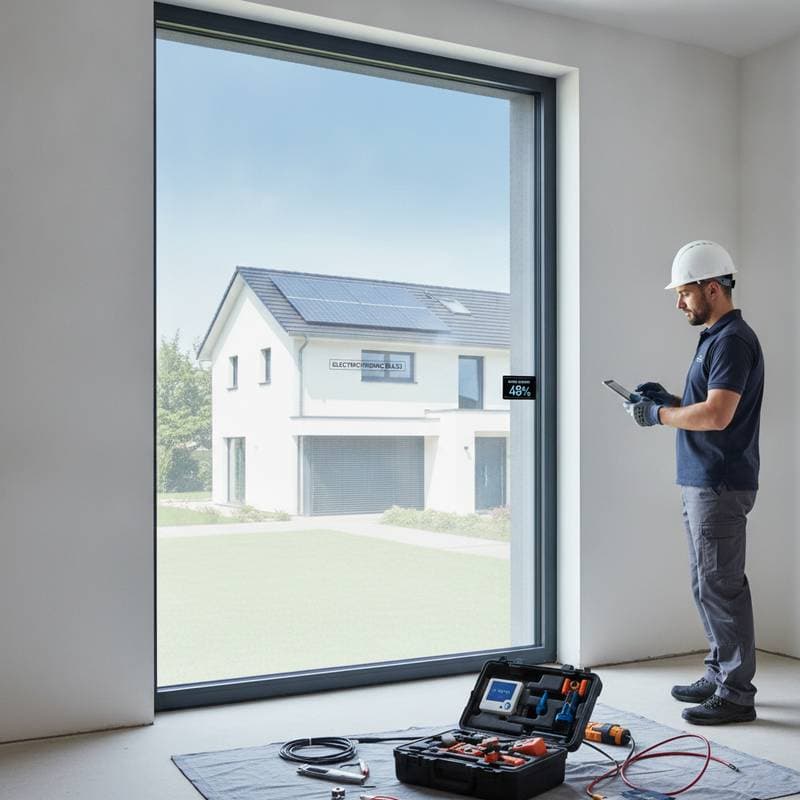
Professional installation ensures optimal performance. Certified technicians assess home layouts, integrate wiring for controls, and seal units against leaks. The process typically spans one to three days per home, minimizing disruption.
Select features based on needs. Basic models offer manual tinting, while premium versions include app-based controls and voice activation. Durability ratings, such as low-emissivity coatings, protect against UV damage and maintain efficiency over time.
Steps to Adopt Smart Windows
-
Evaluate current windows for energy loss using a home energy audit. Identify areas with high heat gain, such as south-facing exposures.
-
Research compatible products from reputable manufacturers. Review warranties, typically 10 to 20 years, and performance certifications.
-
Consult local installers for quotes. Discuss integration with existing HVAC systems to enhance overall efficiency.
-
Apply for rebates before purchase. Gather documentation on energy savings projections to support applications.
-
Monitor performance post-installation. Adjust settings seasonally and track utility bills to verify savings.
Maximizing Long-Term Value
Smart windows deliver enduring benefits beyond immediate savings. They increase property value by up to 5 percent in energy-conscious markets, appealing to eco-minded buyers. Maintenance remains minimal, with occasional cleaning and battery checks for automated features.
Pair these windows with other upgrades, such as insulated doors or efficient lighting, for compounded effects. Homeowners achieve greater sustainability while enjoying reduced environmental impact through lower carbon emissions.
In summary, investing in smart windows equips residences with adaptive technology that balances comfort, efficiency, and cost savings effectively.