Electrochromic Windows: Reducing HVAC Costs by Up to 50 Percent
Homeowners seeking to lower energy bills and enhance indoor comfort increasingly choose electrochromic windows, commonly known as smart glass. These advanced windows automatically adjust their tint level in response to sunlight intensity, which helps stabilize indoor temperatures and eases the workload on heating, ventilation, and air conditioning systems. In many cases, installations result in HVAC cost reductions of up to 50 percent, influenced by factors such as regional climate, window placement, and overall home size.
This overview examines the mechanics of electrochromic windows, their pricing structure, comparative advantages, installation procedures, and long-term benefits for energy management and living spaces.
Pricing for Electrochromic Windows
Electrochromic windows represent a substantial initial investment compared to conventional double-pane options, yet the reductions in energy expenses and gains in thermal regulation frequently offset this over time. Costs vary based on window dimensions, frame composition, and automation features.
| Type of Electrochromic Window | Cost per Square Foot (Installed) | Typical Features |
|---|---|---|
| Basic Manual Control | $55 to $75 | Switch-operated tint adjustment, ideal for modest projects |
| Automated Smart Control | $75 to $100 | Integrated light sensors and customizable programming, compatible with home automation platforms |
| Premium Architectural Grade | $100 to $125 | Tailored dimensions, specialized coatings, designed for expansive glass surfaces |
For a standard residence featuring 200 square feet of glazing, the complete installation expense might span from $11,000 to $25,000, contingent on manufacturer and site-specific challenges. Although more expensive than basic replacements, the financial recovery stems from diminished HVAC demands and elevated occupant satisfaction.
Electrochromic Glass Versus Alternative Window Technologies
Homeowners often evaluate smart glass against other efficient glazing solutions, including low-emissivity coatings and insulated double-pane units. While each option delivers distinct advantages, electrochromic glass stands out for its adaptive regulation of solar heat and light.
| Window Type | Cost per Square Foot | Energy Efficiency | Maintenance Needs | Best Use Case |
|---|---|---|---|---|
| Standard Double-Pane | $25 to $40 | Moderate | Low | Cost-effective updates |
| Low-E Glass | $35 to $55 | High | Low | Efficiency enhancements |
| Electrochromic Glass | $55 to $125 | Very High | Low to Moderate | Intelligent residences, expansive glazing, intense solar zones |
Low-E glass provides reliable static performance, but it lacks the responsiveness to daily environmental shifts. Electrochromic variants excel in orientations exposed to variable sunlight, such as southern or western exposures, by modulating transmittance dynamically.
Installation Procedures and Duration
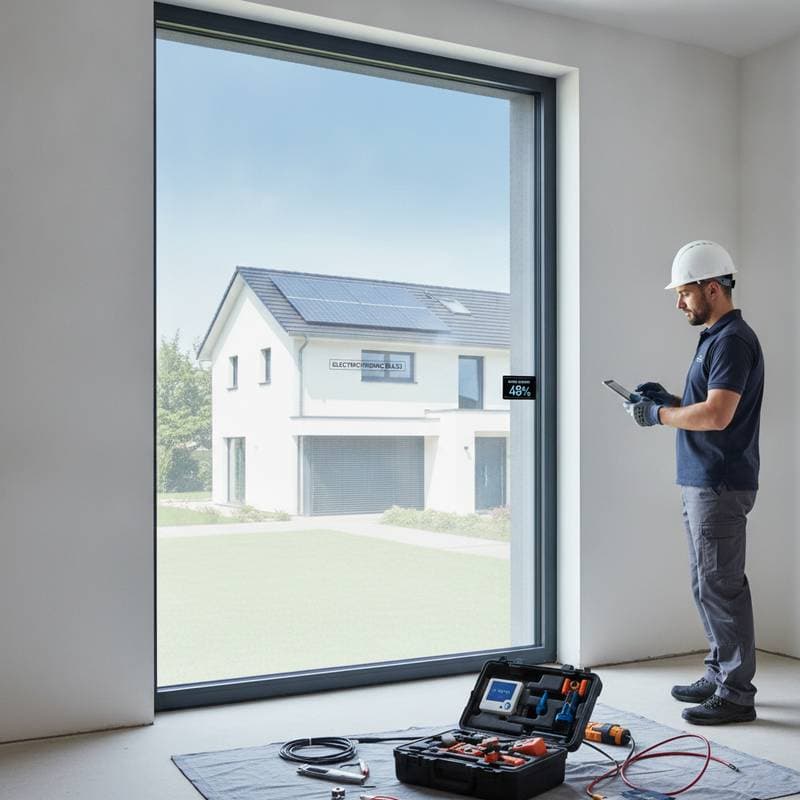
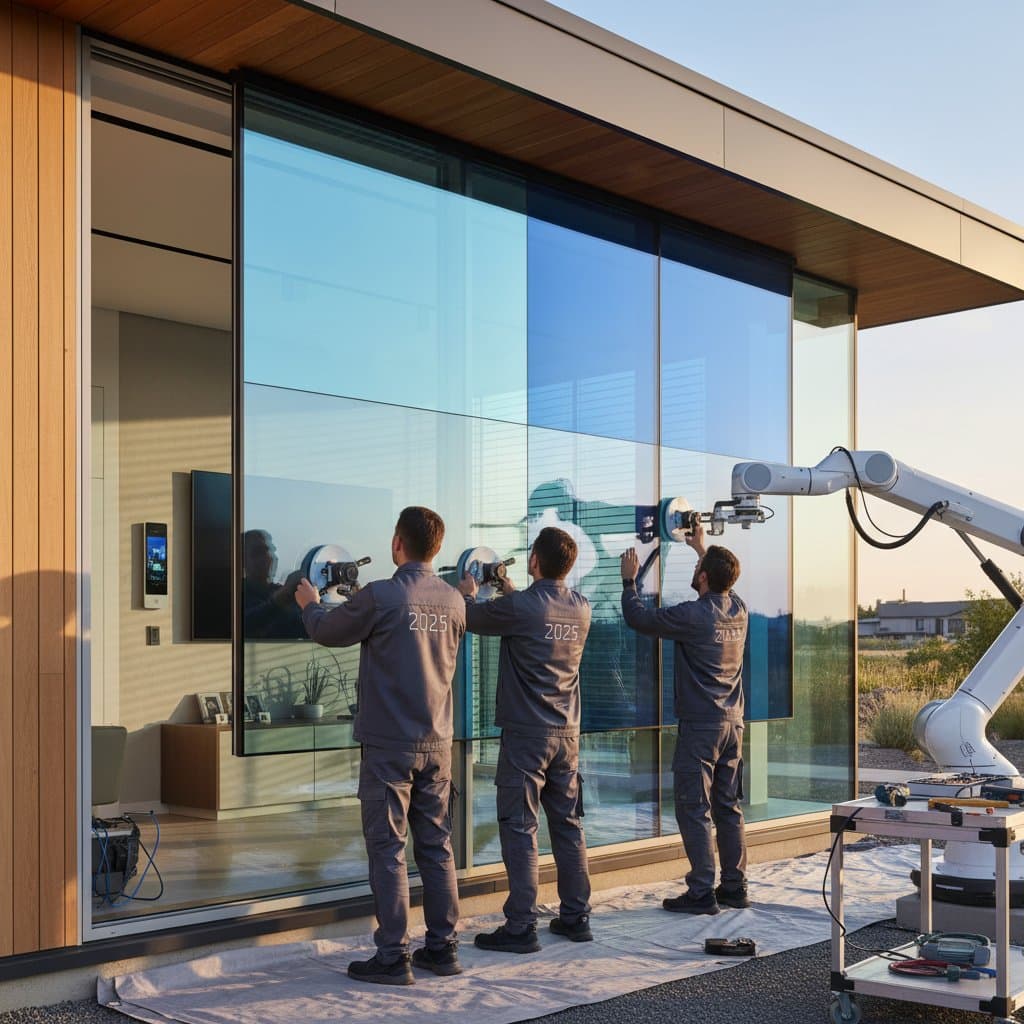
The process for fitting electrochromic windows mirrors traditional replacements in several respects, augmented by electrical integrations. Key stages include the following:
-
Site Evaluation and Sizing
Professionals measure openings precisely and inspect the electrical infrastructure for seamless integration. -
Selection and Procurement
Owners select frame designs, tint variability, and operational modes. Production timelines typically extend from two to six weeks. -
Demolition and Site Preparation
Existing units receive careful extraction, followed by thorough cleaning and insulation of frames. -
Fitting and Wiring
New assemblies install into prepared spaces, with seals applied and control circuits linked. An electrician confirms all connections. -
Calibration and Testing
Technicians configure tint thresholds, automation routines, and sensor calibrations to match user specifications.
Small-scale projects conclude in two to three days after delivery, whereas extensive or bespoke setups may require a full week.
Energy Recovery Analysis from Specialists
Experts project that electrochromic windows recover their upfront costs via energy conservation within five to ten years, modulated by local electricity tariffs. Residences in high-insolation areas achieve quicker returns through pronounced cooling efficiencies.
Rachel Cortez, a certified energy consultant based in Phoenix, observes, "Homeowners are surprised by how quickly their cooling bills drop after installation. The technology not only cuts energy use but also increases comfort and resale value."
Beyond fiscal advantages, users value the visual adaptability. Glare management without obstructing views preserves spacious, luminous interiors.
Rebates, Incentives, and Home Automation Compatibility
Certain utilities and governmental initiatives provide financial rebates or tax credits for electrochromic installations and similar intelligent glazing. Individuals benefit from consulting regional energy authorities or experienced installers to identify applicable programs.
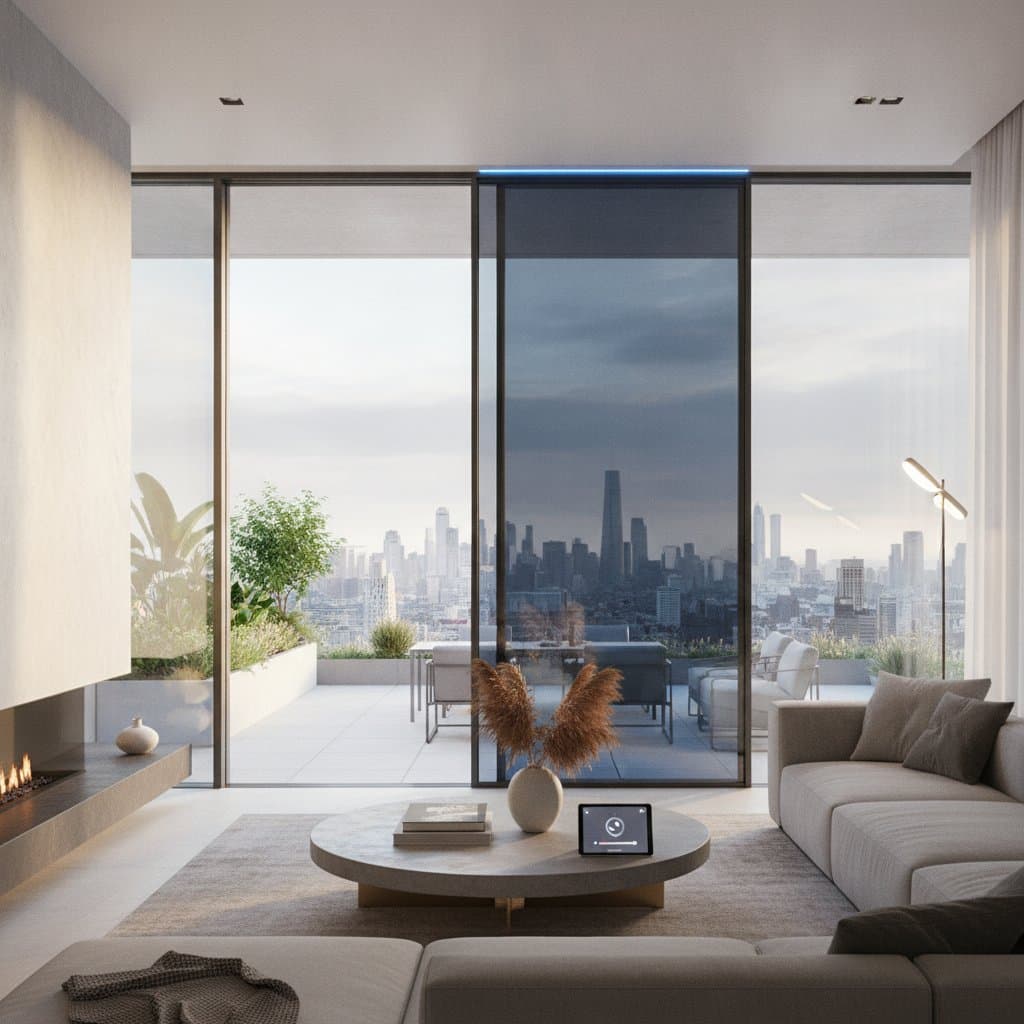
These windows pair effortlessly with home automation ecosystems, including voice-activated devices and climate regulators. Commands such as scheduling tint reductions at midday or clearing glass at dusk enable precise oversight of illumination and seclusion.
Such connectivity refines overall efficiency by synchronizing window operations with heating and cooling adjustments, fostering environments attuned to instantaneous conditions.
Achieving Energy Savings Through Electrochromic Upgrades
To initiate an electrochromic window project, start by consulting certified contractors for a personalized assessment. Evaluate your home's solar exposure and current energy patterns to select optimal configurations. With strategic implementation, these windows deliver enduring reductions in operational costs, superior climate control, and enhanced property appeal.