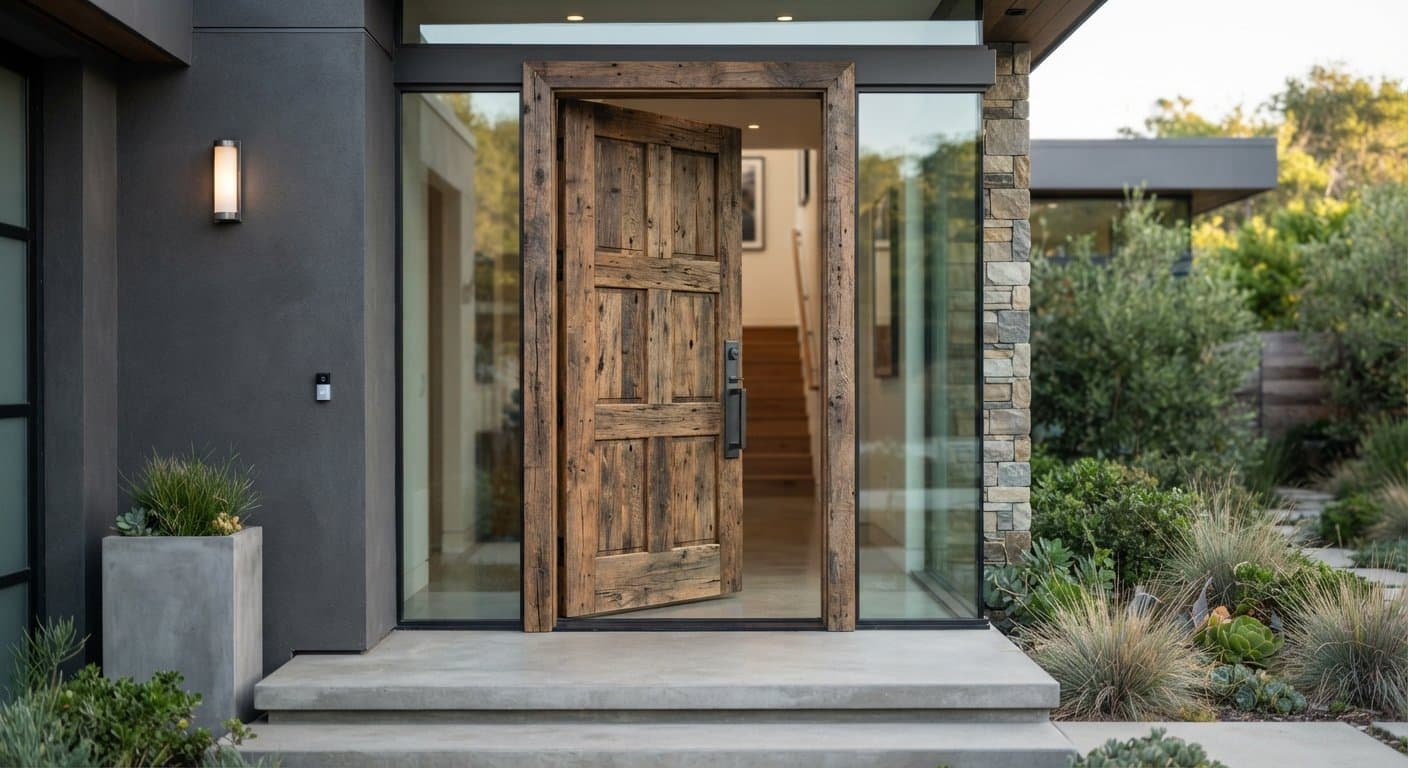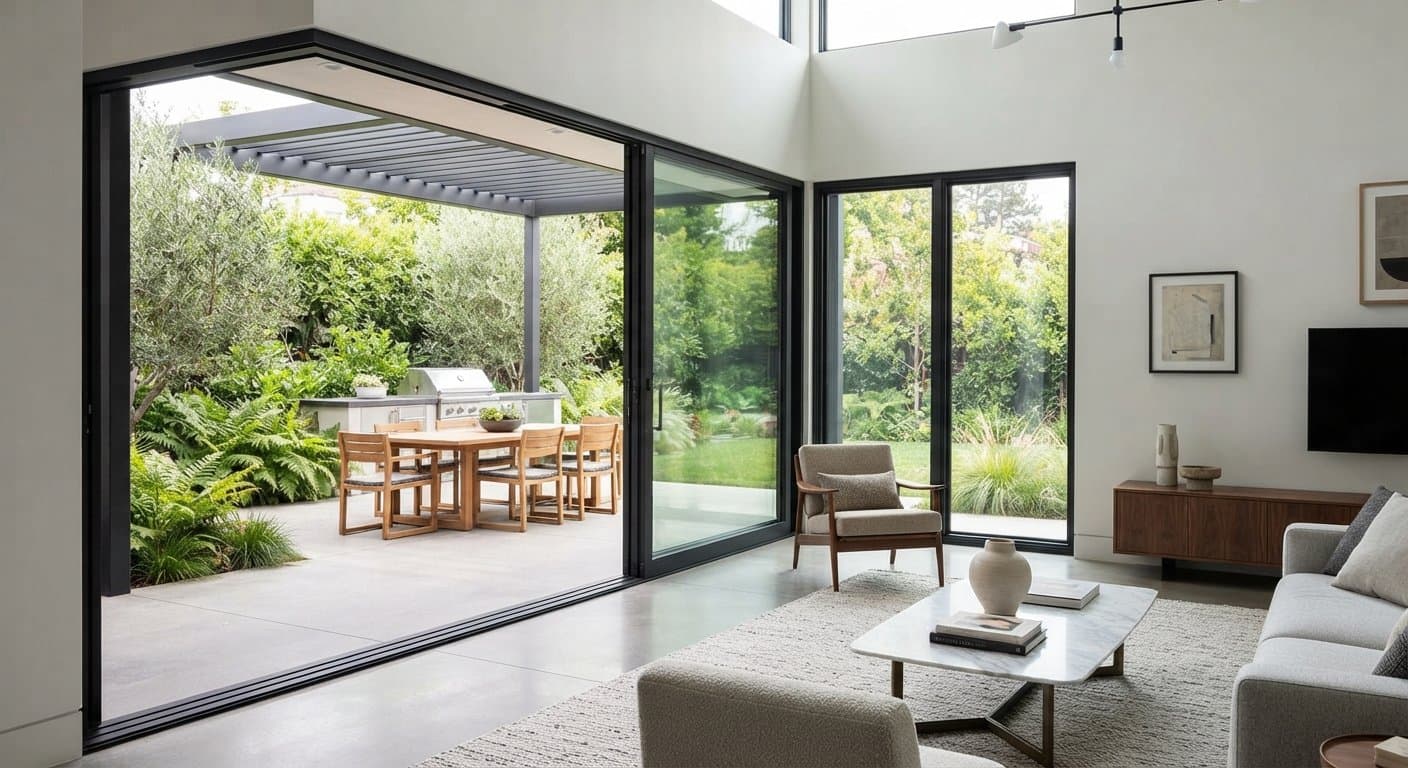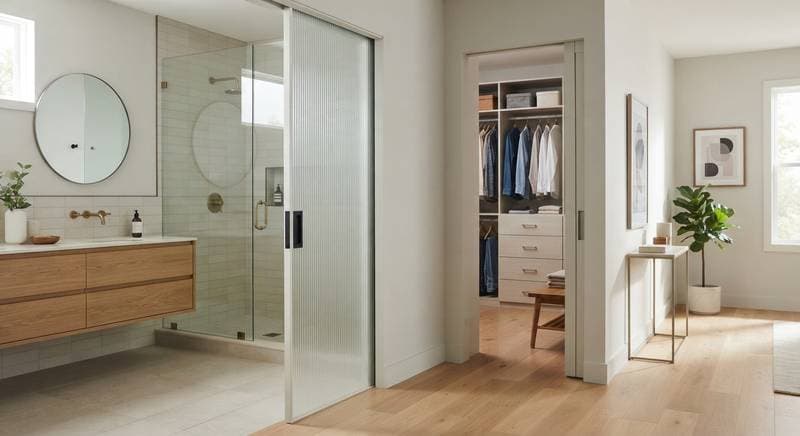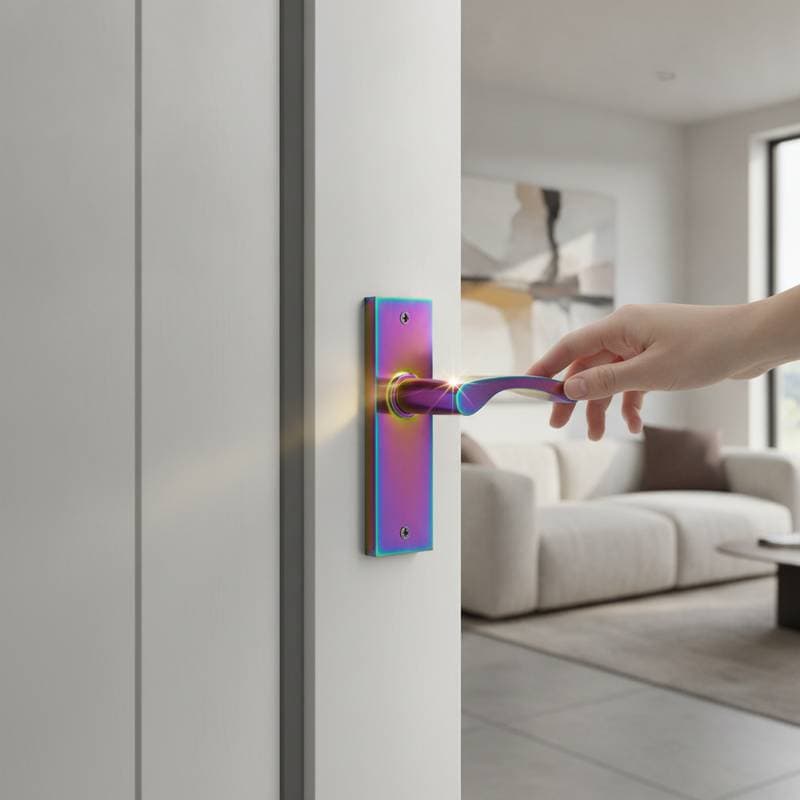
Organic Wood Doors That Bring Nature Indoors
Organic wood doors create a natural transition between spaces while adding warmth and texture that painted surfaces cannot match. A solid wood interior door typically costs between $200 and $800 for the slab alone, while premium species or custom doors range from $800 to $2,500 or higher. Complete installation prices generally fall between $500 and $2,000, depending on wood type, door dimensions, hardware selection, and labor requirements.
Homeowners seeking biophilic design elements want natural patterns and materials in their daily environment without compromising durability or function. The following sections explain how to select an organic entryway door, calculate realistic costs, and maintain the wood over time.
What Makes a Door Feel Organic
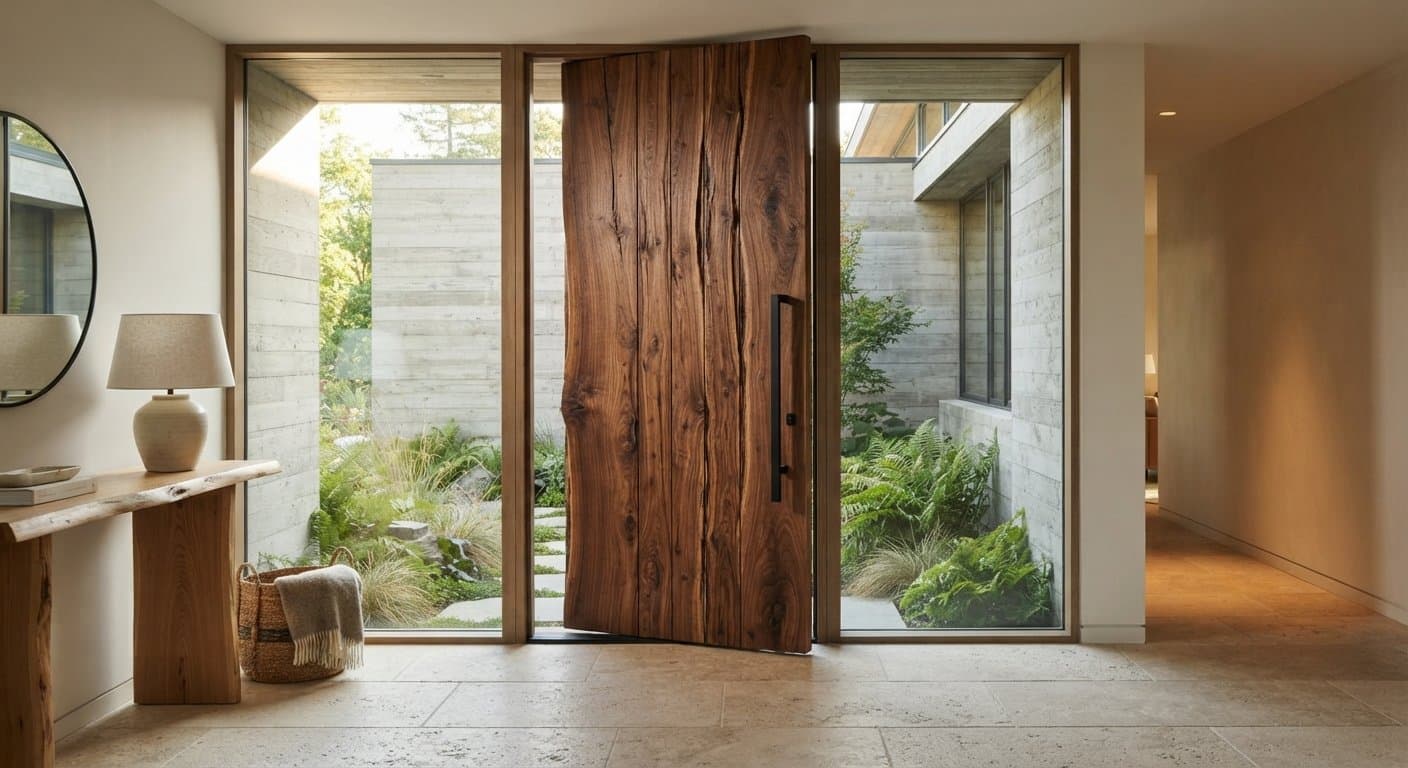
An organic wood door emphasizes the natural characteristics of its material. Visible grain patterns, natural knots, color variations, and low-sheen finishes create surfaces that connect to outdoor environments. These natural features also mean that doors made from the same wood species will display unique characteristics.
Design options range from simple to decorative. A flat panel with a clear finish works well in restrained interiors, while doors featuring natural knots or shaped panels can serve as focal points. For a calmer appearance, select consistent grain patterns and finishes that preserve the wood's natural color rather than applying strong stains.
Room function influences style selection. Doors between entryways and living areas may benefit from glass panels that allow daylight to pass through, while bedroom doors typically require greater privacy. Glass choices, panel configurations, and hardware selections all affect both appearance and final cost.
Wood Species and Typical Costs
Different wood species vary in color, grain pattern, hardness, and price. The following estimates represent typical costs for door slabs before installation. Local availability and construction quality can influence final pricing.
- Pine: $150 to $500. Light color with visible knots, often chosen for budget-conscious projects.
- Alder: $250 to $800. Warm tone with subtle grain, suitable for stained interior applications.
- Oak: $300 to $1,000. Pronounced grain pattern with good everyday durability.
- Walnut: $600 to $1,800. Deep color with distinctive grain, frequently used for feature doors.
- Reclaimed wood: $500 to $2,000 or more. Aged texture with varied character, requiring careful sourcing.
These figures reflect common retail ranges. Installation costs, door style, and material quality can add substantially to slab prices. Request detailed quotes that specify whether hinges, frames, finishing, delivery, and existing door removal are included.
Solid Wood, Veneer, or Engineered Construction
Solid wood doors are constructed primarily from natural lumber and provide authentic grain across the entire surface. These doors can be repaired or refinished, though they may expand or contract with humidity changes. This movement can affect door fit, particularly in regions with significant seasonal moisture variations.
Wood veneer doors feature a thin layer of real wood over a stable core. They offer the appearance of premium species at costs ranging from $250 to $900, depending on size and construction quality. Veneer surfaces require careful cleaning and repair, as aggressive sanding can expose the underlying core material.
Engineered wood doors combine wood fibers or components with veneer or molded surfaces. They provide consistent dimensions at moderate prices, typically $200 to $700 before installation. Review product specifications for core type, finish quality, and suitability for bathrooms or other humid environments.
Cost Factors and Installation
Total project costs depend on factors beyond material selection. Standard replacement in an existing frame typically costs $300 to $800 for labor and basic installation. Custom sizes, new frames, or modified openings can increase labor and materials to $1,000 to $2,500 or more.
Several elements influence final pricing:
- Door size and thickness: Oversized or unusually thick doors may require custom fabrication and stronger hardware.
- Finish application: Factory finishing adds approximately $100 to $400, while custom staining or clear coating may cost more.
- Frame condition: Warped or damaged jambs may require repair or replacement before the new door hangs properly.
- Hardware selection: Quality hinges, handles, and privacy locks can add $50 to $300 or more.
- Glass or custom details: Glazing, carved panels, or matching trim increase both material and installation costs.
Replacing a door in a sound, existing frame is often manageable for experienced DIYers. Accurate measurements are essential. When changing openings, working with heavy solid wood slabs, or correcting out-of-square frames, qualified installers can prevent sticking, uneven gaps, and latch problems.
Permits are typically not required for like-for-like interior door replacement, though local regulations vary. Opening changes or work affecting rated walls may require approval. Consult local building departments or contractors before modifying frames.
Planning an Organic Entryway
Begin by measuring the existing door, including height, width, thickness, swing direction, and hinge locations. Determine whether a slab only or prehung unit is needed. Prehung doors include the door already mounted in its frame and can simplify installation when existing frames are damaged or openings require rebuilding.
Coordinate the door with nearby materials rather than attempting exact matches to every wood surface. Natural oak doors work effectively alongside painted trim, stone flooring, or contrasting wood floors. Bring finish samples to the entryway and evaluate them under both natural and artificial lighting before ordering.
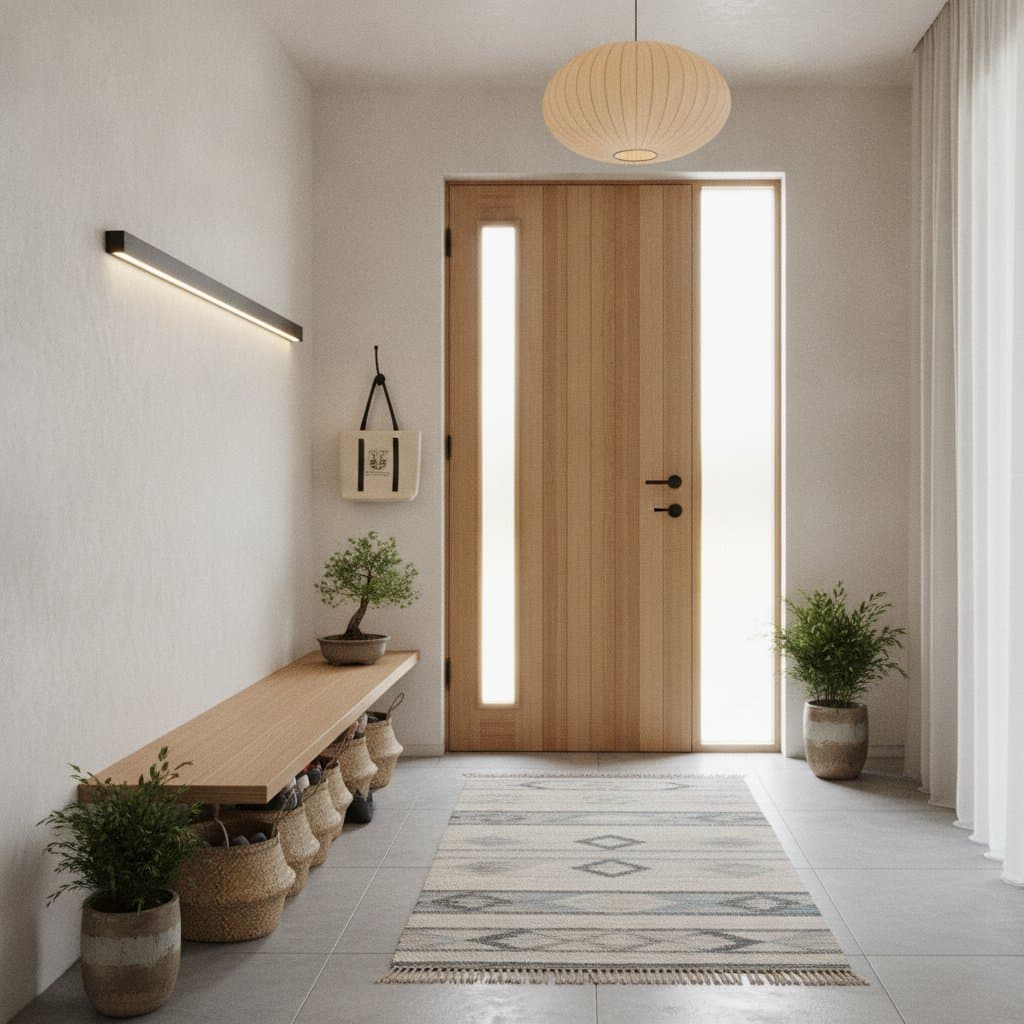
For cohesive biophilic design, pair the door with modest natural elements such as wood benches, woven baskets, or indoor plants. Maintain entryway functionality with adequate clearance for door swing and clear pathways through the space.
Protecting Your Investment Through Proper Care
Regular maintenance preserves both appearance and function of organic wood doors. Dust surfaces weekly with soft, dry cloths to prevent particle buildup. Apply wood-specific cleaners monthly, avoiding water-based products that can cause swelling or warping.
Control humidity levels between 40 and 60 percent to minimize expansion and contraction. Position doors away from direct heat sources and sunlight to prevent fading and cracking. Address minor scratches immediately with touch-up products designed for your specific wood species and finish.
Annual inspections help identify potential issues before they require major repairs. Check hinge screws for tightness, examine finish condition for wear, and verify proper door alignment. Professional refinishing every five to ten years, depending on usage and exposure, maintains the door's protective coating and natural beauty.
Quality organic wood doors provide lasting value when properly selected and maintained. The natural characteristics that make these doors distinctive also ensure that each installation creates a unique connection to organic materials within the built environment.