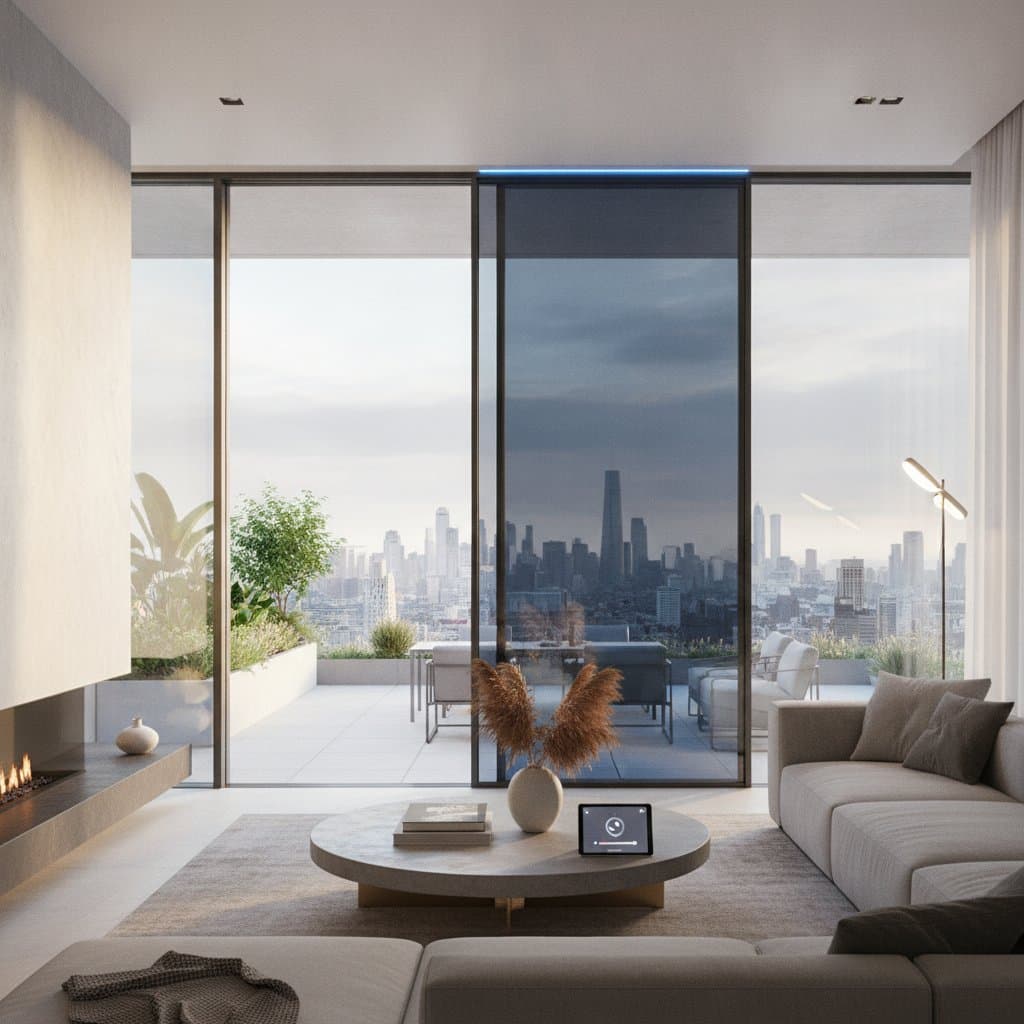
Reduce Urban Noise by 85 Percent with Advanced Acoustic Windows
Urban dwellers frequently contend with relentless traffic rumbles, emergency sirens, and nighttime disturbances. Such sounds disrupt sleep, hinder concentration during work, and diminish overall home enjoyment. Acoustic windows offer an effective solution through sophisticated glazing and frame designs that minimize sound penetration. The newest models achieve up to 85 percent noise reduction, fostering a tranquil interior space while preserving aesthetics and daylight access.
The Science of Acoustic Window Technology
Acoustic windows employ specialized glass compositions and robust frame assemblies to dampen sound vibrations that pass through ordinary windows. These units often incorporate laminated glass with polyvinyl butyral interlayers that absorb vibrations, alongside multiple panes separated by inert gases like argon for enhanced thermal and acoustic isolation. Frame materials, such as reinforced PVC or aluminum with rubber seals, eliminate gaps where sound might infiltrate.
Addressing diverse sound spectra demands targeted strategies. Low-frequency rumbles from trucks or trains penetrate more readily than shrill horns or voices. Contemporary designs layer glass of varying thicknesses with viscoelastic damping compounds to tackle this spectrum comprehensively, ensuring reliable attenuation across urban noise profiles rather than isolating single elements.
Acoustic Windows Versus Standard Double Glazing
Homeowners often debate the premium price of acoustic windows against conventional double-glazed options. The distinction centers on targeted engineering: standard double glazing excels in thermal insulation with incidental noise benefits, whereas acoustic variants prioritize decibel reduction through precise material synergies.
| Option | Initial Cost | Lifespan | Maintenance | Best For |
|---|---|---|---|---|
| Standard Double Glazing | Moderate | 20+ years | Routine cleaning | Quiet suburbs with low noise |
| Acoustic Windows | Higher | 25+ years | Seal checks and cleaning | High-traffic urban environments |
Beyond upfront expenses, acoustic windows deliver enduring advantages like stress reduction and sharper focus in home settings. In high-rise apartments or roadside properties, residents report transformative quietude post-installation, justifying the investment for sustained livability.
Integrating Design and Lifestyle Needs
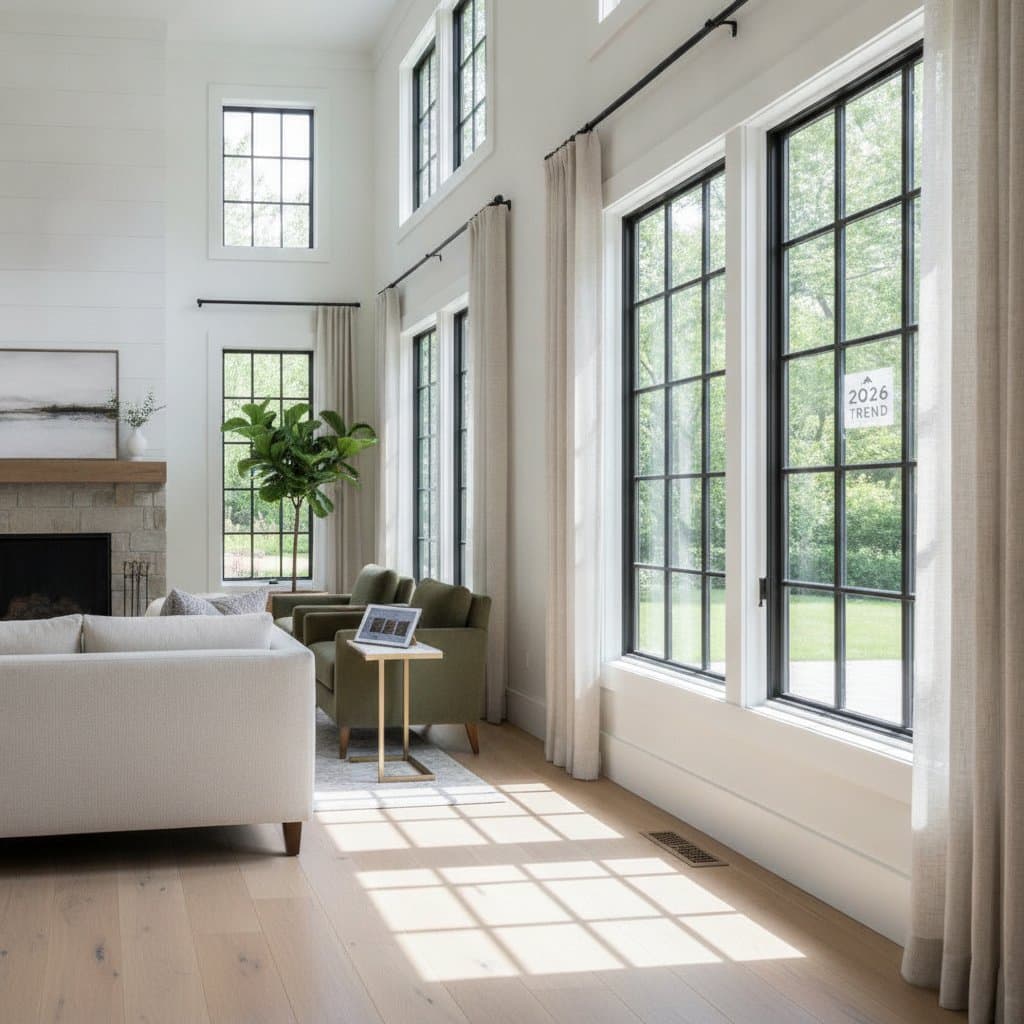
Effective sound control need not alter a home's visual appeal. Acoustic windows come in diverse frame finishes, from sleek black aluminum to wood-clad profiles, complementing contemporary lofts or classic townhouses. Innovations in slim-profile frames embed thick acoustic glass without obstructing views, optimizing light influx alongside silence.
These upgrades extend to daily life enhancements. Reduced ambient noise promotes deeper sleep cycles, elevates remote productivity, and nurtures mental health. Families with young children or elderly members find routines less disrupted, as muffled external chaos allows for calmer interactions and activities.
Assessing Long-Term Benefits and Value
Prospective buyers must weigh instant serenity against future gains. Properties equipped with acoustic windows attract premium buyers in noise-saturated cities, where quietude commands higher resale prices. Many systems also enhance insulation, yielding annual savings on utilities through minimized heat loss.
Upkeep mirrors that of conventional windows: periodic washing and seal inspections suffice to sustain efficacy. The durable laminated construction resists fogging and maintains transparency, often outlasting basic glazing in clarity and functionality.
The Installation Process Step by Step
Installing acoustic windows parallels routine replacements but demands meticulous sealing to uphold sound barriers. Professionals prioritize airtight integration to prevent acoustic leaks.
- Site Evaluation: Experts measure openings, analyze wall structures, and gauge external noise levels to specify optimal glass and frame specs.
- Demolition Phase: Existing units remove without harming adjacent surfaces, using protective coverings for dust control.
- Frame Securing: New frames level precisely, then seal with acoustic caulk and insulating foams.
- Glazing Assembly: Acoustic panes insert with compression gaskets, ensuring vibration-free fit.
- Final Checks: Joints seal completely, followed by leak tests using sound meters to verify reduction targets.
Request a certification report post-installation, along with a multi-year warranty on performance and labor.
Selecting the Right Acoustic Solution
Noise challenges differ by site specifics. Properties near highways may need thicker low-frequency blockers, while those impacted by construction favor broad-spectrum absorbers. Engage an acoustician for on-site decibel mapping to pinpoint requirements.
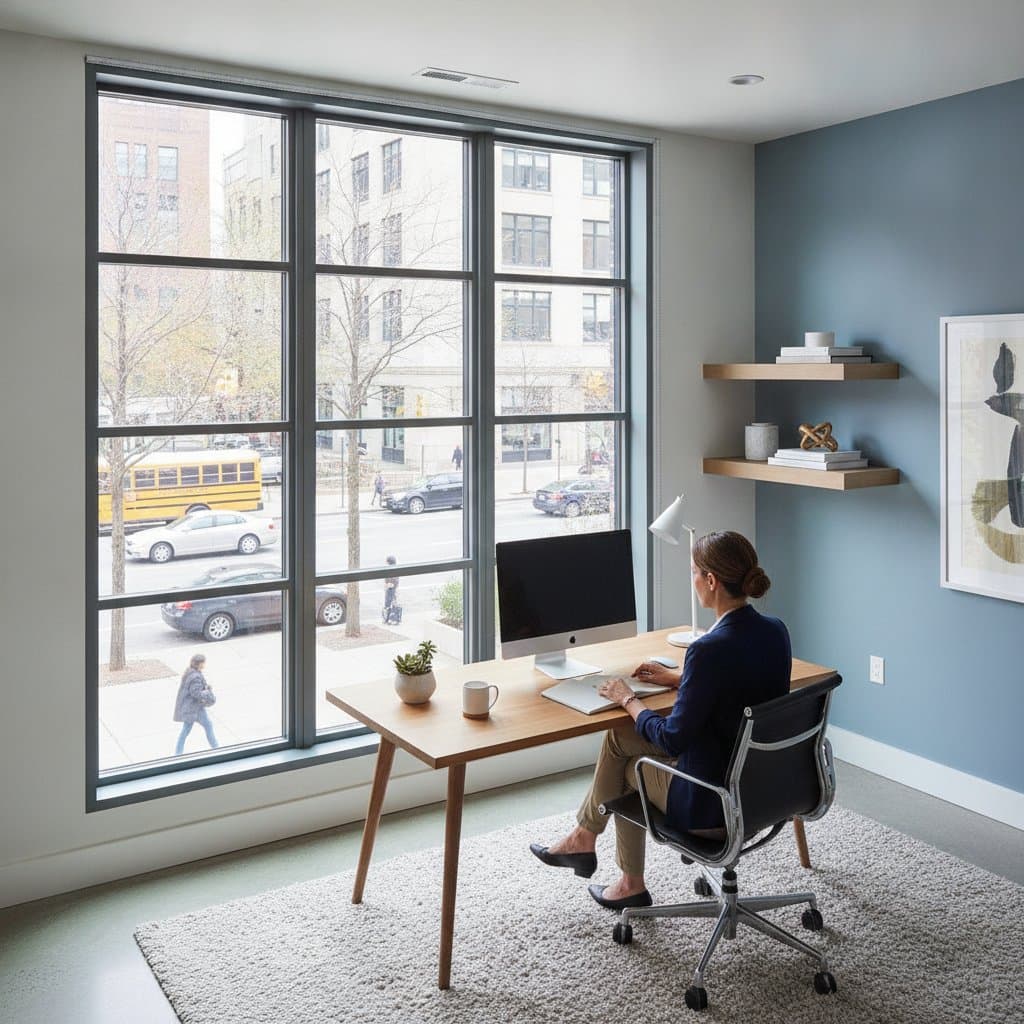
Prioritize orientation: street-facing rooms in bedrooms or offices gain most from upgrades, whereas rear or internal windows might suffice with standard treatments. This targeted approach maximizes return on investment without overextending budgets.
Optimizing Cost, Performance, and Comfort
Acoustic windows embody a strategic upgrade for quality living. Initial outlays recoup via daily peace, efficiency gains, and market uplift. Time integrations with full remodels to streamline expenses and disruptions.
Solicit bids from licensed specialists, scrutinizing portfolios, decibel guarantees, and compliance certifications. Detailed contracts outlining installation protocols ensure the promised 85 percent reduction materializes in practice.
Building Tranquility into Urban Living
Mitigating city clamor involves more than mechanics; it shapes spaces for renewal and productivity. Acoustic windows serve as a seamless shield, harmonizing technical prowess with personal sanctuary. Whether retrofitting an apartment or specifying for new construction, they elevate everyday existence amid metropolitan bustle.