Reduce Urban Noise by 85 Percent with Advanced 2025 Soundproof Windows
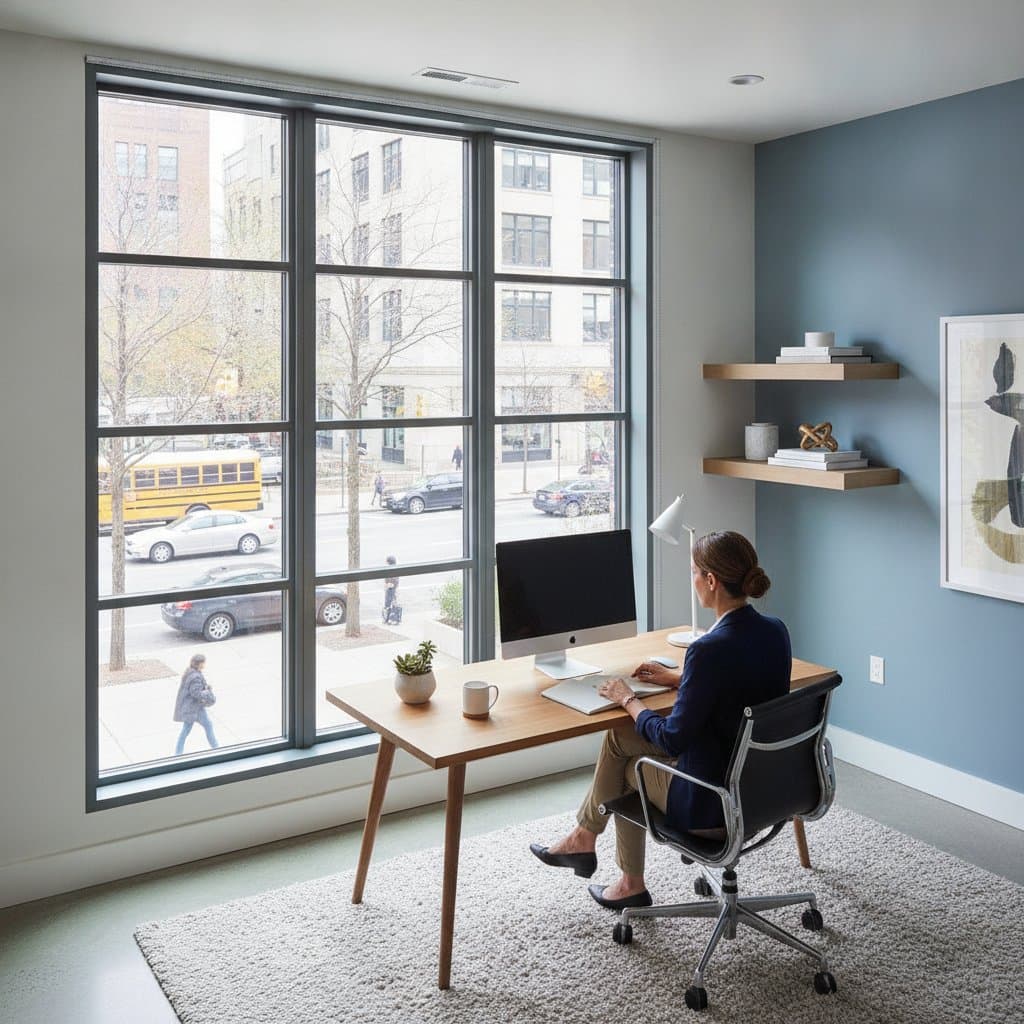
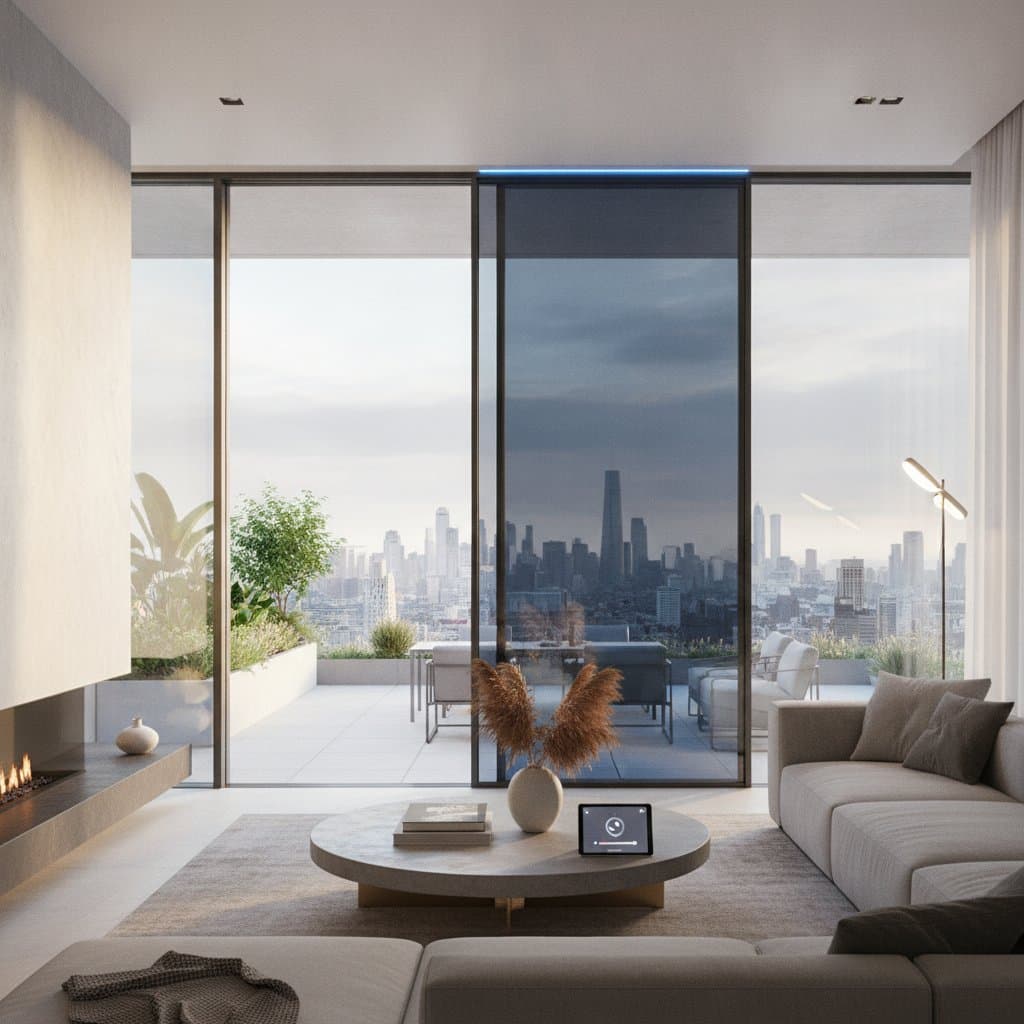
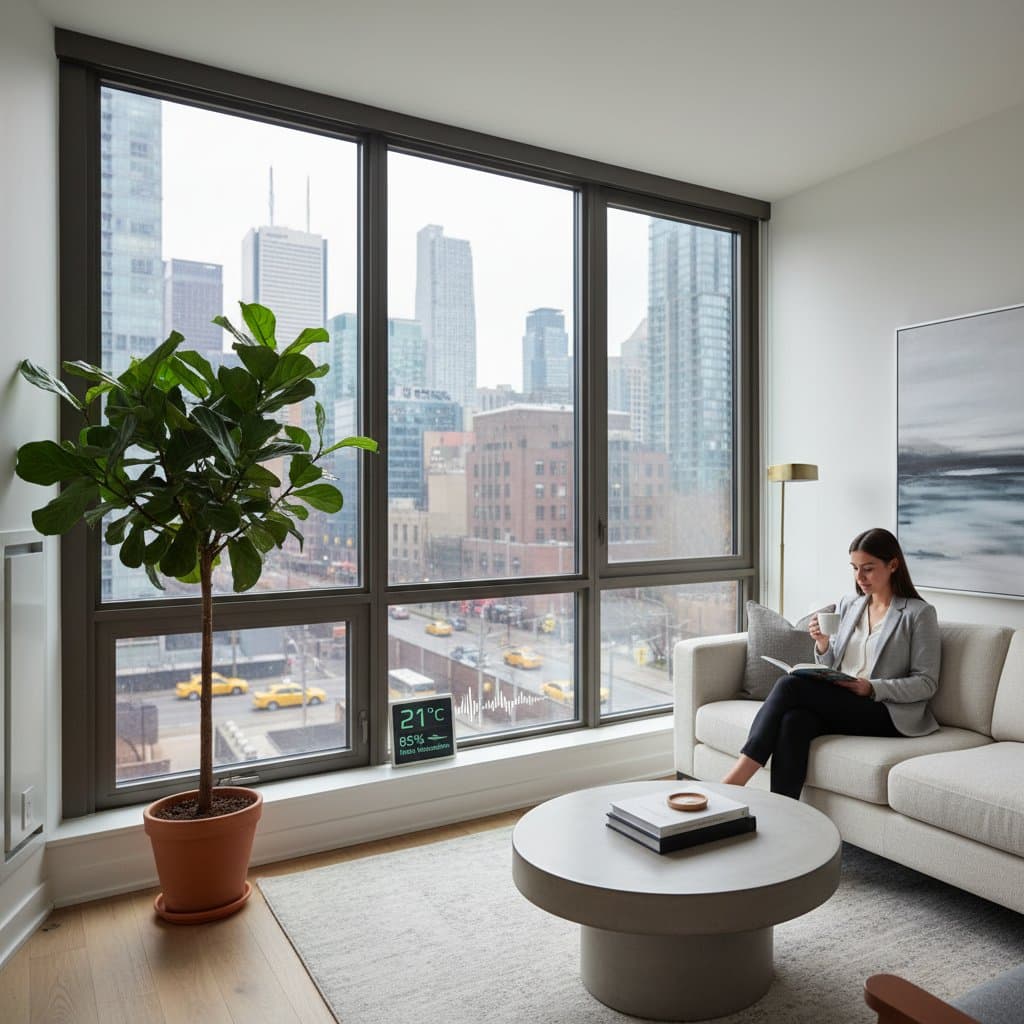
Urban environments provide vibrant energy and accessibility, yet persistent noise from traffic, construction sites, and nightlife often disrupts daily life. Such sounds interfere with relaxation, productivity, and restful sleep. The newest advancements in soundproof window technology offer a solution that diminishes external noise by as much as 85 percent, creating a sanctuary within bustling surroundings without compromising on aesthetics or daylight access.
These innovations represent a significant upgrade for city dwellers seeking balance between convenience and calm. Homeowners report noticeable improvements in mental clarity and overall well-being after installation. By integrating cutting-edge materials and engineering, these windows address a common urban challenge effectively.
The Mechanics Behind Soundproof Windows
Soundproof windows employ multiple layers of specialized glass, robust insulated frames, and airtight seals to neutralize airborne sound waves. Designs typically incorporate double- or triple-pane configurations filled with argon or krypton gas, which dampens vibrations and prevents noise penetration. The spacing between panes, combined with viscoelastic interlayers in laminated glass, absorbs frequencies ranging from high-pitched horns to rumbling engines.
Frames constructed from composite materials or reinforced vinyl minimize structural resonance, directing sound energy away from interior areas. Seals made from dense rubber or silicone compounds ensure no gaps allow sound leakage. This combination not only blocks noise but also enhances thermal performance, keeping interiors comfortable year-round.
Homeowners appreciate that these windows blend seamlessly with existing decor. Available in various finishes and tints, they preserve the visual flow of modern interiors while delivering superior acoustic isolation.
Key Options in Acoustic Window Designs
Various configurations cater to different noise levels and property types, each with distinct performance metrics. Consider factors such as decibel reduction ratings, typically measured in Rw values, to gauge effectiveness. The following table compares popular types:
| Window Type | Noise Reduction (dB) | Maintenance Level | Ideal Applications |
|---|---|---|---|
| Double-pane with gas fill | 30-40 | Low | Suburban homes with moderate traffic |
| Laminated acoustic glass | 40-50 | Low | Urban apartments near busy roads |
| Triple-pane composite | 50+ | Moderate | Properties adjacent to airports |
Laminated glass stands out for its versatility, offering high reduction without excessive weight. Triple-pane systems excel in high-decibel zones, though they require sturdier frames. Select based on site-specific noise assessments for optimal results.
Budget-conscious buyers might start with upgraded double-pane units, which provide solid value. Professional consultations help match options to individual needs, ensuring long-term satisfaction.
Assessing Costs, Savings, and Durability
Initial expenses for soundproof windows range from 20 to 50 percent higher than standard models, depending on size and features. A typical mid-range installation for a standard living room window might cost between 800 and 1500 dollars per unit. However, energy savings from improved insulation often recoup investments within five to seven years.
These windows lower utility bills by reducing heat loss in winter and heat gain in summer. Enhanced quietude translates to indirect benefits, such as decreased stress and improved focus, which enhance daily productivity. Resale value increases as well, with energy-efficient upgrades appealing to future buyers.
Durability remains a strong suit. High-quality units withstand 20 to 30 years of use with proper care. Clean glass surfaces using microfiber cloths and mild soap solutions quarterly. Inspect seals annually for wear, and address any issues promptly to maintain peak performance. Manufacturers often provide 10- to 20-year warranties covering defects in materials and workmanship.
Step-by-Step Installation Process
Engage certified professionals to maximize acoustic benefits and avoid common pitfalls. The process commences with a thorough on-site evaluation, including noise level measurements and structural analysis of current frames. Technicians use laser tools for precise dimensions, accounting for any irregularities in walls or sills.
Removal of old windows involves careful disconnection of hardware and protection of surrounding areas to prevent damage. New frames install with adjustable shims for level alignment, followed by secure fastening to studs. Acoustic caulking applied around perimeters creates an impenetrable barrier against sound and air infiltration.
Final testing confirms functionality: panes operate smoothly, locks engage securely, and no drafts occur. Most projects span one to two days per room, minimizing household disruption. Post-installation advice includes monitoring for settling and scheduling follow-up checks after six months.
Tailoring Choices to Your Needs
Determine the best fit by evaluating your location's noise profile, perhaps through free online decibel calculators or professional audits. For residences overlooking major thoroughfares, prioritize laminated glass with at least 45 dB reduction. In mixed-use buildings, combine soundproofing with UV-protective coatings to filter light without darkening rooms.
Aesthetic considerations matter equally. Opt for slim profiles in contemporary spaces or wood-clad frames for traditional homes. Budget allocation should cover 10 to 15 percent extra for custom sizing or hardware upgrades. Review independent lab tests for Rw and STC ratings to verify claims before finalizing selections.
Consult multiple suppliers to compare quotes and timelines. Factor in rebates for energy-efficient products, which can offset costs significantly.
Building Lasting Serenity in Urban Settings
Investing in soundproof windows elevates home life by fostering environments conducive to recharge and creativity. They complement broader sound management strategies, such as acoustic curtains or white noise machines, for comprehensive results. Ultimately, this upgrade secures privacy and efficiency, turning city challenges into opportunities for refined living.