Colored Grout Elevates Door Frames in 2026: Bold Lines That Redefine Entryways
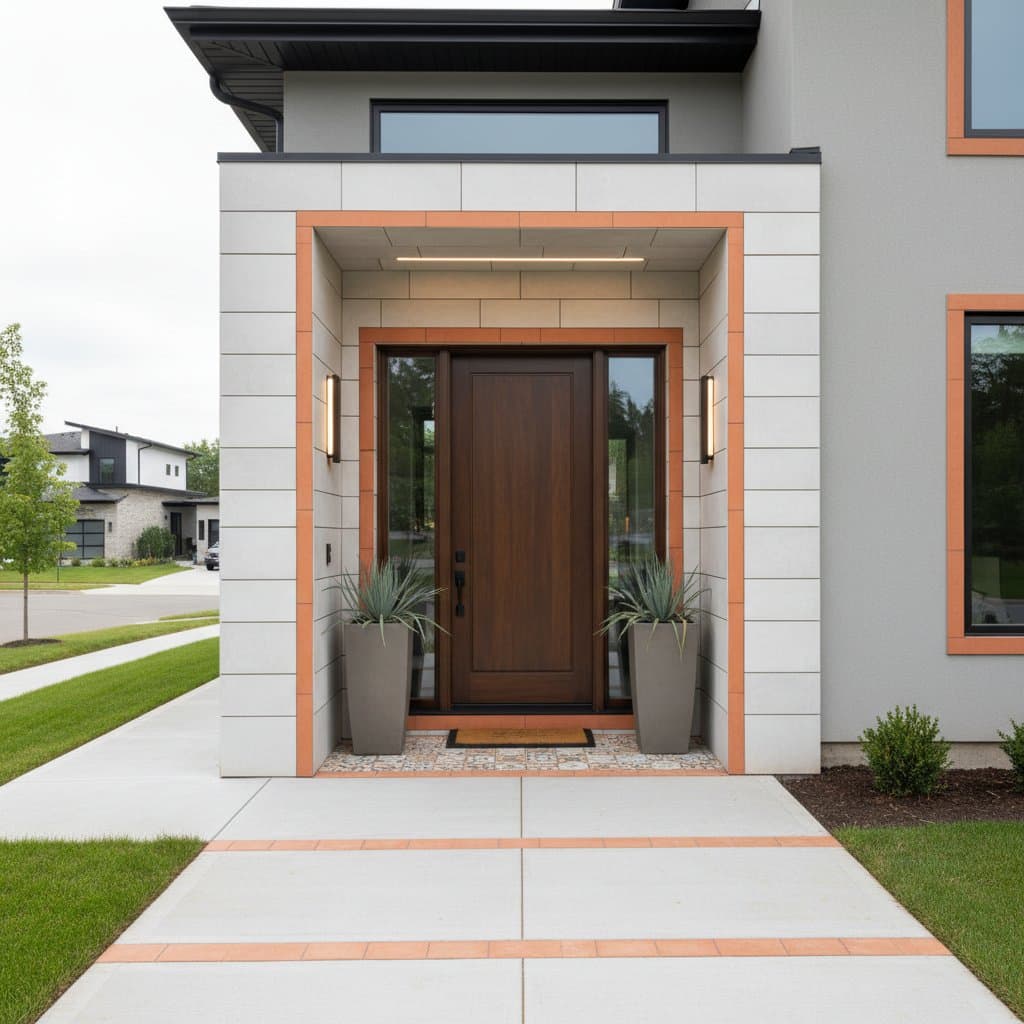
Vibrant grout extends beyond tile joints into the architectural spotlight. Previously confined to kitchens and bathrooms, tinted grout now outlines door frames, baseboards, and transition lines on contemporary exteriors. This approach creates a graphic, modern aesthetic that adds crisp definition to simple facades. The trend excels by balancing creativity with precision: a subtle gray line accentuates proportions, while a bold terracotta or navy hue elevates a quiet doorway into a striking design element.
This movement toward color-traced framing mirrors a growing demand for personalization. Homeowners move away from uniform white trim in favor of subtle yet impactful expressions of individuality. Colored grout fulfills this desire without necessitating structural alterations or extensive renovations. It introduces artful detail to standard architecture, enhancing visual interest with minimal effort.
Three Approaches to Achieve This Look
Budget-Friendly Approach ($200 - $1,000)
- Select pre-mixed colored grout from hardware stores and apply it to wood or composite door frames with a fine grout float or painter's edge tool.
- Opt for soft tones such as warm gray or sandy beige to complement natural wood or painted surfaces without dominating the overall design.
- Concentrate efforts on a single focal point, like the primary entry door, to control costs while establishing a strong visual anchor.
Mid-Range Approach ($1,000 - $3,500)
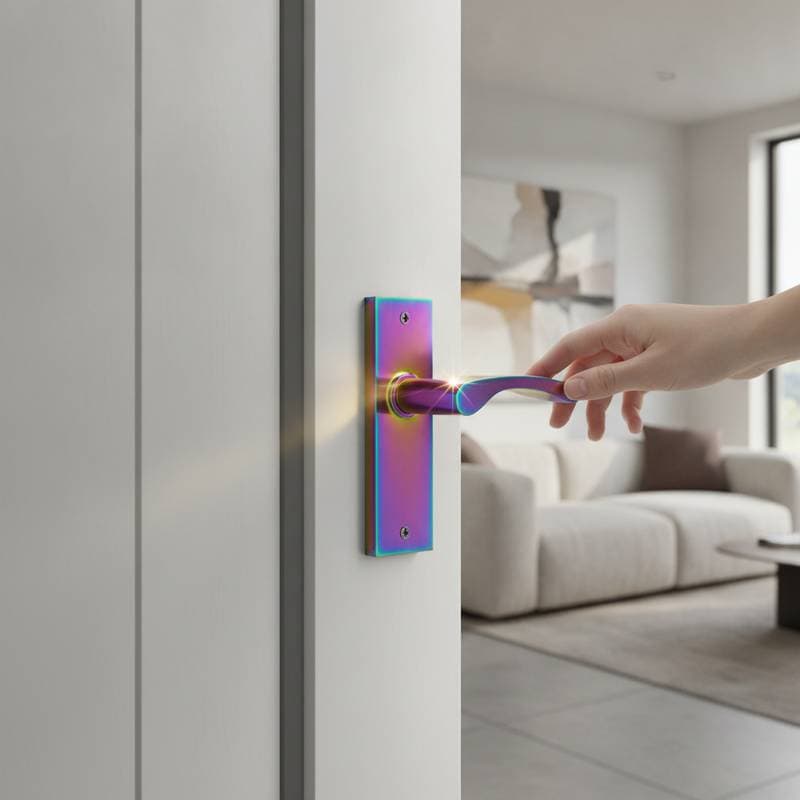
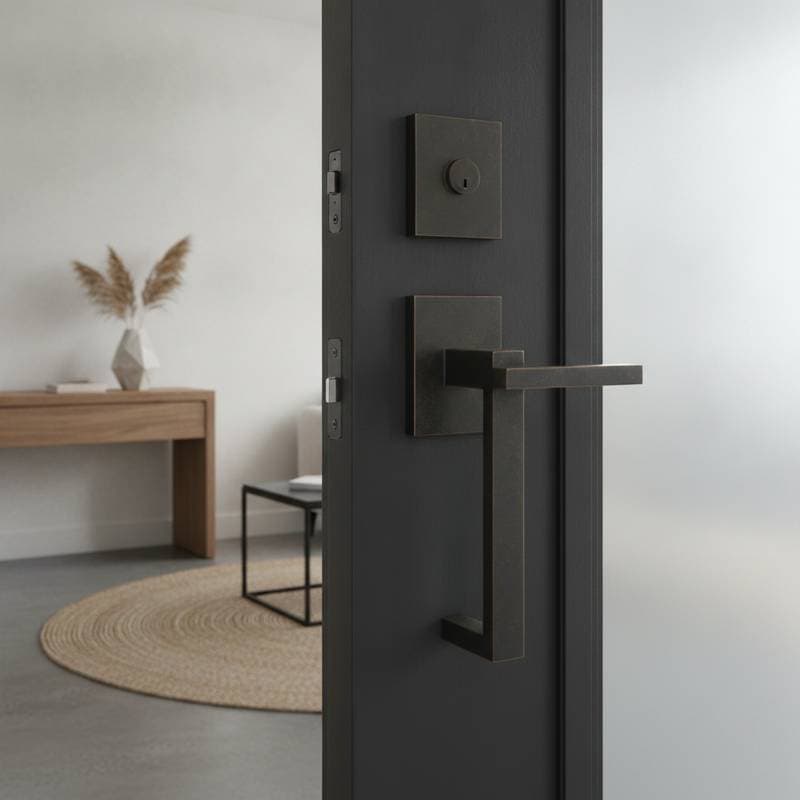
- Pair grout tinting with refreshed trim and door hardware to achieve a unified appearance.
- Choose flexible grout or sealant products formulated for exterior applications to withstand weather elements effectively.
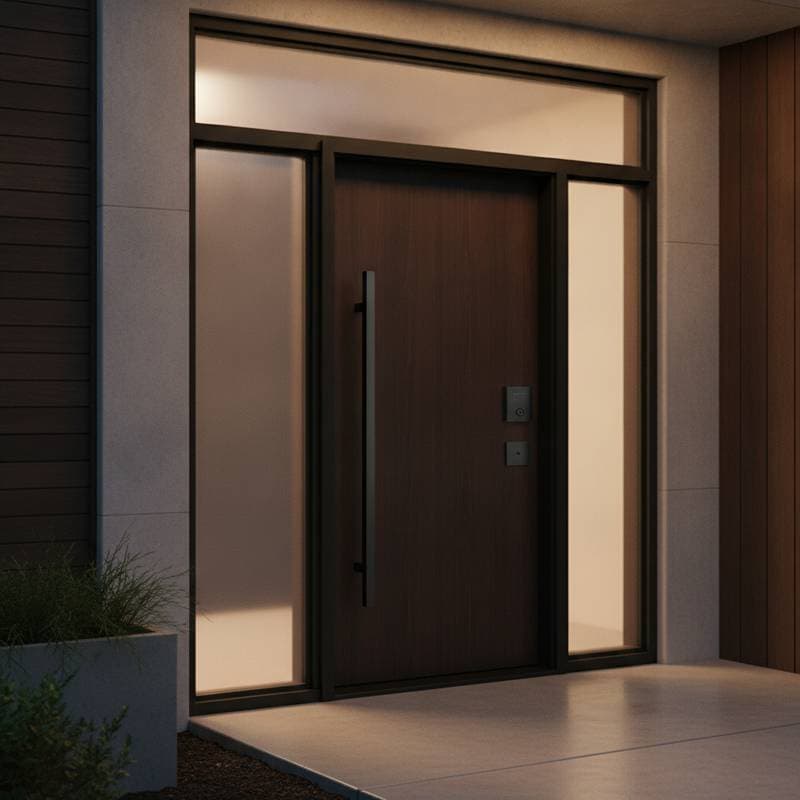
- Incorporate accent lighting around the framed area to amplify color contrast during evening hours.
Premium Approach ($3,500 - $10,000)
- Engage professionals to create custom-colored grout or microcement blends that align with upscale siding or stonework.
- Extend the framed effect to windows, garage doors, and secondary entrances for a cohesive architectural rhythm.
- Collaborate with a designer to match grout hues to facade materials, promoting enduring visual harmony and boosting resale value.
Material and Finish Selection Guide
- Windows: Pair anodized aluminum or composite frames in matte black, pewter, or clay with richly colored grout joints for a contemporary finish. For a gentler aesthetic, use white oak or ash frames outlined in muted shades like pale taupe or olive gray.
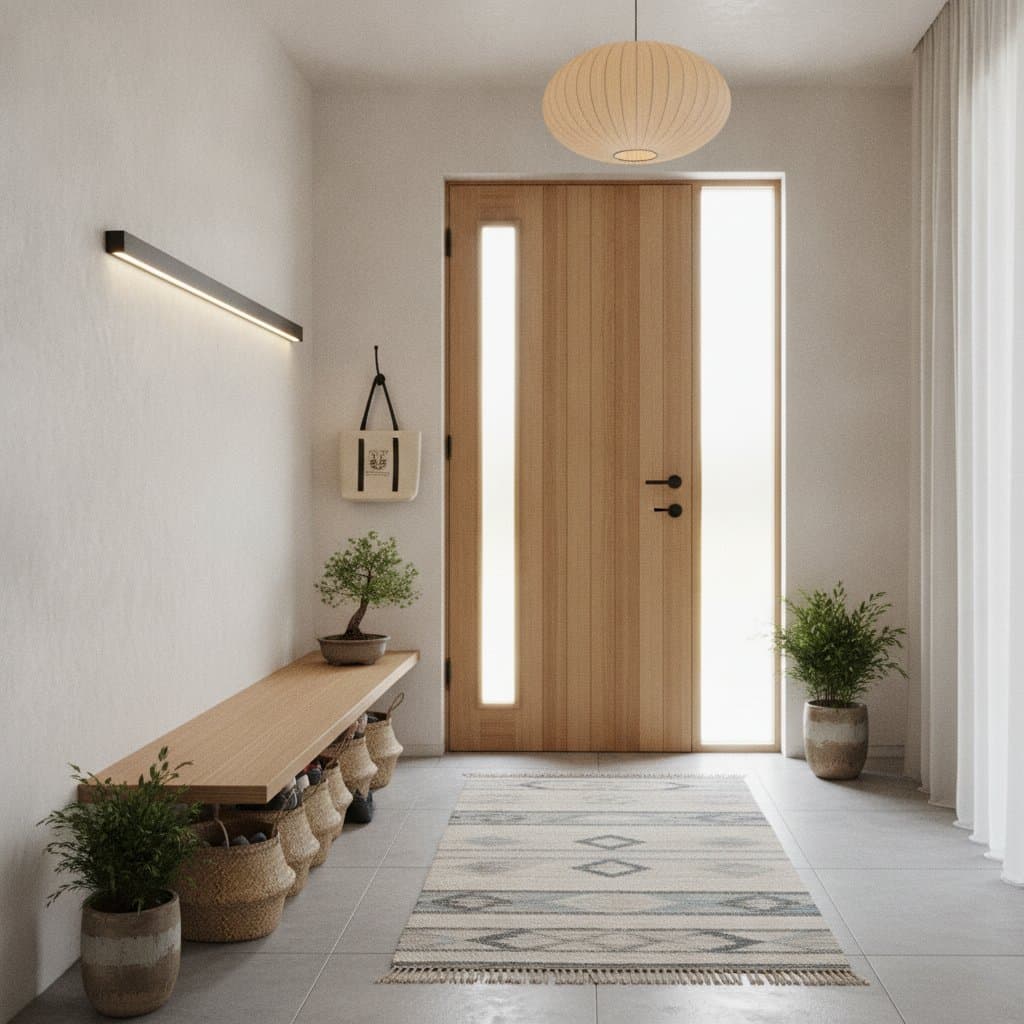
- Doors: Vertical grain lines on wood veneer doors gain prominence when edged in darker grout tones. Fiberglass doors adopt a concrete-inspired look with light gray grout. Steel doors framed in deep rust or graphite grout deliver a refined industrial vibe.
- Siding: Fiber cement or smooth stucco provides an ideal base for grout-accented trim. Steer clear of highly textured siding that might overshadow the grout's clean lines. Neutral tones like warm white, slate, or sand position the grout as deliberate design rather than unintended contrast.
- Trim and Accents: Align trim paint with the grout color instead of the door itself. This coordinated palette unifies architectural edges and prevents a disjointed, patchwork effect.
Essential Maintenance Considerations
Exterior colored grout demands diligent upkeep. Products engineered for outdoor use resist moisture, yet sealing remains crucial to avert fading or staining. Darker shades retain pigment more effectively over time, whereas lighter ones may require periodic touch-ups. Clean regularly with a soft brush and mild detergent to preserve sharp lines. Refrain from high-pressure washing, which can erode the surface or induce cracks. For wood-based frames, apply sealant yearly to guard against absorption and discoloration.
Common Pitfalls to Avoid
- Excessive Contrast: Vivid grout against dark siding risks appearing garish if overapplied. Restrict bold selections to key features, such as the front door or a prominent window.
- Material Incompatibility: Certain grouts fail to bond well with painted or sealed wood. Test on a small area prior to full implementation. Flexible grout or caulk-based colorants minimize cracking risks.
- Low-Quality Choices: Inexpensive grout lacking UV stabilizers fades rapidly in sunny locations. Invest in UV-protected options for sustained vibrancy.
- Neglected Upkeep: Vertical grout lines accumulate dust and pollen despite their position. Consistent wiping upholds the precise definition central to this trend's appeal.
Coordinating Colors and Styles
Colored grout integrates seamlessly when it supports rather than overshadows the home's architectural essence. The following palette suits varied exteriors:
- Charcoal Gray: Delivers sharp neutrality for white or light stone facades.
- Terracotta Clay: Infuses warmth into natural wood or stucco settings.
- Deep Navy: Harmonizes with pale gray siding in coastal or modern contexts.
- Soft Sage: Introduces gentle color that respects natural materials.
- Warm Sand: Enhances beige or taupe exteriors with subtle unity.
Photography and Planning Checklist
- Capture existing exterior images from various angles, including detailed shots of trim and siding textures.
- Assess the home's architectural style and identify recurring lines or framing motifs.
- Document neighborhood aesthetics and any homeowner association guidelines on exterior colors.
- Note local climate factors, like humidity or intense sunlight, to inform material selections for durability.
- Establish a budget range and prioritize elements such as front door prominence, curb appeal, or ease of maintenance.
Realizing Enduring Exterior Enhancements
Colored grout on door frames transcends temporary trends, embodying a commitment to meticulous craftsmanship and personal expression in outdoor design. This method equips homeowners with a versatile means to highlight geometric forms, bypassing the need for elaborate molding or decorative trim. Through straightforward DIY methods or comprehensive professional updates, tinted grout reshapes how light and color engage with a home's facade, yielding timeless sophistication.