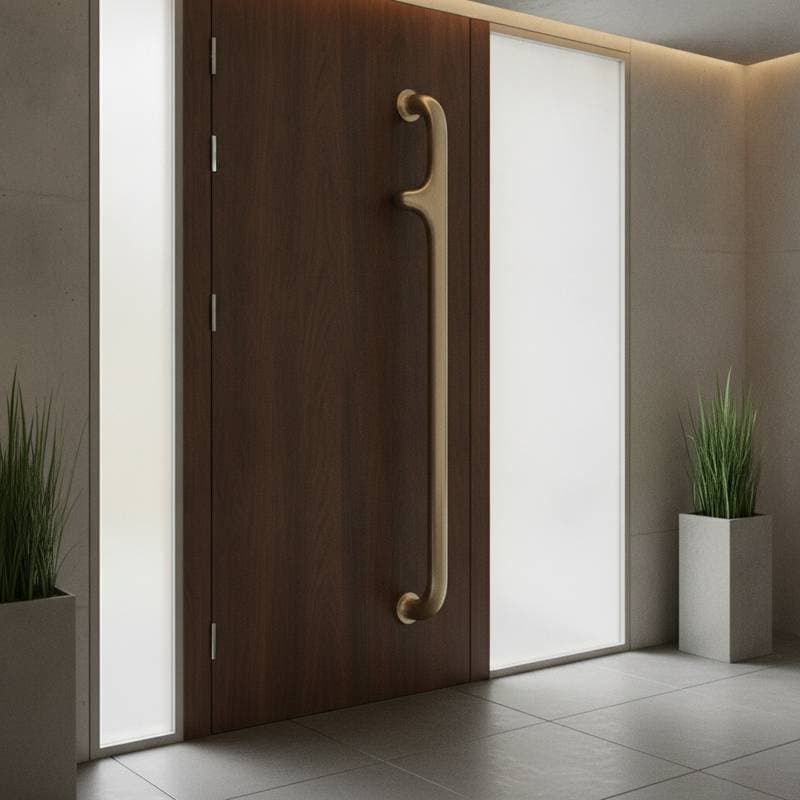
Why Clay-Finish Door Hardware Leads Brass 3:1 in 2025 Trends
Homeowners increasingly seek finishes that evoke natural warmth and subtlety. In the evolving landscape of door hardware, clay-finish options now outsell traditional brass by a 3:1 margin. This preference highlights a broader movement toward textures that integrate seamlessly with interior elements, prioritizing tactile appeal over reflective shine.
The Unique Appeal of Clay-Finish Hardware
Clay finishes deliver a soft, matte surface with an earthy undertone that harmonizes with contemporary and transitional spaces. This contrasts with brass, which captures light and creates focal points. Instead, clay enhances the inherent patterns in wood doors, allowing grains and hues to stand out without competition.
Design consultant Maria Keene of Keene Interiors notes, “Homeowners want finishes that feel authentic. Clay gives that natural look without the maintenance challenges of high-polish metals.”
Such authenticity stems from clay's composition, often mimicking terracotta or stone through advanced powder coatings. These materials provide a velvety touch that invites interaction, making doors feel more approachable in daily use.
Cost Breakdown: Clay-Finish Versus Brass
Brass holds prestige as a luxury material, yet it carries elevated prices and care requirements. Clay-finish hardware benefits from streamlined production methods, driving down costs amid rising popularity.
| Material/Finish | Average Cost per Door Set | Maintenance Needs | Style Fit |
|---|---|---|---|
| Clay Finish | $60 to $130 | Low, occasional wipe down | Modern, rustic, Scandinavian |
| Matte Brass | $90 to $180 | Moderate, may tarnish | Traditional, vintage, eclectic |
For a complete home retrofit, clay-finish sets total $600 to $1,200, while brass equivalents range from $1,000 to $2,000. Savings arise from robust sealants in clay that prevent everyday wear, unlike brass that needs regular treatments to combat oxidation.
Versatility in Design and Color Coordination
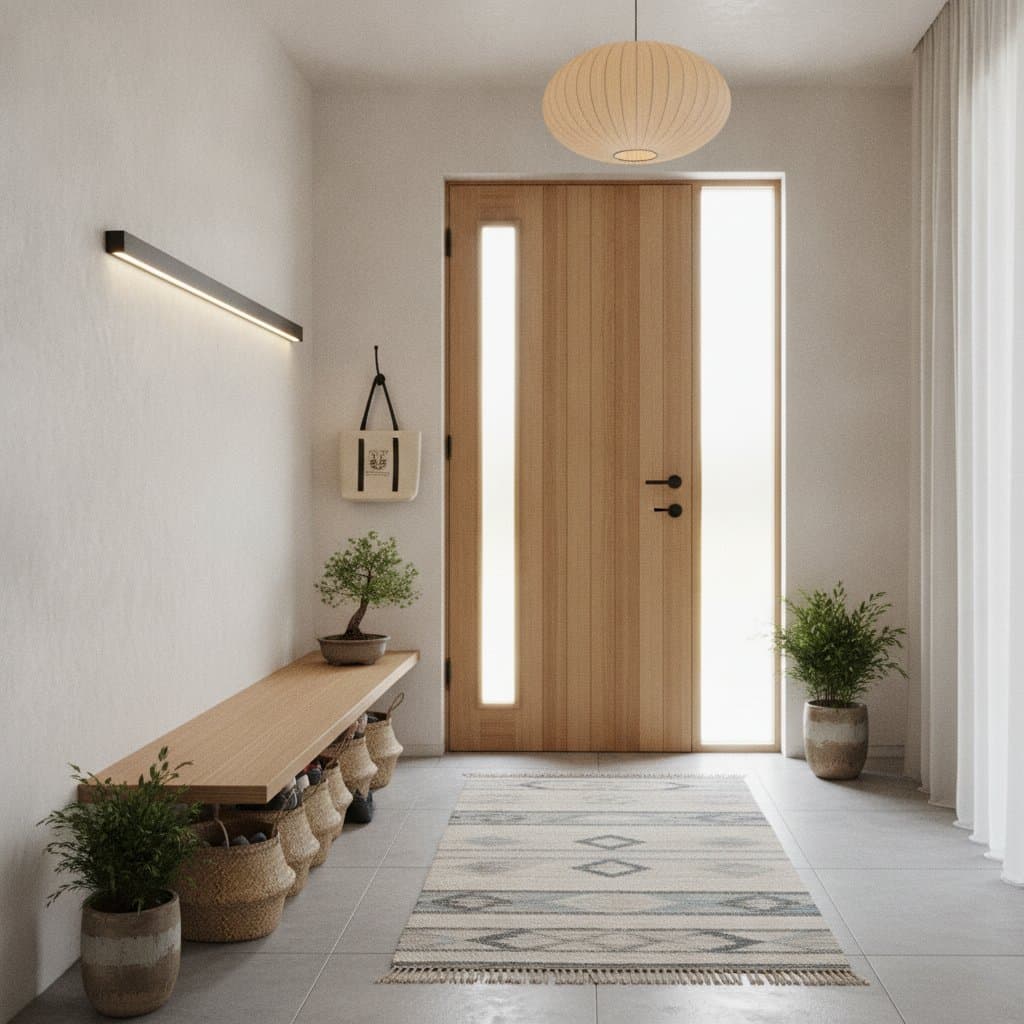
Clay finishes adapt to diverse door substrates, from stained woods to painted surfaces. They excel alongside light oak for airy minimalism, walnut for depth, or neutral paints in shades like soft white, cool gray, or muted sage.
This adaptability extends to hardware varieties:
- Lever handles featuring ergonomic curves and non-slip grips
- Backplates and hinges designed for subtle integration
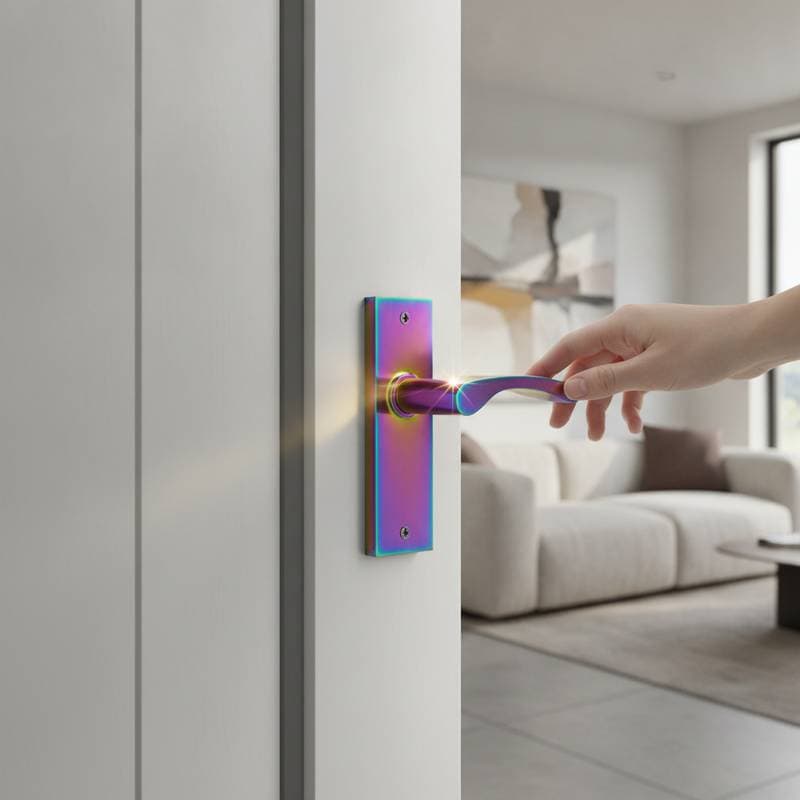
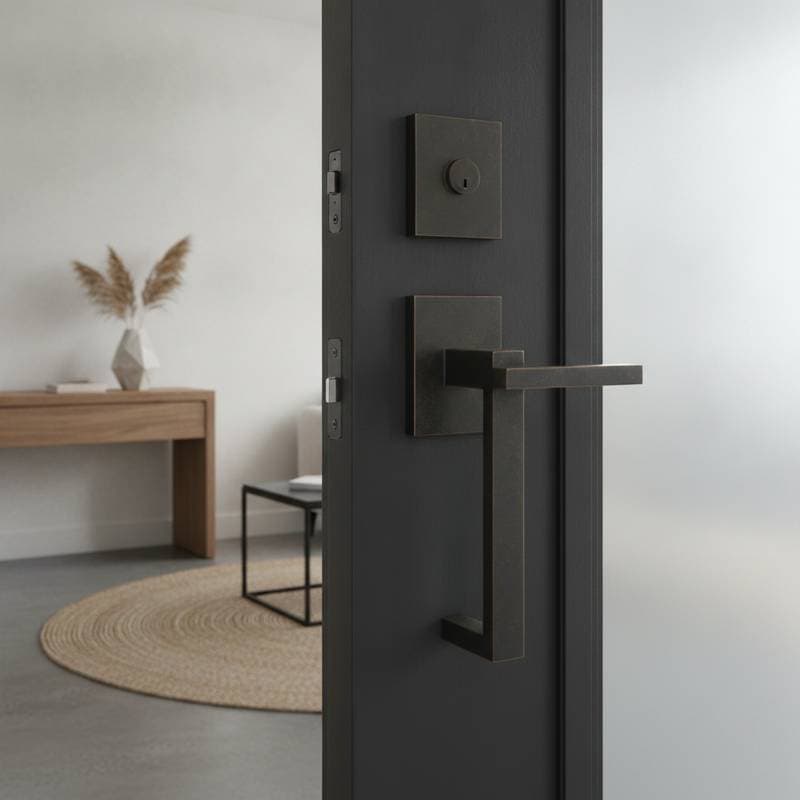
- Locksets with uniform matte layers that conceal fingerprints
Brass suits ornate settings with its golden patina, but clay fosters tranquility in versatile rooms. By emphasizing tone over gleam, clay unifies spaces where layered textures define the ambiance.
Key Reasons Homeowners Select Clay Over Brass
Multiple attributes fuel the adoption of clay finishes:
- Maintenance simplicity: Surfaces resist buildup, needing only light cleaning.
- Design neutrality: Tones balance warm woods and cool accents alike.
- Durability: Coatings withstand daily handling and environmental factors.
- Sustainability: Production involves reduced volatile compounds and recyclable bases.
Contractor James Holloway from Holloway Doorworks observes, “We’re seeing clients move toward clay finishes because they fit every design. They don’t clash with fixtures or flooring, and they age better than brass in humid environments.”
These benefits address practical concerns, such as fading in high-traffic areas or incompatibility with bold cabinetry.
Practical Installation and Long-Term Performance
The setup for clay-finish hardware mirrors standard procedures, yet its texture hides imperfections from handling. Scratches from tools or adjustments blend into the surface, simplifying the process for professionals and DIY enthusiasts.
Expect 10 to 15 years of consistent performance before subtle wear appears. To preserve the finish:
- Clean monthly using a microfiber cloth and mild soap solution.
- Steer clear of chemical polishes that could erode the coating.
- Check yearly for secure fittings and smooth mechanics.
In contrast, brass demands frequent buffing in moisture-prone zones like kitchens or entryways, where patina develops unevenly.
Selecting Clay-Finish for Your Interior Update
When refreshing door hardware, clay-finish provides an optimal mix of aesthetics and utility. It infuses spaces with organic warmth while minimizing effort and expense. Ideal for homes blending sleek lines with cozy elements, clay ensures harmony across varied motifs.
Though brass endures in classic applications, clay's flexibility aligns with forward-thinking designs. This choice cultivates serene, cohesive environments that evolve gracefully over time.
Sustaining Clay-Finish Hardware Performance
Protect your hardware investment through routine care and mindful use. Gentle handling and periodic reviews maintain its appeal, delivering enduring value in every room.