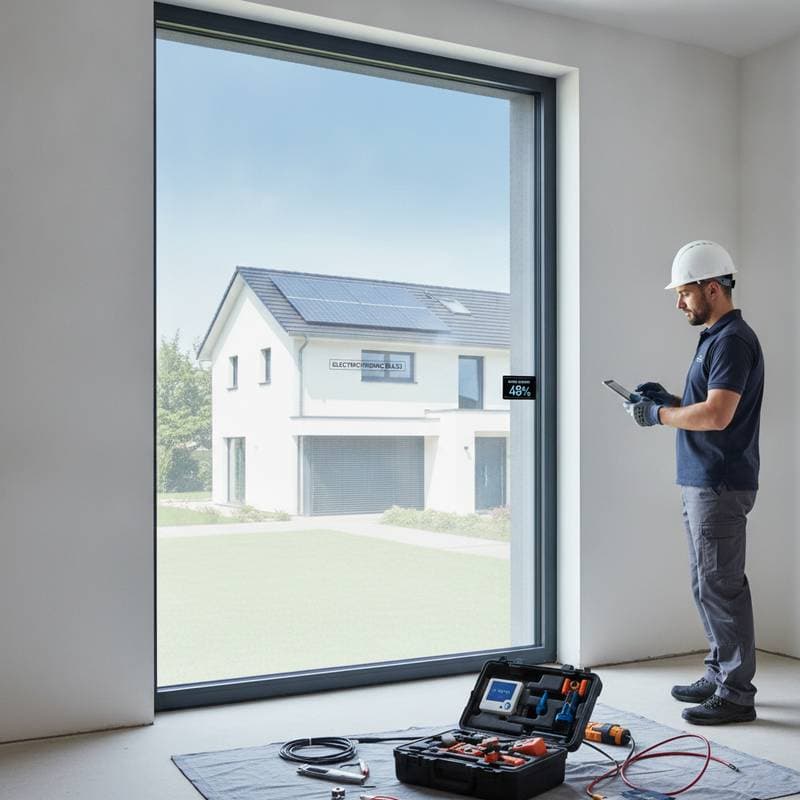
Casement Windows Lead Remodel Trends 3:1 Over Competitors
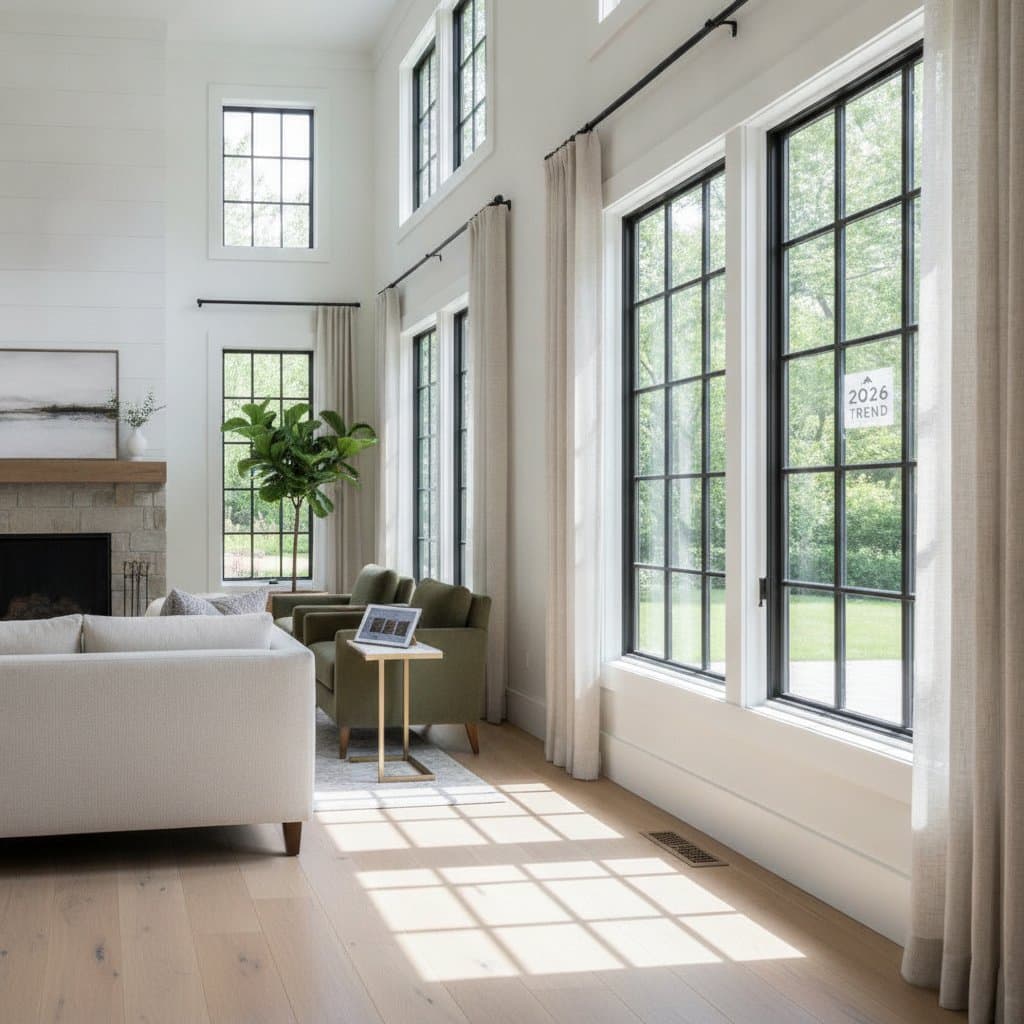
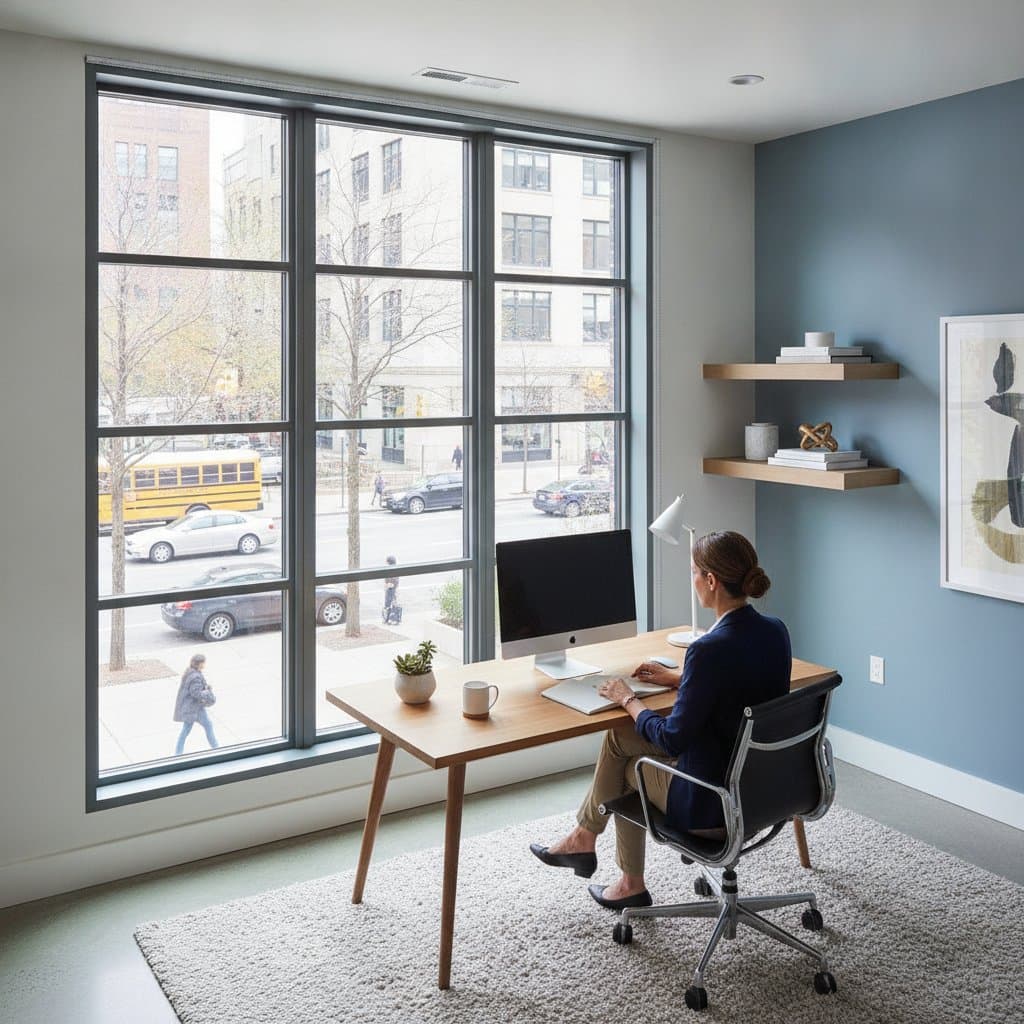
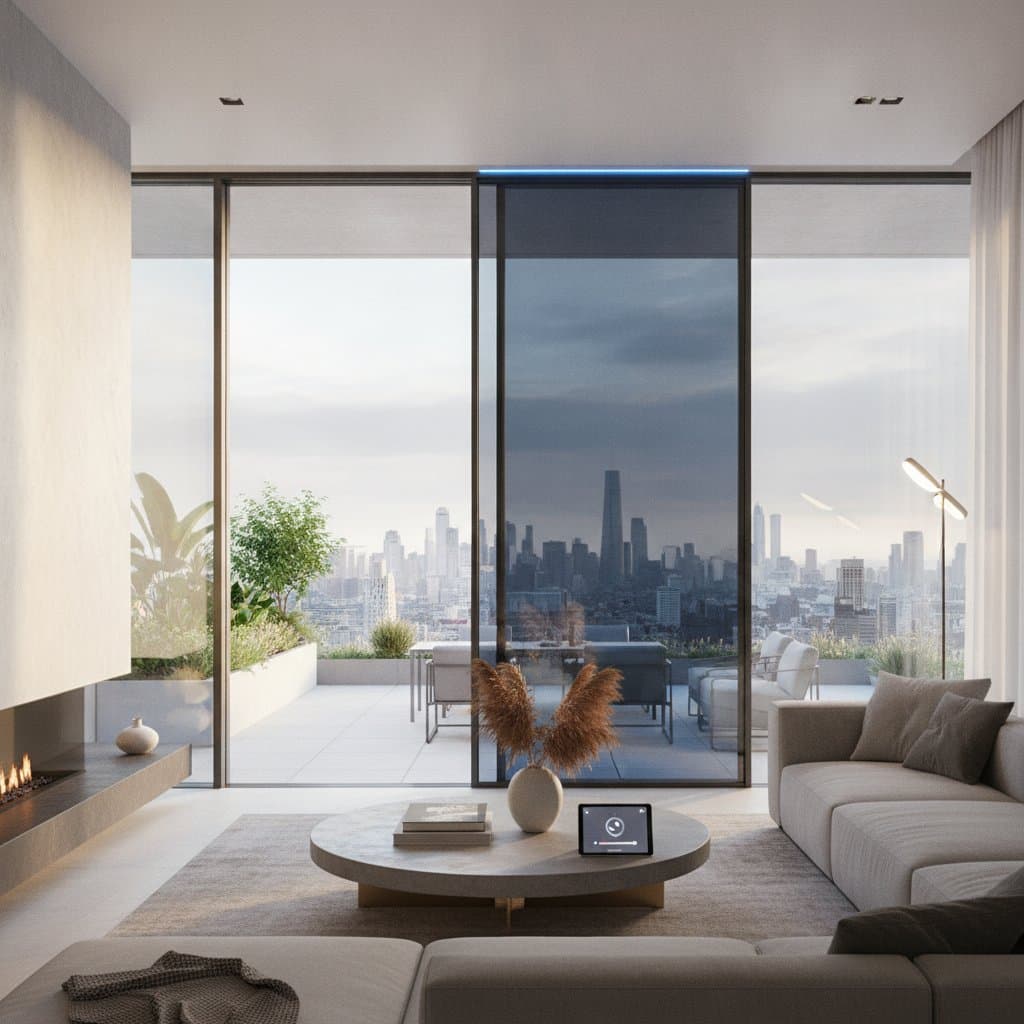
Casement windows command attention in contemporary exterior remodels, surpassing other window varieties by a substantial 3:1 margin. Their streamlined profiles, full-view sightlines, and robust energy performance position them as the preferred option for homeowners seeking seamless integration of utility and sophistication. As sustainability and aesthetic enhancement gain prominence, these windows strike an ideal equilibrium between operational excellence and striking visual impact.
Three Strategies to Achieve the Casement Aesthetic
Budget-Friendly Strategy ($4,000 - $7,000)
- Material Selection: Vinyl casement windows deliver contemporary lines and solid thermal resistance at an accessible cost point.
- Expense-Reduction Method: Prioritize replacement of street-facing windows to instantly revitalize exterior presence, deferring back-of-house updates to future stages.
- Strategic Upgrade: Select exterior frames in black or dark bronze to evoke upscale architectural presence without incurring luxury material expenses.
Mid-Tier Strategy ($8,000 - $14,000)
- Material Balance: Fiberglass or composite frames surpass vinyl in insulation quality and load-bearing capacity.
- Efficiency Enhancement: Incorporate dual-pane glass with low-emissivity coatings to optimize heat retention and natural light transmission.
- Aesthetic Refinement: Integrate divided lite grilles or bespoke hardware in finishes that align with your residence's stylistic heritage.
Premium Strategy ($15,000 - $25,000)
- Elite Materials: Wood-clad casement windows fuse interior organic textures with resilient aluminum cladding for elemental safeguarding.
- Luxury Elements: Feature hidden hinges, built-in insect screens, and bespoke interior stains or paints to amplify artisanal appeal.
- Enduring Benefits: High-caliber components paired with meticulous installation amplify property marketability and cumulative energy reductions over years.
Guide to Materials and Finishes
- Window Specifications: Opt for narrow-profile casement units in matte black, dark bronze, or timeless white to harmonize with diverse siding palettes. Pair with crank mechanisms in brushed nickel or oil-rubbed bronze for cohesive detailing.
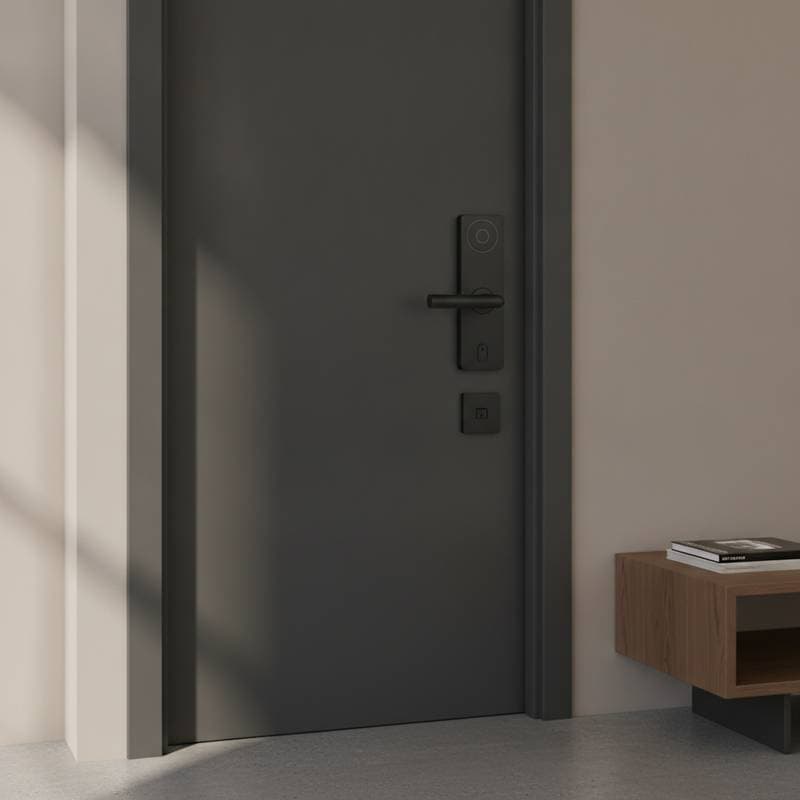
- Complementary Doors: Coordinate with fiberglass or steel front doors that include slim sidelites and synchronized metallic accents to foster unified exterior composition.
- Siding Options: Employ vertical board-and-batten or sleek lap configurations to accentuate the rectilinear forms of casement windows. Fiber cement or engineered wood variants ensure enduring, low-effort resilience.
- Trim and Detailing: Utilize broad trim boards in subtle contrasting hues like warm gray or soft white to encase casement windows, establishing a rhythmic architectural flow.
Essential Maintenance Insights
Vinyl and fiberglass casements demand little beyond routine seasonal washing. Wood-clad interiors benefit from periodic sealing or refinishing to sustain their luster. Aluminum exteriors on clad models withstand discoloration and rust effectively, suiting maritime or high-humidity environments. Conduct yearly reviews of seals and mechanisms to sustain effortless functionality and thermal integrity.
Common Pitfalls to Sidestep
- Neglecting Airflow Dynamics: These windows swing outward fully, so position them to facilitate circulation without obstructing paths or patio setups.
- Disregarding Hue Uniformity: Varied frame shades across facades can fracture visual cohesion; commit to a single palette for all external apertures.
- Overlooking Exposure Risks: Wood elements in low-light, moist locales invite fungal growth; pivot to composite or clad alternatives for such zones.
Harmonizing Colors and Styles
A thoughtful color scheme amplifies the precise lines of casement windows.
- Contemporary Edge: Charcoal frames against white siding, accented by light oak entryways.
- Seaside Serenity: Pale gray panels, white borders, and beige-toned window surrounds.
- Traditional Depth: Rich brown casements, cream lap siding, and cherry wood front doors.
Pre-Selection Documentation Essentials
Homeowners preparing for casement integration should capture:
- Comprehensive exterior shots from varied perspectives
- Prevailing architectural motifs and trim configurations
- Local aesthetic norms alongside regulatory constraints
- Climatic influences, including sun exposure and humidity levels
- Allocated funds and focal zones for expenditure
Integrating Casement Windows for Lasting Impact
Casement windows fuse meticulous design with reliable operation, yielding exteriors that radiate modernity, efficiency, and permanence. Selected with care, they elevate residential allure and livability while equilibrating elegance, robustness, and care requirements.