Bronze-Aged Hardware: The Case for Investing in Enduring Quality
Interior design trends come and go, yet some materials achieve timeless status. Bronze-aged hardware exemplifies this longevity, enhancing high-end interiors with its subtle warmth and robust construction. Homeowners increasingly allocate $800 or more per set, recognizing the blend of aesthetic appeal, superior craftsmanship, and practical value that these pieces provide in traditional and contemporary settings alike.
The Unique Appeal of Bronze-Aged Hardware
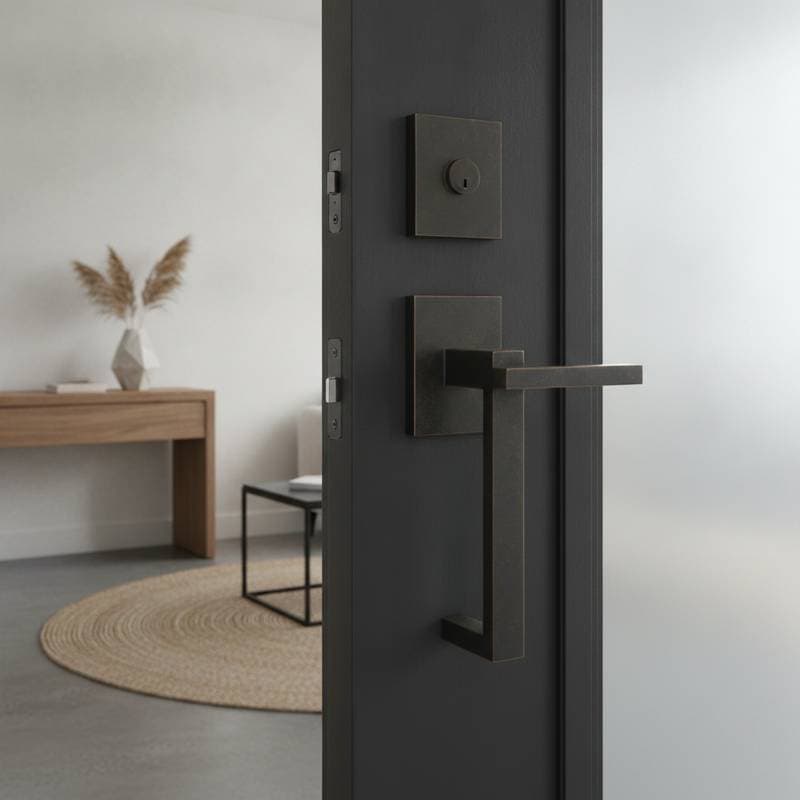
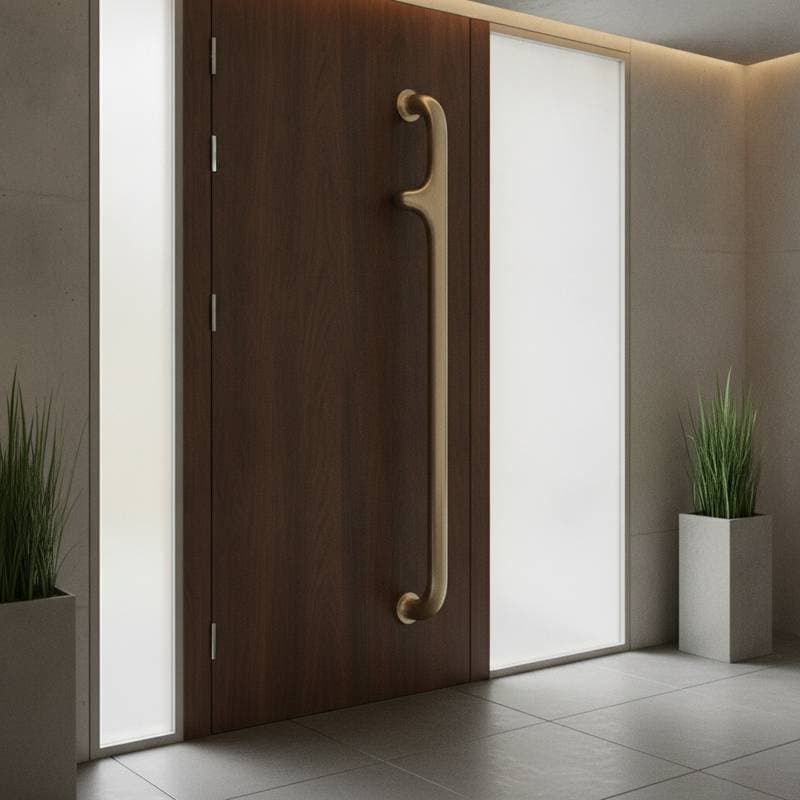
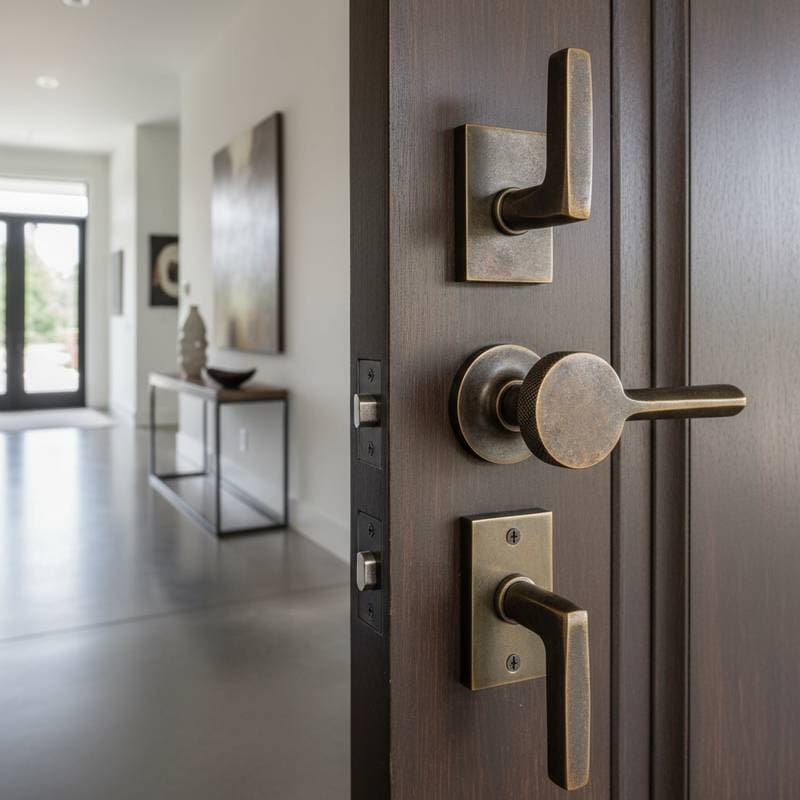
Bronze-aged hardware merges historical charm with contemporary reliability. Its developing patina introduces a soft glow that complements diverse aesthetics, from cozy rustic kitchens to minimalist living areas. This finish adds visual interest and a satisfying heft to doors and cabinets, transforming everyday elements into focal points.
Durability sets bronze apart from fleeting alternatives. The material withstands corrosion while acquiring a personalized sheen from regular contact. Over time, each piece evolves uniquely, recording the rhythm of home life without showing undue signs of wear.
Craftsmanship Behind Premium Bronze and Aged Brass
Premium bronze hardware commands its price through exacting production methods and material purity. Inexpensive imitations, often made from coated alloys, lose their luster quickly under daily use. Authentic bronze, however, features inherent richness and variation that surface treatments cannot duplicate.
Artisans produce these items in limited runs, hand-finishing each component and inducing oxidation for the signature aged look. This hands-on approach ensures precision in fit and function, justifying the investment in sets that endure for generations. Homeowners gain peace of mind knowing their hardware will align seamlessly with custom wood doors and frames.
Bronze Versus Aged Brass: Key Differences
Bronze and aged brass both offer warm undertones, but their profiles differ subtly. Bronze provides a deeper, more subdued richness, ideal for grounding spaces. Aged brass introduces a brighter, golden warmth that lifts lighter palettes.
| Material | Typical Cost per Set | Expected Lifespan | Maintenance Needs | Ideal Applications |
|---|---|---|---|---|
| Bronze-Aged Hardware | $800 to $1,200 | 50+ years | Light polishing every few years | Deep-toned woods, stone accents, and heritage-style homes |
| Aged Brass Hardware | $600 to $900 | 50+ years | Regular dusting and occasional waxing | Neutral walls, transitional designs, and brighter rooms |
Bronze pairs effectively with mahogany doors or slate floors, creating cohesive depth. Aged brass enhances oak cabinetry or soft beige interiors, promoting a sense of flow. Selecting one over the other hinges on how the finish interacts with natural and artificial light in your space.
Long-Term Performance Benefits
Bronze-aged hardware excels in longevity, forming a protective patina that shields the core metal from environmental factors. This natural process prevents the flaking common in electroplated options, allowing the finish to mature gracefully. Pieces often survive multiple home updates, ready for relocation without refurbishment.
The evolving appearance adds character; exposure to air and hands creates subtle gradients that personalize each installation. This adaptability means hardware can transition from a new build to a renovated interior, maintaining its integrity throughout.
Step-by-Step Installation Guide
Proper installation maximizes the hardware's potential and lifespan. Begin by assessing your doors: measure strike plates, bore holes, and hinge placements accurately, as bronze components carry more weight than standard varieties.
- Site Preparation: Remove old hardware and inspect for damage. Reinforce frames if needed to support the added mass, using shims for level alignment.
- Hardware Fitting: Test-fit components dry before securing. Align hinges to ensure even door swing, and position handles at ergonomic heights—typically 36 to 42 inches from the floor.
- Securing Elements: Use manufacturer-recommended screws with moderate torque to avoid warping. For latches, verify smooth engagement without binding.
- Final Checks: Operate doors repeatedly to confirm quiet, effortless movement. Inspect for gaps or inconsistencies in the finish.
- Protective Finish: Apply a clear wax layer post-installation to seal the patina. Reapply annually in high-use areas.
Engage a skilled carpenter for complex setups, especially on antique doors, to prevent misalignment that could stress the metal.
Everyday Maintenance Practices
Bronze-aged hardware demands minimal upkeep to preserve its allure. Wipe surfaces weekly with a soft, lint-free cloth dampened in warm water and neutral soap, then dry immediately to avert water spots.
Avoid abrasive pads or acidic cleaners, which erode the patina. For revival, buff gently with a microfiber cloth infused with conservation wax. In humid climates, position doors away from direct steam or salt air, and consider a silicone-based protectant for coastal homes.
Aged brass follows suit but benefits from fingerprint-resistant sprays. Consistent care ensures both materials retain their warmth without excessive effort, often requiring just seasonal attention.
Aligning Hardware with Your Home's Aesthetic
The tactile quality of bronze hardware influences daily interactions profoundly. A substantial handle offers reassuring grip, while precise hinges provide silent operation. Families with active lifestyles value this resilience, as the material resists impacts better than lighter metals.
Architecturally, bronze integrates seamlessly across eras—from Victorian moldings to mid-century panels. Layer it strategically: use bronze on exterior-facing doors for drama, and aged brass on bedrooms for subtlety. This approach fosters visual continuity while accommodating evolving tastes.
Making an Informed Selection
Evaluate bronze and aged brass based on your tolerance for natural aging and desired light reflection. Sample swatches under your home's lighting to gauge true tones, and factor in room humidity for patina development.
Budget for the full scope: include installation costs, which may add 20 to 30 percent for professional work. View the expenditure as acquiring heirlooms—hardware that appreciates in character and requires no frequent replacements.
Achieving Optimal Outcomes
Thoughtful selection and care transform bronze-aged hardware into enduring assets. These pieces not only withstand time but enhance it, infusing spaces with authentic warmth and reliability. Invest in them to craft interiors that resonate with quality and invite lasting admiration.