The Rise of Minimalist Wood in Japandi Entryways for 2025
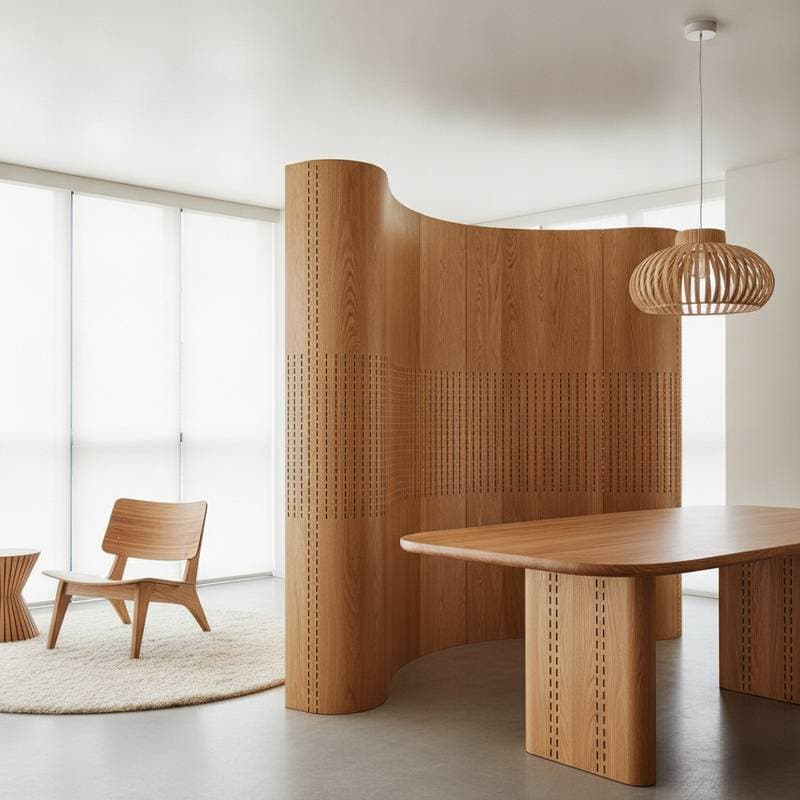
Minimalist wood forms the core of Japandi entryways, combining serene natural elements with streamlined functionality. This aesthetic draws from Japanese principles of restraint and Scandinavian ideals of coziness. The outcome produces an entry space that remains free of clutter while extending a genuine sense of invitation. Individuals attracted to this design discover that minimalist wood establishes equilibrium between inviting warmth and intentional form, influencing the atmosphere throughout the residence.
Core Principles of Japandi Entryway Design
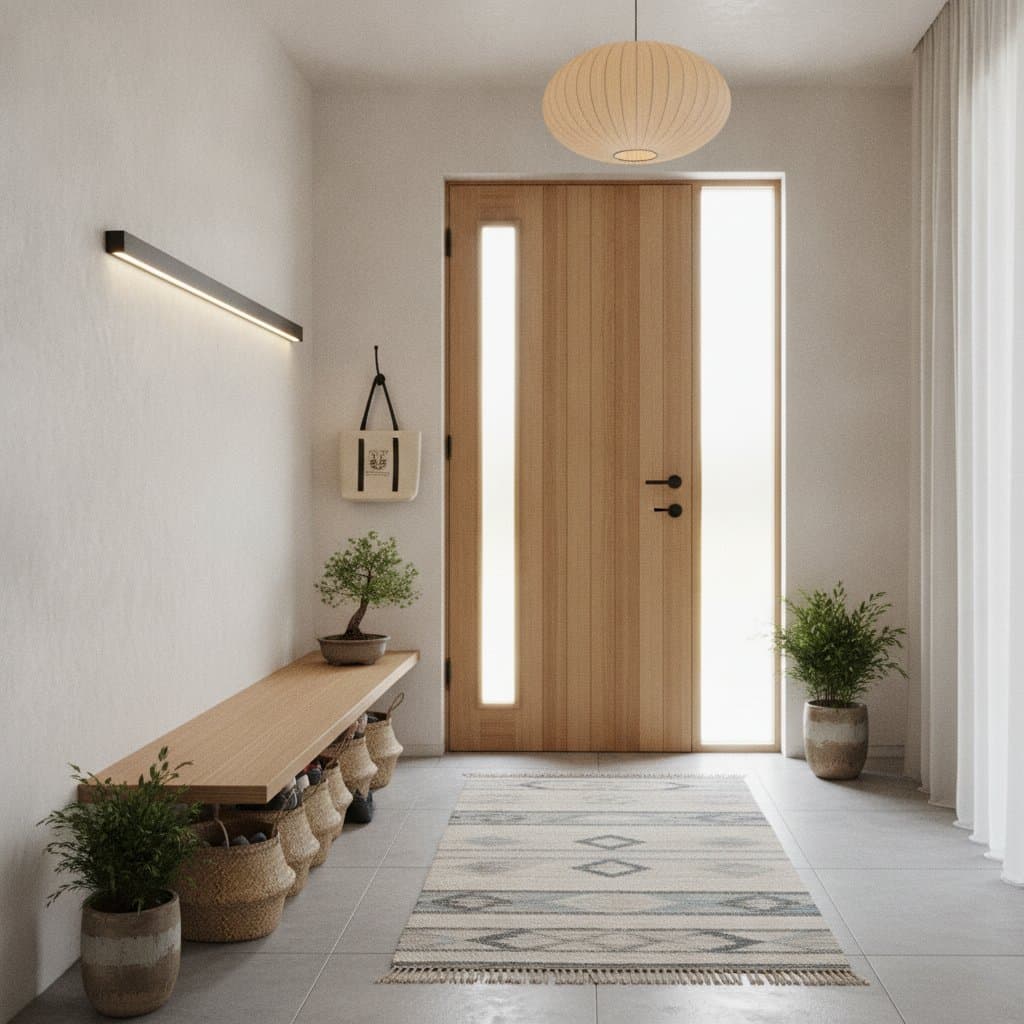
A Japandi entryway functions as a transitional area and a preview of a lifestyle centered on simplicity, awareness, and harmony with nature. The approach eschews elaborate decorations in favor of select materials that emphasize texture and skilled workmanship. Wood plays a pivotal role, providing both stability and inviting warmth. Applications range from doors and floors to subtle wall features, creating a soothing visual flow that aligns with minimalist ideals.
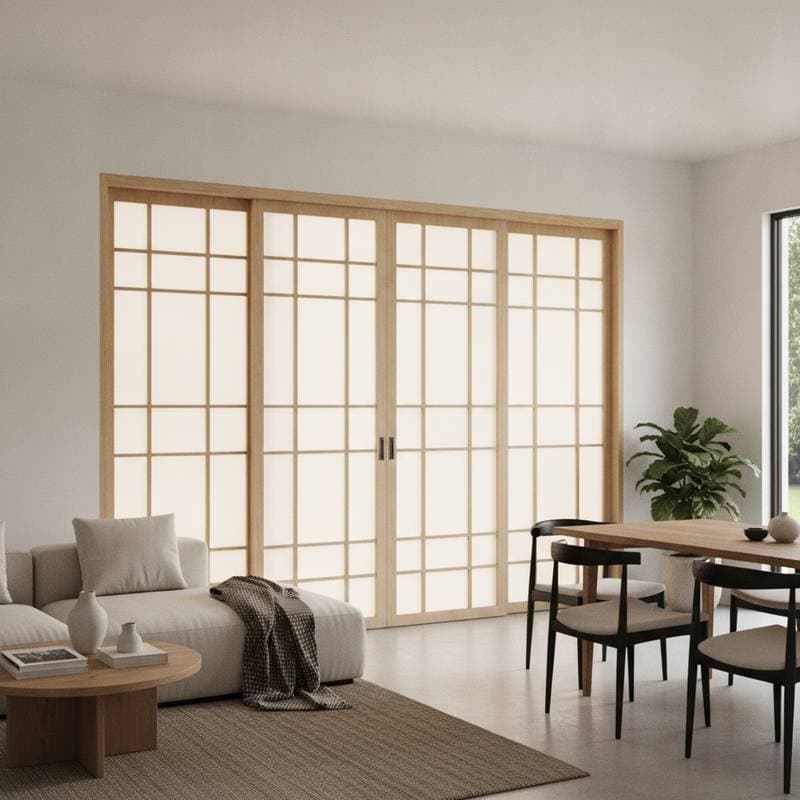
This style achieves balance through a mix of exactness and gentleness. Japanese influences introduce geometric clarity and structure, whereas Scandinavian elements contribute pale hues and sensory appeal. The combination yields a unified aesthetic that appears contemporary yet enduring.
How Minimalist Wood Shapes the Aesthetic
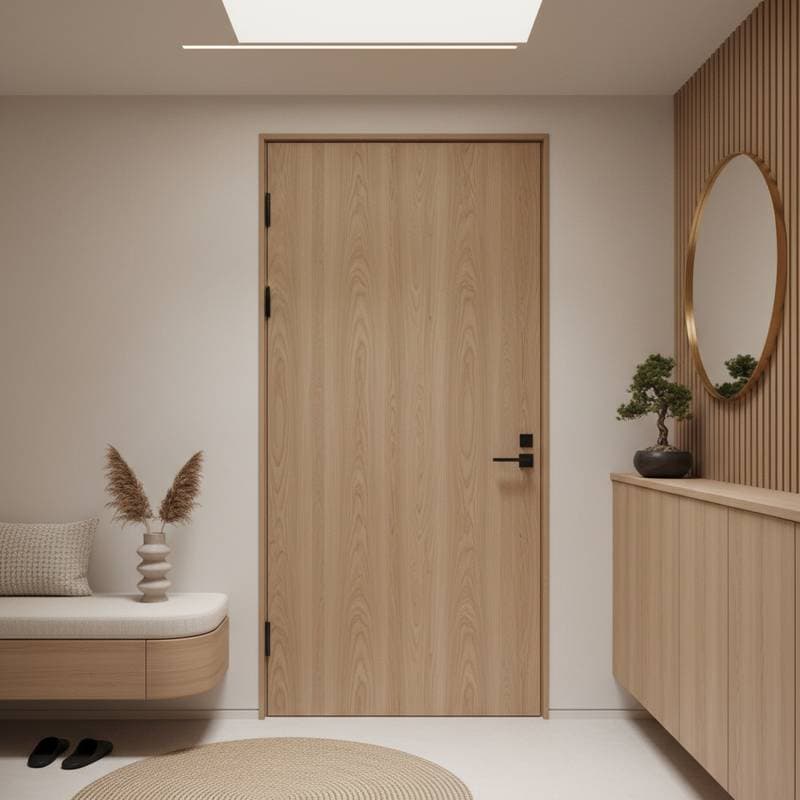
Wood, presented in its most unadorned state, aligns seamlessly with Japandi tenets. It provides inherent variations, understated patterns, and a feeling of stability that artificial options seldom replicate. Minimalist wood doors exemplify the harmony of elegance and restraint. These doors feature straightforward profiles, even surfaces, and balanced proportions that amplify the subtle assurance of the area.
Practically, wood adapts well to diverse lighting scenarios. Pale varieties like oak or ash introduce lightness to compact entryways, whereas richer options such as walnut or cedar add dimension to expansive foyers. Moderation guides the selection. Surfaces receive matte or lightly buffed treatments, permitting the grain to emerge without dominating the overall scheme.
Selecting Wood Materials and Their Impact
Choosing appropriate wood types represents a critical phase in realizing a genuine Japandi entryway. Factors include durability, color variation, and upkeep requirements.
| Wood Type | Initial Cost | Lifespan | Maintenance | Best For |
|---|---|---|---|---|
| Oak | Moderate | Long | Occasional oiling | Bright, open spaces |
| Walnut | Higher | Long | Regular polishing | Warm, dramatic interiors |
| Ash | Moderate | Medium | Light cleaning | Modern, minimalist homes |
| Pine | Lower | Shorter | Gentle care | Budget-friendly projects |
These choices each convey a unique form of restraint. Dense hardwoods like oak and walnut ensure prolonged resilience, while lighter woods such as pine or ash offer approachable softness at reduced expense. Selection hinges on daily habits and the level of care that integrates smoothly into household routines.
Planning and Installation Steps
Designing a Japandi entryway starts with assessing the current architecture, illumination, and movement patterns. Fluid connections prove essential, so positions of doors, alignments of walls, and orientations of floors inform the layout. Preparatory work often involves resurfacing or recoloring adjacent surfaces to uphold uniformity.
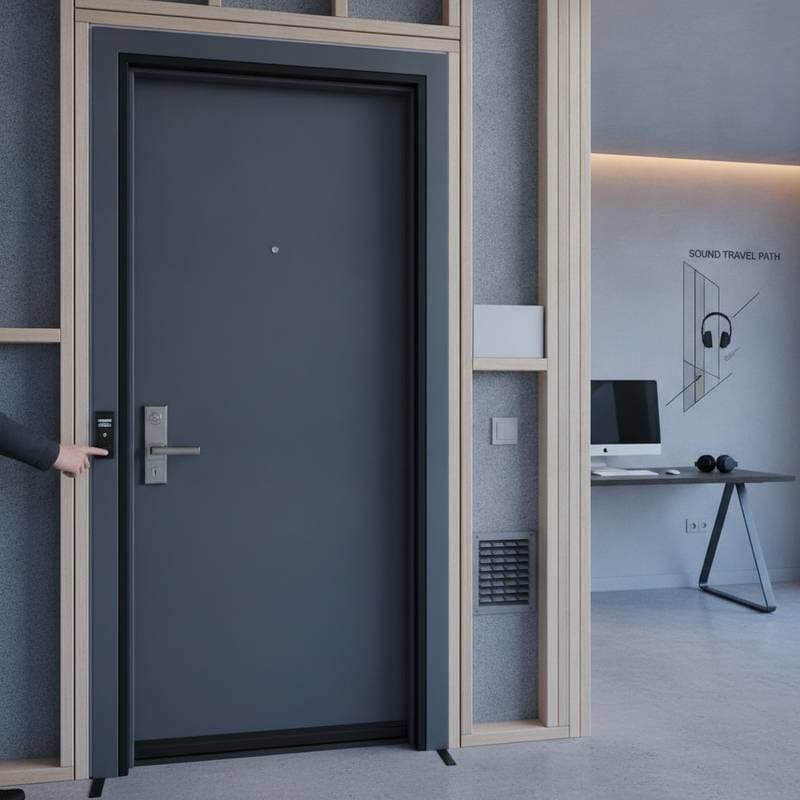
Installing a minimalist wood door demands precise measurements and accurate hinge positioning. Verify that the door's dimensions and mass correspond to the frame's capacity. For replacements, evaluate clearance from the floor and the arc of swing to avoid complications. Engage a skilled installer to guarantee a secure fit and refined appearance, particularly with solid wood pieces that respond to humidity fluctuations.
Integrating Form and Utility
Beyond visual appeal, a Japandi entryway fulfills essential roles as a threshold between exterior and interior realms. Incorporate storage subtly, such as within recessed benches or hidden panels. Opt for diffused, ambient lighting that accentuates wood shades without producing stark contrasts. Such methods embody the minimalist ethos of allowing materials to convey their inherent qualities.
For households with pets or young children, select wood treatments with plant-based oils that withstand abrasions and dampness. These coatings apply with ease during renewal, preserving the space's composed demeanor across years.
Sustaining Value Over Time
Minimalist wood doors develop a noble patina with appropriate attention. Routine dusting and mild cleansing safeguard the finish, while periodic oil applications renew richness and safeguard against wear. Conduct yearly reviews to address small concerns like potential twisting or fading early. This regimen often evolves into a deliberate practice that echoes Japandi values of material reverence.
In terms of lasting worth, wood provides adaptability. Should preferences shift, refinish or apply subtle tints to align with updated palettes. Contrasting with composites that demand full substitution, wood rejuvenates via diligent care, positioning it as a prudent choice for pursuing perpetual excellence.
Tailoring Choices for Optimal Results
A successful Japandi entryway arises from deliberate selections over abundant accessories. Every element must advance tranquility, organization, and purpose. Start by examining everyday usage of the space. For those favoring unobstructed views, lighter woods with sparse details suit well; for added depth, pair deeper shades with gentle fabrics or stone bases.
Building Enduring Entryway Balance
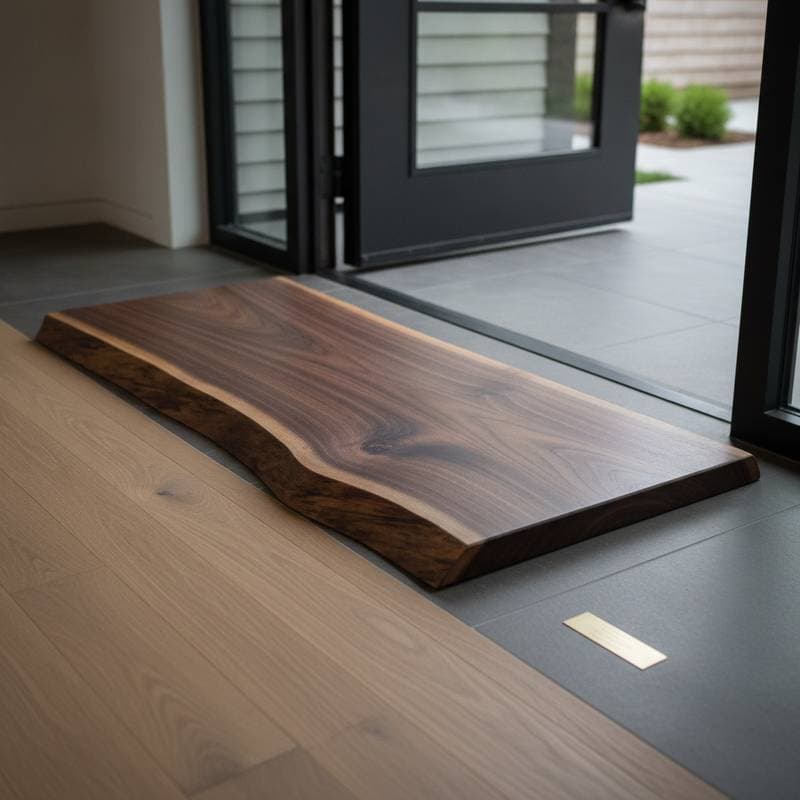
To implement these ideas, consult samples in natural light and test compatibility with existing fixtures. Professional guidance ensures alignment with structural needs, while personal touches like integrated hooks or mats enhance daily flow. This methodical approach yields an entryway that not only welcomes but also inspires a sustained sense of peace.