Why Acoustic Glass Outperforms Double Glazing for Noise Reduction in 2025
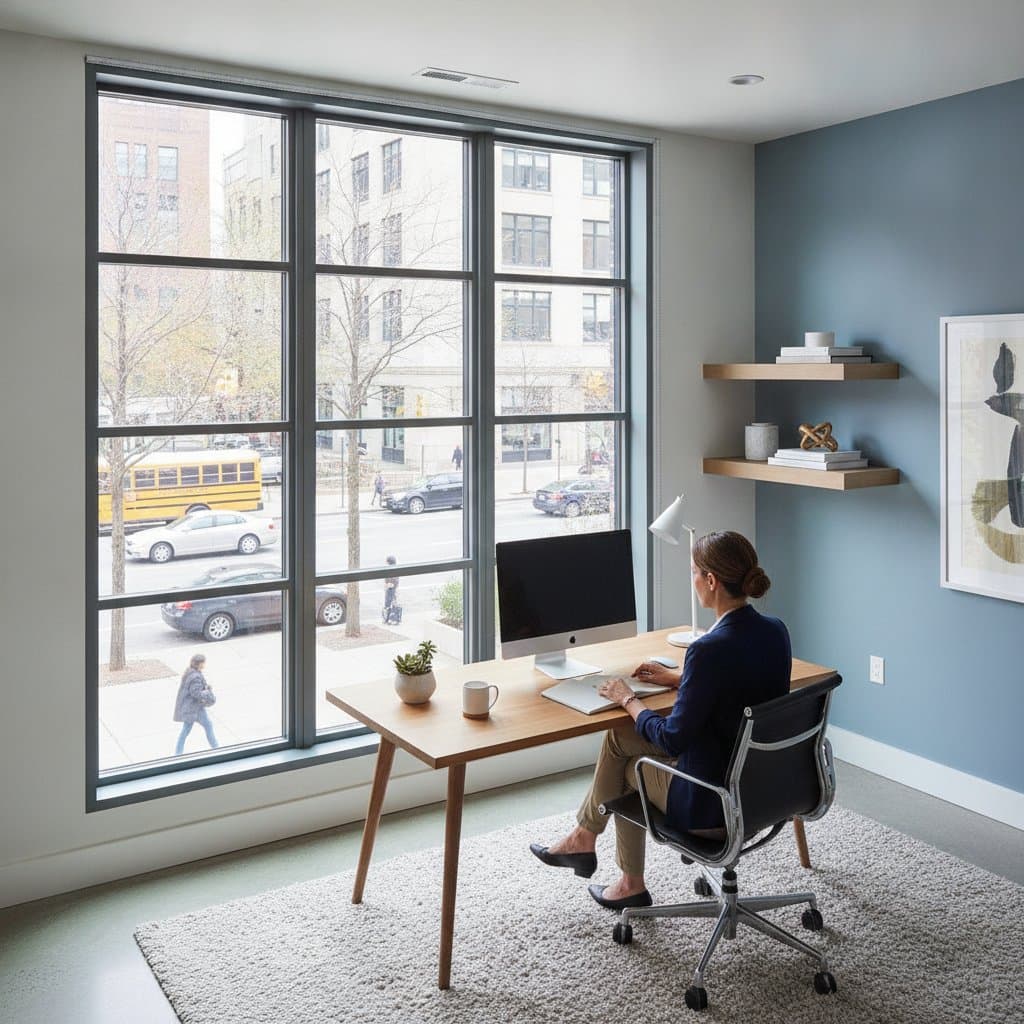
Homes located near busy streets, airports, or construction sites often face persistent noise intrusion. Acoustic glass provides an effective remedy by significantly minimizing sound transmission while preserving natural light and aesthetic appeal. Advancements in glass technology during 2025 have rendered these soundproofing windows more practical and performant. Homeowners benefit from understanding the mechanics, expenses, and advantages of this upgrade for superior noise management.
The Mechanics of Acoustic Glass
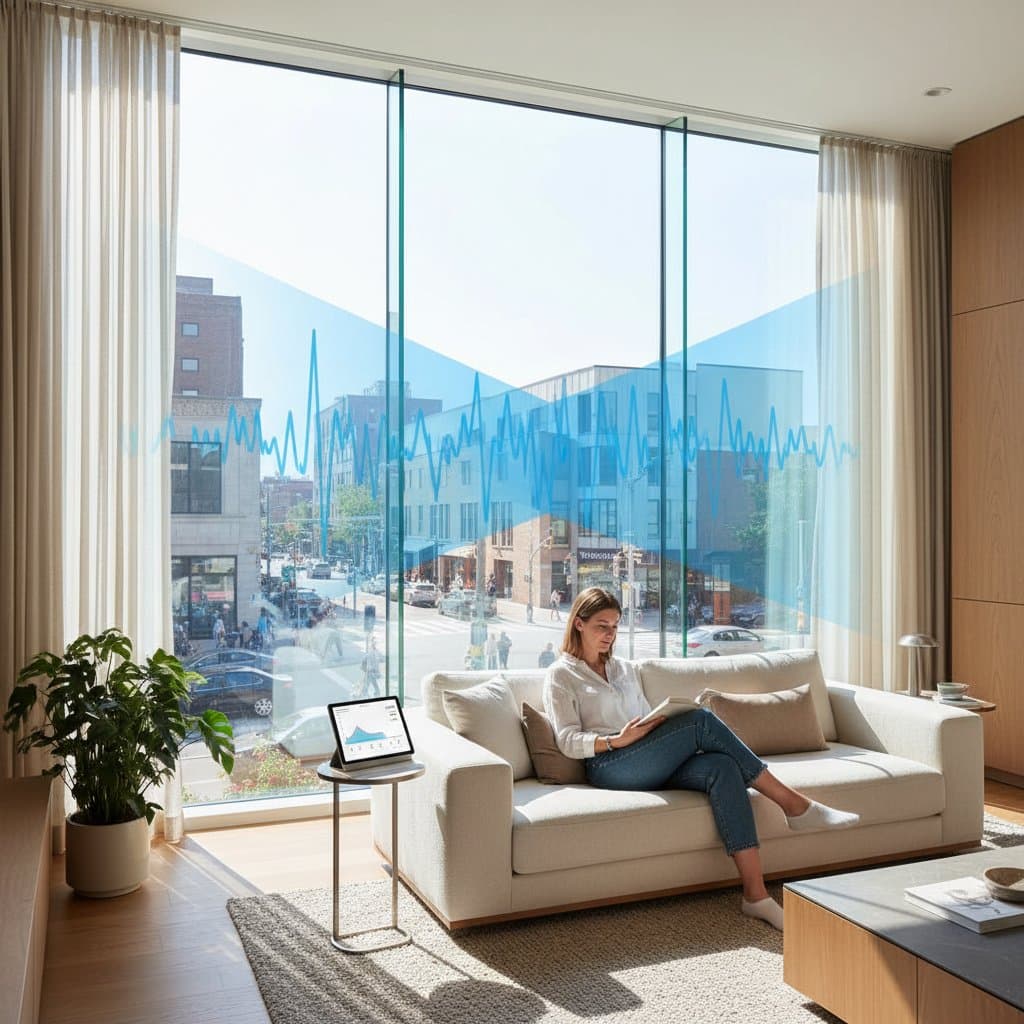
Acoustic glass functions by obstructing or absorbing sound waves that pass through ordinary windows. Manufacturers construct it by laminating multiple glass layers with a sound-absorbing interlayer, typically polyvinyl butyral (PVB). This material diminishes vibrations responsible for carrying external noise indoors.
In contrast to conventional double glazing, acoustic glass incorporates thicker panes and diverse thicknesses to disrupt sound frequencies. The variation in density effectively halts sound propagation, particularly low-frequency disturbances from traffic or neighboring activities. Such design ensures comprehensive protection against a broad spectrum of noises.
Installation Costs for Acoustic Glass
The expense of acoustic glass varies based on window dimensions, frame composition, and regional labor charges. Expect to invest between $900 and $2,000 per window, encompassing materials and professional fitting. Expansive options like bay windows might exceed $3,000.
| Window Type | Average Total Cost | Sound Reduction Rating (Rw) | Notes |
|---|---|---|---|
| Standard Single Casement | $900 to $1,300 | 35 to 38 dB | Suitable for bedrooms or offices |
| Double Casement | $1,200 to $1,800 | 38 to 42 dB | Offers balanced efficacy and expense |
| Sliding Glass Door | $1,700 to $3,000 | 40 to 45 dB | Optimal for urban or high-exposure settings |
| Custom Bay Window | $2,500 to $3,500 | 42+ dB | Ideal for expansive vistas |
These figures account for both components and installation services. Compared to standard double-glazed units, costs range 20 to 40 percent higher, yet the enduring benefits justify the outlay.
Elements Affecting Acoustic Glass Expenses
Multiple variables determine the overall price of installing acoustic glass. Consider these primary influences:
- Glass Thickness: Greater thickness enhances sound insulation yet elevates material demands.
- Frame Material: Economical vinyl options contrast with pricier aluminum or timber for enhanced style.
- Window Dimensions: Broader surfaces demand additional glass and robust framing.
- Fitting Demands: Elevated placements or irregular forms extend labor duration.
- Noise Mitigation Objectives: Desired reduction levels dictate glass specifications.
Professionals advise an Rw rating of 38 dB or above for urban environments. Suburban settings often suffice with 32 to 35 dB configurations.
Mechanisms Behind Acoustic Glass Noise Reduction
Sound propagates as waves capable of infiltrating materials and crevices. Acoustic glass counters this through targeted strategies:
- Absorption: The PVB layer captures sound energy and dissipates it as slight heat.
- Isolation: Differing pane thicknesses avert unified vibrations, curbing resonance.
- Density Principle: Increased mass restricts wave penetration.
This integrated approach yields substantial noise attenuation. Residents frequently observe a 60 to 70 percent drop in ambient external sounds post-installation.
Acoustic Glass Versus Alternative Soundproofing Methods
Acoustic glass stands out among noise control techniques, though alternatives exist. Evaluate these comparisons:
| Noise Control Method | Typical Cost Range | Noise Reduction | Maintenance |
|---|---|---|---|
| Acoustic Glass Windows | $900 to $2,000 | High | Low |
| Secondary Glazing | $700 to $1,200 | Moderate | Low |
| Window Inserts | $400 to $900 | Moderate | Low |
| Heavy Curtains | $200 to $600 | Low | Moderate |
| Exterior Barriers (fences, shrubs) | $500 to $4,000 | Variable | Moderate |
Acoustic glass delivers reliable, lasting results, particularly alongside sealed frames and precise application.
Additional Advantages in Energy Savings and Comfort
Beyond noise suppression, acoustic glass bolsters thermal regulation. The damping interlayer contributes to insulation, potentially lowering energy bills for heating and cooling, especially with low-emissivity treatments.
Upgrades often eliminate drafts and mitigate window condensation. Stable indoor climates foster greater comfort, positioning acoustic glass as a multifaceted enhancement for tranquility and efficiency.
Perspectives from Glazing Specialists
Michael Alvarez, a certified glazing expert based in Seattle, highlights acoustic glass as a top choice for properties adjacent to thoroughfares. He notes, “Most clients are surprised at how much quieter their homes become after installation. It’s not just about blocking noise, it’s about restoring comfort and focus.”
Experts emphasize integrating acoustic glass with airtight frames to optimize outcomes. Subpar framing compromises even superior glass performance.
Indicators for Window Replacement
Retain existing frames if they remain sound, opting for glass swaps or secondary layers. Complete overhauls prove essential when:
- Frames exhibit warping or fractures.
- Condensation appears within pane gaps.
- Noise persists despite thick coverings.
- Broader renovations target energy improvements.
Schedule a specialist evaluation to discern retrofitting viability versus full renewal.
Timing and Site-Specific Installation Factors
Opt for temperate conditions to install acoustic glass, minimizing humidity and thermal shifts for optimal sealant adhesion. In harsh climates, off-peak scheduling secures contractor availability and potential savings on labor.
Preserving Acoustic Glass Performance
Installed acoustic glass demands little upkeep. Clean surfaces routinely with gentle soap and a soft fabric. Steer clear of harsh abrasives that might impair coatings or joints.
Monitor seals and strips biennially for integrity. Promptly engage technicians if moisture builds or noise reemerges, safeguarding efficiency and averting escalation.
Steps to Upgrade Your Home's Acoustics
Begin by assessing current noise levels and window conditions through a site audit. Consult certified installers to tailor solutions matching your budget and requirements. Proceed with installation during favorable weather, then enjoy enhanced peace and efficiency in your living space.