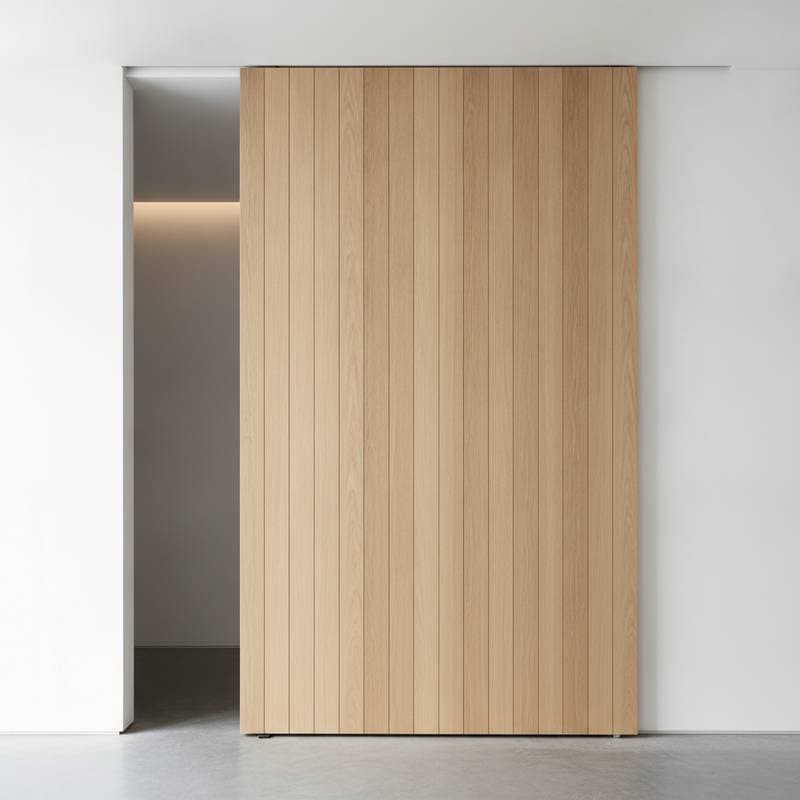

2026 Japandi Entryways: Warmth Meets Minimalism
The entryway serves as the first impression of a home, influencing daily routines and overall atmosphere. Japandi design merges Japanese serenity with Scandinavian functionality to create entryways that emphasize natural elements and uncluttered spaces. This style prioritizes materials like wood and stone, paired with subtle lighting, to foster a sense of immediate tranquility.
Homeowners seeking a practical yet inviting entrance benefit from Japandi principles. These spaces integrate storage seamlessly while promoting mindfulness through balanced proportions. By focusing on enduring quality, such designs evolve with the home rather than requiring frequent updates.
Key Elements of a Japandi Entryway
Japandi entryways integrate simplicity with utility, ensuring every component contributes to harmony. Select pieces that align with the space's scale to avoid overcrowding.
Natural Materials
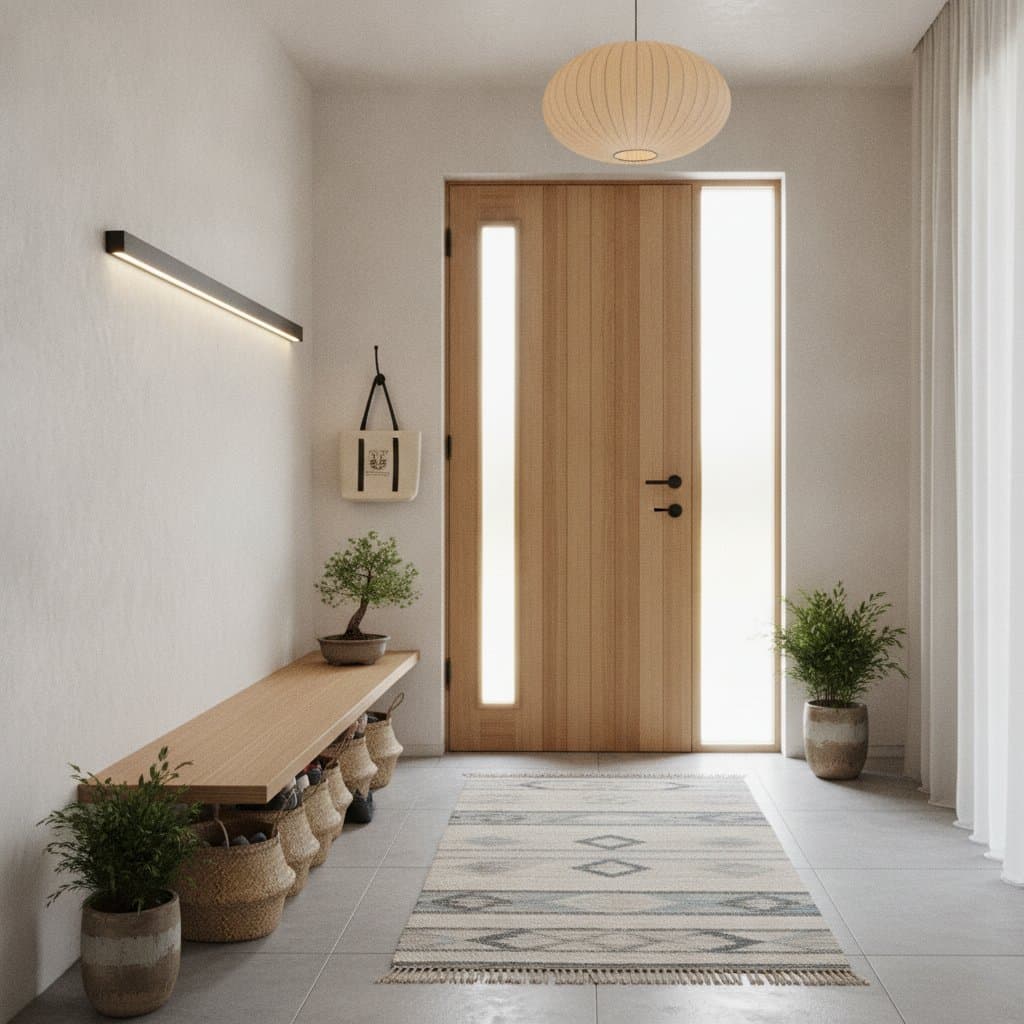
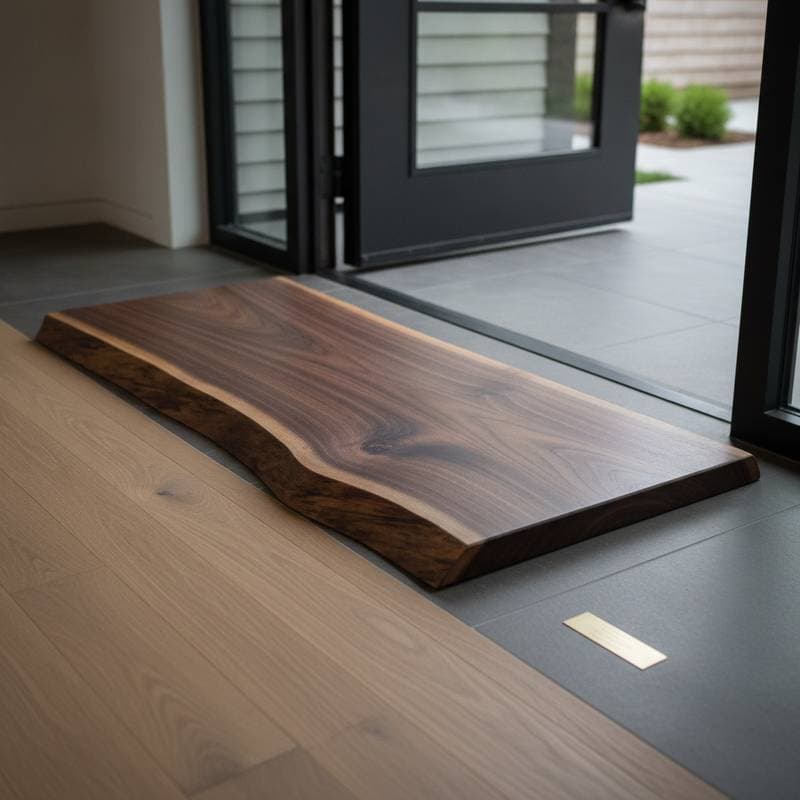
Wood forms the foundation, appearing in doors, floors, and furnishings for cohesive flow. Opt for light oak in compact areas to brighten the space, or walnut in expansive ones for depth. Incorporate stone accents or woven textiles sparingly to introduce texture without dominating.
Soft Lighting
Prioritize diffused illumination to create a welcoming glow. Install sconces with warm LED bulbs along walls, or position floor lamps to cast gentle shadows. Maximize daylight through translucent door panels that filter outdoor light softly.
Functional Simplicity
Choose concealed storage to maintain visual calm. Install a bench with under-seat drawers for footwear, and use wooden hooks for outerwear. Reserve open surfaces for a single tray or key holder to prevent accumulation.
Organic Color Palette
Draw from nature with tones like muted sage or warm taupe. Apply these to walls and textiles for seamless integration with wood elements. Test samples in the entryway's light to confirm they enhance rather than compete with natural finishes.
Connection to Nature
Introduce greenery through one or two low-maintenance plants, such as a fiddle-leaf fig in a ceramic pot. Add a shallow bowl of smooth pebbles for tactile interest. These touches ground the space, reminding users of the outdoors.
What to Expect During the Design Process
The design process unfolds in structured phases, from assessment to refinement, to achieve a unified result.
Planning and Evaluation
Evaluate traffic patterns and storage requirements first. Sketch layouts to fit furniture within the dimensions, noting light sources and door swings. Retain viable elements, like refinishing an existing wood door, to promote efficiency.
Preparation Steps
Declutter thoroughly to assess the bare space. Repair floors or walls as needed, and plan custom builds like integrated benches early. This preparation streamlines subsequent installations.
Main Implementation
Unify materials by matching wood tones, such as ash cabinets with oak trim. Position lighting to complement natural flow, ensuring even coverage without hotspots. Secure hardware in brushed metal finishes that echo the palette.
Quality Assurance
Verify that doors operate smoothly and surfaces align precisely. Adjust lighting for varied times, balancing daylight with fixtures. Address any inconsistencies promptly to uphold the design's integrity.
Completion and Follow-up
Allow materials to acclimate post-installation. Apply manufacturer-recommended sealants, and adopt a cleaning schedule using soft cloths. Monitor for seasonal adjustments to preserve functionality.
Maintenance and Longevity Considerations
Preserve wood with weekly dusting and quarterly oil applications using natural products. Clean stone floors with pH-neutral solutions to avoid etching. Inspect seals on doors annually to block drafts.
Organize storage regularly to curb clutter. Rotate plants seasonally for vitality, and dust fixtures to sustain light quality. These habits extend the design's lifespan, enhancing its natural evolution.
Environmental and Climate Factors
Adapt selections to regional conditions; use treated woods in humid areas to resist mold. In arid zones, hydrate surfaces with conditioners to prevent splits.
Incorporate insulation in doors for efficiency, and select low-emission paints for air quality. Source FSC-certified woods to align with sustainability. These measures reinforce the style's environmental ethos.
Living with Calm and Purpose
A well-crafted Japandi entryway streamlines transitions and nurtures well-being. It invites mindful habits through its thoughtful design. Over time, this space becomes a cherished threshold to home life.