2025's Fingerprint-Resistant Trend: Clay Door Hardware
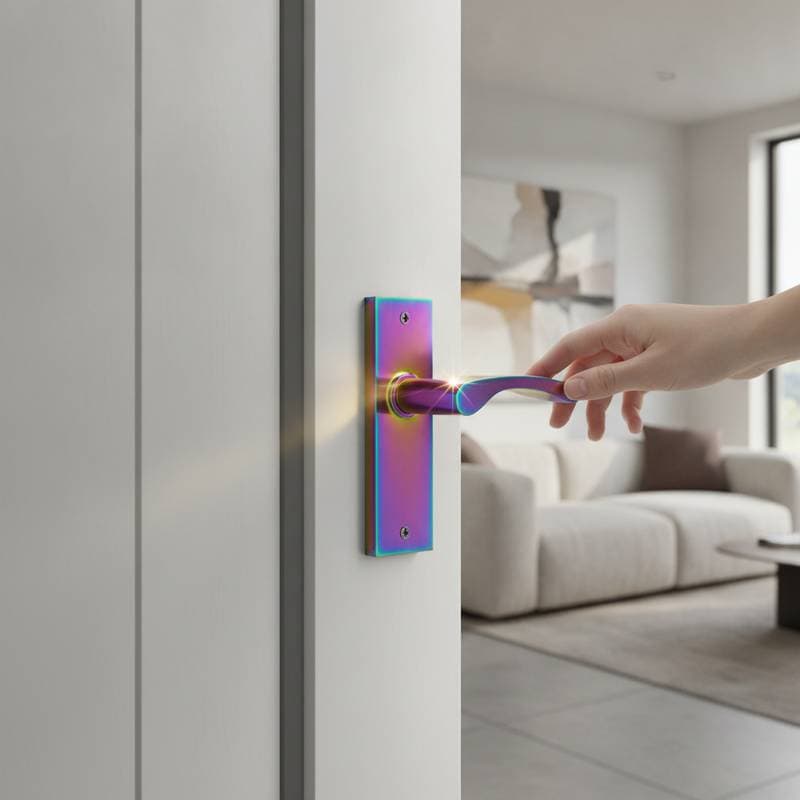
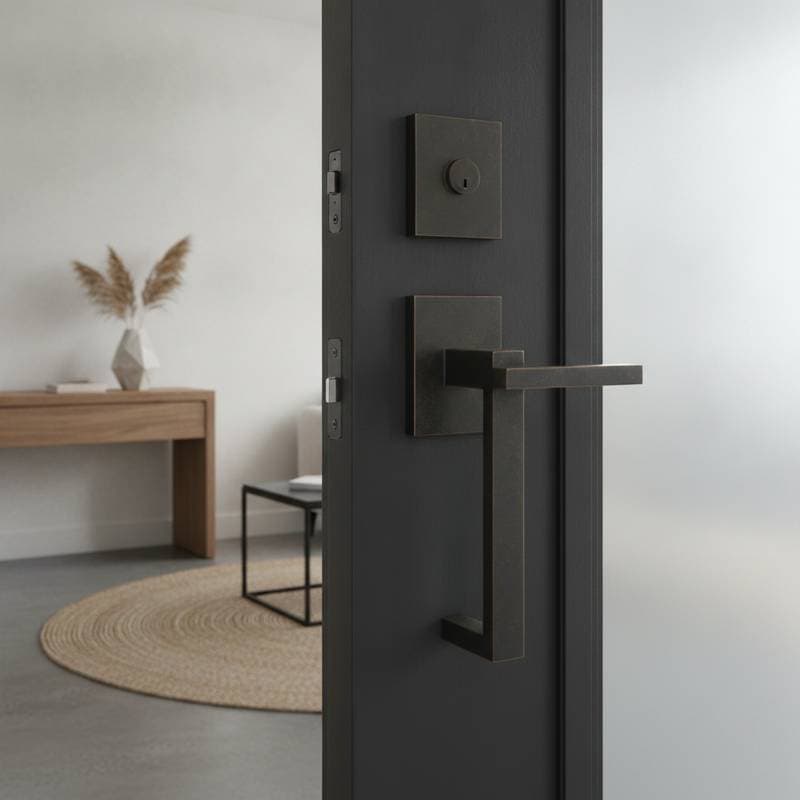
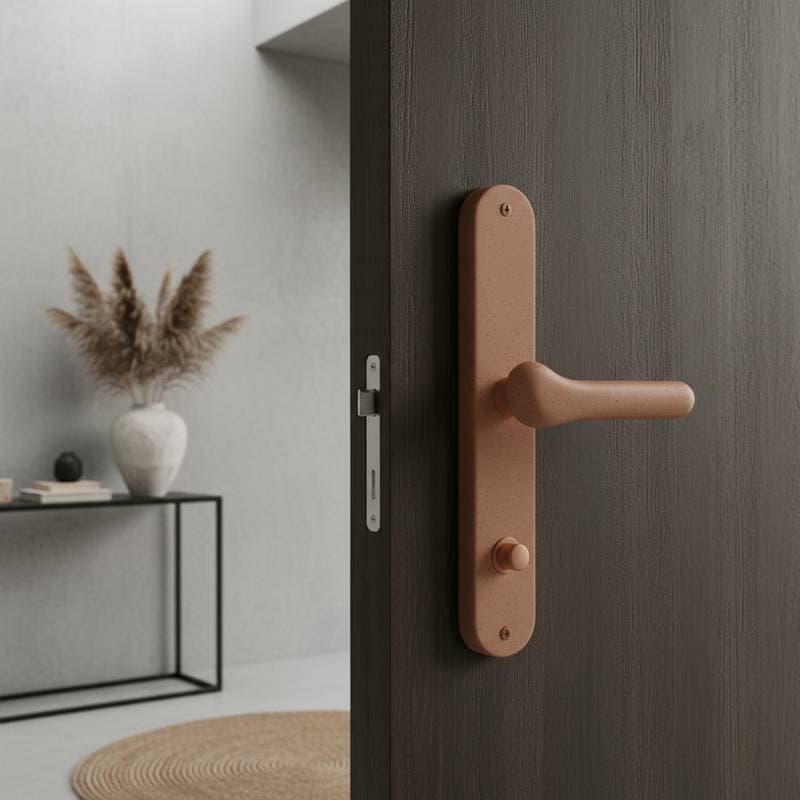
Matte finishes and tactile materials reshape home aesthetics, with clay door hardware at the forefront. This trend delivers visual serenity and daily convenience for active homes. Handles, knobs, and levers inspired by clay merge organic feel with advanced durability, repelling fingerprints, oils, and routine handling. The outcome is a polished appearance that endures in frequently touched zones.
Clay door hardware embodies current design principles through subtle elegance and utility. Earthy shades and velvety matte surfaces integrate across diverse building styles. Whether in sleek modern settings or cozy rustic environments, the clay aesthetic provides a flexible base for unified indoor and outdoor schemes.
Why Homeowners Favor This Aesthetic
Clay hardware attracts with its harmony of hue, feel, and function. In contrast to gleaming metals that reveal every mark, clay options present a gentle, subdued profile that conceals normal wear. The inviting texture encourages interaction yet requires minimal care. It aligns with popular matte walls, subtly grained cabinets, and organic stone elements. For those desiring an elegant refresh without ostentation, clay door hardware provides refined poise.
Material and Finish Guide
Windows
Clay-like finishes enhance window hardware when aligned with the home's color scheme.
- Styles: Opt for narrow black frames, pale taupe pulls, or neutral beige latches to suit contemporary or timeless residences.
- Colors: Select matte variants in sand, driftwood, or stone-gray tones.
- Hardware Recommendations: Prioritize powder-coated pulls with ultraviolet protection. Such features resist color loss and preserve vibrancy under sunlight.
Doors
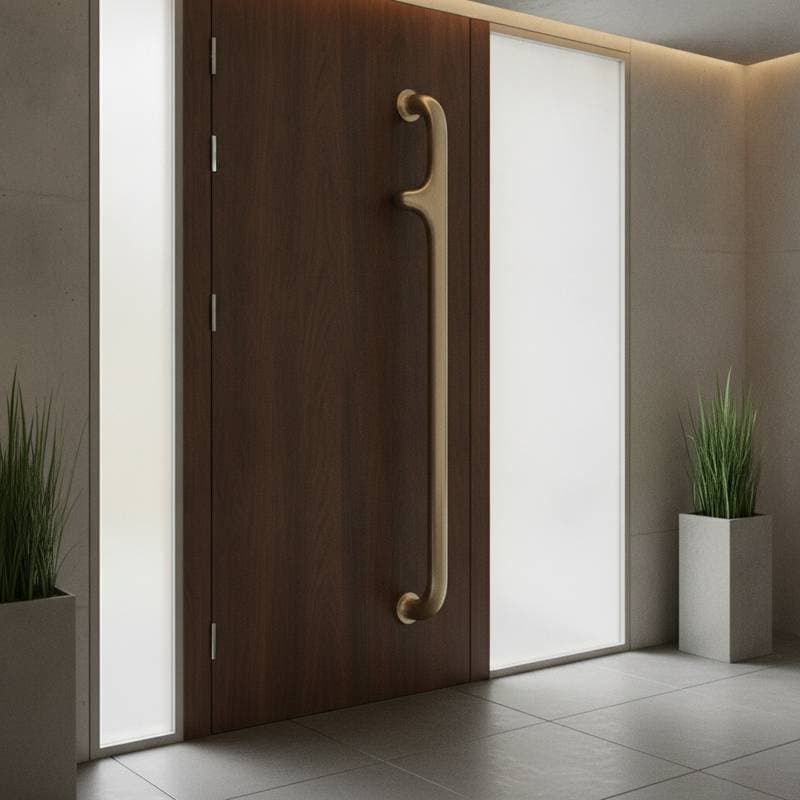
Doors serve as the focal point for clay hardware applications.
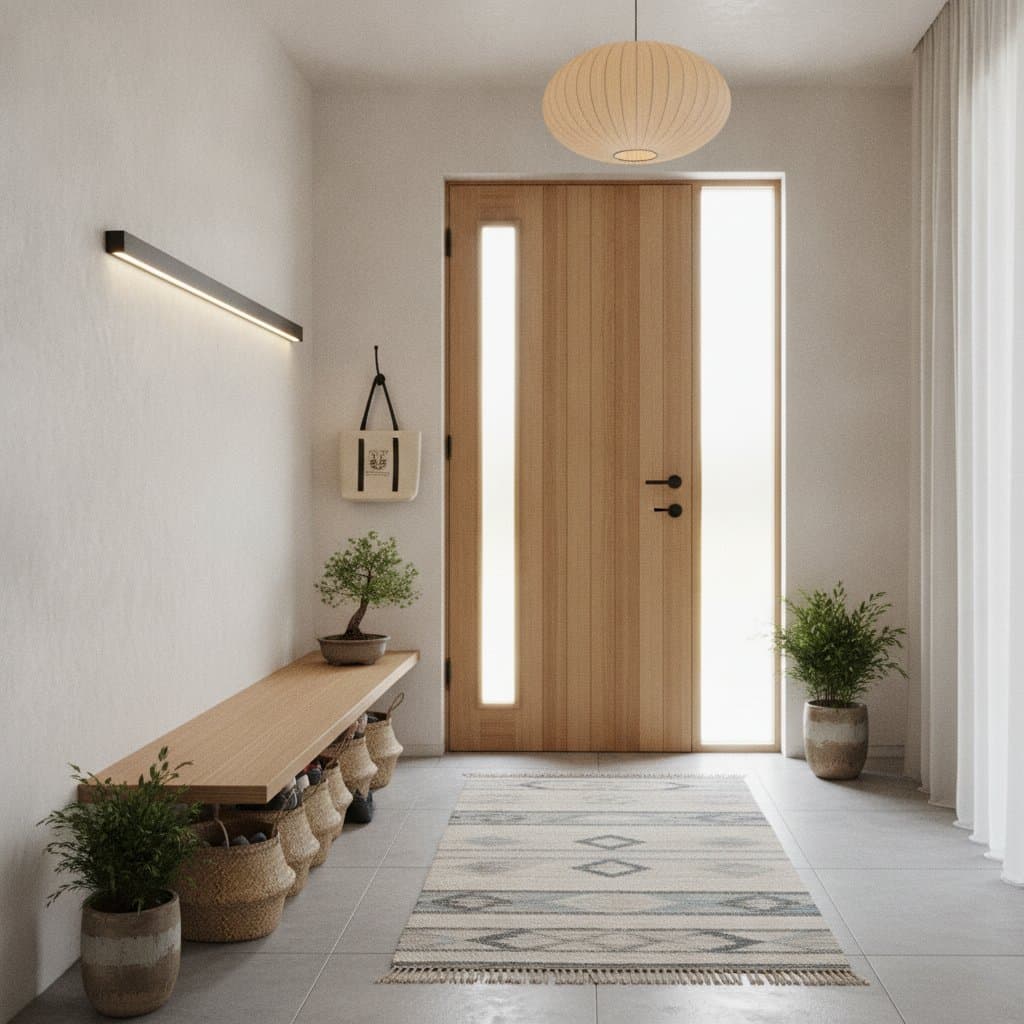
- Material Choices: Pair wooden, composite, or fiberglass doors with clay pulls and pivots. Tones in oak, ash, or walnut amplify the organic essence of the matte surface.
- Hardware: Install lever styles in clay, sand, or terracotta shades for seamless integration.
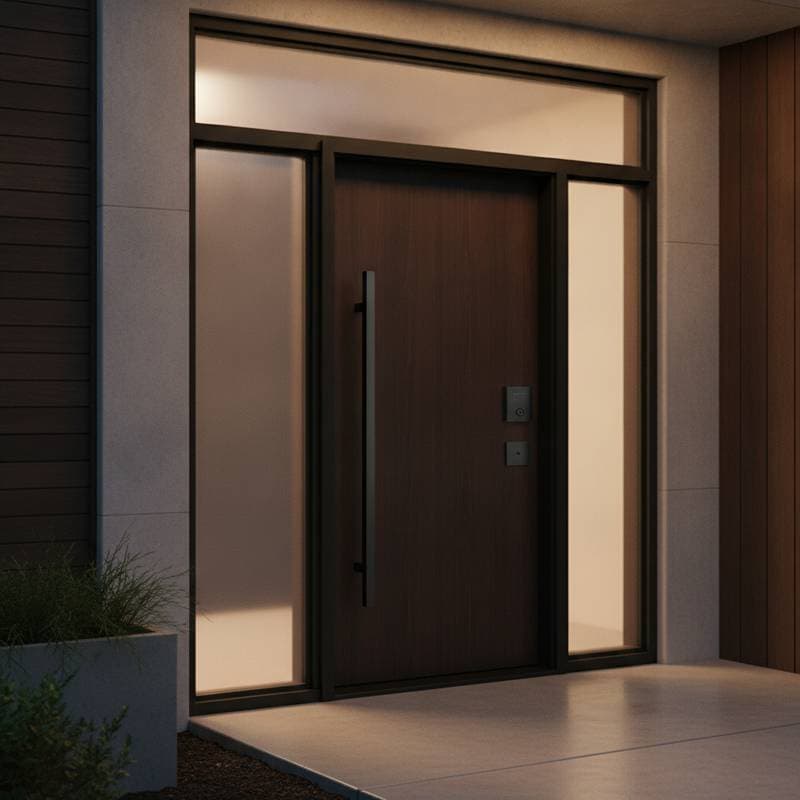
- Glass Options: Incorporate etched or patterned glass panels to temper the interplay between hardware and door surface, fostering equilibrium.
Siding
Exterior siding must align with clay hardware's restrained palette.
- Texture: Employ sleek fiber cement boards or upright wood planks to mirror the understated matte quality.
- Color: Choose light gray, gentle beige, or subdued sage hues to support rather than dominate the hardware.
- Installation Details: Incorporate hidden anchors for streamlined edges that highlight the hardware's sensory appeal.
Trim and Accents
Trim elements and accents unify the composition.
- Coordinating Elements: Align window surrounds, door frames, and veranda balustrades in taupe or warm gray shades.
- Finishing Touches: Integrate matte black or bronze exterior lamps. Their low-key grain complements clay hardware for cohesive sightlines.
Common Pitfalls to Avoid
- Overmixing Finishes: Pairing clay matte pulls with polished chrome accents breaks unity. Commit to a single finish category for fluid design.
- Neglecting Environmental Factors: In seaside or humid regions, base clay layers on rust-proof alloys. Lacking this safeguard, protective coatings may erode over time.
- Disregarding Texture Matches: Coupling clay hardware with lustrous doors or moldings generates discord. Select matching matte or satin surfaces for harmony.
- Budget Shortcuts: Applying aftermarket matte sprays to old hardware appears cost-effective but yields patchy results and fleeting performance. Factory-applied pieces guarantee enduring quality.
- Upkeep Neglect: Skipping periodic cleaning of matte areas invites fading. Implement a simple wiping schedule to sustain sharpness and vitality.
Pre-Purchase Documentation Checklist
Prior to selecting or ordering bespoke finishes, record your current indoor and outdoor areas. Precise images and notes steer decisions and avert color clashes.
Checklist:
- Exterior Images: Photograph broad scenes and close-ups of entryways, moldings, and panels.
- Style Observations: Document signature traits like archways, pane configurations, or entry features that shape your home's identity.
- Community Guidelines and Regulations: Verify local norms or association rules on outer colors and hardware modifications before acquisition.
- Weather Exposures: Assess sunlight, breezes, and dampness levels. These guide optimal coating and material selections.
- Financial Boundaries: Define expenditure caps and pinpoint essential zones for hardware enhancements.
- Illumination Variations: Snap shots during morning, midday, and evening to observe shade shifts. This aids in choosing stable tones under diverse light.
Integration Strategies for Design
Clay surfaces integrate smoothly into multiple styles:
- Modern Farmhouse: Merge clay pulls with dark-rimmed windows and plank siding for polished rural charm.
- Contemporary Minimalist: Apply clay gray fittings to crisp white doors and flat concrete panels for serene simplicity.
- Traditional Revival: Combine soft clay rounds with raised-panel wood entries and ivory borders for enduring grace.
- Coastal Contemporary: Coordinate sand hardware with pale blue or weathered siding.
- Industrial Chic: Blend clay with dull black elements and metallic highlights for an anchored vibe.
For comprehensive updates, sustain uniform gloss across components. Matte treatments on hardware and coatings ensure flow. With ornamental door glass, favor diffused or lined patterns to reflect clay's gentle quality.
Extending the Aesthetic
Clay door hardware transcends mere coating; it fosters a soothing, rooted ambiance. The smudge-resistant trait accommodates routine use while upholding stylistic purity. Select from economical replacements to bespoke craftsman creations, embracing restraint and skill.
Begin at entry points that capture your residence's essence, then propagate to frames, surrounds, and illuminants for wholeness. Catalog your surroundings, evaluate light dynamics, and analyze shade interactions. Through deliberate matching, clay hardware elevates standard portals into sensory focal points uniting resilience and allure.