Acoustic Windows: Reduce Urban Noise by Up to 85% in 2025
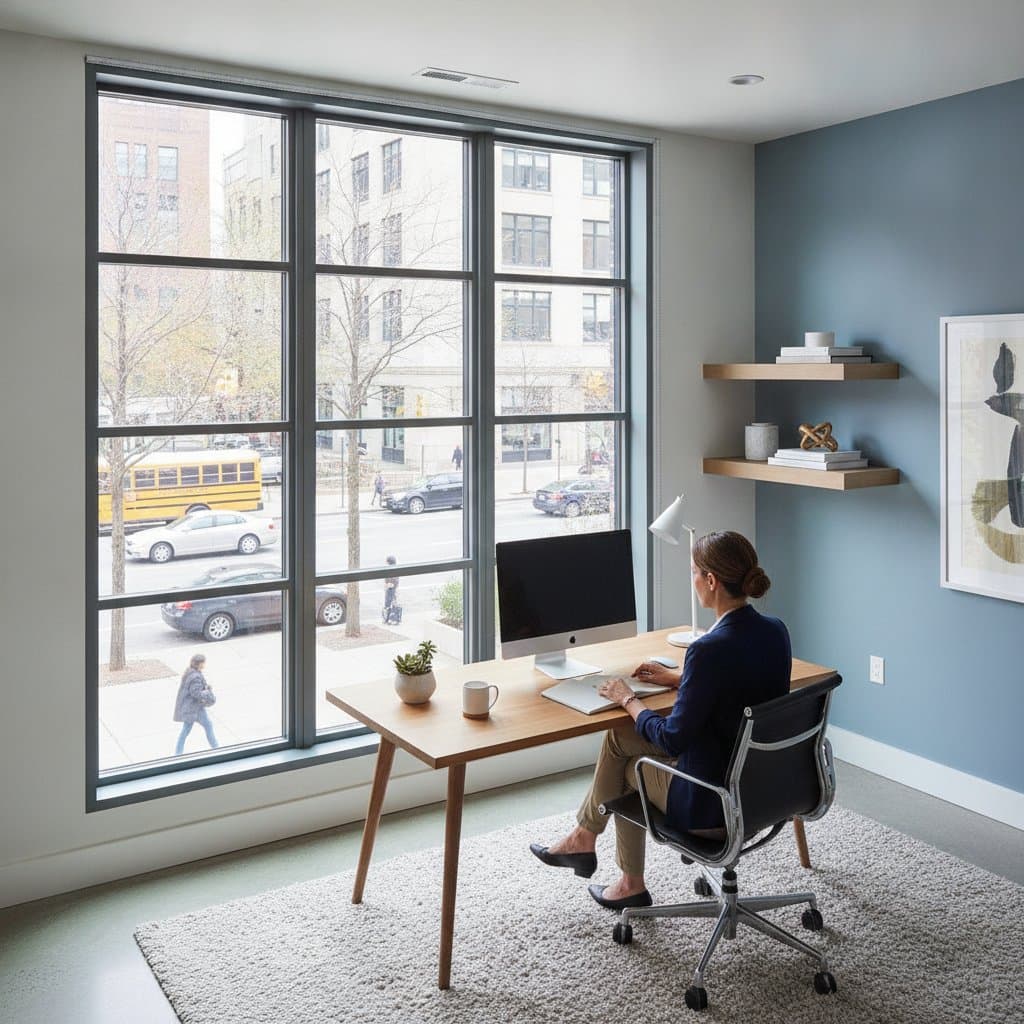
Urban living provides access to amenities and vitality, yet it frequently includes persistent sounds from traffic, construction sites, and nearby residents. These noises often interfere with rest, concentration, and overall well-being. Acoustic windows offer an effective remedy, capable of diminishing external sound by as much as 85 percent while also advancing energy conservation. The following sections detail expectations for this upgrade, encompassing expenses, construction materials, and installation factors.
Average Cost of Acoustic Windows
Installation of acoustic windows generally ranges from $950 to $1,800 per unit, covering both materials and labor. Costs vary based on dimensions, glass thickness, and frame composition. For an entire residence, expenses might span $8,000 to $25,000, influenced by the building's scale and the state of current windows. Individuals frequently weigh this against double-pane or triple-pane alternatives, which cost less yet provide inferior sound attenuation.
| Window Type | Cost Range (Installed) | Noise Reduction Potential | Key Features |
|---|---|---|---|
| Standard Double-Pane | $450 to $800 | Up to 40% | Basic thermal insulation, moderate sound control |
| Acoustic Double-Pane | $950 to $1,400 | Up to 70% | Laminated glass, acoustic spacer bars |
| Triple-Pane Acoustic | $1,400 to $1,800 | Up to 85% | Advanced insulation, superior air sealing |
Tom Keller, a licensed window contractor based in Chicago, states, “Homeowners in densely populated urban settings experience the greatest advantages from acoustic-grade glass. It quiets the interior while enhancing energy efficiency, which helps recoup some expenses through reduced utility bills over time.”
How Acoustic Windows Function
Acoustic windows block and absorb sound waves to prevent their entry into living spaces. Central to their design are laminated glass layers combined with insulated air spaces. These layers possess varying densities that scatter sound frequencies rather than allowing transmission. The enclosed air or gas between panes additionally muffles vibrations.
Components of a standard acoustic window include:
- Laminated glass panes featuring sound-absorbing interlayers
- Asymmetrical thicknesses in panes to interrupt sound waves
- Secure frame seals that eliminate air infiltration
- Acoustic spacers that optimally divide the panes
Together, these features minimize sound passage, evaluated via the Sound Transmission Class (STC) rating. Conventional windows achieve an STC of about 26, whereas acoustic models attain 40 to 55.
Factors Affecting Total Installation Cost
Multiple variables determine the overall expense of acoustic window projects. Grasping these aids in precise budgeting.
- Window dimensions and number: Bigger units demand heavier glass and additional framing, elevating prices.
- Frame composition: Vinyl provides economy, whereas wood or aluminum-clad variants cost more for their longevity and visual appeal.
- Glass configuration: Laminated or triple-pane options raise expenses but elevate sound and heat performance.
- Project intricacy: Updating outdated or irregular windows might necessitate bespoke framing or structural modifications.
- Site accessibility: Upper-level or remote placements increase labor due to specialized tools or safety measures.
Professional installers typically bill $75 to $150 hourly, adjusted for location and task demands.
Comparison of Acoustic Window Frame Materials
Frame choices impact expenses, upkeep, insulation qualities, and appearance. The table below assists in decision-making.
| Frame Material | Cost Range (Per Window) | Maintenance Requirements | Ideal Applications |
|---|---|---|---|
| Vinyl | $950 to $1,200 | Minimal | Contemporary residences, cost-effective updates |
| Wood | $1,200 to $1,600 | Moderate | Heritage or classic-style properties |
| Aluminum-Clad Wood | $1,400 to $1,800 | Minimal | High-end aesthetics with resilience |
| Fiberglass | $1,300 to $1,700 | Minimal | High-efficiency builds, modern designs |
Advantages in Energy Efficiency and Comfort
Acoustic windows deliver benefits that surpass noise control. Their laminated structure, which impedes sound, also bolsters thermal resistance. This improvement can decrease annual heating and cooling expenditures by 10 to 20 percent, varying with regional weather and window placement. Furthermore, the glass filters ultraviolet rays, safeguarding interior decor from discoloration.
These windows curb moisture condensation and sustain steady indoor climates. Such qualities foster a serene, pleasant atmosphere throughout the year, particularly beneficial for properties adjacent to thoroughfares, airfields, or commercial districts.
Key Installation Steps and Considerations
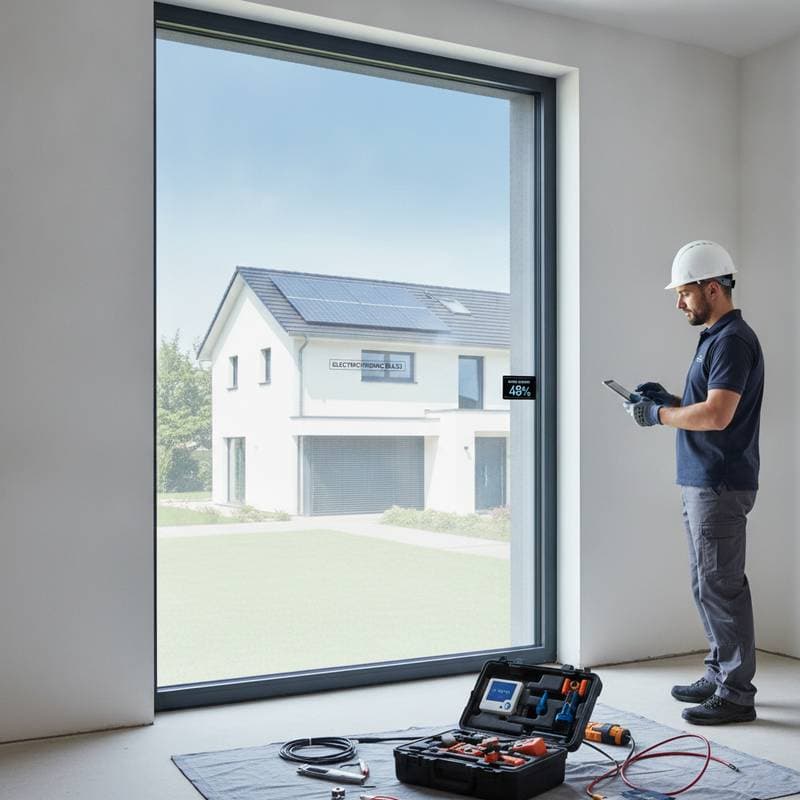
Precision defines acoustic window installation to guarantee airtight seals and accurate positioning. The procedure encompasses:
- Precise measurement of current openings for tailored dimensions.
- Extraction of existing frames, followed by assessment for any structural concerns.
- Placement of new frames using robust sealants and insulating materials.
- Insertion of acoustic glass units with confirmation of soundproof seals.
- Completion of internal trim and external weatherproofing.
Each window requires one to two hours for standard setups. Structures with aged woodwork or brick facades may demand extra preparatory efforts. Confirm that installers hold certification in acoustic systems, as flawed seals diminish efficacy.
Upkeep and Durability Expectations
Acoustic windows demand little ongoing care post-installation. Wipe frames and panes with mild soap solution and water periodically. Inspect seals yearly for cracks or separations. Should moisture form between glass layers, consult the installer, as it signals seal failure. Proper maintenance ensures a lifespan exceeding 25 years.
Steps to Upgrade Your Home
Persistent urban sounds eroding your tranquility warrant consideration of acoustic windows for substantial relief. Initiate the process with an on-site assessment by a qualified window specialist. Solicit STC rating analyses and comprehensive estimates suited to your residence's configuration. Pair this enhancement with door weatherstripping or insulation for optimal sound isolation.
Selecting appropriate materials, ensuring superior installation, and recognizing enduring gains enable the creation of a hushed, efficient living area. Though upfront costs appear substantial, the resulting serenity, functionality, and noise mitigation position acoustic windows among premier urban home enhancements.