How Soundproof Windows Block 95% of Urban Noise by 2025
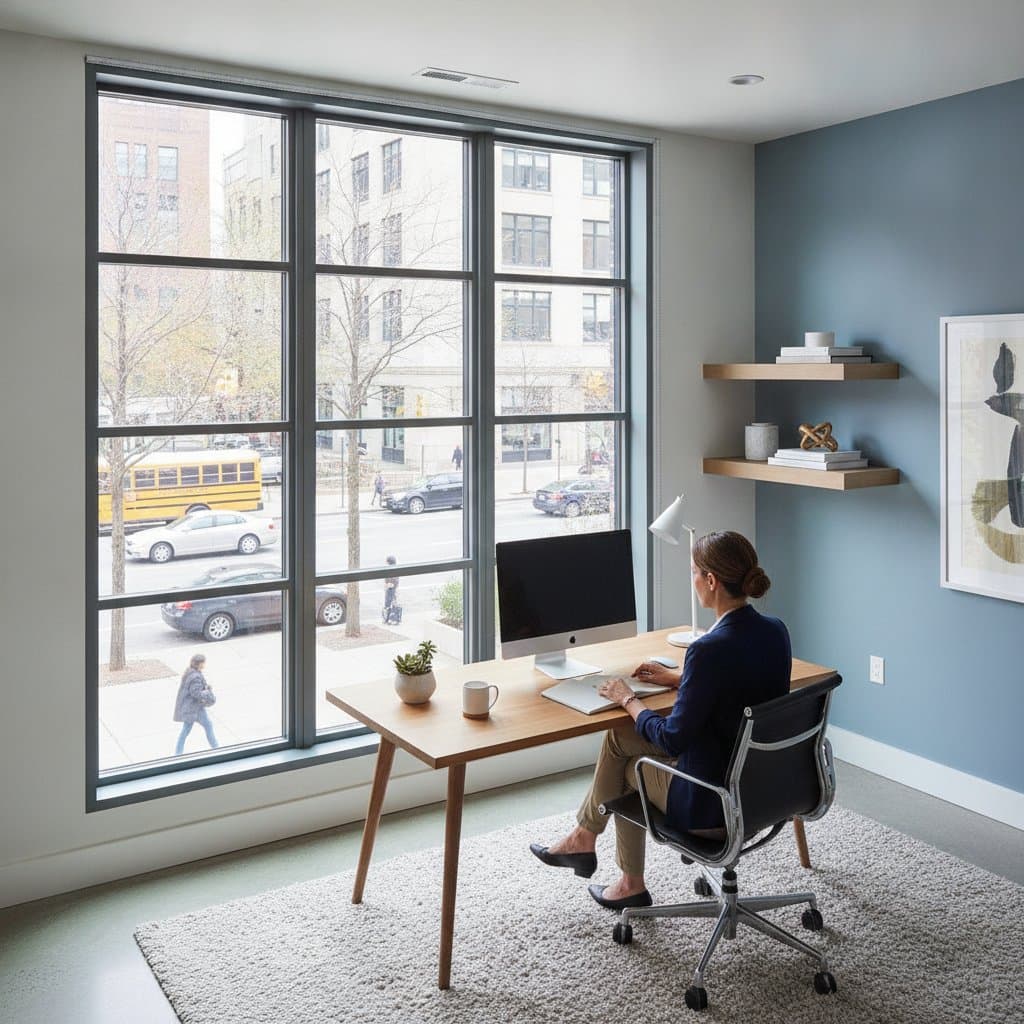
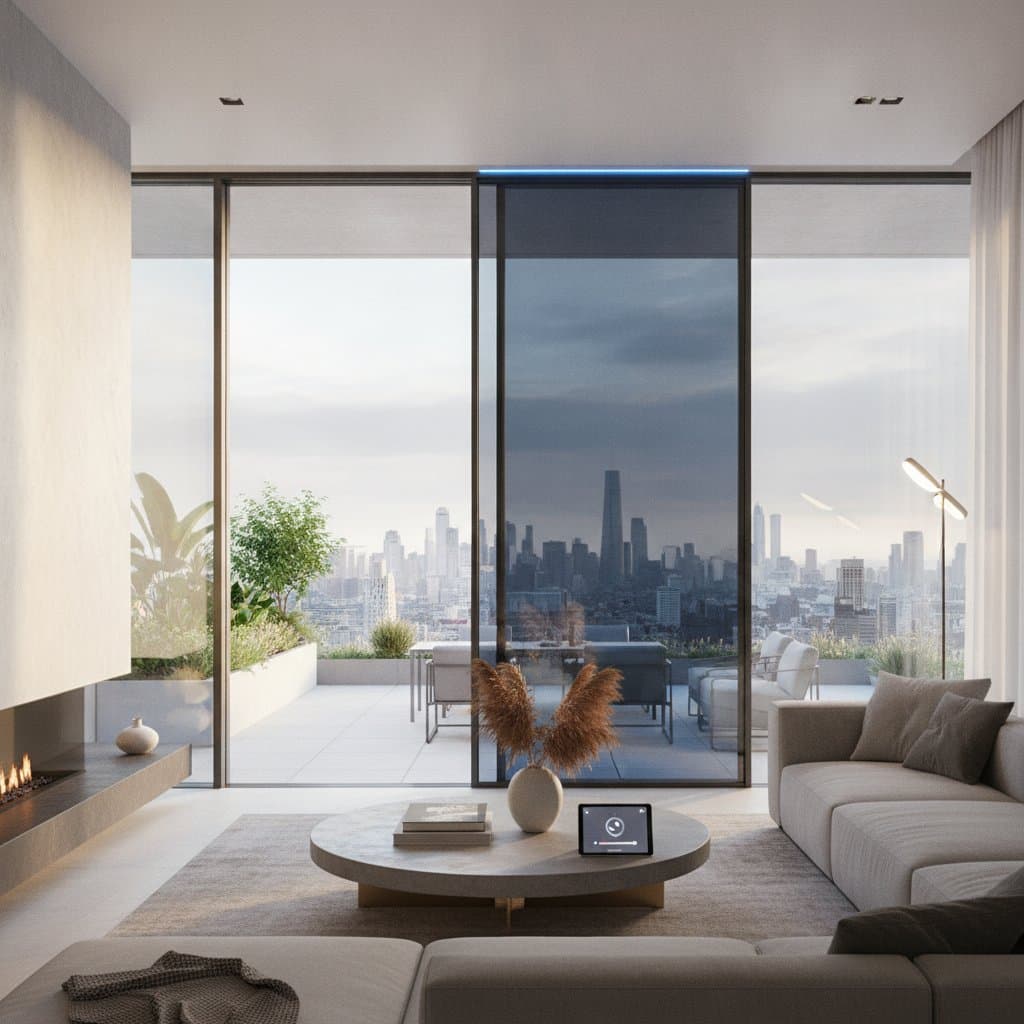
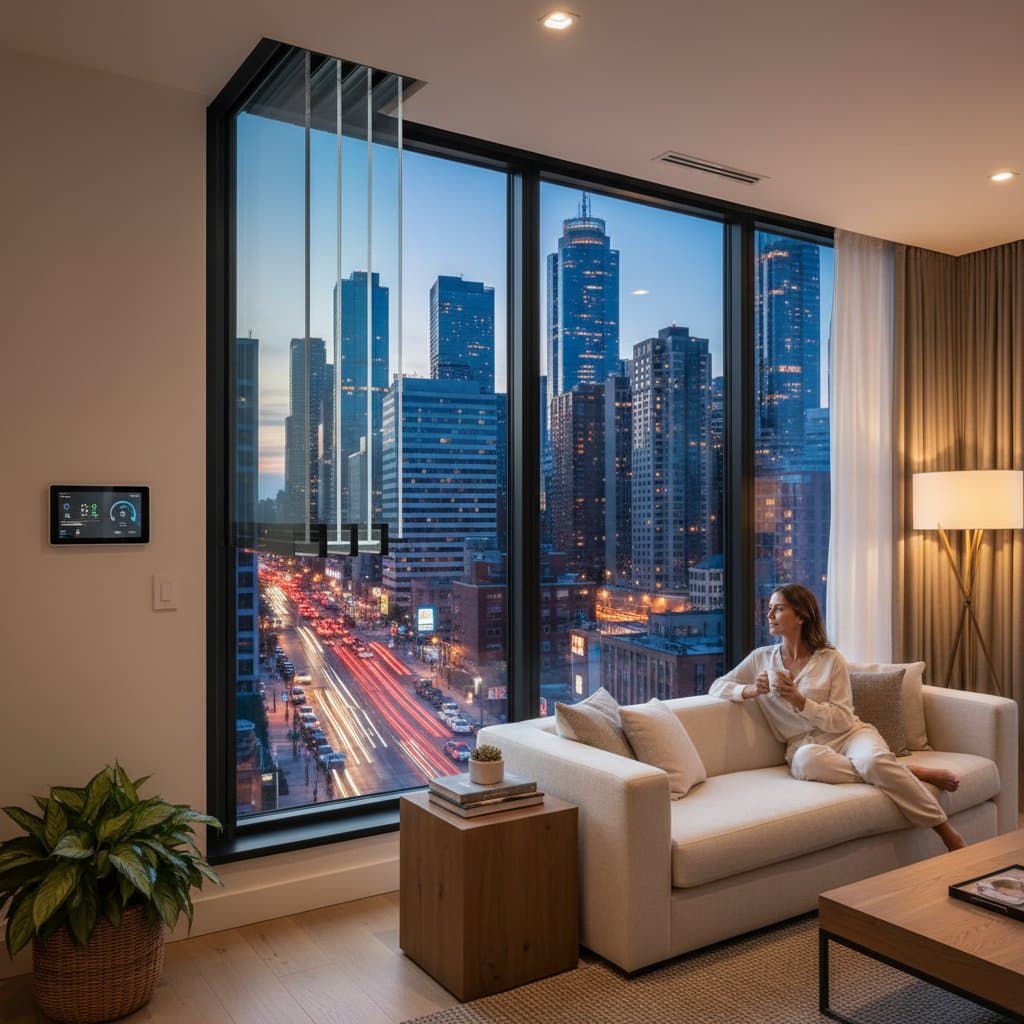
City living delivers excitement and convenience, yet it often includes persistent background noise from traffic, construction, and neighbors. This constant sound disrupts relaxation and sleep at home. Advanced soundproof window technology addresses these issues by blocking up to 95 percent of urban noise, providing homeowners with a reliable way to enhance comfort and increase property value.
Average Costs for Soundproof Windows
Soundproof windows go beyond standard glass by incorporating advanced materials, multiple glazing layers, and precise installation methods to minimize sound transmission. Costs vary based on materials, window size, and desired noise reduction levels.
| Window Type | Average Cost (Including Labor) | Noise Reduction Rating (STC) | Notes |
|---|---|---|---|
| Standard Dual Pane | $450 to $950 per window | 25 to 30 | Basic insulation with limited soundproofing |
| Acoustic Laminated Glass | $900 to $1,400 per window | 35 to 45 | Suitable for moderate noise environments |
| Triple Pane Acoustic | $1,200 to $2,000 per window | 45 to 50 | Ideal for urban or high-traffic locations |
| Secondary Soundproof Insert | $300 to $800 per window | 35 to 45 | Fits inside existing frames for retrofits |
A complete home installation typically ranges from $10,000 to $25,000, depending on the number and size of windows. These expenses often prove worthwhile through gains in comfort and energy savings.
Mechanisms Behind Soundproof Windows
Soundproof windows control sound wave propagation through strategic design elements. They prevent vibrations from traveling through glass and frames by using layered barriers and air pockets to absorb or deflect noise.
Key components include:
- Multiple glass panes of varying thicknesses that interrupt sound wave frequencies.
- Acoustic laminates that increase density and dampen vibrations.
- Sealed air gaps between panes that serve as buffers against sound.
- Reinforced frames and seals that eliminate gaps for noise entry.
Standard windows achieve a Sound Transmission Class (STC) rating of about 25, whereas premium soundproof models reach 50 or more. Higher STC ratings mean better attenuation of airborne sounds like traffic, voices, or emergency sirens.
Key Factors Affecting Soundproof Window Expenses
Several elements determine the total investment in soundproof windows. Reviewing these allows for precise budgeting and selection tailored to specific needs.
- Window Size and Number: Larger or numerous windows demand more materials and installation time, raising overall costs.
- Frame Material: Vinyl offers affordability and insulation, while aluminum ensures durability but requires breaks to limit sound conduction. Wood and fiberglass deliver superior acoustics at premium prices.
- Glass Specifications: Thicker or laminated options enhance noise blocking but increase expense. Multiple glazing layers outperform single panes significantly.
- Site-Specific Challenges: High-rise or historic homes may need custom techniques, adding to labor fees due to access issues or structural reinforcements.
- Local Labor Variations: Installation in metropolitan areas carries higher rates, often comprising 20 to 35 percent of the project total.
Frame Material Comparisons
Selecting a frame material balances cost, longevity, and noise control. Each type suits different priorities and environments.
| Frame Material | Cost Range (Per Window Installed) | Durability | Acoustic Benefit |
|---|---|---|---|
| Vinyl | $450 to $850 | Low maintenance, moisture resistant | Good |
| Aluminum | $700 to $1,100 | Strong, lightweight | Fair to good with breaks |
| Wood | $900 to $1,400 | Classic aesthetic, superior insulation | Very good |
| Fiberglass | $1,000 to $1,600 | Extended life, minimal expansion | Excellent |
Consult a professional to align frame choice with local climate, style, and performance goals.
Installation Approaches: Retrofit or Replacement
Options for adding soundproofing include full window replacement or internal inserts. Each method provides unique advantages based on project scope.
Full replacement removes old units and installs new soundproof assemblies, maximizing noise reduction and energy performance. This approach suits extensive renovations but involves higher costs and downtime.
Retrofit inserts attach secondary panels within existing frames, creating an air barrier that cuts sound effectively. Installation proceeds quickly with minimal disturbance, often completing in a single day.
| Installation Type | Typical Cost Range | Advantages | Best For |
|---|---|---|---|
| Full Replacement | $900 to $2,000 per window | Superior performance, energy gains | Comprehensive upgrades, noisy sites |
| Retrofit Insert | $300 to $800 per window | Affordable, low disruption | Budget projects, rentals |
Proper execution ensures strong outcomes for either method, guided by budget and existing setup.
Achievable Noise Reduction Levels
Testing data indicates that well-installed soundproof windows diminish external noise by 70 to 95 percent. Results vary with noise frequency and home construction; low-frequency rumbles from vehicles challenge blocking more than high-pitched sounds like voices.
Advanced laminated glass handles a broad spectrum effectively. Mark Jensen, a certified window installer in Chicago, notes, “Homeowners often express surprise at the transformation. A solid upgrade can convert a bustling apartment into a serene haven.”
Additional Gains in Energy and Comfort
Beyond noise control, soundproof windows improve thermal performance through their multi-layer builds, which also curb heat loss. Annual heating and cooling expenses may drop by 10 to 20 percent.
Other improvements encompass:
- Stable indoor temperatures with fewer drafts.
- Better air quality by sealing out pollutants.
- Less condensation on windows.
- Stronger security from impact-resistant laminated glass.
These features extend value across multiple home aspects.
Navigating Permits and Building Codes
Routine window swaps seldom need permits unless altering structure. Local energy codes may dictate glass efficiency or frame insulation levels. Confirm requirements with authorities early; a licensed professional assists in meeting acoustic and thermal guidelines.
Sustaining Performance Through Maintenance
Soundproof windows demand little upkeep, yet consistent checks preserve their effectiveness.
- Examine seals and gaskets biannually for airtight integrity.
- Clean glass using mild solutions and soft materials to avoid scratches.
- Apply lubricant to tracks and hinges yearly for effortless movement.
- Clear drainage paths in frames to avert water accumulation.
- Steer clear of unapproved films, which may compromise sound qualities.
These practices ensure longevity and peak function over years.
Weighing DIY Against Professional Installation
Acoustic insert kits allow some self-installation, but complete replacements require expert handling. Achieving target STC levels hinges on flawless sealing and alignment.
Professionals assess structural elements, frame integrity, and insulation before customizing solutions. Projects for average homes span one to three days, covering removal, preparation, fitting, and specialized sealing. Secure warranties in writing for materials and workmanship.
Selecting a Reliable Soundproof Window Specialist
A skilled contractor guarantees optimal results from your upgrade. Prioritize those who:
- Hold valid licenses and insurance for installations.
- Share references from comparable soundproofing jobs.
- Supply itemized quotes detailing components, labor, and guarantees.
- Employ certified, tested products.
Gather several bids to evaluate options and value. Expect clear explanations of acoustics and tailored advice for your noise profile.
Steps to Secure Your Quiet Upgrade
Implementing soundproof windows reshapes daily home life with tranquility, efficiency, and restful nights amid urban bustle. Begin with an on-site assessment to gauge noise and outline objectives.
Post-installation, benefits emerge swiftly. With 95 percent noise reduction, your space evolves into a genuine sanctuary, yielding enduring serenity and enhanced worth through thoughtful choices in materials, methods, and expertise.