Why Zellige Tile Entryways Define 2026 Design Trends
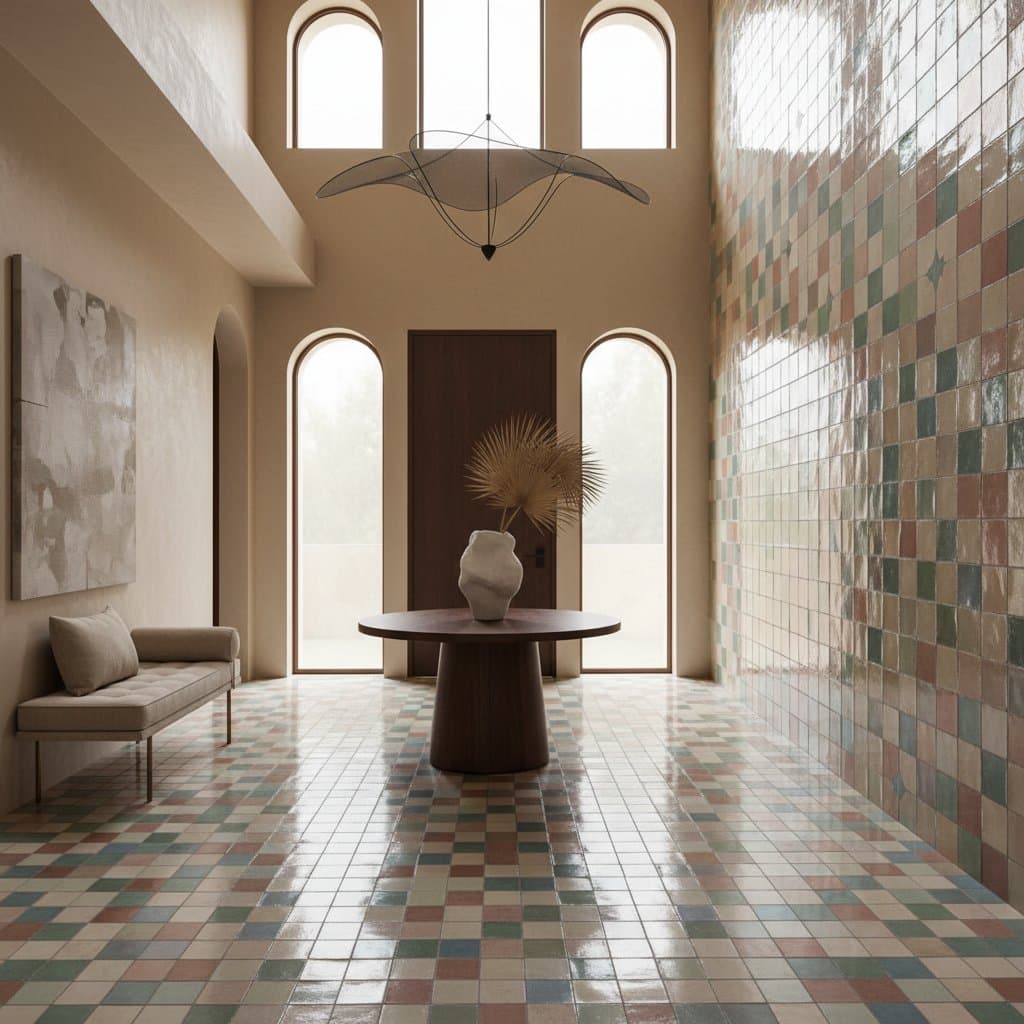
Zellige tile has transitioned from artisan workshops to the forefront of residential interiors, with entryways emerging as its ideal showcase. The hand-cut edges, subtle irregularities, and glossy glazes of these Moroccan tiles capture light in ways that reveal depth and personality. Homeowners seeking a memorable first impression discover that Zellige infuses spaces with warmth and authenticity, qualities often absent in factory-produced alternatives.
This surge in popularity aligns with a cultural shift toward genuine materials and sensory engagement. Entryways, serving as the home's initial greeting, provide the perfect canvas for this evolution. Selecting Zellige here goes beyond trend-following; it crafts an inviting environment that resonates personally and withstands time.
The Essence of Zellige Tile
Crafted from natural clay in Morocco, Zellige tiles undergo hand-shaping, sun-drying, and firing with mineral glazes to produce surfaces rich in texture and nuance. These imperfections, far from flaws, draw the gaze as light shifts, ensuring no two tiles match exactly. This uniqueness imparts a bespoke quality to even straightforward layouts.
The charm stems from embracing handmade variance over machined consistency. In a world dominated by exact replicas, Zellige's gentle undulations mimic natural elements, such as rippling water. Designers and residents alike value how it elevates mundane areas into vibrant focal points.
Entryways benefit immensely from Zellige's responsiveness to daylight. As sunlight traverses the space, the tiles alter in hue and intensity, fostering a dynamic, hospitable ambiance. Applied to floors, walls, or accents, Zellige converts passageways into immersive encounters.
Key Material Properties and Practical Performance
Zellige derives from dense clay coated in a non-porous, high-shine glaze, rendering it robust against stains and simple to maintain after sealing. Potential users must note its specific traits to ensure suitability.
Durability: Best suited for walls or lightly trafficked floors, Zellige withstands regular use but risks edge chipping from impacts or heavy furniture. In busy entryways, experts recommend integrating it with resilient options like porcelain floors, limiting Zellige to vertical surfaces or decorative elements.
Maintenance: The glaze repels water and grime effectively, though grout lines demand attention. Opt for premium grout and apply sealant post-installation for effortless upkeep. Clean routinely with a soft cloth and neutral soap to sustain the finish's luster.
Installation Demands: Variations in tile dimensions necessitate expert handling. Engage a specialist in artisanal tiling to manage the precise fitting of uneven edges, prioritizing visual harmony over rigid metrics.
Performance Comparison
| Material | Initial Cost | Lifespan | Maintenance Level | Ideal Applications |
|---|---|---|---|---|
| Zellige Tile | Medium to High | Long (with care) | Low to Moderate | Expressive walls, low-traffic floors |
| Porcelain Tile | Moderate | Very Long | Low | High-traffic areas, sleek aesthetics |
| Ceramic Tile | Low | Moderate | Low | Affordable refreshes, even surfaces |
| Natural Stone | High | Long | Moderate to High | Opulent settings, organic textures |
Zellige bridges the gap between everyday ceramics and premium stone, excelling in aesthetic allure rather than flawless uniformity. Its handmade essence delivers unparalleled visual intrigue for entryway enhancements.
Creative Applications in Entryway Design
Architects employ Zellige flexibly to craft entryways that pulse with character, adapting to styles from sleek contemporary to rustic Mediterranean.
Full-Wall Coverage
Covering an entire wall adjacent to the door or stairs generates immediate impact. The glaze's reflectivity amplifies ambient light, while tonal shifts in shades like ochre, cream, or azure infuse subtle elegance.
Border and Inset Designs
Incorporate Zellige as edging or central motifs within broader floor plans to add tactile contrast against timber or marble. This method suits seamless transitions into living areas, highlighting the entry without overwhelming it.
Integrating with Complementary Elements
Combine Zellige with timber entry doors, stucco finishes, or metal accents to amplify its heritage vibe. The tile's textured profile harmonizes with materials exhibiting natural veining or aging, tempering stark modern geometries with organic softness.
Selecting Colors and Finishes
Available in classics such as ivory, teal, navy, and slate, Zellige now includes modern neutrals like soft grays and muted pinks. Emerging matte variants provide a velvety alternative to traditional sheen. Assess samples on-site under varying illumination to match tones with existing decor and desired atmosphere.
Essential Considerations for Selection
Homeowners must weigh aesthetics against practicality when incorporating Zellige into entryways. Key elements include:
- Daily Use Patterns: High-activity households or those with pets should confine Zellige to walls to minimize wear.
- Financial Scope: Expect elevated expenses for materials and skilled labor compared to standard tiles.
- Upkeep Preferences: Sealing and grout care are straightforward but essential for enduring appeal.
- Ambient Light: Maximize its potential in well-lit areas; select brighter hues for dimmer spots.
- Future Outlook: Its graceful aging suits long-term residency, yielding sustained design dividends.
Step-by-Step Installation Guide
Zellige projects require deliberate preparation, diverging from conventional tiling routines.
Initial Planning
Calculate dimensions accurately, adding 15 percent extra for cuts and discrepancies. Collaborate with installers on patterns like vertical stacks, offsets, or diagonals, each affecting the display of natural variances.
Surface Preparation
Ensure the base is level, dust-free, and secure to avoid distortions. Blend tiles from multiple cartons during unpacking to evenly scatter color and shape differences.
Core Installation Process
Artisans align tiles intuitively, using slim grout lines to preserve authenticity. Neutral or white grout enhances glaze reflection; flexible mortar accommodates edge irregularities and prevents fractures.
Verification and Finishing
Monitor progress for cohesive visuals, avoiding disorderly appearances. Pre-grout cleaning eliminates debris for clean seams. Allow full curing before initial wash, then seal grout for protection.
Sustaining Zellige Over Time
With proper attention, Zellige endures for generations. Dust weekly and wash sparingly with gentle solutions, steering clear of harsh abrasives that could erode the glaze.
Individual tile replacements are feasible if damage occurs, though batch variations may introduce minor tonal shifts. As interiors evolve, Zellige's versatile palette integrates seamlessly, maintaining relevance across stylistic phases.
Achieving Optimal Outcomes
To realize Zellige's full potential, prioritize experienced professionals, thorough sealing, and consistent care. This approach fosters a patina that deepens the material's allure.
Zellige entryways embody artistry fused with utility, greeting visitors with luminous texture and enduring grace. Thoughtful execution honors its origins, yielding spaces that honor tradition while embracing modern comfort.