Understanding Why Black Frames Fade 30% Faster: Reliable Alternatives
Black window frames deliver bold contrast and a contemporary edge that many homeowners admire. However, these dark finishes often lose their luster more quickly than lighter options. Data from industry tests and real-world observations indicate that black and similar dark shades can fade up to 30% faster than white or beige counterparts. This accelerated wear stems from the way dark pigments capture heat and ultraviolet rays.
For those contemplating window replacements or exterior updates, grasping the mechanics of fading empowers informed decisions. The following sections detail the causes of color degradation, along with practical alternatives that preserve appearance over time.
The Science of Frame Fading
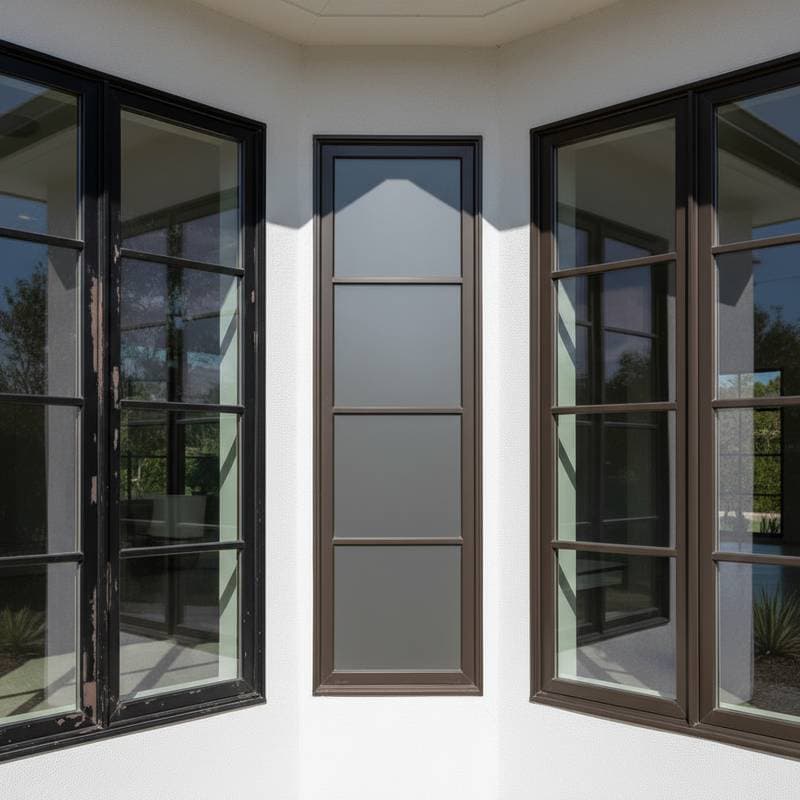
Fading occurs as ultraviolet light disrupts the molecular structure of pigments and protective coatings. Darker hues, such as black, capture a greater share of solar energy and heat, hastening this degradation process. Consequently, the frame surface develops chalkiness, loses depth, or exhibits patchy discoloration.
Materials like vinyl, aluminum, and fiberglass each respond differently to these stresses. Vinyl grows brittle from prolonged heat exposure, aluminum prone to oxidation, and fiberglass risks dulling without adequate coatings. Darker pigments intensify thermal strain across the entire surface, amplifying vulnerability.
Mark Ellison, a certified window installer based in Colorado, observes, "Black frames can reach surface temperatures up to 40 degrees higher than white ones on a sunny day. That constant expansion and contraction eventually weakens the finish."
Cost Comparison of Fade-Resistant Frame Options
Evaluating replacement choices requires balancing initial expenses with long-term durability. Advanced coatings and pigments enhance resistance but elevate upfront costs, often offsetting future repairs.
| Material/Finish Type | Cost Range (Installed) | Fade Resistance | Maintenance Level |
|---|---|---|---|
| Standard Vinyl Frame | $450 to $850 per window | Low | Minimal cleaning |
| Painted Aluminum | $600 to $1,000 per window | Moderate | Occasional repainting |
| Fiberglass Frame | $750 to $1,200 per window | High | Light washing only |
| Wood Clad Frame | $900 to $1,500 per window | Moderate | Repainting every 5-7 years |
| Composite Frame with UV Coating | $800 to $1,300 per window | Very High | Minimal upkeep |
These figures account for materials and installation. Opting for premium fade-resistant options typically adds 10% to 20% to the total, yet extends aesthetic longevity by 10 years or longer.
Key Reasons Black Fades More Rapidly
Heat absorption stands as the primary driver of faster fading in black frames. Colors interact with sunlight variably: white reflects about 80% of rays, while black retains nearly all. This leads to elevated surface temperatures, particularly on south- or west-facing windows under prolonged direct exposure.
Such thermal spikes induce subtle expansions within the frame and its coatings. Repeated cycles erode pigment stability, resulting in uneven breakdown. Moreover, black accentuates accumulated dust and oxidation, rendering changes more noticeable than on paler surfaces.
Pigment makeup contributes further. Carbon-based blacks prove robust yet susceptible to UV without stabilizers. Specialized additives or coatings become essential to counter outdoor rigors.
Effective Alternatives to Black Frames
Achieve a similar dramatic effect with options that withstand fading better. These selections blend modern aesthetics with superior performance.
Dark Bronze or Espresso Finishes
These rich neutrals echo black's intensity while bouncing back more sunlight. They develop a natural patina over time and conceal light soiling effectively. Bronze suits diverse exteriors, from traditional brick to sleek siding, adding understated elegance.
Graphite or Charcoal Gray
Graphite captures an industrial vibe minus black's extreme heat retention. It coordinates seamlessly with indoor schemes and maintains a crisp appearance. Powder-coated versions from manufacturers bolster endurance against environmental wear.
Dark Wood Grain Laminates
Applied to vinyl or composite bases, walnut or espresso laminates simulate black's richness at lower temperatures. Integrated UV blockers prevent color shift, ensuring uniform depth through seasons.
Two-Tone Configurations
Combine black interiors with neutral exteriors for balanced design. Exteriors in lighter tones deflect heat, curbing outdoor fade, while interiors uphold your preferred style.
Advanced Protective Coatings
Seek frames featuring low-emissivity layers, UV barriers, or durable powder applications. These treatments shield against intense sunlight, prolonging vibrancy in demanding climates.
How Environment Influences Fading Rates
Local conditions and window placement significantly impact color retention. South- or west-oriented homes endure peak sunlight intensity, speeding degradation. Coastal settings introduce salt and humidity that erode finishes prematurely.
High-UV zones like deserts or elevated terrains demand robust protections; lighter colors or enhanced coatings yield the greatest benefits. Shaded lots experience milder effects, though dark frames still accumulate heat from ambient sources.
Practical Maintenance to Extend Frame Life
Routine care mitigates fading on any dark frame. Implement these strategies to preserve quality.
- Wash surfaces quarterly using mild soap and water to remove contaminants without harming coatings.
- For metal or fiberglass, apply UV-resistant wax biannually to form a barrier against rays and moisture.
- Check annually for chalky buildup or dull spots; address with gentle buffing and protectant renewal.
- Steer clear of high-pressure rinses, which strip layers or force water into joints.
- Keep nearby plants pruned to minimize shade-induced moisture and reflected glare.
Consistent application of these practices can delay visible fading by 20% to 30%, particularly alongside quality materials.
Insights from Industry Professionals on Durability
Experts emphasize material selection alongside color. Erin Dalton, a renovation consultant in North Carolina, notes, "Homeowners often choose black frames for style, but they forget to ask about the coating. A premium powder coat or UV-stable resin can double the lifespan of dark finishes."
Manufacturer tests confirm that coated composites retain over 90% color fidelity after 10 years of simulated exposure. Unprotected vinyl, by contrast, may drop 25% in intensity over the same span.
Prioritizing such innovations justifies added investment, yielding sustained beauty with reduced upkeep demands.
Selecting Frames That Enhance Your Home's Endurance
Choose frame colors and materials that align with your climate and aesthetic goals. Fade-resistant options like graphite or coated composites deliver modern appeal without the pitfalls of black. This approach safeguards your investment, ensuring exteriors remain vibrant and inviting for years ahead.