
Why Homeowners Choose Acoustic Over Standard Windows
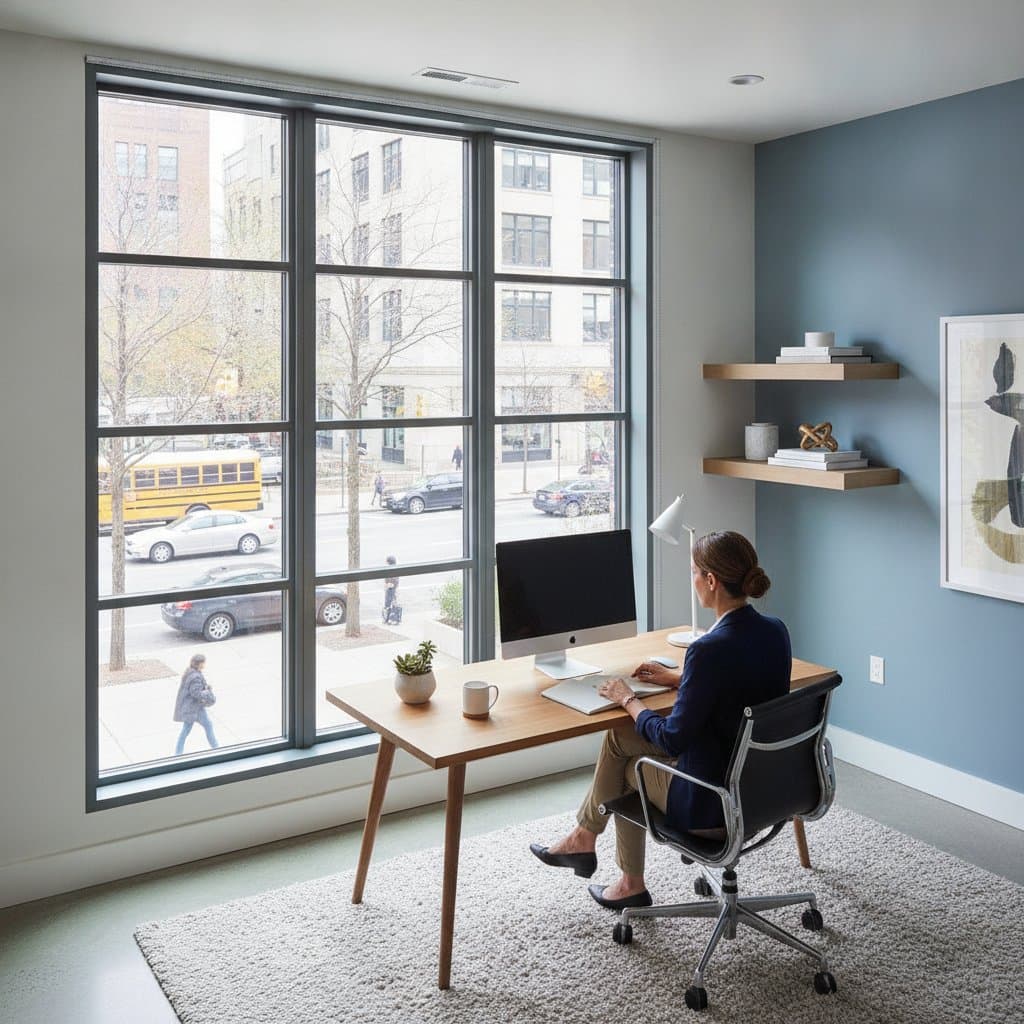
Noise pollution ranks among the top complaints for homeowners in urban and suburban settings. Traffic, neighbors, or construction sites often disrupt daily life and hinder restful sleep. As a result, acoustic windows have gained popularity as a reliable upgrade. These specialized windows help transform homes into serene environments by minimizing external sounds.
Homeowners opt for acoustic windows to achieve quieter spaces that enhance comfort and well-being. Understanding the differences from standard windows, along with associated costs and benefits, aids in informed decisions. The following sections explore these aspects in detail.
How Acoustic Windows Work
Acoustic windows employ advanced materials and design principles to minimize sound transmission. Standard double-glazed windows feature two glass panes separated by air or gas for basic insulation. Acoustic versions enhance this setup to target noise more effectively.
Key elements contribute to their performance:
-
Thicker Glass Layers
Glass in acoustic windows ranges from 6 to 12 millimeters in thickness. This added mass absorbs vibrations from sound waves, preventing them from resonating through the structure. -
Laminated Acoustic Interlayer
A polyvinyl butyral (PVB) or specialized acoustic interlayer sits between glass sheets. This material dissipates sound energy, converting it into minimal heat rather than allowing transmission. -
Asymmetric Pane Design
Designers pair panes of varying thicknesses, such as 6 mm and 10 mm. This variation scatters sound frequencies, reducing resonance compared to uniform panes. -
Enhanced Sealing Systems
Frames incorporate multiple rubber seals and compression gaskets. These components eliminate air leaks, which serve as pathways for sound infiltration. -
Optional Triple Glazing
Advanced models include a third pane for superior isolation. Such configurations prove ideal for properties near airports or high-traffic roads.
Together, these features achieve noise reductions of up to 90 percent relative to single-pane windows, often blocking 10 or more additional decibels.
Comparing Acoustic and Standard Windows by Material
Frame materials affect both the cost of acoustic upgrades and overall sound performance. The table below outlines common options, highlighting cost premiums, durability, and suitable applications.
| Frame Material | Average Cost Increase for Acoustic Upgrade | Durability | Recommended Use |
|---|---|---|---|
| uPVC | 20% to 30% | Moderate | Residential retrofits where budget matters |
| Aluminum | 25% to 40% | High | Modern homes or commercial spaces requiring sleek aesthetics |
| Wood | 30% to 45% | High | Traditional properties valuing natural warmth and insulation |
| Composite | 35% to 50% | Very High | Balanced energy efficiency and sound control in varied climates |
Wood and composite frames offer inherent sound-dampening qualities superior to basic uPVC. However, they demand periodic maintenance to preserve integrity. uPVC strikes a balance for those prioritizing affordability without sacrificing acoustic benefits.
Acoustic Windows vs. Secondary Glazing
Full window replacement suits many needs, yet secondary glazing presents a budget-friendly option. This method adds an internal pane to the existing window, forming an additional air barrier against noise.
The comparison table details key differences:
| Option | Average Cost per Window | Noise Reduction | Installation Type | Best For |
|---|---|---|---|---|
| Full Acoustic Window Replacement | $700 to $1,200 | Up to 45 dB | Permanent | Properties exposed to intense external noise |
| Secondary Glazing | $400 to $700 | Up to 38 dB | Retrofit | Rentals or historic buildings preserving original features |
Secondary glazing requires less disruption and completes in less time. It falls short, however, in matching the thermal efficiency and precise sound control of dedicated acoustic units.
The Installation Process
Acoustic window installation mirrors standard procedures but emphasizes meticulous sealing and alignment. Proper execution ensures optimal performance from the outset.
The process unfolds in these steps:
-
Initial Assessment
Professionals measure current openings, evaluate frame stability, and analyze ambient noise with tools like decibel meters. They then suggest appropriate glass specifications. -
Removal of Old Units
Technicians extract existing windows with care to avoid damaging adjacent walls or trim. Protective coverings safeguard interiors during this phase. -
Frame Preparation
Repairs address any structural issues, such as rot or misalignment. Reinforcements support the heavier acoustic components if necessary. -
New Window Installation
Units slot into place, with seals applied under pressure for a tight fit. Alignment tools ensure even operation and maximal insulation. -
Final Testing
Sound level checks and leak detection via smoke tests confirm effectiveness. Adjustments address any deficiencies before completion.
Installer Sarah Lopez of QuietView Installations notes, “The key is in the sealing. Even a small gap of a few millimeters can reduce sound performance by up to 30 percent.”
Common Misconceptions About Acoustic Windows
Several myths deter potential buyers from acoustic windows. Addressing them clarifies their true value.
-
They do not achieve complete soundproofing. These windows lower noise to tolerable levels, but external sounds persist at reduced volumes. The focus remains on comfort rather than absolute silence.
-
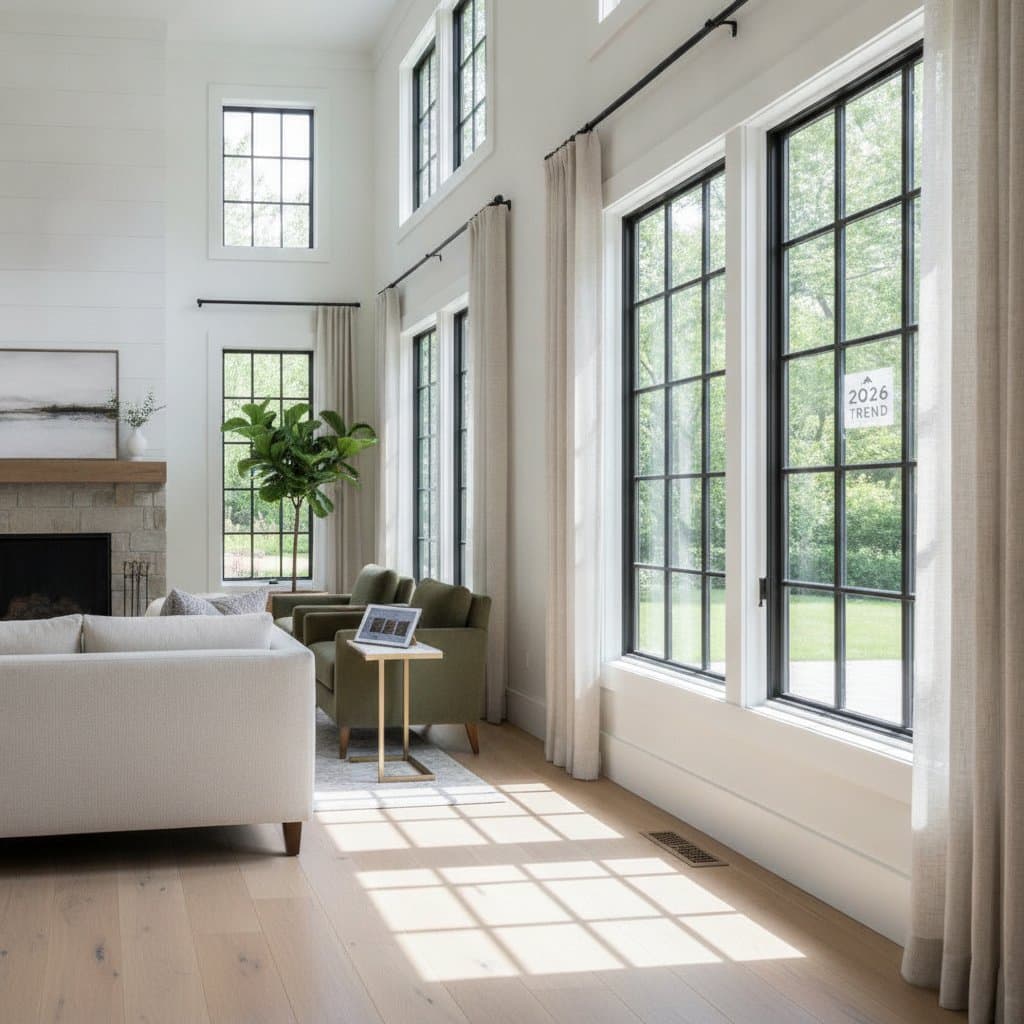
They blend seamlessly with standard designs. Acoustic glass matches the appearance of regular types and fits various frame finishes, maintaining architectural harmony.
-
They limit effectiveness against vibrations. While low-frequency rumbles from vehicles or music may linger faintly, reductions reach 70 percent or more.
-
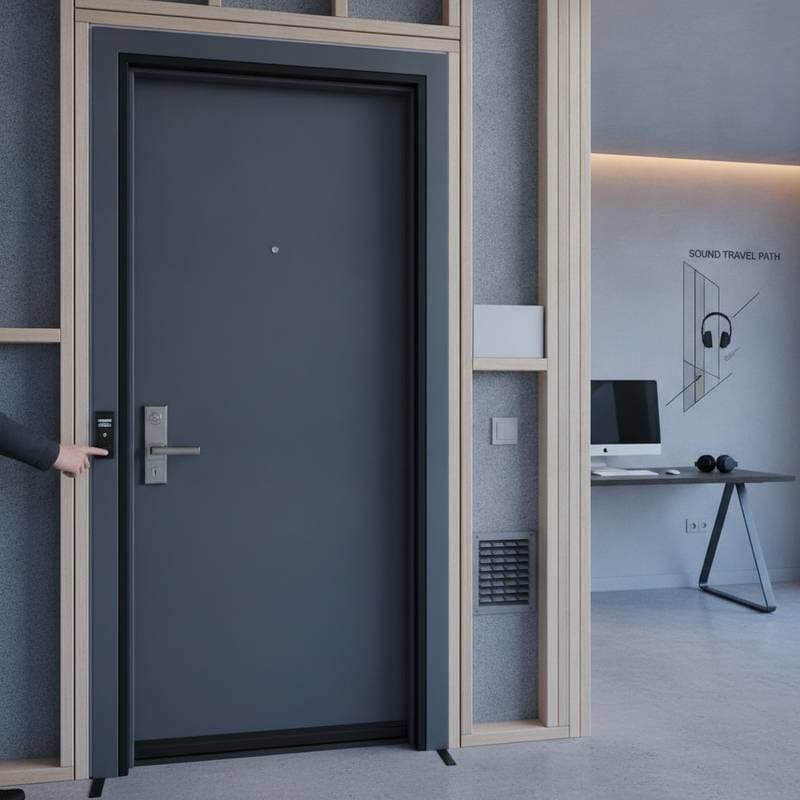
They integrate with complementary measures. Pairing with insulated walls, sealed doors, or heavy drapes amplifies overall quietude.
Steps to Select and Install Acoustic Windows
Acoustic windows deliver immediate gains in tranquility, rest, and focus. Their higher upfront costs yield returns through enhanced home value and reduced stress.
Start by consulting certified professionals for on-site noise evaluations. Obtain multiple quotes detailing reduction ratings, warranty coverage, and timelines. Prioritize installers experienced in acoustic systems to ensure lasting results.
For homes near roadways or flight corridors, these windows restore calm effectively. Proper material selection, expert fitting, and routine care sustain their benefits for years.