Ditch Black: Warm Brass Transforms 2025 Entryways
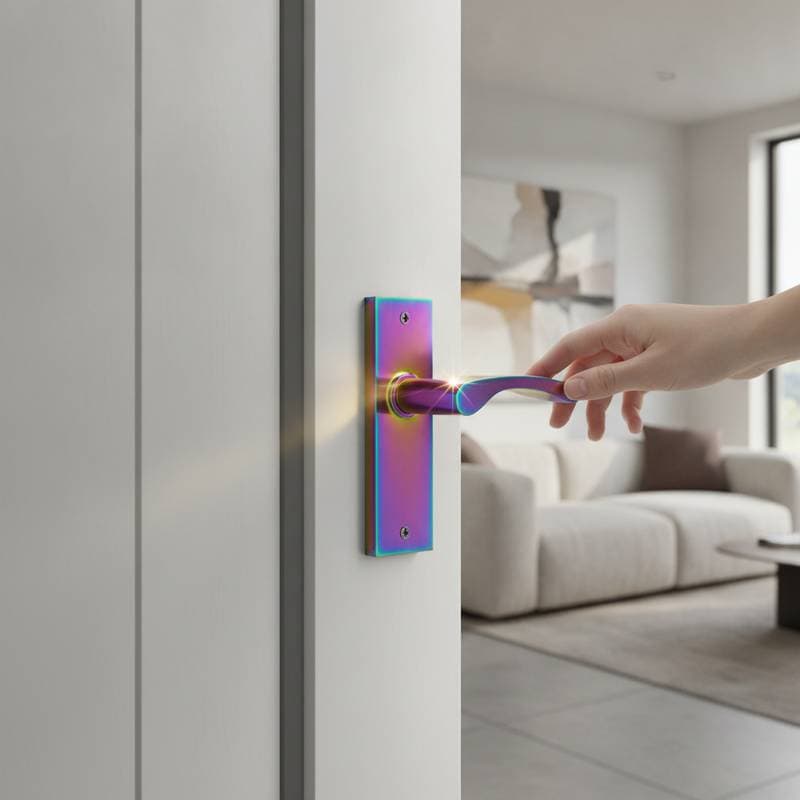
Black door hardware has dominated modern design for years, yet a fresh trend now emerges. Warm brass finishes redefine entryways with a rich, inviting appeal that combines luxury and comfort at front doors. Homeowners seeking to refresh curb appeal turn to brass for its timeless glow, versatile pairing with wood tones, and notable durability. Those planning an entryway upgrade benefit from understanding this shift's momentum and associated costs.
Average Costs for Brass Door Hardware
Brass hardware spans from affordable options to high-end selections based on finish quality and design intricacy. Homeowners typically invest between $90 and $350 for a complete entry door set that includes handle, lock, and installation components. Premium solid brass levers or custom designs range from $400 to $800 per door.
The following table provides an overview of cost ranges for common brass door components:
| Material/Service | Cost Range | Key Features |
|---|---|---|
| Brass knob set | $50 to $120 | Simple design, suitable for interior or secondary entry doors |
| Brass lever handle set | $100 to $250 | Ergonomic grip, modern styling, multiple finish options |
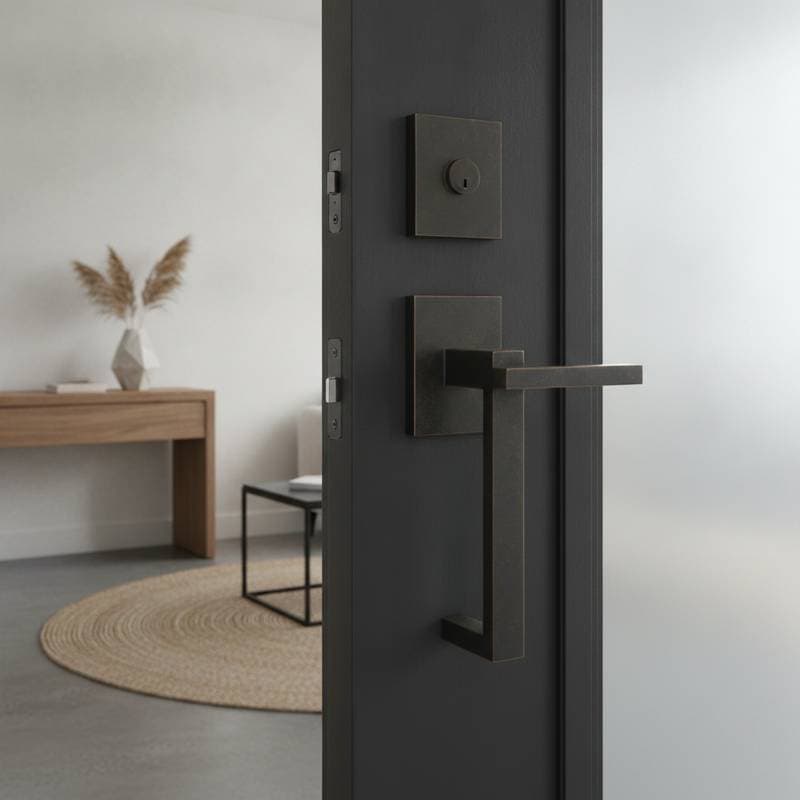
| Solid brass front entry set | $250 to $800 | Heavy-duty construction, premium polish, includes deadbolt |
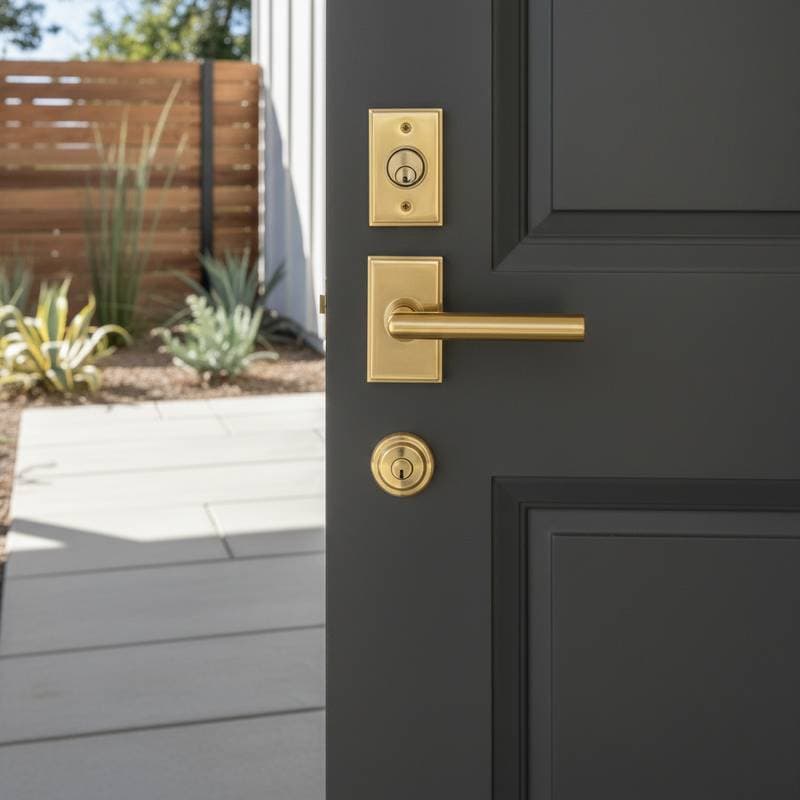
| Brass deadbolt | $40 to $100 | Adds security, matches handle finish |
| Installation labor | $75 to $150 per hour | Professional fitting, ensures proper alignment and latch function |
The total expense depends on selecting solid brass or plated versions, along with handle design complexity. Solid brass commands a higher price yet offers greater longevity and a deeper, warmer hue than plated alternatives.
Why Brass Replaces Black
Home design trends shift from stark contrasts toward warmth and depth. Black finishes, though sleek, often appear cold or industrial in residential contexts. Warm brass introduces subtle light reflection for a softer transition among wood, paint, and trim.
Design consultant Laura Greer of Greer Door & Hardware notes, “Brass hardware gives homeowners the same bold definition black does, but with a softer touch that feels more inviting.” Warm metallics suit both light and dark door colors, enhancing versatility across styles from traditional to modern farmhouse.
The Appeal of Warm Metallics
Warm brass finishes appear in sheens such as satin, brushed, and antique, each fostering a unique atmosphere. Satin brass offers a refined, understated glow, while brushed brass adds texture to conceal fingerprints. Antique brass evokes vintage character and pairs seamlessly with natural wood doors.
In contrast to the bright polished brass of past decades, current finishes remain muted and sophisticated. These options convey an artisan-crafted quality rather than a manufactured appearance, instilling immediate perceptions of excellence and endurance.
Matching Brass with Door Styles
Selecting appropriate brass hardware begins with door material and color. Consider these effective combinations:
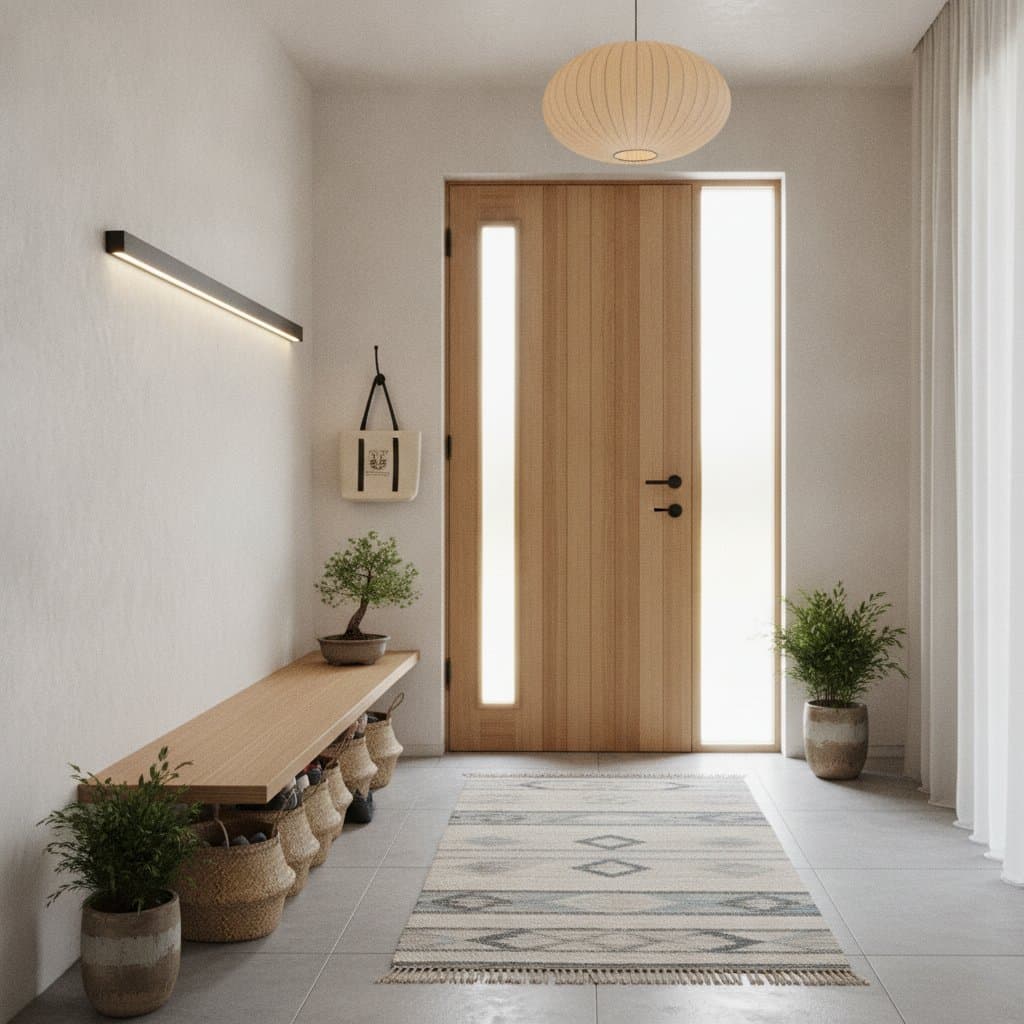
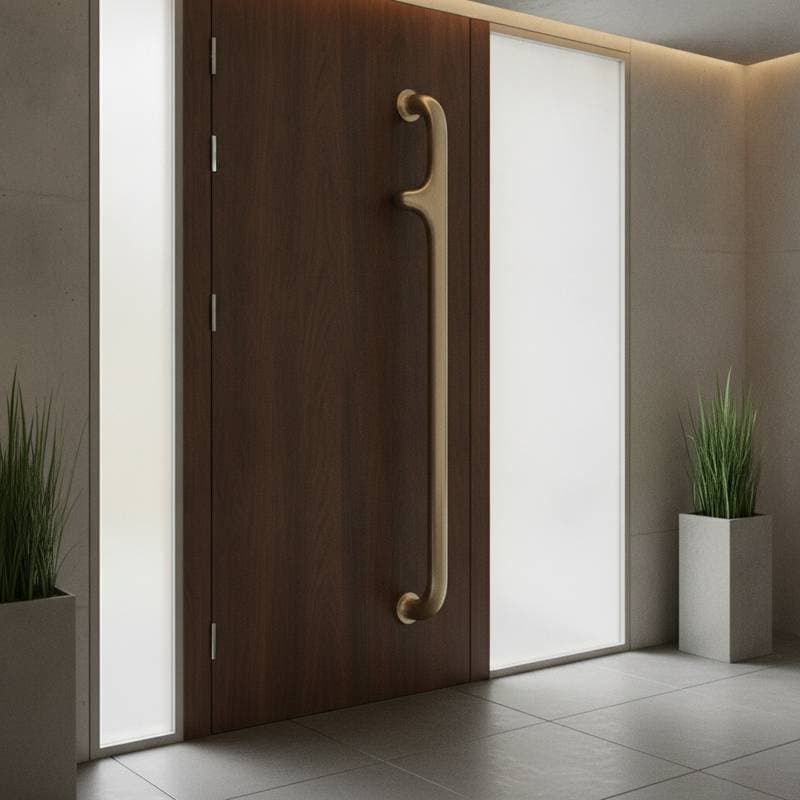
- Natural wood doors: Warm brass accentuates organic tones and highlights grain contrast.
- Painted doors: Brass complements whites, greens, blues, and even black surfaces for premium contrast.
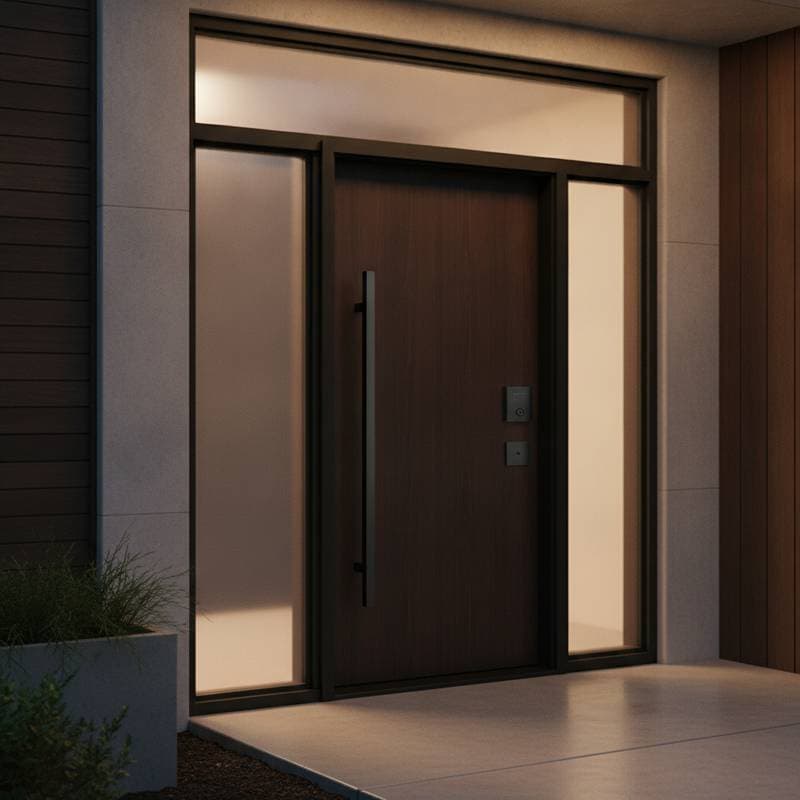
- Glass or panel doors: Brushed brass enhances clear or frosted inserts without dominating the overall design.
Align handle design with home architecture. Traditional homes favor curved levers or ornate backplates, whereas modern spaces suit clean, straight lines and minimal details.
Durability and Maintenance
Brass hardware earns praise for its strength and corrosion resistance. Unlike painted or powder-coated options, brass develops a natural patina that evolves over time. This patina enhances charm without demanding frequent maintenance.
To preserve the initial shine, clean hardware with a soft cloth and mild soap solution every few months. Steer clear of harsh chemicals that might erode the finish. For a patinated effect, allow the metal to age naturally. In coastal or humid areas, apply a light wax coat to shield against salt or moisture.
Comparing Brass to Other Finishes
Homeowners frequently weigh brass against black, bronze, or nickel for new hardware. The table below highlights key differences in visuals and upkeep:
| Finish | Average Cost | Visual Effect | Maintenance |
|---|---|---|---|
| Warm brass | $100 to $350 | Soft glow, timeless appeal | Low, develops patina |
| Matte black | $80 to $300 | Bold contrast, modern look | Moderate, shows fingerprints |
| Oil-rubbed bronze | $120 to $400 | Rustic, traditional tone | Moderate, finish can fade |
| Brushed nickel | $90 to $250 | Cool tone, clean aesthetic | Low, resists tarnish |
Warm brass strikes a balance of visual warmth and durability. It harmonizes with natural elements like oak, walnut, and stone more effectively than cooler tones, which may seem sterile by comparison.
Installation Considerations
Professional installation guarantees alignment, secure locking, and fluid operation. Self-replacement might appear straightforward, but doors often need latch spacing or bore hole adjustments. Experts complete most jobs in one to two hours, depending on intricacy.
Prior to installation, measure existing hardware holes and backset distances to prevent misalignment. If refinishing or replacing the door, integrate hardware selection early. Certain premium brass sets demand thicker panels or custom strike plates.
How Brass Enhances Curb Appeal
First impressions count, and the front door shapes home aesthetics significantly. Brass hardware reflects light variably across the day, rendering the entryway dynamic. It also conveys craftsmanship and meticulous detail.
Real estate professionals observe that hardware upgrades boost perceived value. An investment of $300 to $500 in a brass entry set yields heightened buyer interest and visual allure.
Expert Design Insight
Interior designer Carlos Finley from Oak & Grain Interiors states, “Warm metallics are the bridge between modern and classic. They let homeowners update their space without losing the character that black or chrome finishes sometimes strip away.” His projects often integrate brass with warm lighting and neutral exteriors for unified elegance.
When to Replace Door Hardware
Quality finishes eventually exhibit wear. Replace if the handle loosens, the latch binds, or the finish dulls unevenly. Contemporary brass selections support smart lock integration, merging technology with enduring aesthetics. Standard doors accommodate new hardware with minimal alterations.
Long-Term Value and Sustainability
Solid brass hardware endures for decades. It withstands rust, and light scratches polish away easily. Manufacturers increasingly incorporate recycled brass, minimizing environmental effects while upholding performance. Though initial costs exceed alternatives slightly, brass proves economical through longevity and style persistence.
Steps to Upgrade to Brass
To transition from black to brass warmth, assess desired door contrast levels first. Request finish samples from suppliers to evaluate under natural light. Coordinate brass tones with hinges, knockers, and doorbells for uniform hardware appearance.
After installation, maintain cleanliness by removing grime buildup. A regimen of gentle cleaning and periodic waxing sustains the brass glow for years.