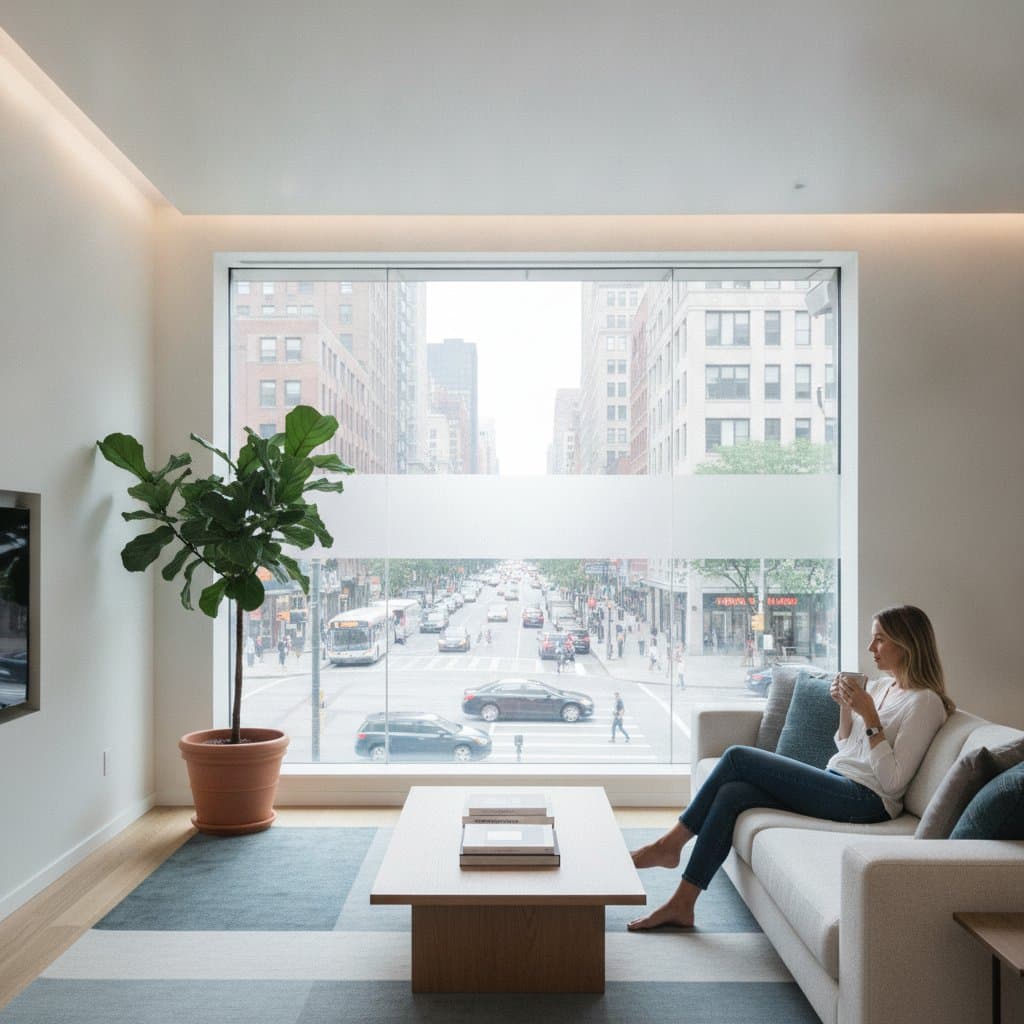
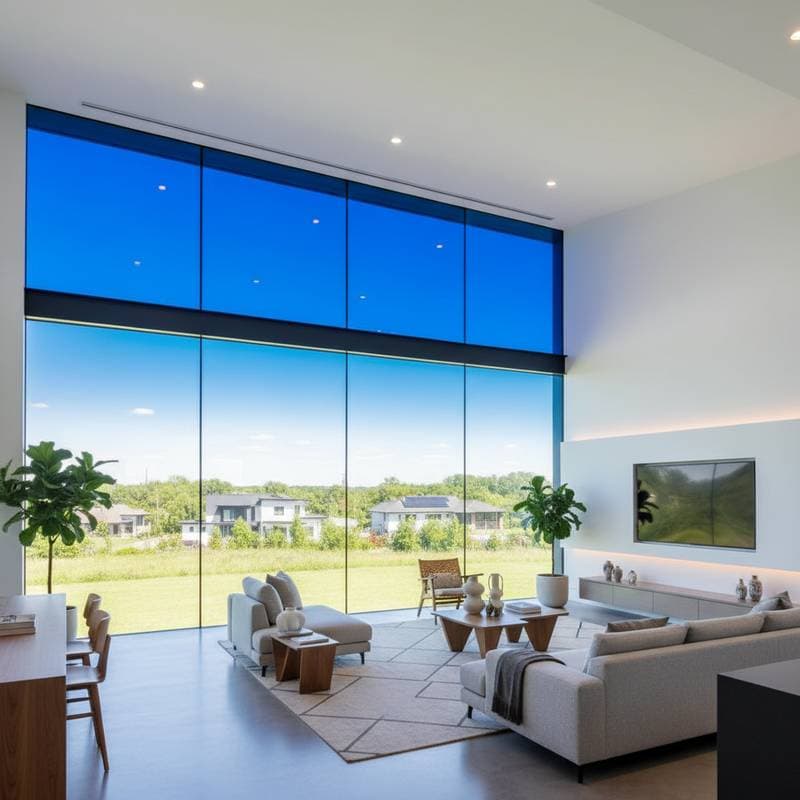
Electrochromic Windows: Smart Tinting for 2026 Homes
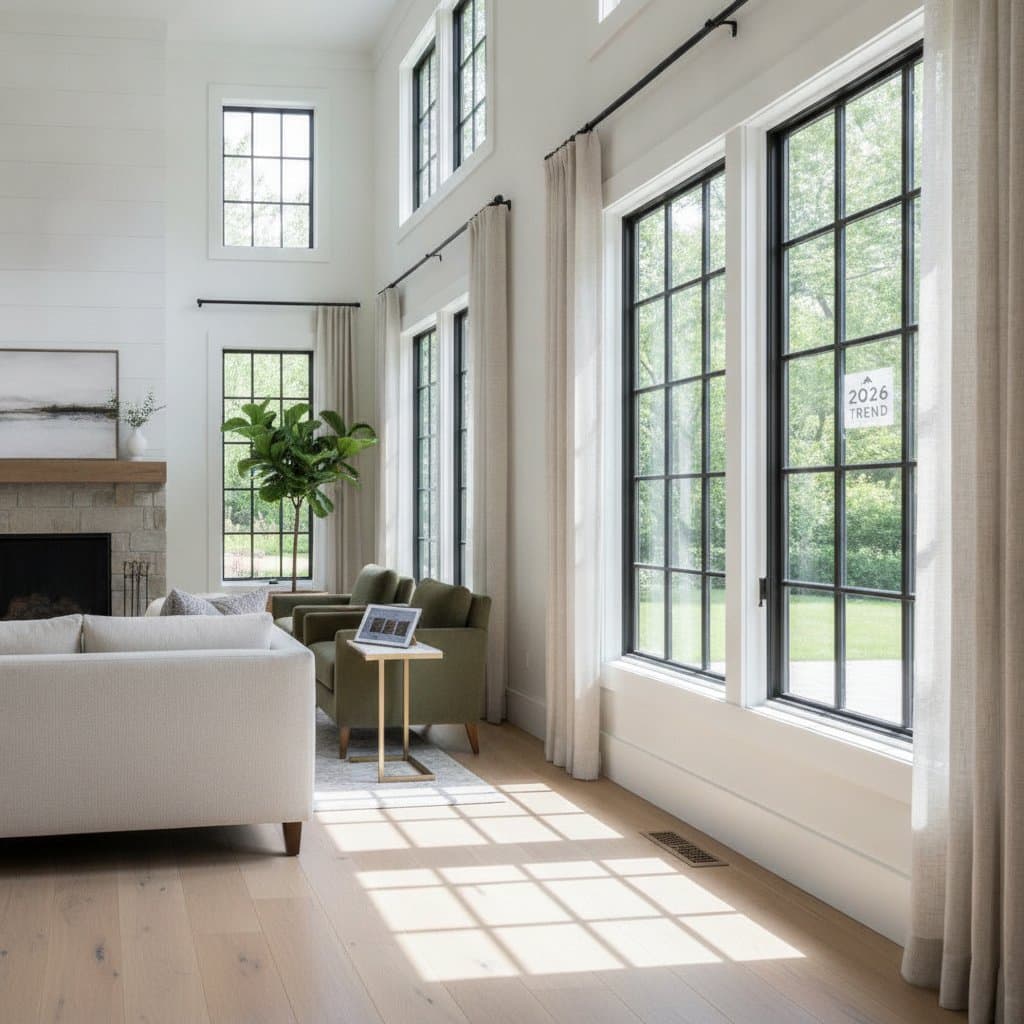
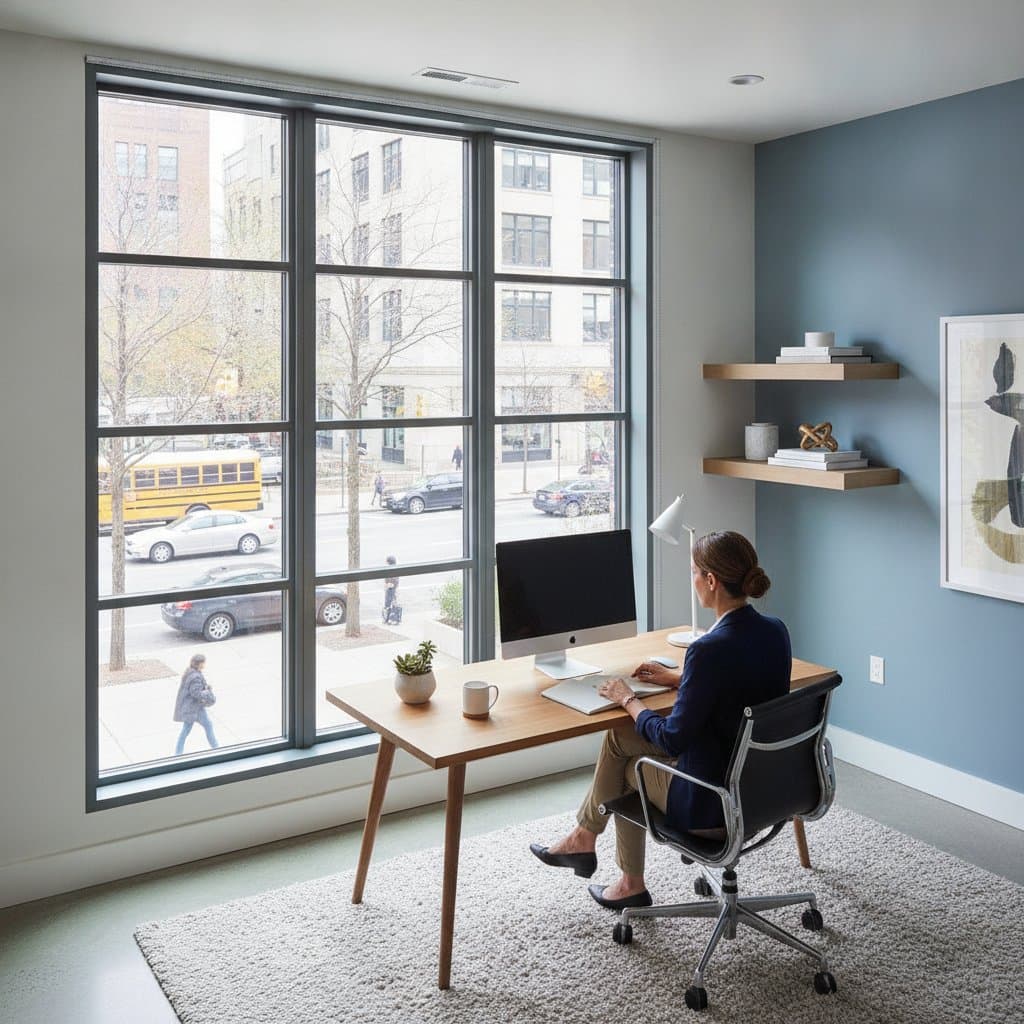
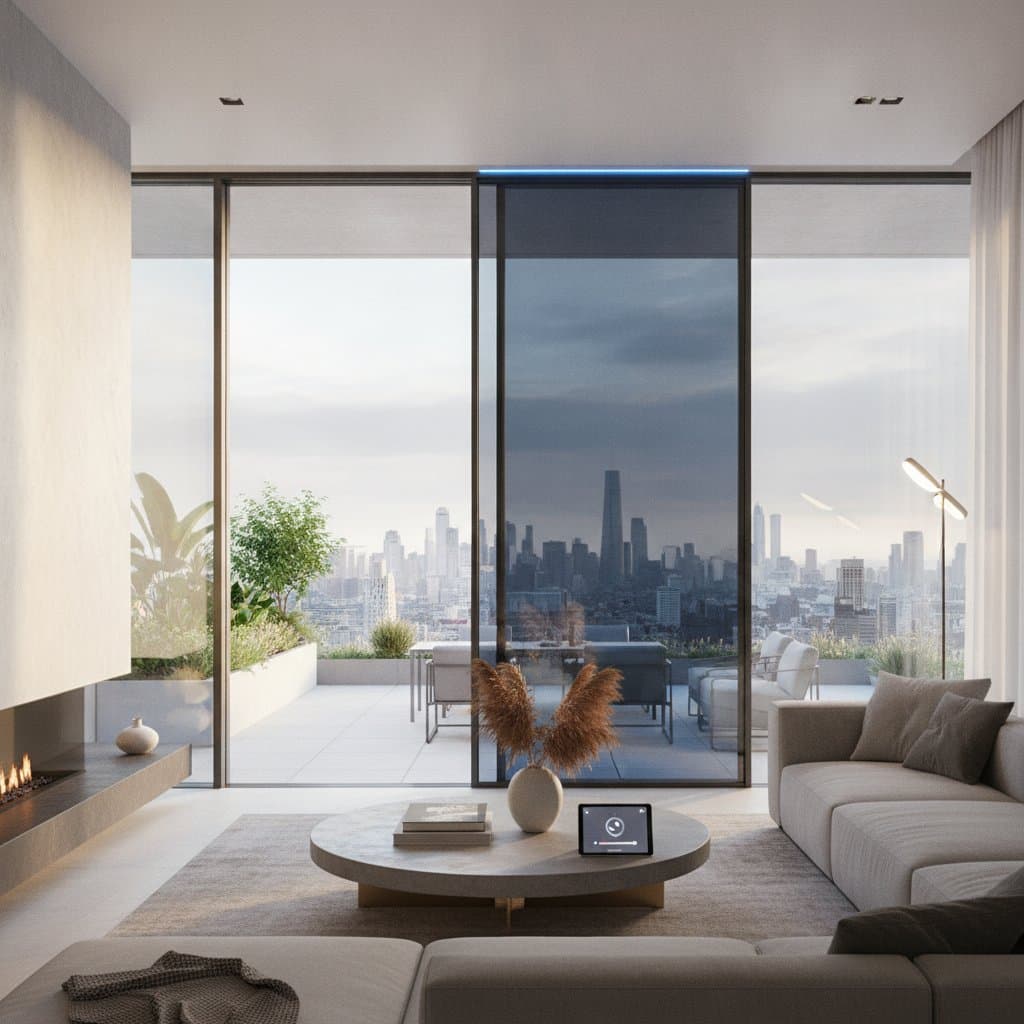
Smart technology reshapes homeowner priorities for comfort and aesthetics. Electrochromic windows, often called smart glass, represent a key advancement. These windows alter their tint levels automatically, allowing precise management of natural light, privacy, and thermal performance. Homeowners gain these benefits without relying on traditional shades or drapes. The result integrates seamlessly with contemporary building designs, supports environmental objectives, and fosters adaptable interior environments.
Three Approaches to Implementation
Budget-Friendly Option ($2,000 to $6,000)
Retrofit film kits provide an accessible entry into smart window technology. These films adhere directly to existing panes, mimicking the functionality of full electrochromic systems. Target areas with frequent use, like living rooms or offices, to optimize returns on investment. Invest in a reliable central controller or mobile application for effortless operation and scheduling.
Mid-Level Option ($8,000 to $15,000)
Factory-integrated smart glass panels suit renovation projects or expansions. Replace standard windows with these tinted versions during construction phases. Enhance overall insulation by combining the glass with energy-efficient vinyl or composite frames. Select hardware in finishes like matte black or satin nickel to unify the building's exterior profile.
Premium Option ($20,000 to $40,000)
Comprehensive smart glazing systems cover entire residences, featuring zoned controls and integrated solar sensors. Link the setup to a centralized home automation network for adjustments based on daily light cycles or occupancy. Pair with durable aluminum or wood-clad frames to achieve upscale visual appeal and enduring performance.
Guide to Materials and Finishes
Windows
Select electrochromic glass equipped with low-emissivity coatings to optimize heat retention and reflection. Frame choices in black, bronze, or natural wood tones enhance the modern silhouette of the glass. Minimalist hardware maintains a streamlined appearance.
Doors
Incorporate pivot or sliding glass doors with built-in tinting for fluid connections between indoor and outdoor areas. Program frosted sections for privacy in spaces such as bathrooms or foyers, activating on demand.
Siding
Horizontal panels in composite or fiber cement materials align with the innovative aesthetic of adaptive windows. Neutral shades, including warm gray, charcoal, or soft white, direct attention to the glass elements.
Trim and Accents
Thin metal or composite trim in matching colors preserves clean lines. Recessed outdoor lighting accentuates the glass's reflective properties during evening hours.
Maintenance Considerations
Electrochromic glass demands minimal ongoing care. The tinting mechanism resides securely inside the panes, eliminating concerns over mechanical failures or deteriorating films. Routine cleaning mirrors that of conventional windows; apply streak-free cleaners to preserve optical clarity. Software for the control interface receives updates via mobile devices or home networks, often at no additional cost.
Frame materials dictate specific routines. Vinyl and composite variants require little intervention beyond basic washing. Wood-clad frames necessitate regular sealing to protect against weather exposure. Initial expenses yield long-term savings through eliminated window treatments and superior energy management.
Common Pitfalls to Avoid
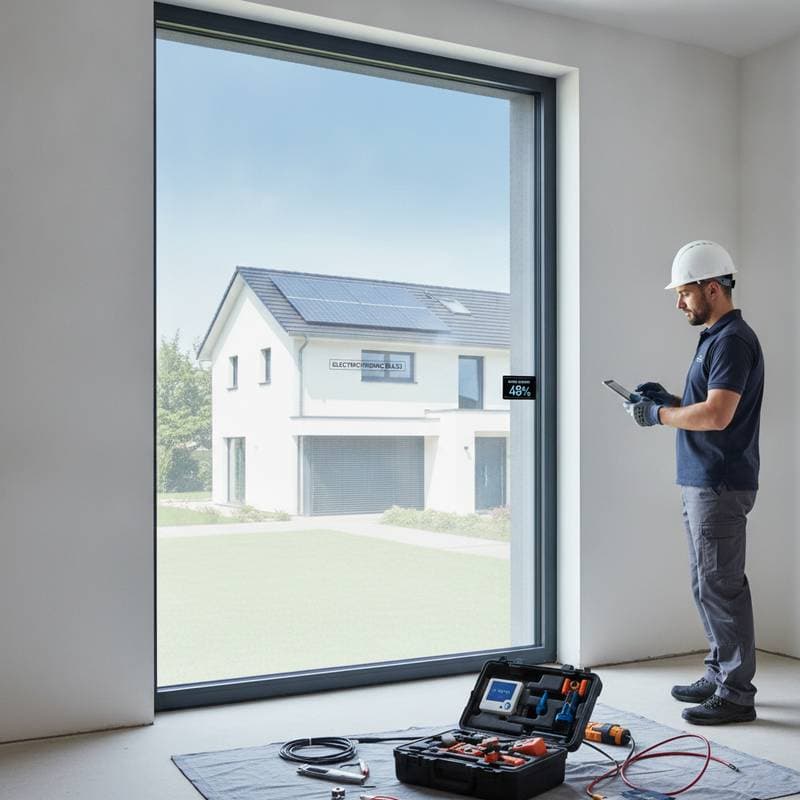
Ensure frame structures support the electrical components and sensors of smart glass upgrades. Conduct a thorough compatibility evaluation prior to commitment.
Account for low-voltage power requirements during initial planning. Map out wiring routes to prevent expensive modifications later.
Test tint variations in actual home conditions, as excessive darkening may dim naturally shaded zones. Sample products under site-specific lighting to balance privacy with illumination needs.
Coordinating Colors and Styles
Integrate electrochromic windows with surfaces that amplify their dynamic surfaces. The following pairings create harmonious exteriors:
- Graphite gray siding paired with black frames and brushed nickel hardware.
- Soft white stucco alongside light oak trim and bronze-tinted glass.
- Charcoal fiber cement with natural cedar accents and silver lighting fixtures.
- Sandstone brick combined with pale gray siding and transitions from clear to blue tint.
These selections leverage contrast and material textures, positioning the smart glass as the focal point.
Checklist for Project Planning and Photography
Document the existing facade meticulously before finalizing selections.
- Photograph in daylight and dusk from various perspectives to analyze light distribution.
- Identify structural elements affecting window dimensions or positions.
- Document community guidelines or association rules on colors and reflectivity.
- Assess local weather patterns to select appropriate tint speeds and frame durability.
- Establish a firm budget and pinpoint zones where smart features deliver peak utility.
Integrating Smart Glass for Enhanced Living
Electrochromic windows merge elegant form with responsive functionality. They modulate sunlight to minimize glare and elevate occupant well-being, all while streamlining visual elements. When aligned with complementary siding, door treatments, and trim, these windows elevate standard exteriors to intelligent, forward-thinking designs that prioritize efficiency and style.