The Cost of Creating a Japandi Wood Entryway in 2026
Japandi design fuses Japanese minimalism with Scandinavian practicality, emerging as a top choice for contemporary entryways. This style appeals to homeowners through its serene simplicity, emphasis on natural elements, and thoughtful integration of light and form. By 2026, Japandi wood entryways will lead interior trends, providing a soothing and authentic welcome to any residence.
Planning a remodel or new construction requires insight into the style's components, associated expenses, and wood-centered implementation strategies. This guide examines essential aspects to equip you with the knowledge needed for informed choices and successful execution.
Average Cost Breakdown for a Japandi Wood Entryway
Designing and constructing a Japandi-inspired wood entryway typically costs between $4,500 and $15,000, influenced by dimensions, material grades, and personalization levels. Mid-range endeavors generally total $8,000 to $10,000, covering professional planning, supplies, and setup.
| Material/Service | Cost Range | Key Features |
|---|---|---|
| Solid Wood Entry Door | $1,200 to $3,500 | Sturdy construction, tailored options, inherent warmth |
| Engineered Wood Flooring | $6 to $15 per sq. ft. | Resistant to humidity, dimensionally stable, low upkeep |
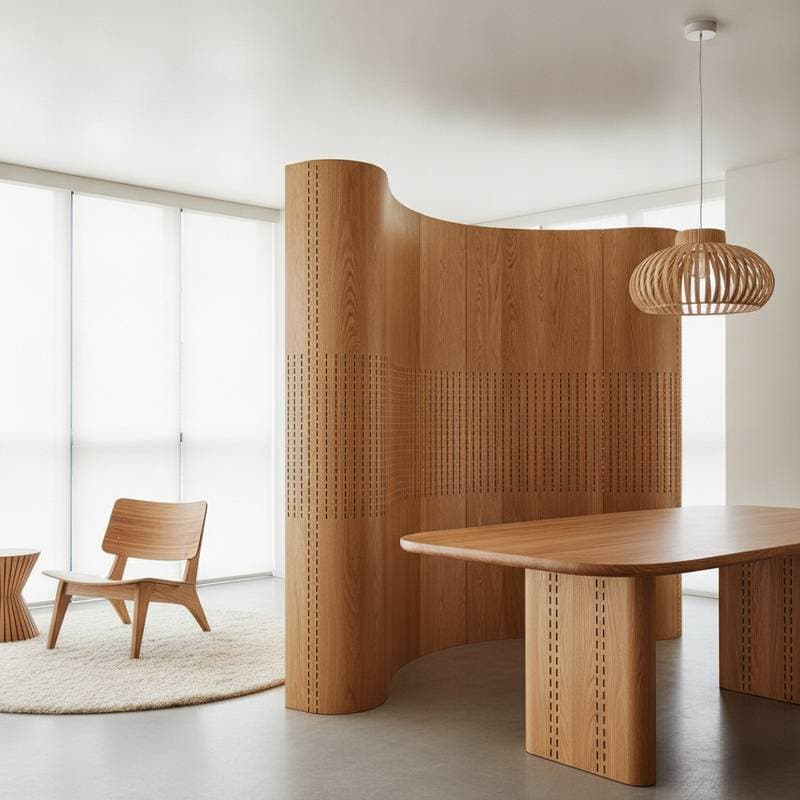
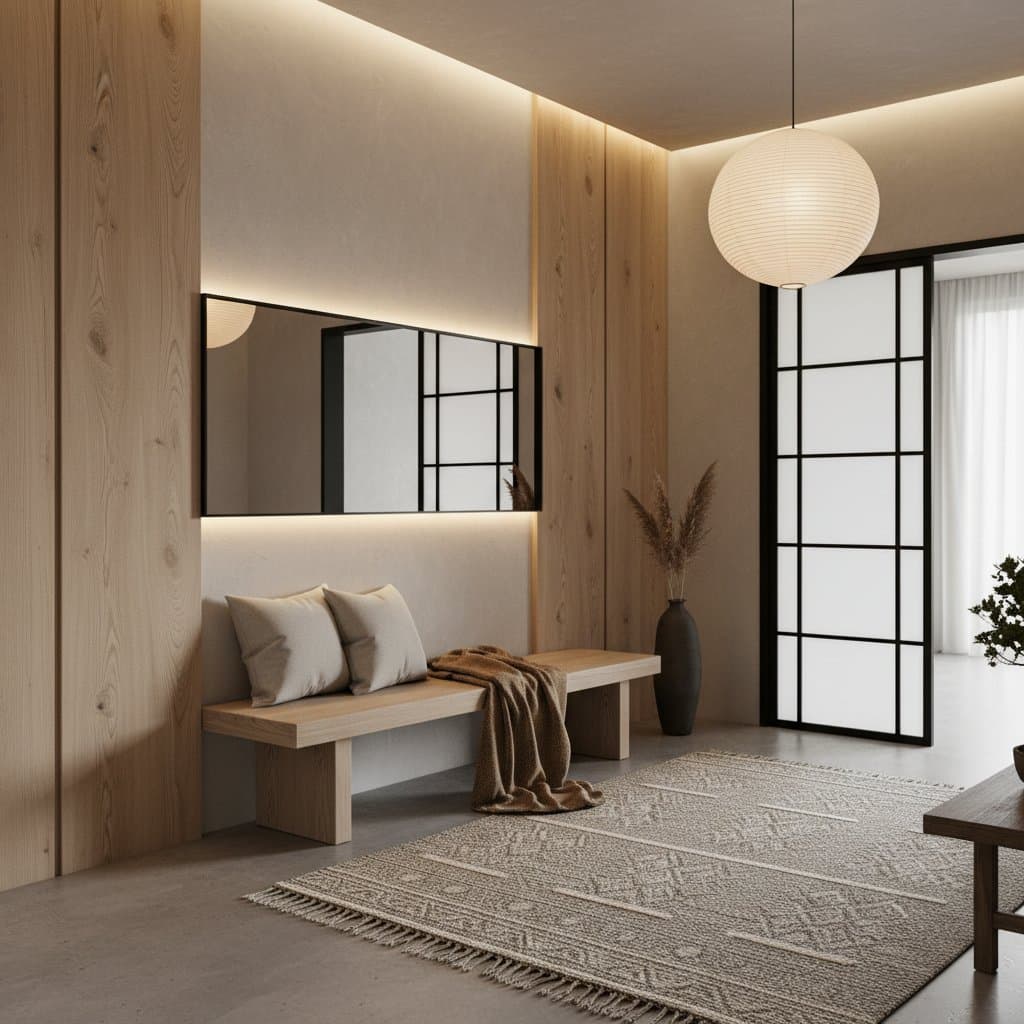
| Wall Paneling or Slat Accents | $800 to $2,500 | Enhances depth, introduces pattern, improves sound control |
| Built-in Bench with Storage | $600 to $1,800 | Provides seating utility, conceals items, adheres to clean lines |
| Lighting Fixtures | $200 to $700 | Delivers gentle glow, employs warm hues |
| Professional Labor | $2,000 to $4,000 | Encompasses planning, woodworking, detailing, and assembly |
These figures account for both materials and workmanship, with variations possible due to local markets and specialist skills.
Key Factors Affecting Project Expenses
Each Japandi entryway project varies, with costs shaped by multiple elements.
Material Choices
High-end options like walnut or teak exceed the price of pine or birch. Engineered alternatives for panels offer affordability alongside superior performance in damp-prone zones, reducing long-term replacement needs.
Entryway Dimensions
Compact areas might limit work to door replacement and surface updates, keeping budgets modest. Expansive layouts demand bespoke woodworking, illumination enhancements, and surface embellishments, scaling expenses with added area.
Bespoke Construction
Tailored elements such as benches, enclosures, or portals necessitate precise artistry. These additions elevate costs by 20 to 40 percent yet guarantee seamless integration and precise alignment with your space.
Surface Treatments and Fittings
Subdued hardware in matte black or brushed brass aligns with Japandi's understated ethos. Selections here can adjust budgets by $100 to $600, based on durability and maker reputation.
Specialist Proficiency
Engaging professionals versed in Japandi tenets ensures harmonious wood selections, surface preparations, and pattern balances. Specialized work, including intricate joints or integrated illumination, commands a modest surcharge for superior outcomes.
Detailed Steps to Construct Your Japandi Entryway
Step 1: Outline the Spatial Arrangement
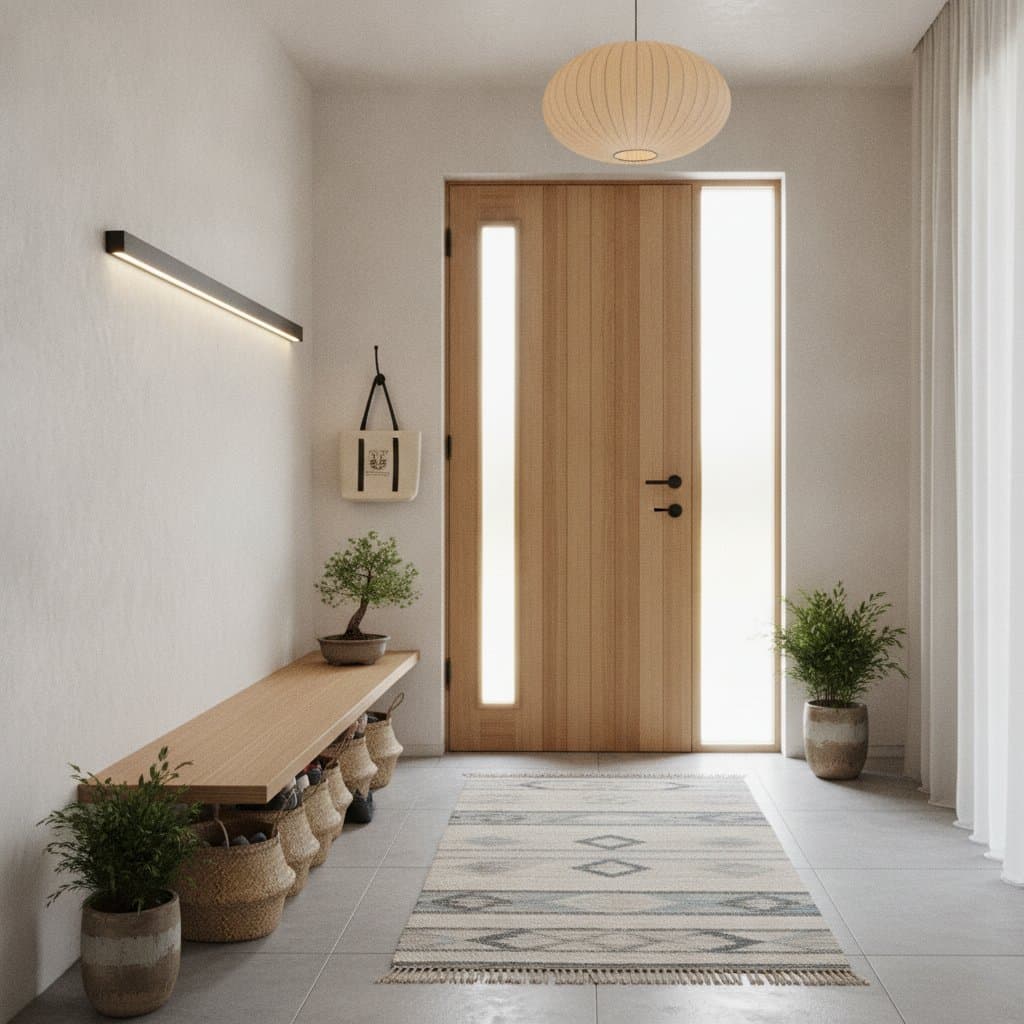
Identify core areas: the main portal, resting spots, footwear organization, and illumination sources. Draft a basic plan that emphasizes unobstructed flow and effortless navigation, sketching zones to visualize traffic patterns.
Step 2: Select Harmonious Wood Shades
Japandi often layers wood varieties, yet consistency in palette remains vital. Pair pale flooring with deeper accents on doors or seats to introduce subtle variation without disrupting overall unity.
Step 3: Integrate Appropriate Illumination
Choose LED sources emitting at 2700K to 3000K for a cozy ambiance that highlights wood grains. Steer clear of stark, bluish tones, which diminish the richness of natural surfaces.
Step 4: Embed Practical Storage Solutions
Incorporate recessed or hidden compartments to sustain order. Opt for custom wood units featuring quiet-closing mechanisms, fostering a refined and undisturbed threshold.
Step 5: Apply Protective Coatings
Employ satin-finish oils or waterborne sealants to safeguard wood integrity while preserving its authentic hue. Regular application every two to three years sustains appearance and fortifies against wear.
Ongoing Upkeep for Wood Entryways
Sustaining a wood entryway demands routine, straightforward care. Clean surfaces weekly using a soft cloth moistened with neutral solution to eliminate particles without residue buildup.
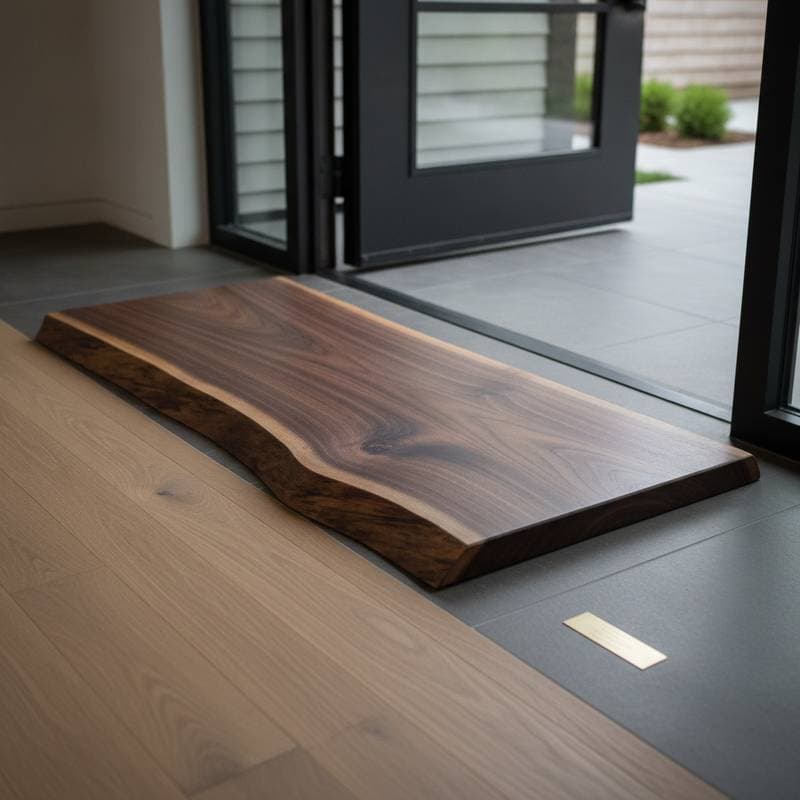
For floors, position protective pads beneath movable items and entry organizers to avert surface marks. Maintain even indoor moisture to prevent material distortion. Place a neutral mat at the threshold to intercept tracked-in grit and dampness, extending the life of wood elements.
Realizing Your Japandi Entryway Vision
A Japandi wood entryway transcends fleeting fashion, establishing enduring havens of tranquility and intent. Prioritizing superior supplies, equilibrated forms, and meticulous execution yields designs that blend innovation with natural poise.
Assess your present entry for efficiency: pinpoint clutter sources, storage gaps, and light dynamics against current elements. Collaborate with a design expert or wood artisan attuned to Japandi methods to refine your plan.
This investment yields profound returns, transforming routine arrivals into moments of repose and belonging.