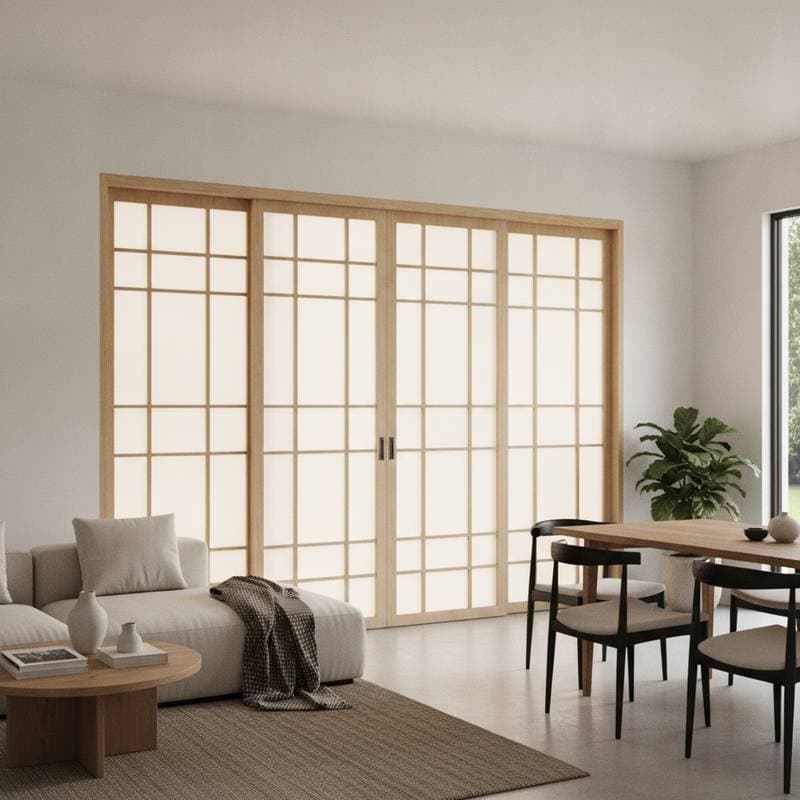

Why Bronze Japandi Hardware Defines 2025 Entryways
Homeowners increasingly seek entryways that balance form and function. Bronze Japandi hardware emerges as a leading option, combining bronze's inherent warmth with the serene minimalism of Japanese and Scandinavian influences. This approach suits renovations or new constructions, providing aesthetic depth alongside reliable performance. Understanding its integration, pricing, and benefits equips you to make informed decisions for door enhancements this year.
The Aesthetic: Warmth in Minimalist Form
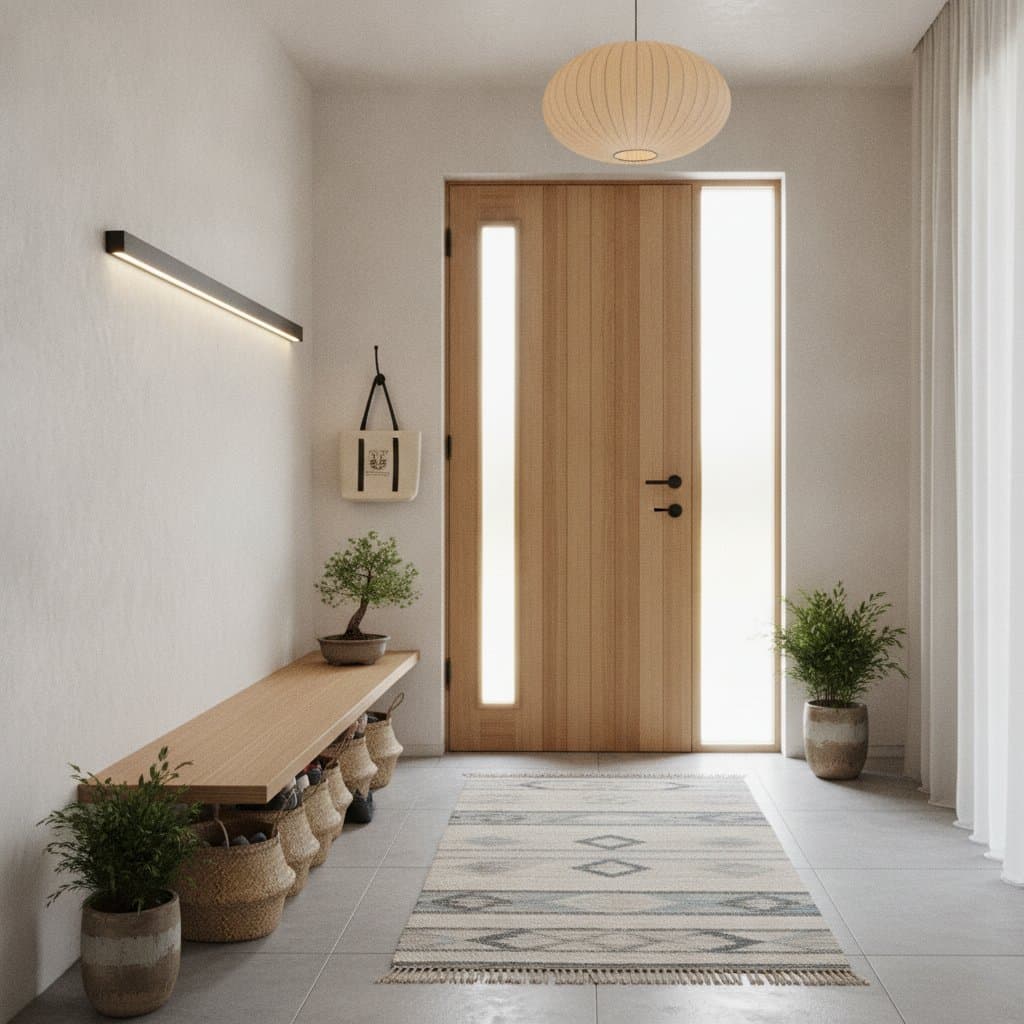
Japandi design integrates Japanese restraint with Scandinavian practicality, emphasizing sleek profiles, organic materials, and quiet refinement. Bronze hardware aligns seamlessly, its soft luster enhancing wood surfaces like ash or birch prevalent in such settings.
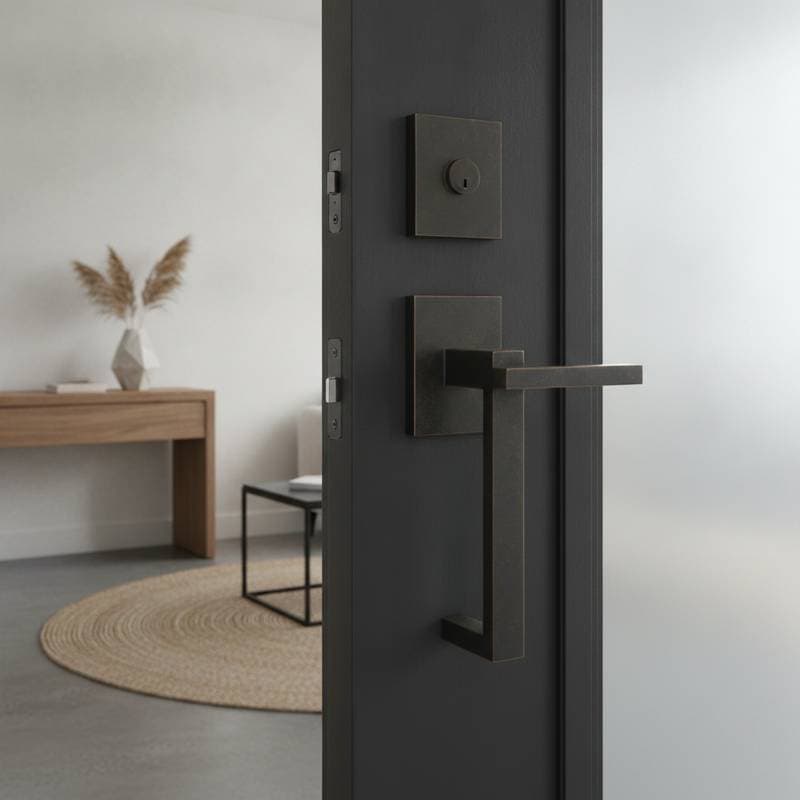
Homeowners favor subdued variants, including antique or oil-rubbed bronze, over glossy alternatives. These options add dimension while preserving the door's inherent grain. They also resist smudges and light damage, proving ideal for high-traffic areas.
Pricing Overview for Bronze Japandi Door Hardware
Costs for bronze Japandi hardware vary based on craftsmanship, manufacturer, and surface treatment. Entry-level sets begin around $80, whereas bespoke items exceed $500 per door. Quality selections typically range from $150 to $300 per entry, covering handles, hinges, and locks.
| Hardware Type | Cost Range (Installed) | Key Features |
|---|---|---|
| Standard lever handle set | $80 to $180 | Essential operation, streamlined shape, limited surface choices |
| Premium bronze handle set | $200 to $350 | Artisanal elements, rounded contours, protective layer |
| Custom artisan hardware | $400 to $700 | Distinctive aging, tailored surface, structural flair |
These figures account for components and standard fitting. Professional labor adds $50 to $120 per door. Replacing legacy fixtures may require additional funds for adjustments or realignment.
Reasons Homeowners Select Bronze Japandi Hardware
This hardware attracts for its visual and utilitarian strengths. It establishes a inviting centerpiece without ostentation. Distinct from chrome or steel, bronze acquires a patina that enriches its presence over time.
Interior designer Miko Tanaka of Kyoto Interiors notes, "Bronze hardware suits Japandi environments through its organic essence. It evolves gently with handling, echoing wabi-sabi's embrace of natural flaws."
Practically, bronze endures for generations with little effort. Its aversion to rust and dulling supports use on internal or external doors, including those in moist conditions.
Bronze Versus Alternative Finishes
Choices often involve weighing bronze against brass, nickel, or matte black. Each finish presents unique visual and care demands.
| Finish | Cost Range | Durability | Maintenance Level | Best Use |
|---|---|---|---|---|
| Bronze | $150 to $300 | Excellent | Low | Entry and interior doors |
| Brass | $120 to $250 | Good | Medium | Traditional interiors |
| Satin Nickel | $100 to $220 | Good | Low | Modern and transitional styles |
| Matte Black | $130 to $280 | Very Good | Low | Bold contemporary spaces |
Bronze excels with its earthy glow and aging grace. It harmonizes superiorly with timber over cooler tones like nickel. Homes prioritizing earth tones and muted schemes find bronze integrates effortlessly.
Fitting and Door Compatibility
Contemporary bronze Japandi pieces match common door specifications. Lever styles and simple knobs suit single or paired doors alike. Verify door depth and backset measurements prior to selection for optimal fit.
Engaging a specialist proves valuable for multi-door projects. Experts align latches precisely and ensure fluid action. Misalignment risks friction or accelerated deterioration.
Contractor Alex Romero of Pacific Doorworks advises, "Superior hardware falters without proper setup. An additional hour of precise work prolongs mechanism longevity significantly."
Preserving Bronze Hardware
Upkeep for bronze Japandi hardware remains uncomplicated. Oxidation gradually deepens the tone, enhancing appeal. Steer clear of abrasive cleaners; opt for gentle wiping with a moist cloth followed by thorough drying.
Annual application of beeswax or mineral oil sustains the patina and curbs over-darkening. For steady sheen, buff lightly with a soft fabric. Select non-lacquered options to permit authentic evolution.
Elements Shaping Cost and Craftsmanship
Price and caliber hinge on bronze alloy, treatment method, and maker prestige. Key influencers include:
- Material purity: Full bronze outlasts and outcosts coatings.
- Surface application: Manual brushing or rubbing elevates expense over automated processes.
- Form intricacy: Basic geometries cost less than ornate or personalized variants.
- Provenance: Small-scale producers charge premiums for skilled, exclusive output.
Small-batch or hand-patinated items incur 20 to 30 percent surcharges. Such investments yield through extended service and distinctive allure.
Complementary Styles for Japandi Entryways
Pair bronze Japandi hardware with earthy fabrics and soft hues for maximum effect. Consider white oak panels, linen drapes, and rock elements to foster equilibrium.
Darker timbers like walnut benefit from brighter bronze shades for definition. Pale woods pair well with deeper tones to ground the area.
Extend the finish to pulls, plates, and accents throughout adjacent spaces. This uniformity upholds Japandi's cohesive minimalism.
Implementing Your Upgrade
Transitioning to bronze Japandi hardware revitalizes entryways with minimal disruption. Evaluate current doors, gauge fixture sizes, and assess hinge or lock conditions. Test bronze samples under ambient light against your door's shade before finalizing.
For self-installation, follow supplier guidelines and employ accurate implements to safeguard surfaces. Multi-door efforts benefit from expert oversight to guarantee uniformity.
Beyond trends, bronze Japandi hardware embodies enduring quality, infusing homes with subtle elegance and resilience.