Why Japandi Entryways Will Shape 2025 Home Design
Japandi design continues to gain momentum in interior spaces, with entryways emerging as a prime focus for homeowners seeking a calming, minimalist aesthetic. This style fuses the clean lines and functionality of Scandinavian influences with the organic textures and tranquility of Japanese elements. The result is an entryway that offers a balanced, inviting first impression, blending contemporary appeal with enduring elegance.
Homeowners increasingly select Japandi for its ability to transform busy thresholds into peaceful transitions. In urban homes with limited square footage, this approach maximizes utility without overwhelming the senses. Designers note that Japandi entryways enhance overall home harmony by setting a tone of intentional simplicity from the outset.
Understanding Costs and Project Scope in Japandi Entryways
A Japandi entryway renovation typically requires an investment of $1,200 to $5,000, influenced by factors such as material choices, room dimensions, and regional labor costs. Modest enhancements, including wood accent panels or understated lighting, fall in the $800 to $1,500 range. Comprehensive overhauls that encompass new flooring, door replacements, and custom storage units generally span $3,000 to $5,000, covering both materials and professional installation.
Consider these breakdowns for key components:
| Project Element | Cost Range | Common Materials | Key Features |
|---|---|---|---|
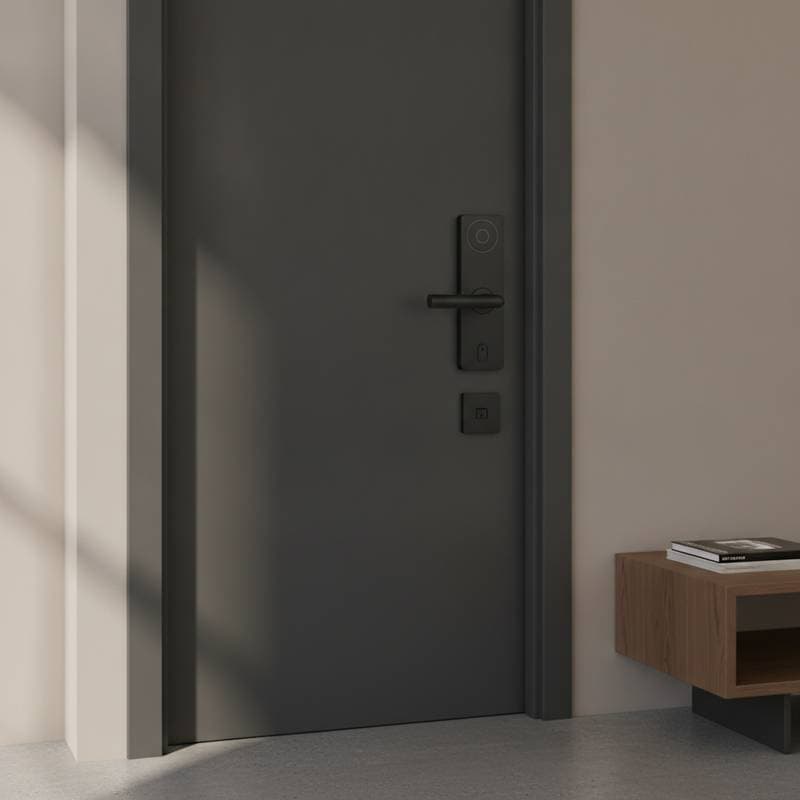
| Entry Door Replacement | $800 to $2,500 | Solid oak, bamboo, or ash wood | Natural finishes, sleek profiles |
| Flooring Installation | $6 to $15 per sq. ft. | Light-toned wood, porcelain tile | Low-maintenance surfaces, subtle hues |
| Built-in Storage | $1,000 to $3,000 | Plywood, wood veneer, laminate | Concealed storage, space-efficient vertical layouts |
| Lighting and Fixtures | $150 to $800 | Matte black or brushed brass metals | Gentle LED illumination, unobtrusive hardware |
These estimates assume professional execution. Individuals opting for partial do-it-yourself efforts, such as hardware swaps or surface painting, can lower expenses by 15 to 25 percent. However, tasks involving structural modifications or electrical systems demand expert involvement to ensure safety and compliance.
To refine budgets, homeowners should obtain multiple quotes from local contractors and prioritize durable, locally sourced materials. This strategy not only controls costs but also supports regional economies and reduces environmental impact through shorter supply chains.
Essential Design Principles for Japandi Entryways
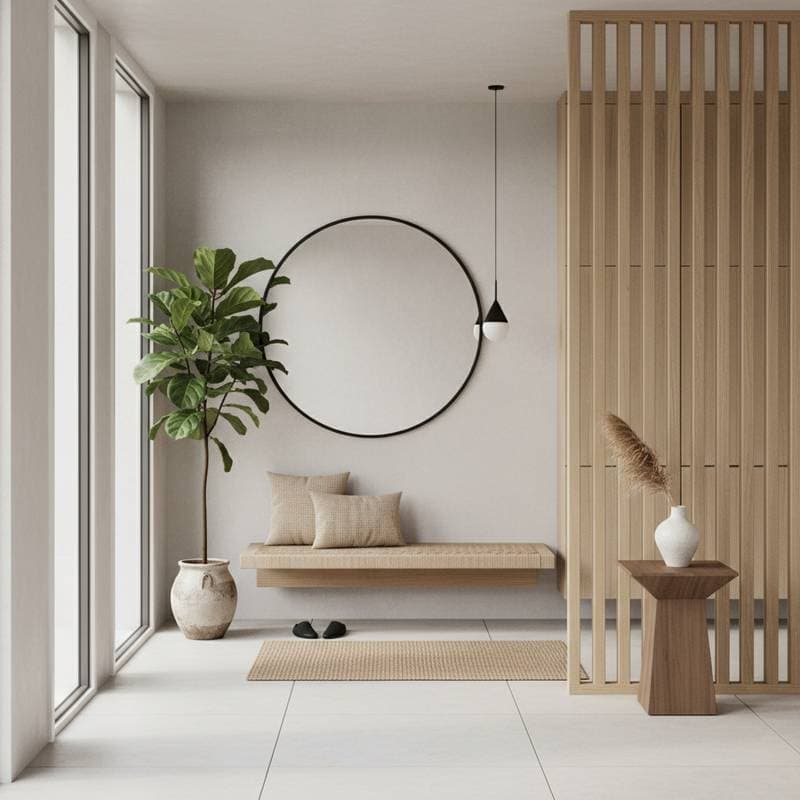
Japandi entryways prioritize simplicity, equilibrium, and integration with nature. The goal is to craft a threshold that promotes tranquility and efficiency upon entry. Core components include:
- Neutral tones in beige, taupe, soft white, and muted gray to establish a serene backdrop.
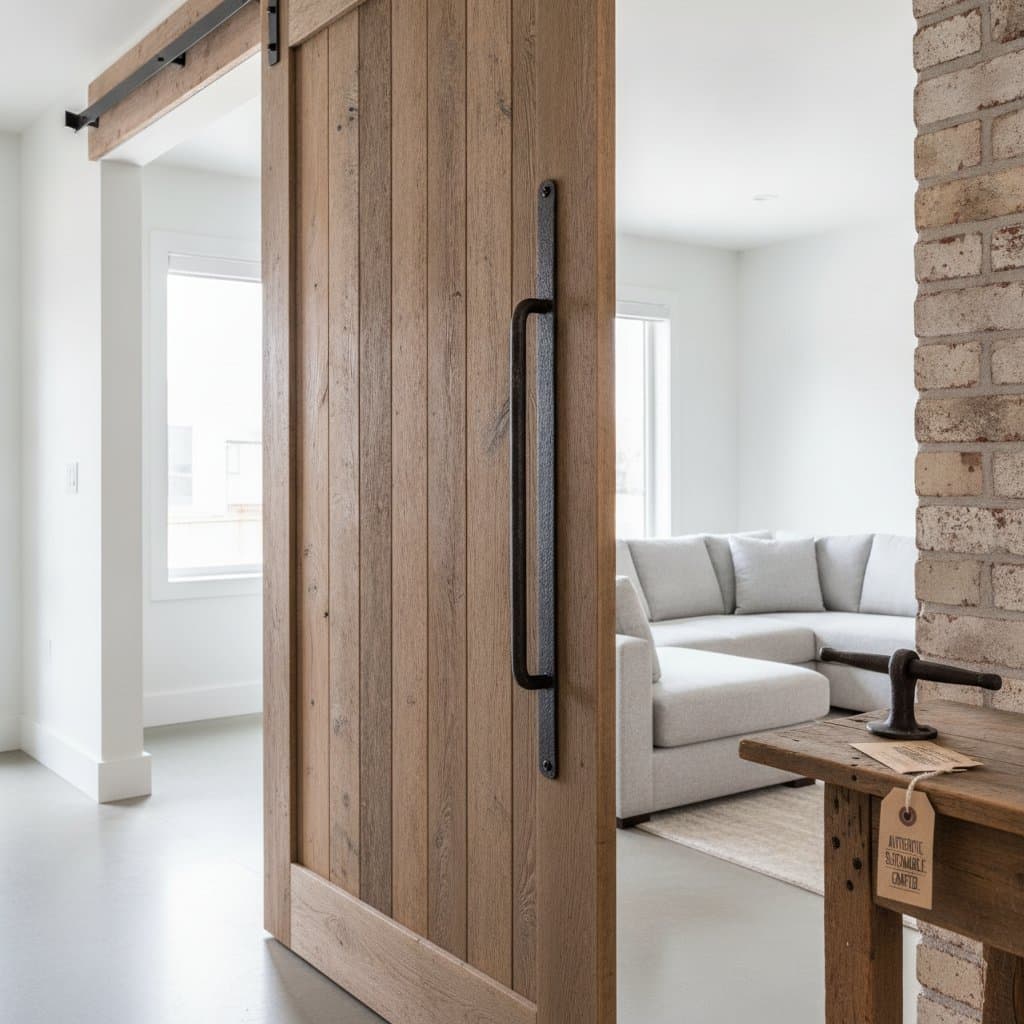
- Organic materials like oak planks, bamboo accents, linen textiles, and stone elements for tactile warmth.
- Practical furnishings such as narrow benches with under-seat storage or wall-mounted shelves for essentials.
- Ambient lighting that highlights material grains and fosters a cozy atmosphere.
- Clutter-free environments enabled by integrated cabinetry and strategic organizational features.
Interior designer Maya Klein of Studio K Interiors observes, "Japandi excels in entryways by uniting utility with peace. The selected materials withstand daily use, while the overall look soothes immediately."
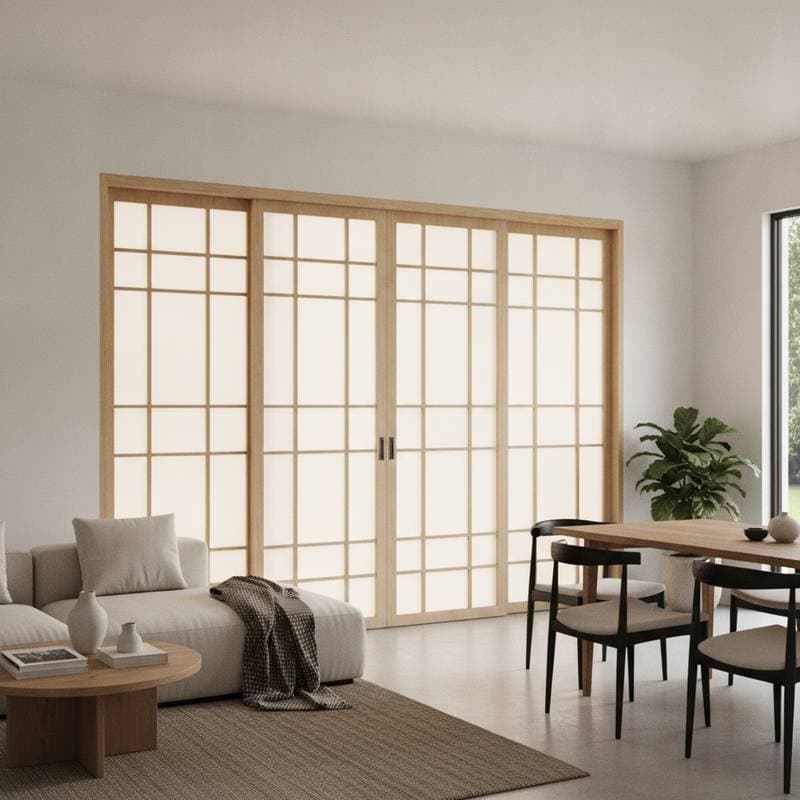
To personalize, incorporate subtle cultural nods, such as a Japanese-inspired shoji screen for privacy or Scandinavian woven baskets for accessory storage. These additions maintain the style's essence while reflecting individual preferences.
Reasons Homeowners Embrace Japandi Entryways
In homes with open layouts, distinct entry zones become essential for defining spaces without disrupting flow. Japandi achieves this through consistent material themes that link the entry to adjacent rooms, while subtle partitioning creates a sense of arrival.
Sustainability drives much of the appeal. Japandi favors responsibly harvested resources, including Forest Stewardship Council-certified timber, zero-VOC finishes, and renewable fibers like jute or cotton. Quality construction extends product lifespans, minimizing replacements and waste. Over time, this approach lowers upkeep expenses and aligns with broader environmental commitments.
Practical benefits further attract users. The streamlined design facilitates swift cleaning, with smooth surfaces resisting dust accumulation. Built-in solutions for footwear, outerwear, and daily items keep areas orderly. Such organization streamlines routines, reducing morning haste and enhancing the home's operational efficiency.
For families, Japandi entryways provide child-friendly durability; rounded edges on benches and non-slip flooring mitigate hazards. In high-traffic households, these features prove invaluable for maintaining tidiness amid active lifestyles.
Steps to Plan Your Japandi Entryway Renovation
Start by assessing your entryway's primary needs: additional storage for seasonal gear, enhanced illumination for safety, or a refined visual entry point. Clarify these objectives to guide decisions on layout and features.
Collaborate with a designer or contractor to match selections with your vision. Review space constraints and traffic patterns to optimize functionality.
A standard project unfolds in these stages:
-
Design and Planning Phase: Allocate 1 to 2 weeks for sketching layouts, taking precise measurements, and choosing materials that harmonize.
-
Demolition and Preparation: Dedicate 1 to 3 days to remove outdated elements, ensuring a clean foundation.
-
Core Installation: Plan 3 to 7 days for laying floors, fitting doors, and assembling storage units.
-
Final Enhancements: Reserve 1 to 2 days for installing lights, applying finishes, and adding select accents.
Timelines adjust based on supplier delays or crew schedules. Maintain cohesion by selecting woods and metals from complementary ranges, such as light oaks paired with warm brass tones.
Budget for contingencies, setting aside 10 to 15 percent for unforeseen issues like subfloor repairs. Virtual tools or sample boards aid in visualizing outcomes before commitment.
Sustaining the Elegance of Your Japandi Entryway
Preserving a Japandi entryway demands minimal effort. Wipe wooden elements with a solution of mild soap and lukewarm water weekly, steering clear of abrasive cleaners that dull finishes. Reapply protective oils or sealants annually or biennially, guided by usage levels and exposure to moisture.
Dust lighting fixtures monthly with a soft cloth to preserve clarity. Opt for energy-efficient LED bulbs and replace them every two to three years to sustain even, warm glows.
For textiles like bench cushions, vacuum regularly and spot-clean stains promptly with gentle detergents. Rotate accessories seasonally to prevent wear concentration. Professional inspections every few years ensure structural integrity, particularly for custom built-ins.
These routines extend the design's lifespan, allowing the space to evolve gracefully with your home.
Realize the Benefits of a Japandi Entryway
Investing in a Japandi entryway extends beyond aesthetics to cultivate daily peace and efficiency. Clean profiles, inviting textures, and smart storage create a welcoming portal that elevates every homecoming. This thoughtful integration of form and function delivers lasting value, harmonizing style with sustainable living.