Why Homeowners Prefer Wider Doors to Sidelights
Entryways form the gateway to a home, shaping first impressions and daily functionality. They control natural light, guest access, and the movement of large items. In recent years, homeowners increasingly replace front doors with sidelights using wider single doors. This change stems from practical, aesthetic, and lifestyle considerations that align with contemporary home design.
A wider door transforms the entryway by streamlining its appearance, easing passage, and establishing a bold focal point. To grasp this trend, examine the tangible benefits and potential drawbacks involved.
Evolving Trends in Entryway Design
Entryway aesthetics have shifted from elaborate details to streamlined simplicity. Sidelights, narrow glass panels flanking the door, once added elegance through light and ornamentation. However, modern architecture favors minimalism, where sidelights appear as unnecessary complexity.
Wider doors suit lifestyles that prioritize fluid movement and subtle refinement. They address accessibility demands and promote energy savings. This preference aligns with designs that integrate purpose and elegance seamlessly.
Drawbacks of Sidelights
Sidelights introduce daylight and a sense of expanse, offering views beyond the door. Despite these positives, several limitations prompt homeowners to reconsider them.
Key Limitations
-
Security Risks
Glass panels create vulnerabilities, even with tempered materials. Intruders target them more readily than solid door surfaces. -
Energy Losses
Glass conducts heat and cold more than wood or fiberglass. This leads to drafts and higher utility costs. -
Maintenance Challenges
Cleaning multiple glass surfaces demands regular effort. Seals degrade over time, inviting moisture and repairs. -
Design Constraints
Extra framing narrows door options and complicates hardware placement. -
Privacy Shortfalls
Even frosted glass reveals shadows or light, compromising seclusion.
These issues intensify with age or changing family dynamics. Families seek enhanced protection, while aging homeowners prefer reduced upkeep. Wider doors resolve these concerns efficiently.
Benefits of Wider Doors
A wider front door, often 36 to 48 inches across, delivers impact and ease. Standard doors measure about 36 inches, but broader versions enhance both utility and style.
Functional Gains
-
Better Accessibility
Wider openings accommodate wheelchairs, strollers, and bulky furniture. They embody universal design for inclusive living. -
Superior Insulation
A unified panel minimizes gaps, reducing air infiltration compared to multi-part setups. -
Easier Maintenance
Fewer elements mean less cleaning and fewer failure points. -
Robust Security
Solid construction eliminates glass weak spots. Advanced locks integrate without aesthetic disruption.
Aesthetic Advantages
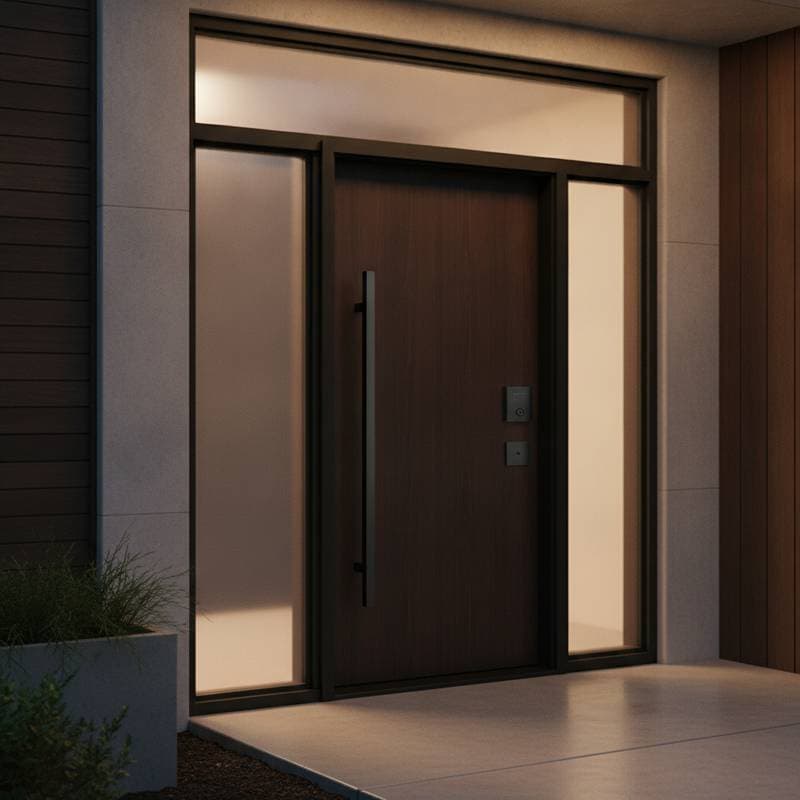
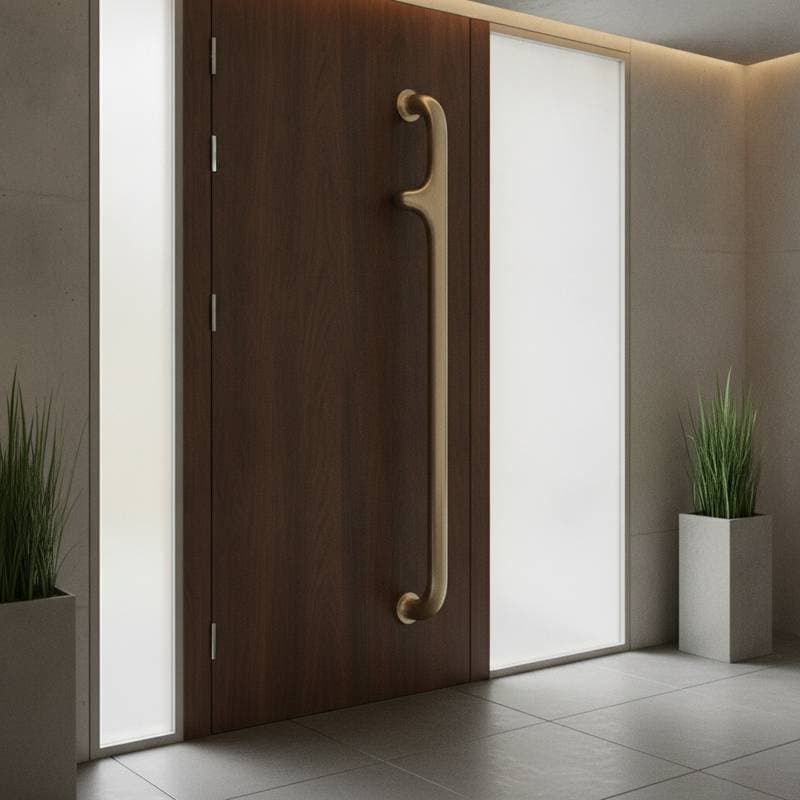
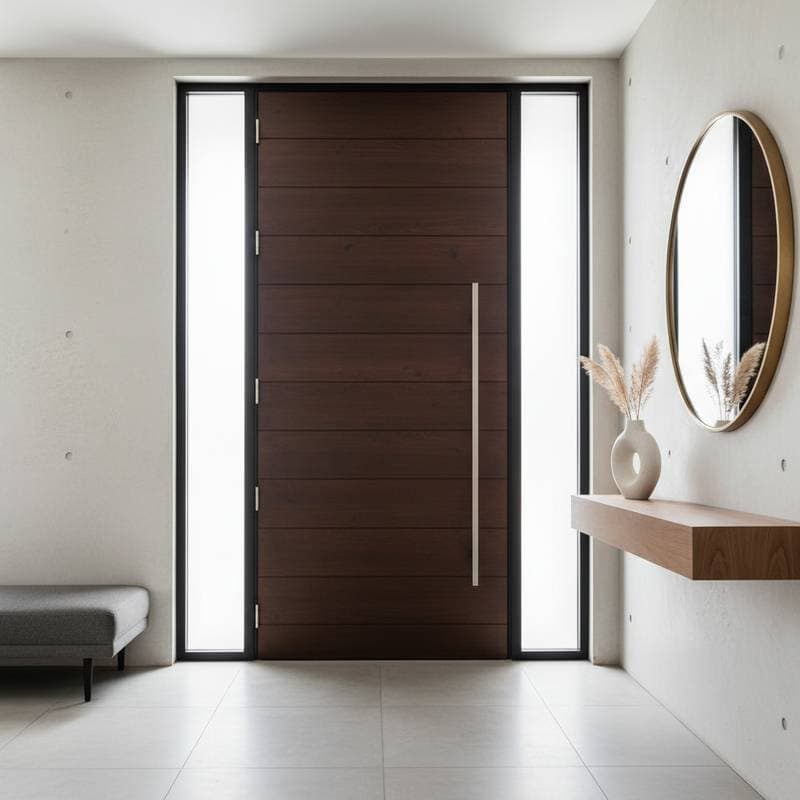
The expansive surface draws the eye, amplifying small porches or balancing grand facades. Natural grains or smooth finishes stand out uninterrupted. Hardware, from oversized levers to sleek pulls, complements the scale.
Designers appreciate the versatility for plank patterns, paneling, or flush styles. This yields cohesive, modern exteriors.
Sidelights Versus Wider Doors
| Option | Initial Cost | Lifespan | Maintenance | Ideal For |
|---|---|---|---|---|
| Door with Sidelights | Moderate to High | Long | Frequent glass care | Traditional, light-focused homes |
| Wider Single Door | Moderate | Long | Basic surface upkeep | Modern, accessible residences |
Costs align initially, but wider doors offer superior long-term savings through durability and low care.
Lifestyle Factors Shaping the Decision
Entryways mirror daily routines. Choices reflect personal needs over rigid trends.
Family and Mobility
Wider doors simplify hauling groceries or navigating with children and pets. They future-proof homes for varying abilities.
Privacy and Light Balance
While sidelights brighten spaces, they sacrifice seclusion. Wider doors pair with transoms for light without exposure.
Style Alignment
Clean profiles suit minimalist, rustic, or sleek motifs. They avoid the fragmentation of glass accents.
Upkeep Preferences
Dust-prone areas amplify sidelight cleaning. Wider doors cut routine time significantly.
Installation Overview
Swapping sidelights for a wider door demands precise work, often including reframing. Professional assessment ensures structural integrity.
Steps Involved
-
Assessment
Measure the opening and inspect supports. Adjust headers if the width expands. -
Demolition
Remove old door, sidelights, trim, and check for damage. Correct any framing flaws. -
Fitting
Install the new door, level it, and add shims. Apply weatherstripping and insulation. -
Testing
Verify smooth operation, seal integrity, and lock function. Address light gaps promptly. -
Finishing
Caulk joints, touch up paint or stain, and lubricate hardware. Monitor settling over initial days.
Schedule during stable weather to safeguard interiors. Budget for trim updates and hardware.
Material and Finish Options
Select materials that match climate and style for longevity.
Popular Choices
-
Wood: Conveys natural warmth; suits classic homes but needs refinishing.
-
Fiberglass: Resists elements while emulating wood; low-effort option.
-
Steel: Maximizes security; fits bold, modern exteriors.
-
Composite: Blends strength and aesthetics for versatile use.
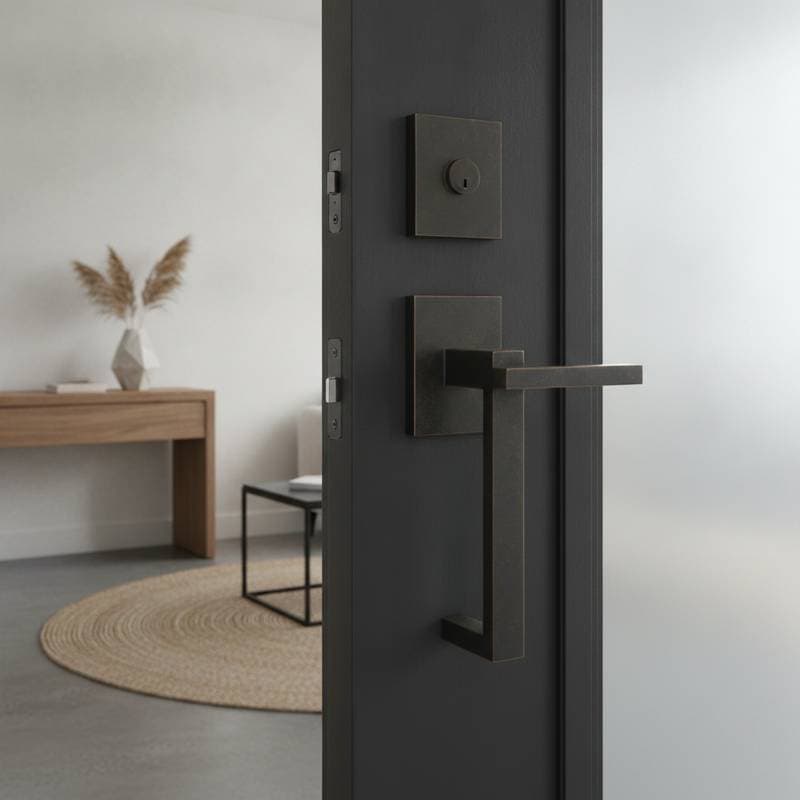
Scale hardware proportionally: robust knobs and hinges enhance presence. Coordinate finishes with siding and accents.
Climate and Energy Impacts
In cold zones, solid doors curb heat escape. Warm areas benefit from reduced cooling loads. Insulated cores and tight seals optimize efficiency.
For light lovers, add transoms above or sidelight alternatives nearby. This maintains brightness without efficiency trade-offs.
Sustaining Long-Term Performance
Quality wider doors endure 20 to 30 years with seasonal checks on hinges, seals, and finishes. Wood variants require biennial sealing against weather.
Simpler designs lower repair frequency versus sidelight systems. Upgrades like digital locks install effortlessly.
Tailoring the Choice to Your Home
Assess light needs, security goals, budget, upkeep tolerance, mobility requirements, and style fit. Consult experts for hybrid options, such as a wide door with a slim glass insert.
Preparation Tips
- Verify dimensions professionally.
- Order materials ahead for custom fits.
- Time work for dry conditions.
- Align interior elements like flooring.
- Allocate funds for enhancements.
Quality Checks
Confirm level thresholds, gap-free stripping, fluid swing, secure locks, and even caulking. Joint inspections build assurance.
Entryway Transformations That Last
Opting for a wider door streamlines entryways, merging security, ease, and elegance. It adapts to evolving lives while elevating curb appeal. With thoughtful selection and expert installation, this upgrade delivers enduring value and welcoming functionality.