Why Bronze Door Hardware Outsells Matte Black 3:1
When homeowners update their doors, hardware finishes often become a surprisingly personal decision. And while matte black has dominated design magazines and social media feeds, real-world sales tell a different story. Across both interior and exterior door applications, bronze hardware consistently outsells matte black by nearly three to one. The reason is not just a passing style preference. It comes down to warmth, versatility, long-term durability, and how well bronze complements evolving home design trends.
The Cost and Appeal of Bronze Hardware
Bronze hardware costs slightly more upfront than matte black, but many homeowners view it as a smart long-term investment. On average, bronze door handles range from $60 to $180 per set, while matte black versions average $40 to $120. The difference may seem minimal, yet the added depth and finish complexity of bronze justify the higher price for most buyers.
| Material/Finish | Average Cost per Handle Set | Durability | Design Appeal |
|---|---|---|---|
| Bronze (oil-rubbed, aged, or antique) | $60 to $180 | High, natural patina over time | Warm, timeless, adaptable |
| Matte Black (powder-coated or painted) | $40 to $120 | Moderate, prone to scratching | Sleek, modern, limited warmth |
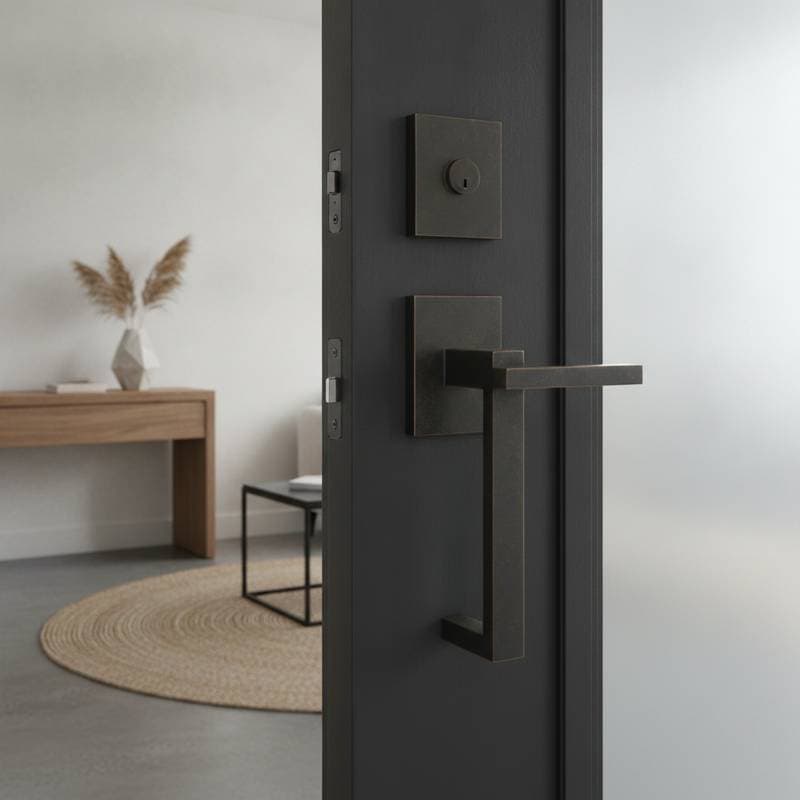
Bronze hardware adds visual depth to doors in a way matte black cannot. Its subtle sheen and warm undertones complement wood grains, natural stone, and neutral paint palettes. According to interior contractor James Porter of Porter Home Finishes, “Bronze hardware works across decades of design trends. It never feels cold or temporary, which is what keeps homeowners coming back to it.”
Why Warm Finishes Win
Every interior finish contributes to how a space feels. Bronze reflects light softly, creating a more inviting tone in both rustic and modern homes. Matte black, by contrast, can appear harsh in certain lighting conditions.
Warm metals like bronze pair better with today’s mixed-material interiors. Wood doors, quartz countertops, and neutral walls all gain visual balance when paired with bronze. Designers often describe it as the “bridge finish” because it connects natural materials with contemporary hardware styles without clashing.
Homeowners who once gravitated toward industrial or minimalist looks are shifting toward warmer, more livable aesthetics. Bronze’s subtle variation in tone feels organic, while matte black can sometimes appear too uniform. This design flexibility gives bronze an edge in both new construction and renovation projects.
Durability and Long-Term Value
Bronze hardware is known for its ability to age gracefully. Unlike painted finishes, it develops a patina that adds character rather than wear. Over time, the surface darkens slightly, creating a vintage look that many homeowners prefer.
Matte black hardware requires more maintenance to stay looking new. Fingerprints, dust, and scratches show readily, especially in high-touch areas. Homeowners frequently find themselves cleaning or touching up matte black pieces to maintain their appearance.
Bronze, on the other hand, conceals smudges and fingerprints naturally. It can last decades with minimal upkeep, which appeals to homeowners looking for both beauty and practicality.
| Maintenance Factor | Bronze Hardware | Matte Black Hardware |
|---|---|---|
| Scratch Resistance | Excellent | Moderate |
| Fingerprint Visibility | Low | High |
| Cleaning Frequency | Minimal | Frequent |
| Aging Appearance | Improves with time | Fades or chips |
As contractor Melanie Cruz from Heritage Doorworks explains, “Once you install bronze hardware, it takes care of itself. The finish naturally adapts to the environment, so it still looks intentional even years later.”
Styling Flexibility Across Home Types
Homeowners often choose hardware finishes based on the overall design theme of their house. Bronze has an incredible ability to adapt across styles. It looks equally at home in a Craftsman entryway, a farmhouse kitchen, or a transitional bathroom.
Matte black, while bold and dramatic, fits best in specific modern or industrial settings. When design preferences change, black hardware can feel dated quickly. Bronze’s neutral warmth, on the other hand, complements both traditional and modern spaces.
Real estate agents also note that homes with bronze fixtures tend to appeal to a broader range of buyers. Hardware choices may seem minor, but they influence how a space feels during showings. Warm finishes create a more welcoming impression, which can subtly affect buyer perception.
Availability and Finish Variations
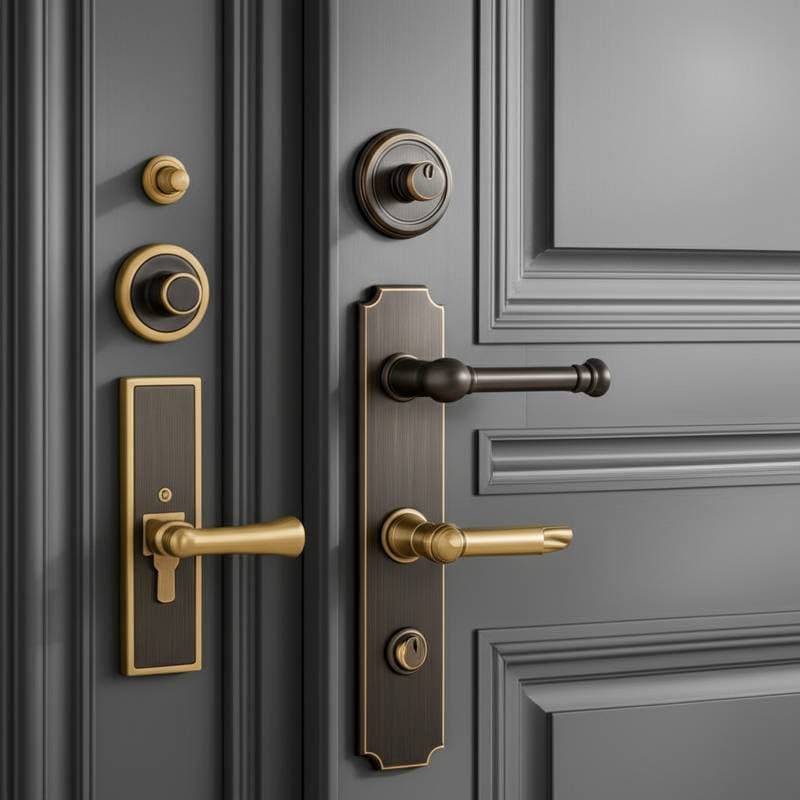
Another reason bronze outsells matte black is the sheer variety of bronze finishes available. Homeowners can choose from oil-rubbed, antique, aged, or satin bronze, each offering a different tone and texture. These variations make it easier to match existing fixtures like faucets, lighting, and cabinet pulls.
Matte black finishes, while uniform, often differ slightly between brands. That inconsistency frustrates homeowners who want cohesive finishes across rooms. Bronze, with its natural range of tones, offers more flexibility when mixing brands or styles.
| Bronze Finish Type | Appearance | Best Use |
|---|---|---|
| Oil-Rubbed Bronze | Dark brown with copper highlights | Traditional and transitional designs |
| Antique Bronze | Medium brown with aged effect | Vintage or historic homes |
| Aged Bronze | Deep, rich tone with subtle texture | Modern rustic interiors |
| Satin Bronze | Soft gold-brown sheen | Contemporary or mixed-metal rooms |
Market Trends and Homeowner Preferences
Sales data from national hardware suppliers consistently show bronze finishes leading the market by a wide margin. Experts attribute this to a growing homeowner preference for materials that feel authentic and enduring. With rising interest in natural textures and warm tones, bronze fits seamlessly into broader home design movements.
Interior designers also point out that homeowners often prefer finishes that can evolve with changing decor. As paint colors shift toward warmer neutrals like taupe, beige, and creamy white, bronze hardware continues to complement those palettes better than stark black.
Contractor and design consultant Aaron Lee of DoorCraft Installations notes, “Matte black had its moment when everyone wanted contrast. Now homeowners want harmony. Bronze feels balanced in almost any color scheme.”
Making It Happen: Choosing the Right Bronze Finish
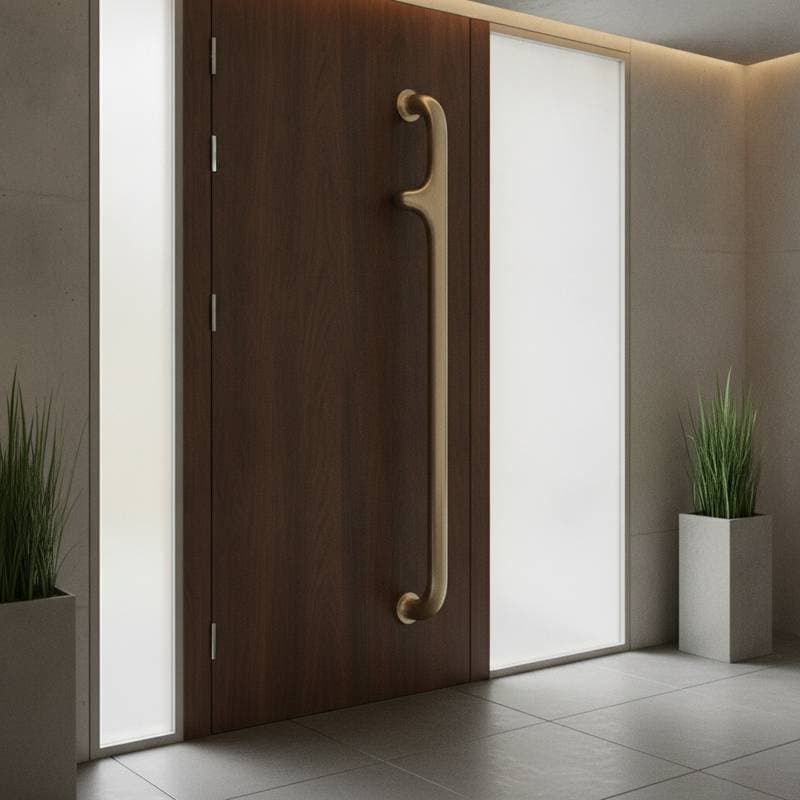
When selecting bronze hardware, start by considering your door material and surrounding finishes. Dark-stained or natural wood doors typically look best with oil-rubbed or antique bronze. Painted interior doors pair nicely with satin bronze for a refined look.
If you plan to upgrade multiple rooms, choose one bronze tone and carry it through all visible hardware. This creates consistency across your home while allowing individual pieces, such as entry sets or lever handles, to stand out.
For maintenance, simply wipe with a soft cloth as needed. Avoid harsh cleaners that strip the patina. If you prefer a brighter appearance, apply a light wax polish once or twice a year.