Why Matte Black Hardware Outpaces Chrome 3:1 in Sales
Matte black hardware has transitioned from a niche accent to a mainstream choice in interior and exterior design. Homeowners seek a modern, premium appearance without the upkeep associated with polished metals. This finish balances contrast, texture, and longevity. It absorbs light rather than reflecting it, reducing glare and imparting a solid, architectural presence suitable for styles ranging from modern farmhouse to sleek minimalism.
The move from chrome arises from aesthetic and functional considerations. Chrome represented streamlined modernism, yet its reflective surface reveals fingerprints, water spots, and scratches. Matte black conceals such imperfections and demands little maintenance. It integrates seamlessly with warm and cool tones, offering versatility amid shifting design preferences.
Three Approaches to Achieve This Aesthetic
Budget-Friendly Option ($150 - $600)
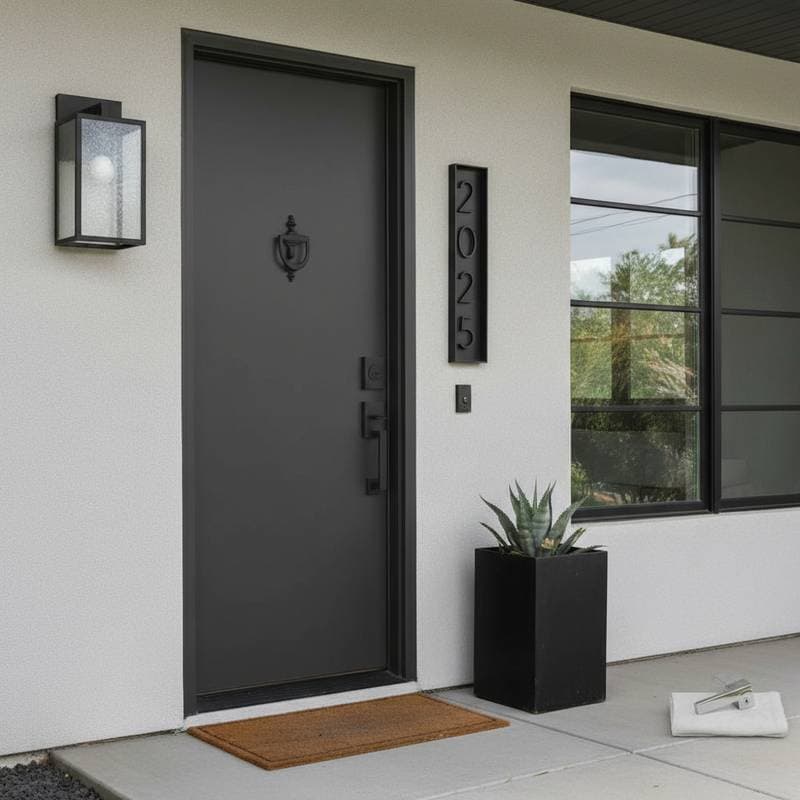
- Replace essential elements like front door hardware, house numbers, and mailbox components with matte black alternatives.
- Select powder-coated steel or aluminum options that withstand corrosion at an accessible price.
- Prioritize the entry handle set or door hinges for immediate enhancement of exterior presence.
Mid-Level Option ($700 - $2,500)
- Update hardware on both exterior and interior doors to establish uniformity across the home.
- Choose forged or anodized aluminum pieces featuring a smooth matte surface resistant to fading.
- Incorporate matte black lighting at entrances to reinforce color and shape consistency.
Premium Option ($3,000 - $7,500)
- Specify solid brass or stainless steel items with professional matte black coatings for enduring performance.
- Incorporate unified details such as window grilles, door hinges, and bespoke hardware to foster architectural harmony.
- Extend to matching hinges, numerals, and gate hardware for a polished, professional finish that persists over time.
Guide to Materials and Finishes
- Windows: Select fiberglass or aluminum-clad frames in black or charcoal hues. Narrow profiles and divided-light designs promote a precise, structural aesthetic. Match hardware like casement operators or latches with matte black powder coating to link seamlessly with door elements.
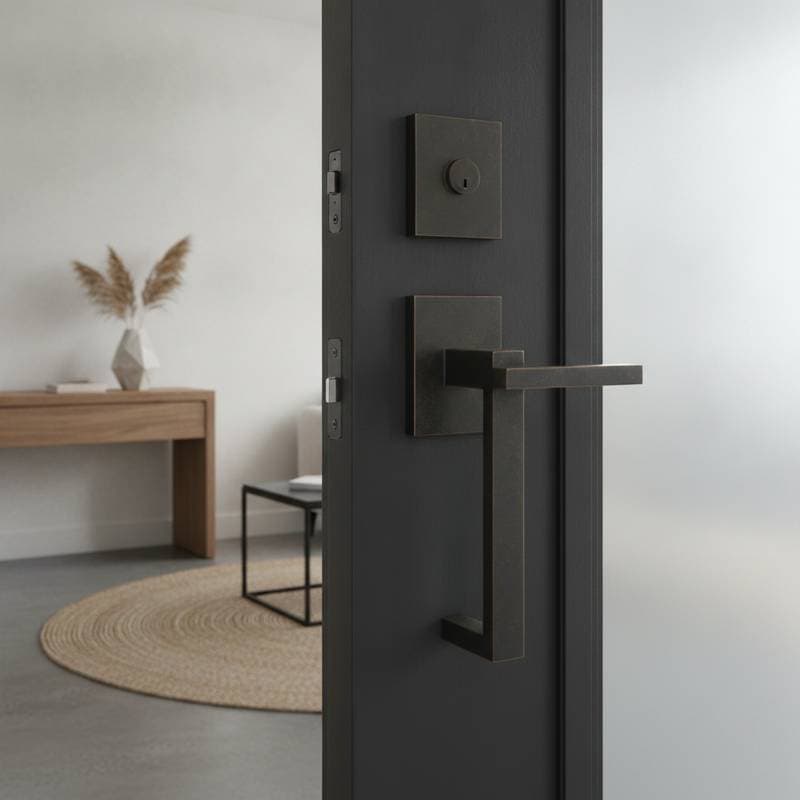
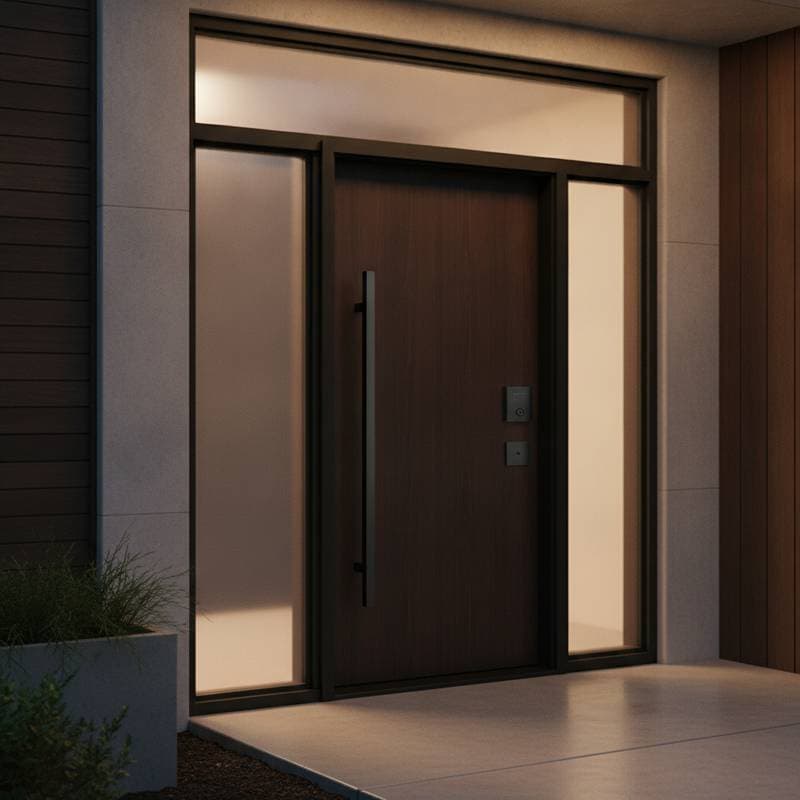
- Doors: Pair wood or composite doors with matte black handle sets. Flat black levers fit contemporary schemes, whereas square pulls align with transitional motifs. Tempered glass panels with black dividers introduce depth without excess detail.
- Siding: Combine black highlights with light to medium siding shades. White board-and-batten, gray fiber cement, or soft wood tones generate contrast that accentuates black hardware. Matte siding textures align with black metal accents for unified appeal.
- Trim and Accents: Apply matte black window trim or gutters selectively to outline key features. Integrate black lanterns with geometric forms to sustain a coherent finish narrative.
Maintenance Considerations
Matte black appeals because it masks smudges and slight flaws. Clean routinely with mild soap and water, steering clear of abrasive materials that might diminish the surface. Powder-coated steel and anodized aluminum perform reliably in varied conditions, though coastal properties benefit from marine-grade variants for superior rust prevention.
Chrome requires frequent polishing to preserve its shine. It displays fingerprints and water marks prominently, especially in frequently used zones. Matte black sustains its look with reduced effort. Properly applied finishes resist chipping, but avoid aggressive cleaners that may compromise the coating.
Common Pitfalls to Avoid
- Excessive Black Application: Covering all surfaces in matte black can mute the overall design. Employ it alongside contrasting colors or textures, such as wood grains or white borders, for optimal effect.
- Inconsistent Sheens: Blending glossy and matte black items breaks visual flow. Maintain one consistent level of luster for harmony.
- Overlooking Environmental Factors: Inferior black finishes may degrade in humid or seaside settings. Opt for marine-grade or UV-protected options to ensure durability.
- Disregarding Illumination: Matte black diminishes light, potentially darkening entrances. Counter this with ambient lighting or light-reflecting siding to avoid a somber appearance.
Coordinating Colors and Styles
Matte black adapts to numerous palettes as a stabilizing element rather than a primary color.
Recommended Combinations
- Soft white siding paired with matte black accents and natural oak doors.
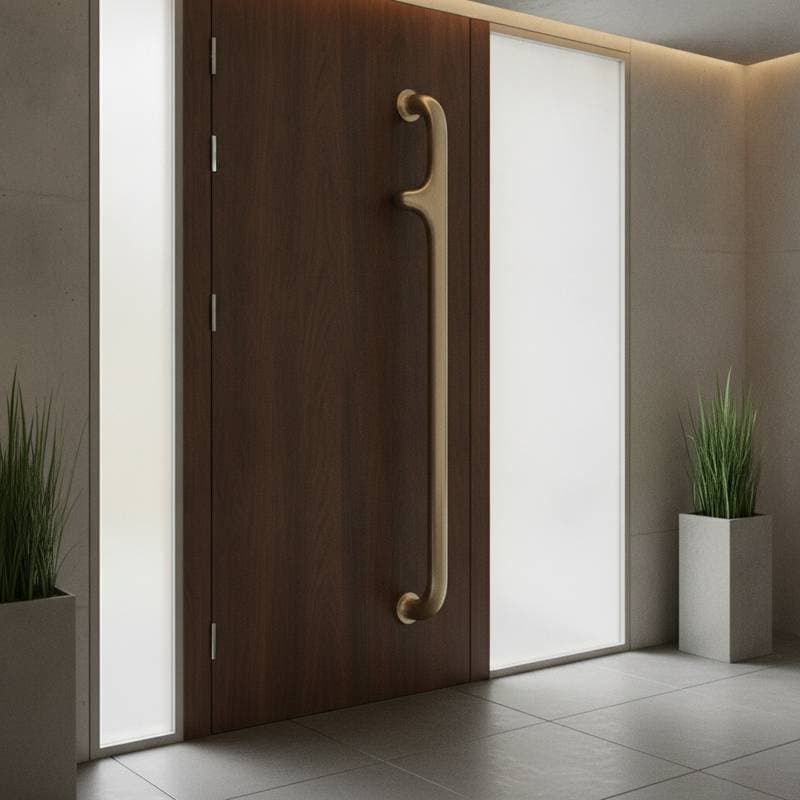
- Warm gray exterior accented by black trim and brushed brass fixtures for metallic variety.
- Charcoal siding with dark walnut doors and black hardware in a tonal arrangement.
- Pale beige fiber cement featuring black-framed windows and bronze door sets for transitional harmony.
- Cool blue-gray siding with black shutters and stainless details for a coastal-contemporary vibe.
Consider texture alongside color in exterior planning. Smooth metals, textured woods, and matte surfaces build engaging contrasts that sustain interest.
Matte Black's Appeal Across Design Styles
Matte black demonstrates exceptional adaptability. In modern farmhouse contexts, it underscores structural clarity and harmonizes with rustic woods. Minimalist facades use it as a sharp focal point to structure the exterior. Traditional architectures gain a contemporary edge through its stabilizing influence without disruption. Coastal and industrial designs leverage it to delineate forms and emphasize lines.
This finish connects warm and cool elements, earning favor among designers for hybrid exteriors. Unlike chrome, which may appear stark or outdated, matte black conveys modernity and permanence. It reflects assurance and subtlety, principles central to current design philosophy.
Exterior Documentation Checklist
Homeowners should record current features thoroughly before purchases. Such documentation aids in assessing scale, balance, and compatibility.
Essential Steps
- Capture broad views of all exterior sides to document rooflines and trim scales.
- Photograph details of doors, windows, and siding to spot potential finish mismatches.
- Identify style markers like gables, columns, and eaves that affect hardware positioning.
- Evaluate local aesthetics to align updates with neighbors or association rules.
- Document weather patterns to inform selections for finish resilience.
- Establish budget tiers, prioritizing impactful changes like entry doors over minor additions.
Integrating Matte Black for Lasting Impact
Matte black hardware secures its lead through aesthetic and practical merits. It amplifies design while easing care, yielding sustained benefits for homeowners valuing form and function. The finish suits diverse architectures, accommodates budgets, and endures stylistic shifts.
Compared to chrome's demanding shine, matte black aligns with preferences for subtle, sensory sophistication. Applied as accents or broadly, it yields a refined, equilibrated exterior. For upcoming renovations, this option merges resilience, adaptability, and refined taste to shape enduring exterior allure.