Japandi Minimalism: The Dominant Entryway Trend for 2025
Japandi minimalism reshapes entryway design for homeowners seeking balance and calm. This approach fuses Japanese principles of simplicity with Scandinavian emphasis on warmth and utility, resulting in spaces that greet visitors thoughtfully and establish a peaceful home atmosphere. The entryway emerges as a key area, blending practicality with subtle elegance.
Defining Characteristics of Japandi Style
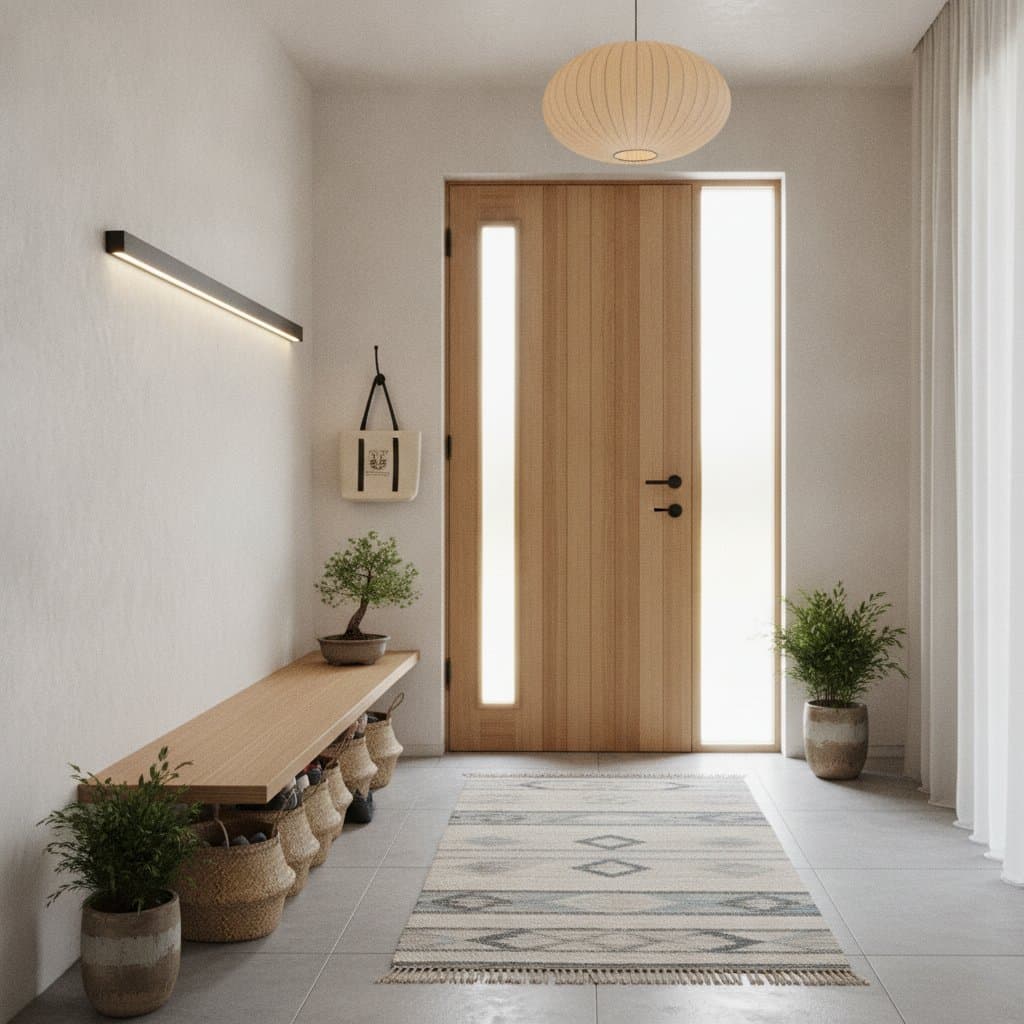
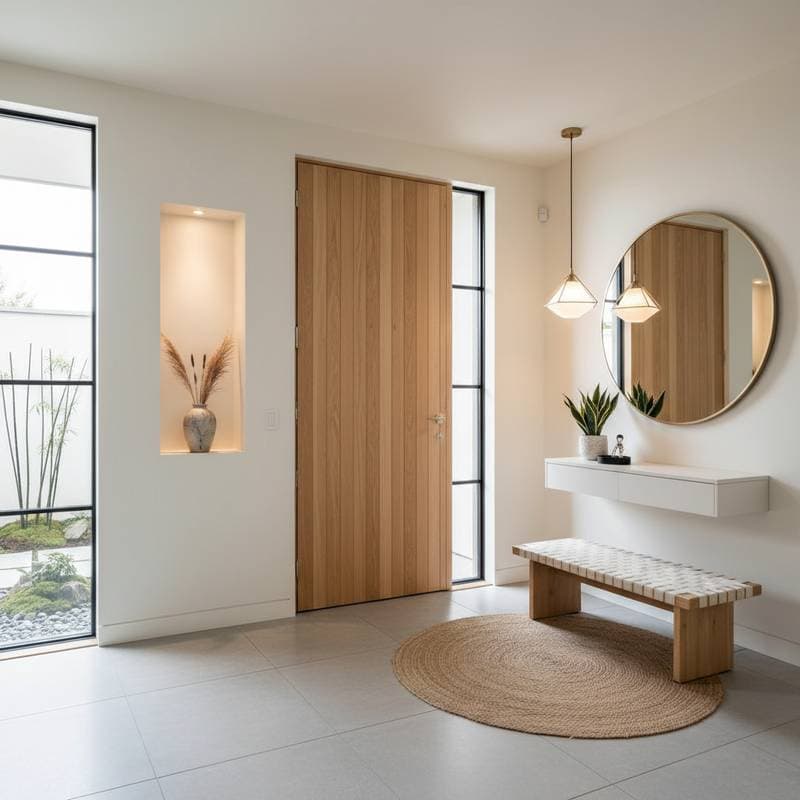
Japandi design integrates Scandinavian clean lines with Japanese organic forms and subdued colors. This creates environments that value utility and skilled workmanship over excess. Essential elements encompass natural wood doors, neutral wall treatments, and purposeful accents that enhance rather than overwhelm.
Individuals gravitate toward this aesthetic for its promotion of streamlined living. Design decisions carry deliberate purpose, from selecting wood species for entry doors to positioning storage solutions and illumination sources. The overall effect conveys authenticity and stability, aligning with contemporary desires for orderly, soothing interiors.
Budget Considerations for a Japandi Entryway
The expense of implementing a Japandi entryway depends on selected materials and execution quality. Typically, a full redesign, incorporating flooring, lighting, and a new wood door, costs between $3,000 and $8,000. The following table outlines common expense categories.
| Material/Feature | Cost Range | Key Features |
|---|---|---|
| Solid wood entry door | $1,200 to $3,500 | Visible grain patterns, durable construction, customizable matte finishes |
| Flooring (bamboo or light oak) | $5 to $15 per sq. ft. | Eco-friendly options, simple maintenance, warm undertones |
| Built-in storage or bench | $800 to $2,000 | Integrated seating, concealed compartments, streamlined profiles |
| Lighting (LED or pendant) | $150 to $600 | Gentle glow, low energy use |
| Accent decor and plants | $200 to $800 | Organic textures, soothing visual impact |
These figures account for materials and standard professional installation. For targeted modifications, such as wall repainting or hardware swaps, expenses may fall between $1,000 and $2,500, scaled to the project's extent.
Essential Components for an Authentic Japandi Entryway
To realize a genuine Japandi aesthetic, emphasize muted hues and sensory materials. The objective involves crafting a seamless shift from exterior to interior realms. Incorporate these core aspects:
-
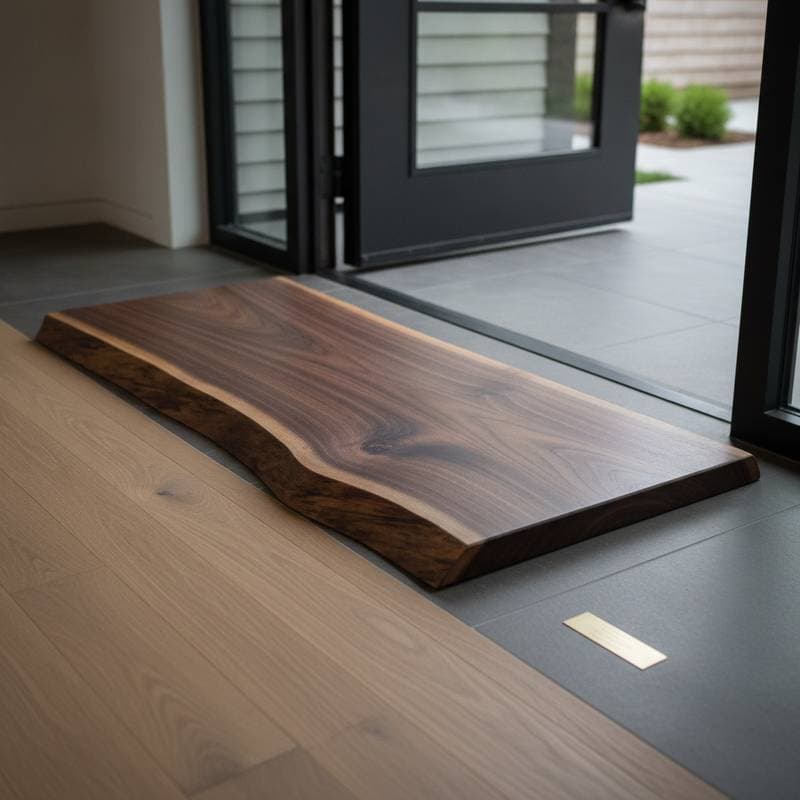
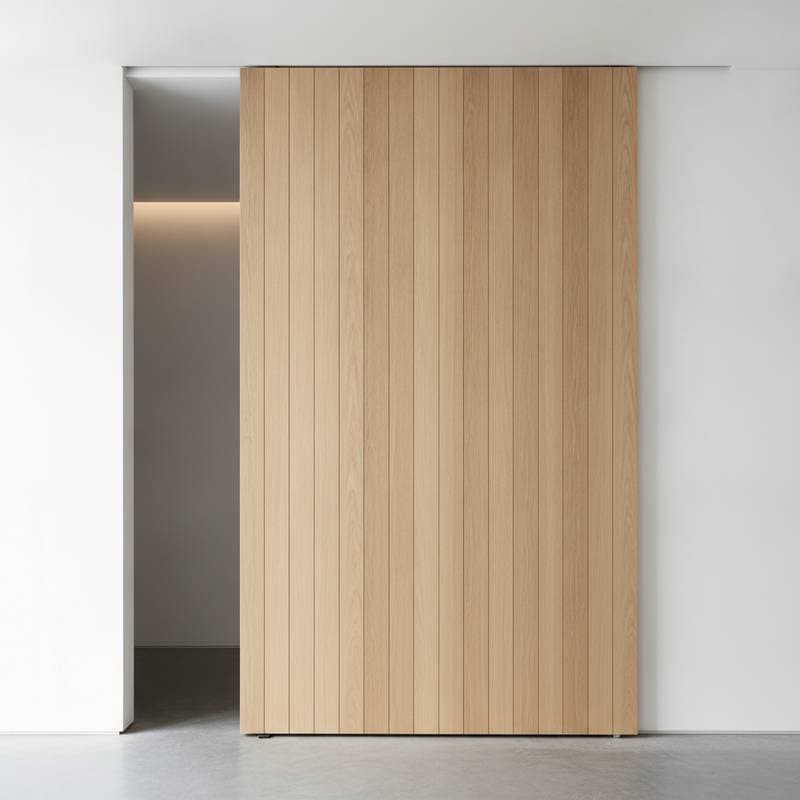
Natural Wood Doors: Opt for options showcasing natural grain or smooth matte surfaces. Species like light oak, ash, or walnut provide inherent warmth and versatility.
-
Functional Furniture: Choose benches or consoles with straightforward silhouettes and integrated storage. Steer clear of elaborate hardware or vivid coatings to preserve restraint.
-
Subtle Lighting: Employ diffused sources to accentuate material qualities without dominating the area. Warm-toned LED fixtures generate an inviting ambiance.
-
Minimal Decor: Limit selections to one ceramic vessel, a simple artwork, or a modest foliage arrangement. Ensure each addition serves a clear role.
-
Soft Textures: Introduce a handwoven mat or fabric padding to infuse comfort while upholding the pared-down ethos.
Factors Shaping Costs and Aesthetic Decisions
Multiple variables influence the total outlay and final look of a Japandi entryway. Space dimensions, material grades, and personalization degrees all contribute to pricing. Custom-fabricated wood doors with artisanal detailing command higher prices than ready-made alternatives, yet they promise extended durability.
Renovation expert Lisa Moreno from Seattle highlights the importance of precision in such designs. “In Japandi spaces, every detail counts. Even the smallest imperfection in a door or piece of trim can disrupt the balance,” she noted.
Flooring and surface treatments also play a role. Bamboo planks or broad oak boards harmonize with Japandi principles, while wall shades in ivory, soft taupe, or pale gray sustain equilibrium.
DIY Options Compared to Professional Services
Certain tasks, like surface painting or furniture curation, suit do-it-yourself efforts. However, elements involving structure, such as door fitting or custom cabinetry, benefit from expert handling. Proper alignment and sealing demand accurate measurements for a solid wood door installation.
Skilled tradespeople guarantee fluid functionality, effective barriers against elements, and adherence to regulations. Installation labor for doors generally spans $300 to $900, varying with project demands.
Upkeep Strategies for Enduring Japandi Spaces
These designs prioritize durability, yet consistent care remains essential. Clean entry doors using gentle cleansers and apply conditioning treatments biannually to protect surfaces. Treat wood floors with oil applications periodically to avoid cracking.
Sustain minimalism by curbing accumulations. Update faded fabrics, rotate greenery, and examine light sources routinely to uphold the tranquil character.
Building an Intentional Entryway Threshold
The entryway establishes your home's initial impression. A Japandi approach renders it efficient and restorative. Begin with thorough decluttering, then integrate premium natural elements that embody restraint. Layer in gentle illumination and a cohesive neutral scheme for unity.
Executed thoughtfully, this style elevates the entryway to a deliberate haven. It merges aesthetic appeal with quietude, underscoring that thoughtful design commences at the threshold.