Zellige Entryways: The Art of Handcrafted Tile Design
Zellige tiles offer a compelling method to enhance an entryway. Homeowners allocate up to $8,000 for these custom installations, which convert standard doorways into artistic expressions. The tiles feature a depth of history, varied textures, and subtle color shifts that surpass any factory-produced alternative. As light moves across the surface during the day, it creates dynamic effects that impart vitality. This approach welcomes visitors with genuine warmth and distinct character, while contributing substantial long-term value to the property.
Rooted in Moroccan artisanal traditions, Zellige involves manual cutting and glazing of each tile. This process ensures no two pieces match exactly, fostering an organic flow that endures over time. Contemporary architects adapt this heritage innovatively, incorporating Zellige on walls, door frames, step risers, and outdoor panels. Such choices attract those who prioritize genuine artistry over uniform manufacturing.
The $8,000 figure typically encompasses materials and professional installation, accounting for the detailed work and exactitude involved. For numerous owners, this expenditure signifies dedication to durable craftsmanship and a signature aesthetic that immediately improves exterior presence.
Coordinating Materials and Finishes
Windows
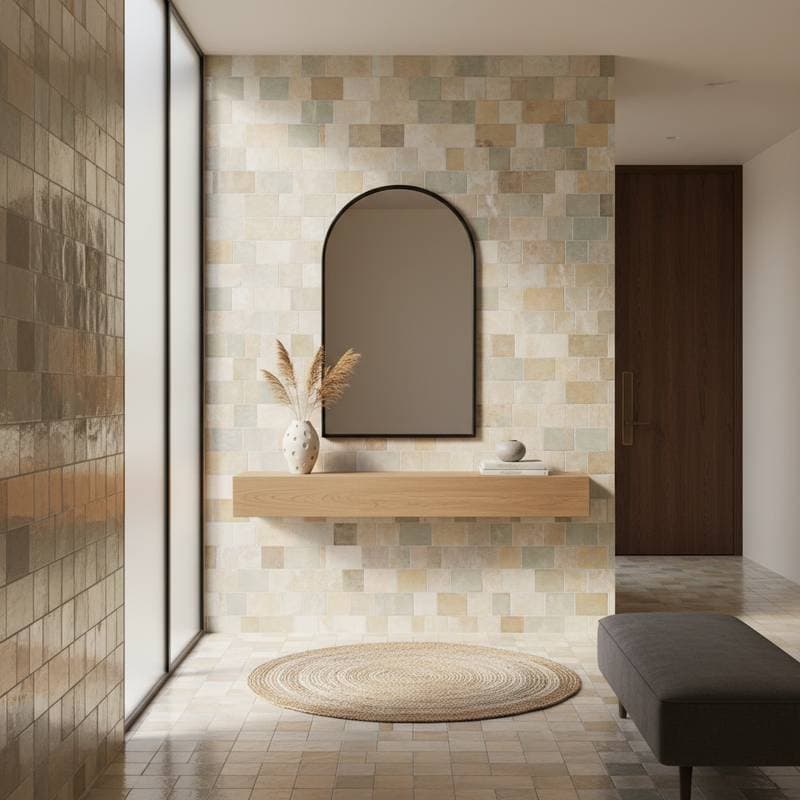
Select aluminum-clad wood windows with narrow profiles or frames mimicking steel in shades of deep bronze or black. These straightforward designs provide striking contrast to the uneven Zellige texture.
Opt for hardware in unlacquered brass or aged nickel to harmonize with warm tile tones; matte black variants pair well with cooler shades.
For added privacy, incorporate frosted or reeded glass options that preserve illumination while shielding indoor views.
Doors
Pair a solid wood entry door showcasing natural grain with the tile's handmade quality. Apply stains in walnut, mahogany, or oak to generate inviting contrast against the tile's sheen.
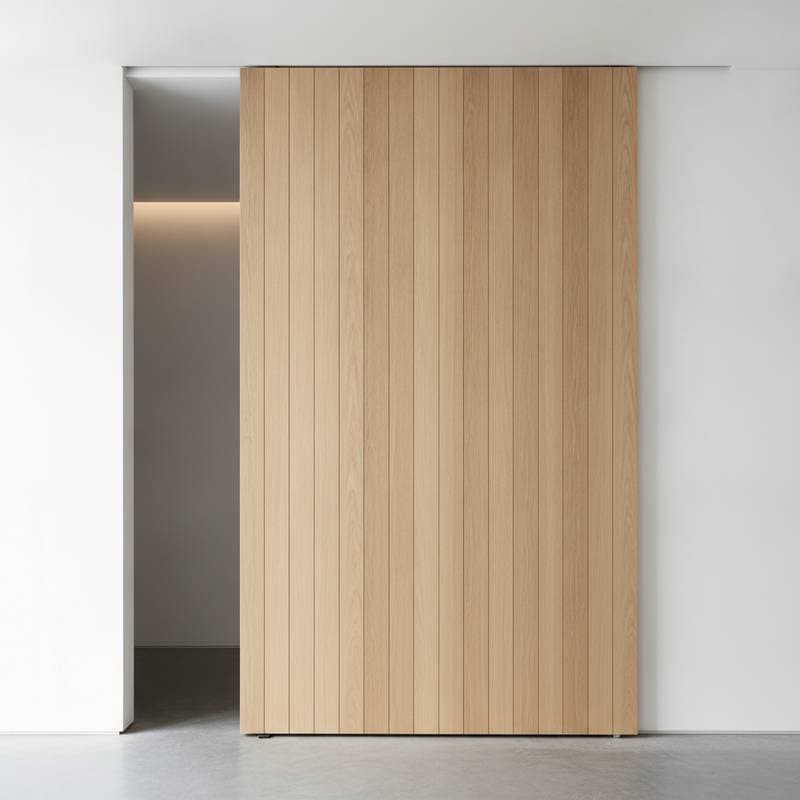
In modern settings, choose pivot or flush-panel doors with restrained detailing to spotlight the tile installation.
Metal- or wood-framed glass panels can mirror the tile's uneven luster; patterned glass subtly references Moroccan patterns.
Siding
Employ smooth stucco, limewashed brick, or fiber cement siding featuring a subtle matte surface to complement Zellige texture. Steer clear of intricate siding designs that might visually compete.
Earthy colors like sand, ivory, or clay align with the tile's luminous properties. Darker options such as charcoal or navy provide bold framing for pale tile arrangements.
Incorporate adequate flashing and moisture protection when joining tile to siding elements.
Trim and Accents
Maintain uncomplicated trim shapes to emphasize the tile. Use painted wood or composite in hues drawn from the tile colors for cohesive integration.
Install uplights or sconces to amplify the tile's glow after dark; warm LED bulbs accentuate glaze layers effectively.
For added depth, include patterned tile on step risers approaching the door, creating gentle movement without dominating the primary feature.
Common Pitfalls to Avoid
-
Attaching tile to unprepared brick or wood: Unsealed bases retain water, risking tile separation or fading. Prepare with suitable backings and waterproof layers.
-
Selecting mismatched grout shades: Extremes in grout color draw focus from tile irregularities. Neutral mid-tones support the handmade essence discreetly.
-
Overlooking sun exposure: Tile glazes respond variably to ultraviolet rays. Position sample tiles outdoors to verify color retention prior to commitment.
-
Excessive embellishment: Zellige draws inherent interest; elaborate moldings, elaborate fixtures, or clashing materials lead to disorder.
-
Overlooking installer expertise: Authentic Zellige demands skilled placement for uniform gaps and orientation. Engage professionals versed in artisanal layouts.
Essential Photography and Planning Checklist
Capture detailed records before procuring supplies or removing old features, as site specifics shape outcomes. This preparation aids in customizing plans and averting expensive changes.
-
Exterior photos taken from various perspectives, featuring doorway details and broader facade views.
-
Style documentation noting roof shapes, window forms, and current materials to align tile with architectural harmony.
-
Local context assessment evaluating design boldness against neighboring properties and community guidelines.
-
Environmental factors including precipitation levels, sunlight patterns, and climate variations influencing grout and tile resilience.
-
Financial outline specifying overall budget and emphases on tile extent, door selections, and illumination elements.
These elements guide experts in crafting site-specific solutions.
The Lasting Value of a Zellige Investment
An entryway establishes the home's initial impression. Zellige provides a sensory depth uncommon in conventional materials. The hand-formed tiles display artisan traces, with minor variances that convey authenticity. The textured face encourages interaction, and the glaze interacts with daylight to evolve visually over hours.
Economically, the outlay proves resilient. Unlike fleeting paints or fixtures, Zellige withstands shifting tastes. Property professionals observe that standout, premium entries indicate meticulous maintenance and elevate market perception. Though covering limited area, the tile serves as a central element enhancing surrounding features.
Zellige adapts versatilely, suiting rustic Mediterranean structures or crisp modern exteriors. Its jagged borders temper rigid contemporary forms, while infusing traditional settings with craft. Batch-specific differences guarantee unique results, promoting personal distinction.
Tailoring Zellige to Your Vision
Effective Zellige designs mirror individual narratives alongside trends. Neutral palettes foster serenity; vibrant selections express vibrancy. Success hinges on deliberate matching and practical assessment of daily performance.
Establish goals early, focusing on texture, hue, or motif priorities. If resources permit, consult a tile-savvy designer for equilibrated patterns.
Investing $8,000 in Zellige yields beauty, durability, and genuineness. The finish narrates a tale that matures alongside the residence.